
Plot Summary
Rain and Resignation
In the aftermath of her husband Will's death, Emma is consumed by grief and anger, unable to find solace in her old routines. The rain triggers memories of pain, and she impulsively resigns from her research job, feeling disconnected from her work and colleagues. Seeking change, she stumbles upon a job ad for a part-time florist at a local garden centre. The ad, simple and unassuming, becomes a lifeline. Emma's decision to apply is less about floristry and more about searching for meaning and connection in a world that feels alien and empty. Her resignation marks the first step in a journey of self-discovery, as she leaves behind the sterile certainty of the lab for the unpredictable, living world of flowers.
Garden Centre Beginnings
At the garden centre, Emma is welcomed by Betty and Les, a married couple whose warmth and quirks offer her a sense of belonging. She learns the basics of floristry, adapting to Betty's traditional style while quietly infusing her own creativity, especially in funeral arrangements. The garden centre becomes a sanctuary, a place where Emma can lose herself in the rhythm of plant care and bouquet-making. She forms tentative bonds with her coworkers, including the boisterous flower delivery man, Tamas. The gentle routines and the sensory richness of the flowers begin to soothe her grief, even as she remains haunted by memories of Will and the life they shared. The garden centre is both a refuge and a crucible for Emma's healing.
Titanic Obsessions Awaken
Invited to a local history talk on the Titanic, Emma's anxiety overwhelms her, and she flees before entering. Later, a documentary about the Titanic's decay ignites her curiosity: who arranged the flowers on the ship? This question becomes an obsession, a puzzle that distracts her from her pain. She scours records, finding no mention of a florist among the crew, yet evidence abounds that the Titanic was filled with flowers. The search for the unknown florist becomes a metaphor for Emma's own search for meaning and connection. Her scientific mind is reawakened, and the quest gives her a sense of purpose, even as it exposes her vulnerabilities and deepens her longing for the past.
Violet's Childhood in Flowers
Interwoven with Emma's story is that of Violet, whose earliest memories are of wildflowers on the Argentine Pampas. Her life is shaped by the rhythms of nature, family hardship, and the wisdom of her mother. Flowers are not just decoration but a language and a comfort, woven into the fabric of her identity. Violet's journey from the grasslands to England, and eventually to a life at sea, is marked by loss, resilience, and a persistent sense of wonder. Her story, told in fragments, becomes a parallel to Emma's, each woman seeking her place in a world that often feels indifferent and vast.
Grief and Funeral Arrangements
Funeral arrangements at the garden centre become Emma's domain, allowing her to channel her sorrow into creativity. She crafts tributes that reflect the lives of the deceased, sometimes using unconventional materials like vegetables for a gardener's wreath. The act of arranging flowers for funerals becomes a way for Emma to process her own loss, to honor Will, and to connect with others in their grief. The language of flowers—peonies, foxgloves, carnations—becomes a silent conversation between the living and the dead. Through these rituals, Emma begins to find a fragile sense of agency and hope.
Seeking the Florist
Emma's research into the Titanic's flowers intensifies. She discovers the Bealing family, historical suppliers of flowers to ocean liners, but finds no record of a dedicated florist on the Titanic. Conversations with colleagues and new friends, including the knowledgeable Clementine, reveal the complexity of shipboard life and the likelihood that flower arranging was an unofficial, often female, responsibility. Emma's quest becomes both historical and personal, as she projects her longing for connection onto the unknown florist. The search is as much about understanding herself as it is about solving a historical puzzle.
New Connections, Old Wounds
As Emma grows closer to Betty, Les, and Tamas, she also confronts the wounds left by her critical mother and the absence of her father. The kindness of her new friends contrasts sharply with her mother's coldness, highlighting the importance of chosen family. Emma's brother Guy offers support from afar, while her mother's demands and dismissiveness reopen old hurts. The garden centre community becomes a surrogate family, offering Emma the acceptance and encouragement she craves. These relationships, though imperfect, help her begin to heal and to see herself through kinder eyes.
Letters to the Past
Emma turns to letter-writing—sometimes to her deceased father, sometimes to Will—as a way to process her emotions. These unsent letters become a form of "pillow post," a family tradition of leaving notes under pillows, which she later learns has deeper roots. Through writing, Emma articulates her grief, regrets, and hopes, finding clarity and catharsis. The act of writing connects her to her past, to her family's history, and to the broader human experience of loss and longing. It is through these letters that Emma begins to make peace with her memories and to envision a future.
The Language of Flowers
Throughout Emma's journey, flowers serve as powerful symbols—of love, loss, hope, and renewal. Each bloom carries meaning: peonies for remembrance, marigolds for guidance, jasmine for her father, and lilies for her mother's cold elegance. The act of arranging flowers becomes a way for Emma to communicate what words cannot express. In her research, she learns how flowers on the Titanic were both a mark of luxury and a silent comfort in tragedy. The language of flowers bridges the gap between past and present, between Emma and Violet, and between the living and the dead.
The Search Deepens
Emma's investigation leads her to Cambridge, where she consults with Clementine, a florist with experience on ocean liners. Together, they reconstruct what the role of a shipboard florist might have entailed, concluding that it was likely an unofficial, often female, position. Emma's research is methodical yet deeply personal, blending historical detective work with introspection. The journey is punctuated by moments of connection—with strangers, with friends, and with herself. Each discovery brings her closer to understanding both the Titanic's secrets and her own.
Family, Memory, and Loss
A trip to Paris to see her mother and retrieve family documents becomes a turning point. Emma confronts her mother's bitterness and finally sees the roots of her own insecurities. She learns that her father's family were gardeners, not the distinguished winegrowers her mother claimed. This revelation brings Emma a sense of pride and belonging, connecting her to a lineage of people who found meaning in tending the earth. The act of gardening, like arranging flowers, becomes a metaphor for healing and growth.
The Florist's Mystery
As Emma delves deeper, she uncovers the story of Violet Jessop, a real-life stewardess who survived the Titanic and two other shipwrecks. Through research and a fateful photograph, Emma discovers that Violet was connected to her own family through a tradition of "pillow post." The realization that she is not related by blood but by the transmission of kindness and ideas is both humbling and uplifting. Violet's resilience and love of flowers become a source of inspiration, helping Emma to accept the mysteries of the past and the imperfections of life.
Finding Violet
With the help of historian Alistair and others, Emma confirms that Violet arranged flowers on the Titanic, fulfilling her quest. The discovery is less about historical fact than about the connections forged along the way—between Emma and her friends, between past and present, and between grief and hope. The journey teaches Emma that small acts of kindness, like arranging flowers or writing a letter, can ripple across generations. The search for the florist becomes a search for meaning, belonging, and forgiveness.
The Power of Kindness
Emma's recovery from a health crisis is marked by the unwavering support of her friends, especially Betty and Les. The garden centre community rallies around her, embodying the power of kindness to heal and transform. Emma learns to accept help, to offer it in return, and to see herself as worthy of love and friendship. The lessons of the garden—patience, resilience, and the beauty of imperfection—become the foundation of her new life. Kindness, she realizes, is the true legacy she wishes to cultivate.
Revelations and Recovery
As Emma heals, she forgives Will for his infidelity, recognizing that some mysteries—like the reasons for betrayal—may never be fully understood. She also forgives herself, letting go of guilt and embracing the possibility of happiness. The act of gardening, of tending to living things, becomes both a tribute to her father and a symbol of her own renewal. Emma's journey is not about erasing pain but about integrating it, finding beauty in the broken places, and moving forward with hope.
Paris and Forgiveness
In Paris, Emma confronts her mother one final time, realizing that true closure does not require reconciliation but acceptance. She claims her identity as a gardener, embracing her family's humble roots and the values they represent. The trip becomes a pilgrimage, a way to honor her father and to say goodbye to the burdens of the past. Emma's forgiveness extends beyond Will and her mother to herself, allowing her to step into a future defined by compassion and self-acceptance.
Roots and Revelations
A journey to Seville, her ancestral home, brings Emma full circle. In the gardens of the Alcázar, she finds peace, connecting with her heritage and the universal rhythms of growth and decay. A chance encounter with a gardener reminds her that perfection is not the goal—only God creates perfection—but that beauty lies in the flawed, the human, the real. Emma's story is one of roots—both literal and metaphorical—and of the revelations that come from tending them with care.
The Gardener's Legacy
Back in Oxford, Emma's life is transformed. She tends her garden, nurtures friendships, and finds fulfillment in small acts of creation and connection. The garden centre thrives with new ideas, and Emma's research into the Titanic's flowers becomes a collaborative project, dedicated to Violet Jessop. The tradition of "pillow post" continues, spreading kindness across generations and continents. Emma's journey, like a well-tended garden, is a testament to resilience, love, and the enduring power of flowers to heal and connect.
Analysis
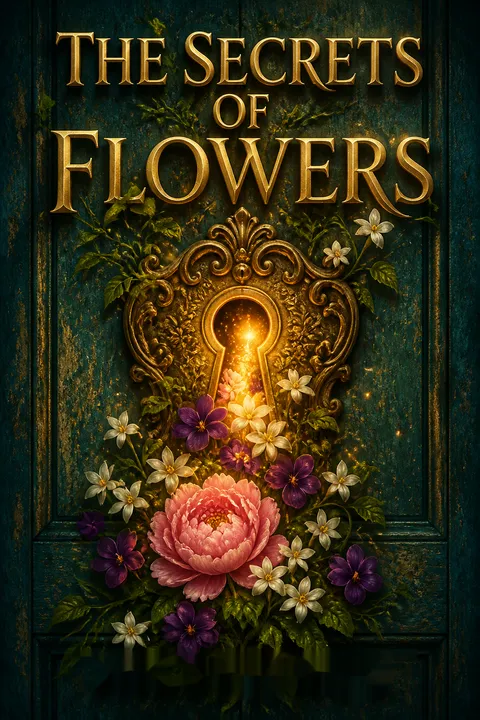
A modern meditation on grief, connection, and the healing power of kindnessThe Secrets of Flowers is a deeply human novel that uses the language and symbolism of flowers to explore the complexities of loss, forgiveness, and self-discovery. Through its dual narrative, the book bridges past and present, showing how small acts—arranging flowers, writing letters, offering kindness—can ripple across generations and transform lives. Emma's journey from grief and self-doubt to acceptance and renewal is mirrored in Violet's story of resilience and adaptation. The novel rejects the notion of tidy resolutions or perfect understanding, instead embracing the beauty of imperfection and the necessity of living with ambiguity. Its central lesson is that healing is a communal, ongoing process, rooted in compassion, memory, and the willingness to reach out to others. In a world often marked by isolation and uncertainty, The Secrets of Flowers offers a hopeful vision: that life, like a garden, is fragile, unpredictable, and—above all—beautiful.
Review Summary
People Also Read
Characters
Emma
Emma is a linguist and former researcher whose life is upended by the sudden death of her beloved husband, Will. Tall, red-haired, and self-conscious, she struggles with social anxiety and a deep sense of inadequacy, exacerbated by her critical mother. Emma's journey is one of profound grief, self-discovery, and healing. Her obsession with the Titanic's florist becomes a metaphor for her search for meaning and belonging. Through her work at the garden centre and her relationships with Betty, Les, and others, Emma learns to accept kindness, forgive herself and others, and embrace her identity as a gardener and a nurturer. Her development is marked by increasing self-compassion, resilience, and the courage to let go of the past.
Violet Jessop
Violet is introduced through interwoven chapters that trace her life from the Argentine Pampas to England and eventually to a career at sea. Her childhood is marked by hardship, loss, and a deep connection to flowers as symbols of hope and continuity. As a stewardess on the Titanic and other ships, Violet's practical skills, kindness, and love of flowers set her apart. She survives multiple shipwrecks, including the Titanic, and her story becomes a touchstone for Emma's quest. Violet's psychological strength lies in her ability to find beauty and meaning in small things, to endure loss without bitterness, and to pass on traditions of kindness—like "pillow post"—that ripple through generations.
Betty
Betty is co-owner of the garden centre with her husband Les. Small, energetic, and fond of wildlife-themed jumpers, she is a source of comfort and stability for Emma. Betty's chatter masks her own vulnerabilities, including worries about the business and her family. She becomes a confidante and friend to Emma, offering practical support and emotional wisdom. Betty's relationship with Les is a model of enduring partnership, marked by humor, patience, and mutual respect. Her kindness and acceptance help Emma to heal and to see herself as worthy of love.
Les
Les is Betty's husband and the quiet backbone of the garden centre. Large, bearded, and fond of proverbs, he provides a grounding presence for both Betty and Emma. Les's love of begonias and his practical approach to life reflect his deep connection to the land and to tradition. He is slow to speak but quick to help, offering Emma both practical advice and emotional support. Les's history as a punk in his youth adds depth to his character, revealing a capacity for change and adaptation. His relationship with Betty is a testament to the power of partnership and shared purpose.
Tamas
Tamas is the flower delivery man, a large, exuberant presence with a thick accent and a penchant for blunt observations. Beneath his jovial exterior lies deep grief over the loss of his daughter, Greta, and marital struggles with his wife, Berta. Tamas's journey mirrors Emma's in its exploration of loss, resilience, and the need for connection. His willingness to help Emma in her quest, and his eventual openness about his pain, highlight the importance of vulnerability and community. Tamas's story is one of healing through shared sorrow and the rediscovery of joy.
Will
Will is present in Emma's memories, letters, and imagined conversations. Athletic, kind, and supportive, he was the anchor of Emma's happiness. His unexpected death and the later revelation of his infidelity shatter Emma's sense of security and self-worth. Will's complexity—his love for Emma, his mistakes, his humanity—forces Emma to confront the ambiguities of love and forgiveness. His presence lingers as both a source of pain and a catalyst for Emma's growth, ultimately leading her to acceptance and peace.
Emma's Mother
Emma's mother is a formidable presence, defined by her beauty, social ambition, and emotional coldness. Her constant criticism and lack of warmth have left Emma with deep insecurities and a longing for approval. The mother-daughter relationship is fraught with misunderstanding, jealousy, and unspoken pain. Emma's eventual realization that her mother's bitterness stems from her own disappointments allows her to break free from the cycle of hurt and to claim her own identity. The mother's role is both antagonist and unwitting teacher, forcing Emma to define herself on her own terms.
Guy
Guy, Emma's brother, lives in Singapore and maintains a close, if geographically distant, relationship with Emma. Artistic and pragmatic, he offers practical advice and emotional support, often serving as a sounding board for Emma's anxieties. His own successful life and stable marriage contrast with Emma's struggles, but his loyalty and understanding are unwavering. Guy's presence underscores the importance of family, even when separated by distance and circumstance.
Clementine (Clem)
Clem is a Cambridge florist with a background in shipboard floristry, whose wisdom and warmth help Emma unravel the mystery of the Titanic's flowers. Her perspective on the role of flowers in human connection and her encouragement of Emma's talents are instrumental in Emma's journey. Clem's own story of migration and adaptation mirrors the themes of resilience and the search for belonging. She becomes both mentor and friend, embodying the power of shared passion and kindness.
Alistair
Alistair is a young maritime historian who assists Emma in her research. His expertise, curiosity, and open-mindedness help Emma piece together the story of Violet and the Titanic's flowers. Alistair's own family history and his willingness to collaborate reflect the book's themes of intergenerational connection and the value of teamwork. His friendship with Emma is marked by mutual respect, humor, and a shared sense of purpose.
Violet's Mother
Violet's mother is a figure of strength and pragmatism, guiding her family through hardship and migration. Her wisdom, resilience, and belief in the power of flowers shape Violet's character and worldview. The mother-daughter bond is central to Violet's story, providing both comfort and challenge. Her insistence on the importance of kindness and adaptability becomes a legacy that echoes through Emma's life as well.
Plot Devices
Dual Narrative Structure
The novel employs a dual narrative, alternating between Emma's contemporary journey and Violet's historical story. This structure allows for thematic resonance, as each woman's experiences with loss, resilience, and the language of flowers mirror and inform the other's. The gradual convergence of their stories—culminating in the revelation of a shared tradition—creates suspense and emotional depth, inviting readers to draw connections across time and circumstance.
The Mystery of the Florist
The central plot device is Emma's obsession with discovering who arranged the flowers on the Titanic. This historical mystery serves as a metaphor for Emma's own search for self-understanding and connection. The quest structure provides momentum, while the repeated dead ends and revelations mirror the unpredictability of healing and discovery. The eventual identification of Violet as the likely florist is both a resolution and an invitation to embrace ambiguity.
Flowers as Symbol and Motif
Flowers are omnipresent, serving as symbols of love, loss, hope, and renewal. Each flower carries specific meaning, both culturally and personally, and the act of arranging flowers becomes a language through which characters express what cannot be spoken. The motif of flowers bridges the gap between Emma and Violet, between past and present, and between the living and the dead. The recurring use of floral symbolism deepens the emotional resonance of the narrative.
Pillow Post and Letters
The tradition of "pillow post"—leaving letters under pillows—serves as a plot device linking generations and characters. Letters, both sent and unsent, become vessels for unspoken emotions, regrets, and hopes. The discovery that this tradition originated with Violet and was passed down to Emma's family provides a satisfying narrative closure, emphasizing the power of small acts of kindness to ripple across time and space.
Foreshadowing and Memory
The novel uses foreshadowing through dreams, memories, and sensory triggers (like the scent of rain or flowers) to create a sense of inevitability and interconnectedness. Emma's recurring sense of déjà vu, her recognition of Violet, and the gradual unveiling of family secrets all serve to build suspense and emotional payoff. The interplay of memory and present experience underscores the themes of healing and reconciliation.
Ensemble Cast and Community
The rich ensemble of secondary characters—Betty, Les, Tamas, Clem, Alistair, and others—serves as both plot engine and thematic chorus. Their kindness, quirks, and struggles provide Emma with models of resilience and acceptance. The community they form becomes a microcosm of the book's message: that healing and meaning are found not in isolation, but in connection and shared purpose.
Download PDF
Download EPUB
.epub digital book format is ideal for reading ebooks on phones, tablets, and e-readers.








































