
Plot Summary
Wonderings and Worries
Seventh-grader Natalie Napoli's life is upended when her science teacher, Mr. Neely, assigns a yearlong project: pick a question and use the scientific process to answer it. But Natalie's mind is elsewhere—her mother, once vibrant and full of life, now barely leaves her bedroom, lost in a fog of depression. Natalie's observations, both scientific and personal, fill her Wonderings journal, as she tries to make sense of her mother's absence and her own feelings of helplessness. The assignment, meant to spark curiosity, instead becomes a mirror for Natalie's confusion and longing for things to return to normal. The story's emotional tone is set: a blend of humor, uncertainty, and the ache of missing someone who is still physically present.
The Science Assignment
Mr. Neely's enthusiasm for science is infectious, but Natalie struggles to care. Her classmates, including ex-best friend Mikayla and new friend Dari, dive into their projects, but Natalie can't even settle on a question. At home, her father tries to keep things together, but the family's routines are fraying. Natalie's memories of her mother's love for science and their shared experiments haunt her, making the assignment feel both impossible and essential. The project becomes more than homework—it's a desperate attempt to reconnect with her mother, to find a question that might lead to an answer for the sadness that has overtaken their home.
Mom's Disappearance
Natalie's mother's depression is never named outright at first, but its effects are everywhere: missed dinners, closed doors, and a growing sense of loss. Natalie recalls the slow fade—her mother's laughter disappearing, her energy draining, until she's a shadow in her own home. Natalie's father, a therapist, urges patience and space, but Natalie feels abandoned and angry. The family's dynamic shifts; Natalie is left to navigate school, friendships, and her own pain without the mother she remembers. The emotional weight is heavy, but Natalie's voice remains sharp, observant, and searching for hope.
Friends, Frogs, and Fractures
At school, Natalie's friendship with quirky, loyal Twig is her anchor, even as her relationship with Mikayla grows distant and awkward. A frog dissection in science class becomes a metaphor for Natalie's life—examining what's inside, searching for what makes things work. Twig's energy and humor provide relief, but Natalie can't escape the feeling that everything is breaking: her family, her friendships, her sense of self. The science project lingers in the background, a challenge she can't face alone. The chapter captures the messiness of middle school, the pain of growing apart, and the comfort of a friend who stays by your side.
The Cobalt Blue Orchid
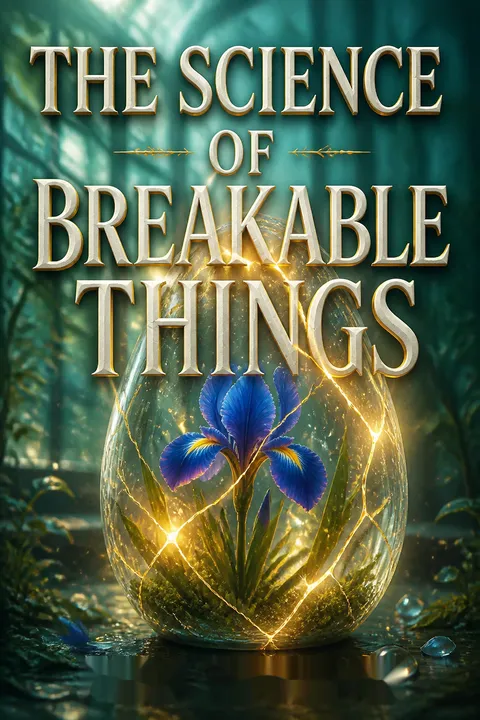
Natalie discovers her mother's old botany book, filled with stories of miracle plants—especially the Cobalt Blue Orchid, a flower that thrived in poisoned soil. The orchid becomes a symbol for Natalie: if something so delicate can survive against the odds, maybe her mother can, too. Natalie's memories of nurturing the orchid with her mom, and its eventual death, mirror her mother's decline. The idea of the orchid sparks a new hope—if she can find another, maybe she can bring her mother back. The scientific process and personal longing intertwine, setting Natalie on a quest for a miracle.
Operation Egg Begins
Inspired by the possibility of winning $500 in an egg drop competition, Natalie hatches a plan: use the prize money to take her mother to see the Cobalt Blue Orchids in New Mexico. With Twig's help, Operation Egg is born. The project becomes a lifeline, a way to channel Natalie's anxiety and hope into action. The girls experiment with designs, break eggs, and laugh through the mess. The competition is more than a contest—it's a chance to fix what's broken at home. Natalie's determination grows, even as doubts and setbacks multiply.
Family Traditions, Family Troubles
Thanksgiving and Christmas arrive, bringing family traditions that feel hollow without Mom's presence. Natalie and her father try to recreate holiday rituals, but the absence is palpable. Grandma's visit brings warmth and noise, but also reminders of cultural identity and the complexities of family. Natalie's anger and sadness simmer beneath the surface, erupting in moments of frustration and guilt. The holidays become a time of reflection—on what's been lost, what remains, and the small moments of connection that still matter.
Team Egg Forms
Dari, the class genius, joins Natalie and Twig's egg drop team, bringing precision and new ideas. The trio's dynamic is awkward at first—Natalie resents Twig's growing closeness with Dari, and fears being replaced. But as they work together, building and testing contraptions, they learn to trust each other's strengths. The team's failures and successes mirror Natalie's internal struggles: the fear of breaking, the hope of surviving. The project becomes a space for growth, vulnerability, and unexpected friendship.
Cracks in the Plan
Despite their best efforts, Team Egg's designs keep failing. The pressure mounts as the competition approaches, and Natalie's anxiety intensifies. Snow days and therapy sessions disrupt routines, and Natalie's relationship with her parents remains strained. A disastrous test run leaves the team discouraged, but also more determined. Natalie's anger at her mother boils over, leading to a painful confrontation. The cracks in the plan reflect the cracks in Natalie's heart, but also the resilience that keeps her moving forward.
Snow Days and Setbacks
A surprise snow day offers a brief respite—Natalie, Twig, and Dari play in the snow, rediscovering the joy of being kids. But the happiness is fleeting; the egg drop competition looms, and Natalie's hopes are pinned on a fragile shell. Family tensions resurface, and Natalie's sense of control slips away. The snow becomes a metaphor for both the beauty and impermanence of happiness. The chapter captures the push and pull between hope and despair, and the importance of small victories.
The Egg Drop Disaster
The day of the egg drop competition arrives, and Team Egg's contraption—S'meggs—faces the ultimate test. Despite their preparation, the egg breaks on impact, and Natalie's dream of saving her mother with a miracle trip dies with it. The loss is devastating, but also clarifying. Natalie realizes that some things can't be fixed with science or determination alone. The team's bond deepens in the aftermath, and Natalie begins to see that healing is a process, not a single event. The disaster becomes a turning point, forcing Natalie to confront the truth about her family and herself.
Desperate Measures
Refusing to give up, Natalie decides to break into her mother's old lab to steal a Cobalt Blue Orchid seed. Twig and Dari join her on the midnight adventure, risking trouble for the sake of friendship and hope. The break-in is tense, filled with close calls and revelations. When they're caught, Natalie is forced to face the consequences of her actions—and the reality that the orchid she's been chasing may not be what she thought. The quest for a miracle leads to unexpected truths, and the realization that some answers can only come from honest conversation.
Breaking and Entering
In the aftermath of the break-in, Natalie learns that the plant she and her mother nurtured was never a Cobalt Blue Orchid, but a common iris. The revelation is crushing—her quest was built on a misunderstanding. Conversations with her parents and Mrs. Menzer reveal the complexities of adult decisions, mental illness, and the limits of love. Natalie's anger and grief give way to acceptance, as she begins to understand that healing isn't about finding magic solutions, but about facing reality together. The chapter is a reckoning, but also the beginning of forgiveness.
Truths and Second Chances
With secrets out in the open, Natalie, her mother, and her father start to rebuild their relationship. Therapy, honesty, and small acts of care replace silence and avoidance. Natalie learns that her mother's depression is not her fault, and that love persists even in the darkest times. The family's traditions take on new meaning, and Natalie finds comfort in the routines they create together. The greenhouse, once a place of loss, becomes a space for new growth. The chapter is filled with hope, vulnerability, and the promise of second chances.
Healing in the Greenhouse
Natalie and her mother return to the greenhouse, planting new seeds and tending to the survivors. The act of nurturing life becomes a metaphor for their own healing—slow, uncertain, but persistent. The Korean Fire plant, blooming in winter, symbolizes resilience and the possibility of joy even in hard times. Natalie's anger softens, replaced by understanding and compassion. The family is not the same as before, but they are together, moving forward. The greenhouse is both a setting and a symbol—a place where broken things can grow again.
Presentations and New Beginnings
As the school year ends, Natalie, Twig, and Dari present their egg drop project, reflecting on what they've learned about science, friendship, and themselves. Natalie reconnects with Mikayla, finding peace in their changed relationship. The final observations in her Wonderings journal capture the journey from confusion to clarity, from loss to hope. The story ends not with a miracle, but with the quiet strength of a family and a girl who have learned to ask questions, face answers, and keep growing—no matter how breakable life may seem.
Analysis
Tae Keller's The Science of Breakable Things is a luminous exploration of resilience, hope, and the messy, beautiful process of healing. Through Natalie's voice—wry, vulnerable, and fiercely observant—the novel captures the confusion and pain of living with a parent's depression, the shifting dynamics of friendship, and the longing for control in an unpredictable world. The scientific process, woven seamlessly into the narrative, becomes both a coping mechanism and a metaphor for emotional growth: there are no easy answers, only the courage to keep asking questions and trying again. The book's central lesson is that life, like science, is full of uncertainty and failure, but also of possibility and renewal. Healing is not about finding miracles or fixing everything, but about facing the truth, accepting help, and nurturing what remains. The story's emotional arc—from loss and anger to acceptance and hope—offers readers a powerful reminder that even the most breakable things can survive, and that love endures, imperfect but unbroken.
Review Summary
The Science of Breakable Things receives overwhelmingly positive reviews (4.11/5) for its sensitive portrayal of a seventh-grader, Natalie, coping with her mother's depression. Readers praise Tae Keller's authentic depiction of mental illness, the strong STEM integration through an egg drop competition, and the genuine friendships, particularly with Twig. The book successfully balances heavy themes with humor and hope while featuring diverse, biracial characters. Reviewers appreciate the accessible writing that helps children understand depression's impact on families. Some critics note the mother's treatment isn't fully explored, but most consider it essential, heartwarming reading for middle-graders and adults alike.
Characters
Natalie Napoli
Natalie is the heart of the story—a seventh-grader caught between childhood and adolescence, struggling to understand her mother's depression and her own place in a shifting world. Her scientific curiosity is matched by emotional vulnerability; she observes everything, searching for patterns and explanations. Natalie's relationships—with her parents, friends, and herself—are marked by longing, anger, and hope. She is driven by a need to fix what's broken, often taking on more responsibility than she can bear. Over the course of the story, Natalie learns to accept uncertainty, embrace vulnerability, and find strength in connection rather than control. Her journey is one of self-discovery, resilience, and the courage to keep asking questions.
Alice Napoli (Mom)
Once a passionate botanist and loving mother, Alice is now consumed by depression, retreating from her family and the world. Her absence is a constant ache for Natalie, who remembers the mother who made science magical and life joyful. Alice's struggle is depicted with empathy and realism—her illness is not her fault, and her love for Natalie persists even when she cannot show it. Through therapy and honest conversation, Alice begins to heal, reclaiming parts of herself and her relationship with her daughter. Her journey is one of survival, acceptance, and the slow, painful work of recovery.
John Napoli (Dad)
As a therapist, John tries to support his wife and daughter, but finds himself out of his depth when depression invades his own home. He balances practical concerns with emotional support, often urging patience and space. His love for his family is unwavering, but he struggles with guilt and helplessness. John's attempts to maintain normalcy—cooking, cleaning, organizing—are both comforting and futile. Over time, he learns to let go of control, embrace vulnerability, and trust in the messy process of healing. His relationship with Natalie deepens as they navigate grief and hope together.
Twig (Twiggy)
Twig is Natalie's best friend and partner in adventure. Her boundless enthusiasm, love of board games, and disregard for social norms make her both a source of comic relief and emotional grounding. Twig's family is wealthy but distant, and her own struggles with belonging and change mirror Natalie's. She is unafraid to take risks, break rules, and stand by her friends, even when it means getting into trouble. Twig's loyalty is unwavering, but she also learns to accept change, share her friends, and face her own vulnerabilities. Her friendship with Natalie is the story's emotional anchor.
Dari Kapoor
Dari is the new kid and class genius, initially an outsider but quickly becoming an essential part of Team Egg. His analytical mind and attention to detail balance Twig's impulsiveness and Natalie's anxiety. Dari's own experiences as an immigrant and outsider give him empathy and perspective. He is awkward but sincere, eager to belong and contribute. Dari's presence challenges Natalie's assumptions about friendship and teamwork, and his quiet support becomes crucial in moments of crisis. His development is subtle but significant—learning to trust, take risks, and find his place in a new community.
Mikayla Menzer
Once Natalie's best friend, Mikayla has drifted away, drawn to new interests and social circles. Her relationship with Natalie is fraught with misunderstanding, jealousy, and unspoken hurt. Mikayla's own struggles—with friendship, identity, and family expectations—are hinted at but never fully explored, reflecting the complexity of middle school relationships. Her mother's role in Alice's job loss adds another layer of tension. By the story's end, Mikayla and Natalie find a tentative peace, acknowledging their shared history and the inevitability of change.
Mrs. Menzer (Dana)
As Mikayla's mother and Alice's former colleague, Mrs. Menzer is both a source of support and conflict. Her decision to end the orchid project is a catalyst for Alice's depression, but she is not portrayed as a villain. She maintains ties to both families, offering kindness and understanding even when it is difficult. Her role highlights the complexities of adult relationships, professional pressures, and the unintended consequences of difficult decisions.
Dr. Doris McKenna
Natalie's therapist, Dr. Doris, provides a safe space for Natalie to process her feelings and experiences. Her approach is gentle but persistent, encouraging Natalie to open up and confront painful truths. Dr. Doris represents the importance of mental health support, the value of talking about difficult emotions, and the slow, non-linear path to healing. Her presence is a reminder that help is available, and that vulnerability is a strength, not a weakness.
Grandma (Halmoni)
Natalie's Korean grandmother brings warmth, tradition, and a sense of continuity to the family. Her visits are filled with food, stories, and reminders of cultural identity. Grandma's presence highlights the importance of heritage, the power of intergenerational love, and the ways families adapt and survive. She is a source of comfort and wisdom, helping Natalie connect to her roots and find strength in resilience.
Team Egg (Natalie, Twig, Dari)
The trio's partnership is the heart of the story's action—a blend of personalities, strengths, and vulnerabilities. Their journey through failure, conflict, and triumph mirrors the larger themes of the book: the importance of teamwork, the inevitability of mistakes, and the possibility of growth. Together, they learn that success is not about perfection, but about persistence, honesty, and the willingness to keep trying, even when things break.
Plot Devices
The Scientific Process as Narrative Structure
The book's structure follows the steps of the scientific method—observation, questioning, hypothesis, experimentation, results, and analysis. Each phase of Natalie's project parallels her emotional journey: observing her mother's decline, questioning her own role, hypothesizing solutions, experimenting with ways to help, facing the results (both successes and failures), and ultimately analyzing what it all means. This device grounds the story in both logic and emotion, showing that life's biggest questions rarely have simple answers. The process is messy, iterative, and often inconclusive—just like healing.
Symbolism of Eggs and Orchids
Eggs represent both vulnerability and potential—the possibility of breaking, but also of new life. The egg drop competition becomes a metaphor for Natalie's attempts to protect her family and herself from harm. The Cobalt Blue Orchid, meanwhile, symbolizes hope, survival, and the longing for miracles. Its story—thriving in poisoned soil—mirrors Natalie's hope that her mother can recover. The eventual revelation that the orchid was actually an iris underscores the theme that healing is not about magic, but about facing reality and nurturing what you have.
Foreshadowing and Repetition
The narrative is rich with foreshadowing—Natalie's early observations, her memories of her mother's experiments, and the recurring motif of things breaking and being mended. Repetition of phrases ("first nothing, then everything," "we keep going") reinforces the story's central messages. The use of footnotes, lists, and journal entries adds texture and immediacy, drawing readers into Natalie's thought process and emotional world.
Parallelism Between Science and Life
Each scientific experiment—frog dissection, plant growth, egg drop—parallels Natalie's internal journey. The failures and successes in the lab mirror the ups and downs of family life, friendship, and self-discovery. The process of trial and error, of learning from mistakes, becomes a metaphor for growing up and healing. The story suggests that, like science, life is about asking questions, testing possibilities, and being open to unexpected outcomes.
Download PDF
Download EPUB
.epub digital book format is ideal for reading ebooks on phones, tablets, and e-readers.








































