
Plot Summary
Orphaned in Berlin's Shadow
Hanna, a sheltered country girl, is sent to live with her wealthy, ambitious aunt and uncle in Berlin after her mother's sudden death. The city is tense, brimming with Nazi fervor and the threat of war. Hanna's grief is compounded by her displacement and the cold, calculating ambitions of her relatives, who see her as a means to elevate their social standing. She clings to her mother's worry stone, a talisman of comfort, as she's swept into a world of privilege, expectation, and looming danger. The loss of her mother leaves Hanna vulnerable, her innocence soon to be tested by the city's darkening political climate and the machinations of those around her.
Threads of Survival
Tilde, a half-Jewish seamstress, navigates daily peril in Berlin. Her mother's health is failing, and their fabric shop is both sanctuary and trap. Tilde's father, having abandoned them for his career, leaves Tilde and her mother to survive on their wits. Tilde's mixed heritage allows her to pass as Aryan, but the threat of exposure is constant. She finds fleeting hope in Samuel, a kind Jewish craftsman, whose affection offers a glimpse of normalcy. Yet, every interaction is shadowed by fear—of neighbors, customers, and the ever-present authorities. Tilde's resilience is forged in secrecy, small acts of defiance, and the desperate hope for escape.
Indoctrination and Resistance
Hanna is enrolled in an elite girls' school, where Nazi ideology is woven into every lesson. She befriends Klara, a clever, ambitious classmate, and is pressured to join the BDM, the Nazi girls' league. The curriculum is less about academics and more about molding perfect German wives and mothers. Hanna's discomfort grows as she witnesses the subtle and overt ways conformity is enforced. Yet, she learns to mask her doubts, navigating the treacherous social hierarchy. The school becomes a microcosm of the regime: rewards for obedience, isolation for dissent. Hanna's longing for her mother's guidance intensifies as she's groomed for a future she never chose.
Dangerous Friendships
Tilde's sewing lessons bring her into contact with Klara, Hanna's friend, and other girls from prominent Nazi families. These relationships are fraught with risk—one careless word could mean exposure. Tilde's Jewish identity is a secret she must guard, even as she's drawn into the lives of her privileged students. Meanwhile, her bond with Samuel deepens, offering solace and the promise of love. But the city is tightening its grip: neighbors inform on each other, and the line between friend and foe blurs. Tilde's survival depends on her ability to read people, to trust sparingly, and to find moments of humanity in a world growing colder.
The SS Captain's Eye
Hanna's beauty and docility catch the attention of Captain Friedrich Schroeder, a rising SS officer. Her aunt and uncle orchestrate encounters, eager to secure a prestigious match. Hanna is paraded at dinners and parties, her every move scrutinized. The captain is charming but chilling, embodying the regime's ideals and its menace. Hanna's agency slips further as she's groomed for engagement, her desires dismissed. Klara, once a confidante, becomes distant—her own ambitions and disappointments complicating their friendship. Hanna feels trapped, her future bartered for her family's advancement, her voice drowned out by the expectations of those who claim to love her.
Love in Hiding
Tilde and Samuel's relationship blossoms in secrecy, a fragile sanctuary amid persecution. Their love is a rebellion against the regime's hatred, but it is also fraught with fear. Samuel's family, recent immigrants, are increasingly targeted. Tilde's mother clings to the hope of emigration, but bureaucratic obstacles and the indifference of relatives abroad make escape seem impossible. As anti-Jewish laws tighten, Tilde and Samuel marry in a clandestine ceremony, witnessed only by those who dare. Their union is both an act of defiance and a desperate bid for survival. Yet, the world outside grows more dangerous, and love alone may not be enough to save them.
Complicity and Conformity
Hanna's engagement to Friedrich becomes inevitable. She is sent to a Nazi bride school, where young women are trained to be perfect wives for the Reich's elite. The curriculum is a blend of domestic skills and ideological indoctrination. Hanna's doubts simmer beneath the surface, but open resistance is perilous. She witnesses the transformation of her peers—some embrace the teachings, others, like Klara, chafe against them. Hanna's complicity is not born of belief but of fear and exhaustion. She learns to perform happiness, to suppress her true self, and to survive by blending in. The cost is a growing sense of isolation and loss.
Kristallnacht's Shattered Lives
The November pogrom—Kristallnacht—shatters any remaining illusions. Tilde and Samuel's world is upended as Jewish homes, businesses, and synagogues are destroyed. Samuel's family is arrested and deported; Tilde's shop is vandalized. Hanna, insulated by privilege, witnesses the violence from afar but cannot ignore its reality. The city is transformed overnight: fear, suspicion, and grief permeate every corner. Tilde and Samuel are forced into hiding, their dreams of escape now a matter of life and death. Hanna's conscience is stirred, but her ability to act is limited by her own entrapment. The events of Kristallnacht mark a point of no return for all.
The Price of Silence
Tilde's attempts to secure papers for escape are met with indifference and betrayal—even her own father, now remarried and assimilated, refuses to help. Samuel, desperate to find his family, leaves Tilde behind, vanishing into the machinery of the camps. Alone and pregnant, Tilde must rely on the fragile goodwill of acquaintances like Klara, who risks her own safety to help. Hanna, meanwhile, is forced to choose between self-preservation and conscience as she witnesses the regime's escalating brutality. The cost of silence and complicity becomes clear: survival demands sacrifice, and every act of kindness is shadowed by the threat of exposure.
Escape Plans and Betrayals
Tilde, now heavily pregnant, is forced to flee after her shop is raided. Klara, at great personal risk, hides her in a caretaker's cottage near the Nazi bride school. Hanna, drawn into the web of secrets, assists in Tilde's clandestine delivery. The three women—each from different worlds—are united by necessity and fleeting trust. Their plan is perilous: Tilde must escape Berlin with forged papers, a newborn, and little hope. Betrayals loom—Klara is interrogated and broken by the regime, Hanna is threatened by Friedrich, and Tilde's every step is shadowed by danger. The bonds of sisterhood are tested in the crucible of survival.
Bride School on the Lake
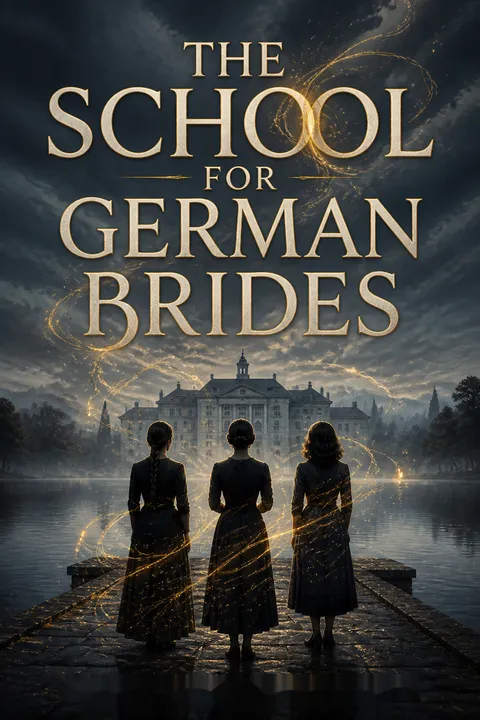
Hanna and Klara endure the Nazi bride school, a gilded prison where obedience is paramount. The curriculum is a mix of domestic training and ideological indoctrination, designed to erase individuality and foster loyalty to the regime. Hanna's spirit is battered but not broken; she finds small ways to resist, even as she is prepared for marriage to Friedrich. Klara, once rebellious, is subdued by psychological manipulation. The school is both a sanctuary from the chaos outside and a factory for producing the next generation of complicit wives. The women's friendships are strained, their futures mortgaged to the ambitions of others.
Deliverance in the Shadows
Tilde gives birth in hiding, aided by Hanna and Klara. The delivery is fraught with danger—guards patrol the grounds, and discovery means death. The women's courage and resourcefulness are tested as they improvise a safe haven for mother and child. Klara and Hanna risk everything to secure Tilde's escape, providing her with forged papers, money, and a plan. Their solidarity is a quiet act of resistance, a refusal to let the regime dictate every outcome. As Tilde flees into the night with her newborn, the cost of their choices becomes clear: survival is possible, but innocence is lost.
Sacrifice and Survival
Tilde's journey out of Germany is harrowing. She must navigate checkpoints, evade informers, and trust in the kindness of strangers. Her father, finally moved to act, provides the forged documents that allow her and her daughter to escape. The price is the severing of all ties—Tilde leaves behind her home, her past, and the memory of Samuel. Hanna, meanwhile, is forced into marriage with Friedrich, sacrificing her autonomy for the safety of those she loves. Klara's fate is uncertain; her acts of resistance place her in mortal danger. Each woman endures loss, but survival is its own form of victory.
The Final Choice
Hanna's wedding day is a reckoning. She learns the truth about her mother's death—betrayed by her own family for the sake of reputation. Aunt Charlotte's cold pragmatism is revealed: in the Reich, self-preservation trumps love or loyalty. Hanna submits to marriage, knowing it is the only way to protect herself and those she cares for. The ceremony is both an ending and a beginning—a surrender of self, but also a quiet act of endurance. Hanna's hope is that, like her mother's worry stone, she can weather the storm and emerge, if not unbroken, at least alive.
Aftermath and Reckoning
The war ends, but the scars remain. Hanna, widowed by Friedrich's death at the front, emigrates to America, where she rebuilds her life as a pediatrician. Tilde, too, finds refuge in New York, raising her daughter and forging a new identity. The women are haunted by memories—of those they lost, of the choices they made, of the friends who did not survive. Klara's fate is ambiguous, a casualty of resistance. The cost of survival is reckoned not just in lives, but in guilt, regret, and the struggle to find meaning after atrocity. Yet, in reunion, there is solace and the possibility of healing.
Reunion and Remembrance
Decades later, Hanna and Tilde reunite in America. Their lives have diverged—careers, families, new loves—but the past binds them. They remember Klara, whose courage and sacrifice saved them both. The legacy of the bride school, the regime, and their own complicity lingers. Yet, in their shared remembrance, there is a quiet triumph: they survived, bore witness, and reclaimed their voices. The worry stone, once a symbol of anxiety, becomes a token of endurance and hope. The story closes with a toast to friendship, resilience, and the memory of those lost—a testament to the power of women's solidarity in the darkest of times.
Analysis
The School for German Brides is a nuanced exploration of complicity, resistance, and survival in Nazi Germany, told through the intersecting lives of women on opposite sides of privilege. Aimie K. Runyan's narrative interrogates the ways ordinary people are swept up in history—sometimes as victims, sometimes as bystanders, sometimes as reluctant collaborators. The novel refuses easy moral binaries: Hanna's obedience is born of fear and exhaustion, Tilde's resistance is shaped by necessity and love, and Klara's fate is a tragic testament to the dangers of half-measures. The bride school, both a literal and symbolic setting, exposes the regime's manipulation of gender, motherhood, and domesticity as tools of control. Yet, the story is also about the quiet power of solidarity—how small acts of kindness, courage, and defiance can ripple outward, saving lives and preserving hope. The legacy of trauma is acknowledged, but so is the possibility of healing and new beginnings. Ultimately, the novel asks what it means to do good in a world gone mad, and whether survival itself can be an act of resistance.
Review Summary
The School for German Brides receives an overall positive reception, with readers praising its well-crafted characters and unique perspective on women's lives in Nazi Germany. Most reviewers appreciated the dual narratives of Hanna and Tilde, highlighting the stark contrast between their circumstances. Common criticisms include misleading title expectations, as the bride school doesn't appear until late in the book, and some readers found the pacing inconsistent and the ending rushed. Despite these flaws, many found it emotionally compelling and historically illuminating.
People Also Read




Characters
Hanna Rombauer
Hanna is a young woman uprooted by tragedy and thrust into the heart of Nazi Berlin. Orphaned and sent to live with ambitious relatives, she is shaped by loss, longing, and the relentless pressure to conform. Hanna's journey is one of gradual awakening: from passive obedience to subtle resistance. She is intelligent, sensitive, and deeply loyal, but her agency is constantly undermined by those who see her as a means to an end. Her engagement and eventual marriage to an SS officer are both a sacrifice and a survival strategy. Hanna's psychological arc is marked by grief, guilt, and the struggle to reconcile complicity with conscience. Her relationships—with Klara, Tilde, and her mother's memory—anchor her, and her eventual escape to America is both a liberation and a reckoning with the past.
Mathilde "Tilde" Altman
Tilde is a half-Jewish seamstress whose life is a daily negotiation with danger. Abandoned by her father and marked by her heritage, she survives through ingenuity, caution, and the ability to read people. Tilde's love for Samuel is a rare source of joy, but it is always shadowed by fear. Her psychological resilience is tested by betrayal, loss, and the constant threat of exposure. Tilde's journey is one of transformation: from cautious survivor to courageous mother willing to risk everything for her child. Her relationships—with her mother, Samuel, and later with Hanna and Klara—reveal her capacity for trust and solidarity, even in a world designed to isolate and destroy. Tilde's escape is a testament to her will, but the scars of survival linger.
Klara Schmidt
Klara is Hanna's friend and Tilde's student, a bridge between privilege and peril. Clever, talented, and socially adept, Klara is both a product and a critic of her environment. She navigates the expectations of her Nazi family with wit and pragmatism, but her ambitions are repeatedly thwarted by the regime's misogyny. Klara's psychological complexity lies in her oscillation between complicity and resistance—she helps Tilde at great risk, but is also broken by the system she cannot fully escape. Her fate is ambiguous, a casualty of her own courage. Klara embodies the tragedy of those who tried to do good within a corrupt system and paid the ultimate price.
Captain Friedrich Schroeder
Friedrich is an SS officer whose interest in Hanna is both personal and political. He is charming, ambitious, and ruthless—a man who embodies the seductive and destructive power of the Nazi state. Friedrich's relationship with Hanna is marked by control, manipulation, and violence. He is both a suitor and a captor, offering Hanna security at the price of her autonomy. Psychologically, Friedrich is a study in compartmentalization: capable of affection, but ultimately loyal only to the regime and his own advancement. His fate—death at the front—removes him as a threat, but his legacy haunts Hanna long after.
Samuel Eisenberg
Samuel is a Jewish instrument maker whose love for Tilde is a rare light in a dark world. He is kind, principled, and quietly courageous, but ultimately powerless against the machinery of persecution. Samuel's psychological arc is one of hope, despair, and sacrifice—he marries Tilde in defiance of the regime, but is driven to risk everything to find his family. His disappearance and presumed death are a devastating loss for Tilde, shaping her journey as a mother and survivor. Samuel represents the countless lives destroyed by hatred, but also the enduring power of love.
Aunt Charlotte
Aunt Charlotte is Hanna's guardian in Berlin, a woman whose warmth is always tinged with calculation. She is childless, channeling her maternal instincts into molding Hanna for social advancement. Charlotte is both a protector and a manipulator, her affection genuine but always subordinate to her ambitions. Psychologically, she is a product of her time—pragmatic, adaptable, and willing to sacrifice others for her own security. Her complicity in the regime is rationalized as necessity, and her betrayal of Hanna's mother is a chilling reminder of the cost of survival in a world without mercy.
Uncle Otto
Uncle Otto is the embodiment of patriarchal authority—rigid, demanding, and emotionally distant. He sees Hanna as an asset to be managed, her value measured by her obedience and marriage prospects. Otto's psychological rigidity is both a shield and a prison; he is incapable of empathy, viewing the world through the lens of duty and reputation. His role in the betrayal of Hanna's mother reveals the moral bankruptcy at the heart of the regime's supporters.
Hanna's Mother
Though absent for much of the narrative, Hanna's mother is a powerful presence—a healer, a skeptic of the regime, and a source of wisdom. Her death is both a personal tragedy and a symbol of the destruction wrought by conformity and betrayal. Psychologically, she represents the road not taken: a life of integrity, compassion, and resistance. Her memory, embodied in the worry stone, is Hanna's anchor and inspiration.
Tilde's Mother
Tilde's mother is a model of endurance and ingenuity, running the fabric shop and teaching Tilde the skills of survival. Her determination to escape, her resourcefulness, and her unwavering love shape Tilde's character. Her eventual emigration is a bittersweet victory, marked by separation and loss.
Klara's Mother
Klara's mother is a study in the internalization of the regime's values—obsessed with appearances, status, and obedience. Her relationship with Klara is fraught with criticism and conditional affection, driving Klara's insecurities and ambitions. Psychologically, she is both a victim and a perpetrator, her love warped by the demands of a society that values conformity above all.
Plot Devices
Dual Narratives and Intersecting Fates
The novel employs a dual narrative structure, alternating between Hanna and Tilde's perspectives. This device allows the reader to experience the Nazi regime from both the inside (privileged, complicit) and the margins (persecuted, resisting). Their stories intersect at key moments—through Klara, the bride school, and the clandestine birth—highlighting the ways women's lives are shaped by, and shape, history. The structure underscores the theme that survival and resistance are collective as well as individual acts.
Foreshadowing and Symbolism
Recurring symbols—the worry stone, sewing, and the rituals of motherhood—anchor the narrative. The worry stone, a gift from Hanna's mother, represents resilience, memory, and the struggle to smooth life's jagged edges. Sewing is both Tilde's livelihood and her means of escape, a metaphor for the ways women stitch together survival from scraps. Motherhood is idealized, weaponized, and ultimately reclaimed as an act of love and defiance. Foreshadowing is used to build tension—Kristallnacht, the bride school, and the regime's escalating violence are all presaged by subtle shifts in atmosphere and character behavior.
Social Hierarchy and Surveillance
The novel meticulously depicts the social hierarchies of Nazi Berlin—who is watched, who is protected, who is expendable. Surveillance is both literal (guards, informers) and psychological (family, friends, self-policing). The constant threat of exposure shapes every decision, fostering mistrust and complicity. The bride school is a microcosm of the regime: a place where women are remade to serve the state, and where deviation is punished. The device of informers and betrayals heightens suspense and underscores the moral ambiguity of survival.
Epistolary and Retrospective Framing
The narrative is framed by retrospective scenes—reunions in America, reflections on the past—that allow for both closure and ambiguity. Letters, photographs, and keepsakes (like the worry stone) serve as tangible links between past and present, memory and identity. This device enables the novel to explore the long-term consequences of trauma, the possibility of healing, and the importance of bearing witness.
Download PDF
Download EPUB
.epub digital book format is ideal for reading ebooks on phones, tablets, and e-readers.








































