
Plot Summary
Cold Strings, Warm Memories
Isabeau Laurent, a gifted cellist, returns to London after years away, her heart heavy with regret and longing. The city's music and memories of her former guardian, Laszlo Valmary, echo in every step. She arrives at the Mayhew Concert Hall, intent on apologizing to Laszlo, the man who raised her from childhood and shaped her as a musician. Instead, she's swept into the chaos of orchestra auditions, her presence unexpected and her emotions raw. The grandeur of the hall and the familiar faces stir up a storm of nostalgia and anxiety. Isabeau's journey is not just about music, but about facing the man she left behind, the mistakes she made, and the love she's never been able to silence.
Reunion at the Mayhew
Laszlo, now a celebrated conductor, is caught off guard by Isabeau's sudden appearance. Their reunion is fraught with unresolved pain and unspoken words. Laszlo's professional façade barely conceals the turmoil within—regret, longing, and the ache of lost years. Isabeau auditions, not for a place in the orchestra, but to communicate through music what she cannot say aloud. Their shared piece, Vocalise, becomes a vessel for sorrow and apology. The music bridges the chasm between them, but the wounds of the past remain. Laszlo's decision to invite Isabeau to his home signals a tentative hope for reconciliation, even as both struggle with the boundaries of their relationship.
A Child's Song in the Street
Thirteen years earlier, Laszlo stumbles upon a young Isabeau playing cello on a London street. Her raw talent and vulnerability move him deeply. He learns of her troubled home life—her mother dead, her father addicted and incapacitated. Driven by a mix of compassion and musical ambition, Laszlo intervenes, offering Isabeau a new life. He negotiates with her father, promising safety, education, and the nurturing of her gift. This pivotal moment sets the foundation for their complex bond: Laszlo as protector and mentor, Isabeau as the protégé whose music and spirit will transform both their lives.
Guardian's Choice
Isabeau's transition to Laszlo's home is both bewildering and magical. She is enveloped in a world of music, discipline, and gentle care. Laszlo's house is filled with instruments, stories, and the promise of safety. He listens to her play, corrects her technique, and introduces her to the rituals of practice and performance. For the first time, Isabeau feels seen and valued. Yet, the silence of her new home is unsettling, a stark contrast to the chaos she left behind. Laszlo's presence becomes her anchor, and music their shared language. The seeds of devotion and dependence are sown, shaping the years to come.
Lessons in Safety
As Isabeau settles into her new life, Laszlo's strictness and high expectations become a source of comfort. He provides structure, encouragement, and gentle correction, fostering her growth as a musician and a person. Isabeau thrives under his guidance, her talent blossoming. She learns the etiquette of orchestras, the discipline of practice, and the joy of collaboration. Their bond deepens, marked by mutual respect and unspoken affection. Yet, beneath the surface, Isabeau's longing for belonging and Laszlo's protective instincts intertwine, creating a dynamic that is both nurturing and fraught with future complications.
Becoming Protégé
Isabeau's fourteenth birthday marks a turning point. Laszlo gifts her her mother's cello, symbolizing her coming of age as a musician. He orchestrates her debut with his orchestra, choosing The Swan as her solo piece. The performance is a triumph, cementing Isabeau's place in the musical world and in Laszlo's heart. Their collaboration is seamless, their understanding intuitive. Isabeau's identity as Laszlo's protégé becomes central to her sense of self. Yet, as she matures, the boundaries of their relationship begin to blur, and new, more complicated feelings stir beneath the surface.
The Swan's Debut
Isabeau's debut at the Mayhew is a night of joy and pride. Laszlo's orchestra, her pink dress, and the applause of the audience create a memory she will cherish forever. But the night is also tinged with longing—for her absent father, for the mother she lost, and for a future she cannot yet name. Laszlo's pride is palpable, but so is his growing awareness of Isabeau's transformation from child to young woman. The performance is a celebration, but also a harbinger of the emotional complexities that will soon test their bond.
Unspoken Desires
As Isabeau enters her late teens, the dynamic between her and Laszlo shifts. Their musical partnership is as strong as ever, but new feelings—desire, confusion, and yearning—begin to surface. Isabeau's devotion to Laszlo deepens, taking on a romantic and submissive hue. Laszlo, for his part, is tormented by guilt and longing, struggling to reconcile his paternal role with his growing attraction. Their shared performances, especially of Vocalise, become charged with emotion. The unspoken tension builds, setting the stage for a confrontation that will shatter their carefully constructed world.
The Rift and the Run
On the night of her eighteenth birthday, Isabeau's feelings for Laszlo erupt into action. She kisses him, calling him "daddy," and seeks his touch. Laszlo, overwhelmed by guilt and fear, rejects her harshly. The rejection devastates Isabeau, who flees his home in shame and heartbreak. Their bond, once unbreakable, is severed. Isabeau's world collapses, and she seeks refuge with a friend, haunted by the loss of the man who was everything to her. Laszlo, left alone, is consumed by regret and self-recrimination, unsure if he will ever see his protégé again.
Return to the Maestro
Three years pass. Isabeau's career stalls, her music hollow without Laszlo's guidance. She returns to London, desperate for direction and the sense of safety she once found in his presence. Their reunion is fraught with tension, but also hope. Isabeau confesses her need for Laszlo's mentorship—not just as a conductor, but as the source of the structure and discipline that once made her thrive. She asks to be his protégé again, this time with full awareness of the emotional and sexual undercurrents between them. Laszlo, after initial hesitation, agrees, setting new boundaries and expectations.
Tour of Longing
Isabeau joins Laszlo's orchestra on a demanding tour of Southeast Asia. The proximity reignites their mutual longing, and the strict mentor-protégé dynamic becomes a source of both comfort and erotic tension. Laszlo's authority and Isabeau's submission find new expression, blending musical discipline with elements of dominance and submission. Their private rituals—spankings, praise, and obedience—become a way for Isabeau to manage her anxiety and for Laszlo to channel his desire. The tour is a crucible, testing their ability to balance professional demands with the intensity of their personal connection.
Boundaries and Beginnings
The boundaries between Laszlo and Isabeau dissolve as they give in to their desires. Their relationship becomes explicitly sexual, marked by trust, vulnerability, and the thrill of transgression. Isabeau embraces her role as Laszlo's submissive, finding liberation in his control. Laszlo, in turn, discovers fulfillment in guiding and cherishing her. Their intimacy is both tender and fierce, rooted in years of shared history and mutual need. Yet, the outside world—gossip, professional risks, and unresolved family pain—threatens to intrude, forcing them to confront the consequences of their choices.
Music and Submission
As the tour progresses, Isabeau and Laszlo's relationship deepens. Their private world of music and submission becomes a sanctuary, a place where they can be fully themselves. Isabeau's playing flourishes, infused with newfound confidence and authenticity. Laszlo's leadership is both strict and nurturing, drawing out the best in her. Together, they explore the limits of trust, pleasure, and vulnerability. Their love, once forbidden and fraught, becomes a source of strength. But the past still casts a shadow, and the truth about Isabeau's father and Laszlo's secrets must be faced before they can truly move forward.
The Past Unveiled
News of Isabeau's father's impending death brings her back to London, forcing her to confront the unresolved pain of her childhood. Laszlo reveals the existence of years of letters exchanged with her father—letters that chronicled Isabeau's life, her achievements, and her happiness. Through these letters, Isabeau learns that her father tried, in his own flawed way, to stay connected and to heal. The revelation brings both grief and closure, allowing Isabeau to forgive and to understand the choices that shaped her life. Laszlo's role as protector and confidant is reaffirmed, but now with honesty and transparency.
Letters and Regrets
Isabeau is overwhelmed by the weight of regret—for the years lost with her father, for the pain she caused, and for the misunderstandings that kept her and Laszlo apart. She reads Laszlo's final letter to her father, a raw confession of love and guilt. The letter lays bare Laszlo's deepest fears: that his love for Isabeau was selfish, that he failed both her and her father. Isabeau realizes that forgiveness must extend to herself as well as to the men who shaped her life. The act of reading and understanding these letters becomes a turning point, opening the way for healing and reconciliation.
Forgiveness in Harmony
With the truth revealed, Isabeau seeks out Laszlo, determined to bridge the final gap between them. In a public, symbolic gesture, she reads his letter aloud before the orchestra, laying bare their shared history and pain. Laszlo, moved and unburdened, confesses his enduring love and asks for her forgiveness. Their reunion is met with acceptance and even celebration by those who matter most. The music that once separated them now unites them, and the wounds of the past are transformed into the foundation of a new, honest love.
The Proposal's Crescendo
Laszlo proposes to Isabeau, offering her not just his love, but a partnership built on truth, respect, and shared passion. The proposal is both a personal and professional union—Isabeau as his wife, his soloist, his equal. Their engagement is a public affirmation of their journey, a declaration that they have earned their happiness through struggle and growth. The orchestra, once a backdrop to their private drama, becomes a chorus of support. The music swells, and the story reaches its emotional peak—a crescendo of love, forgiveness, and hope.
Homecoming and New Beginnings
Isabeau and Laszlo marry, forging a new life together in London and abroad. Their home is filled with music, laughter, and the echoes of the past. Isabeau's career as a soloist flourishes, supported by Laszlo's unwavering belief in her talent. Laszlo, in turn, finds renewed purpose and joy in his work and in their partnership. Together, they navigate the challenges of public scrutiny, professional ambition, and personal healing. Their love, once taboo and fraught, becomes a testament to the power of forgiveness, the necessity of truth, and the enduring magic of music.
Analysis
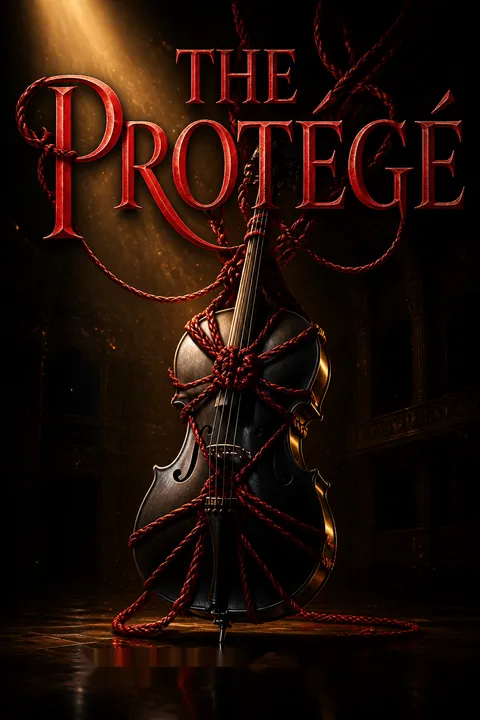
Brianna Hale's The Protégé is a bold, emotionally charged exploration of love, power, and healing set against the backdrop of the classical music world. At its core, the novel is about the search for belonging and the courage to claim happiness in the face of loss, guilt, and societal judgment. Through the intertwined journeys of Isabeau and Laszlo, Hale examines the complexities of mentorship, the boundaries of desire, and the redemptive potential of vulnerability. The narrative's dual timeline structure allows for a rich, layered portrayal of growth and forgiveness, while the use of music as both metaphor and medium elevates the story to a universal plane. The novel does not shy away from taboo or discomfort, instead inviting readers to consider the ways in which love can be both fraught and transformative. Ultimately, The Protégé is a testament to the power of truth, the necessity of forgiveness, and the enduring magic of art to heal and unite. Its lessons are clear: happiness must be earned through honesty, courage, and the willingness to face the past; love, in all its forms, is worth fighting for.
Review Summary
The Protégé is a steamy age-gap romance between a conductor and his former ward. Readers praised the well-researched musical setting, emotional depth, and authentic characters. Many found the taboo relationship compelling, though some were uncomfortable with the power dynamics. The slow-burn romance and BDSM elements received mixed reactions. Overall, reviewers appreciated the author's writing style and character development, making it an engaging read for those who enjoy forbidden love stories with a classical music backdrop.
People Also Read


Characters
Isabeau Laurent
Isabeau is the emotional heart of the story—a prodigy whose childhood is marked by loss, instability, and longing. Orphaned by her mother's death and neglected by her addicted father, she is rescued by Laszlo, who becomes her guardian, mentor, and eventually, the object of her deepest desires. Isabeau's journey is one of self-discovery, as she navigates the complexities of love, submission, and artistic identity. Her devotion to Laszlo is both her strength and her vulnerability. She craves structure, praise, and the safety of his authority, finding in submission a path to healing and authenticity. Isabeau's development is marked by courage—facing her past, claiming her desires, and ultimately, forging a life of her own making.
Laszlo Valmary
Laszlo is a man of discipline, passion, and deep-seated guilt. A musical prodigy turned conductor, he is both revered and feared in the classical music world. His rescue of Isabeau is driven by compassion, but also by a need to nurture and control. As Isabeau matures, Laszlo's feelings shift from paternal to romantic, plunging him into a crisis of conscience. He is tormented by the fear of abusing his power, yet unable to deny his longing. Laszlo's strictness is both a shield and a gift, providing Isabeau with the structure she craves. His journey is one of self-forgiveness, as he learns to accept love, embrace vulnerability, and trust in the redemptive power of truth.
Piers Laurent
Piers is a shadowy figure, defined by pain, addiction, and regret. His inability to care for Isabeau sets the story in motion, yet his love for her endures in hidden ways. Through years of correspondence with Laszlo, Piers remains connected to his daughter's life, even as he fails to overcome his demons. His death forces Isabeau to confront the complexities of forgiveness and the limits of love. Piers embodies the story's themes of loss, redemption, and the enduring impact of parental choices.
Marcus Sabol
Marcus is Laszlo's right hand in the orchestra—a seasoned violinist whose energy and warmth provide balance to Laszlo's severity. He serves as a mentor to Isabeau and a confidant to Laszlo, often mediating tensions and offering perspective. Marcus represents the supportive community that surrounds the protagonists, reminding them that music is a collective endeavor. His presence underscores the importance of friendship, loyalty, and the quiet ways in which people help each other heal.
Hayley Chiswell
Hayley is Isabeau's closest friend and musical peer. Her success as a soloist and her pragmatic outlook provide a counterpoint to Isabeau's emotional intensity. Hayley offers support, advice, and a safe haven during Isabeau's darkest moments. She is unafraid to challenge Isabeau, urging her to pursue happiness and confront difficult truths. Hayley's role highlights the necessity of female friendship and the value of honest counsel.
Domenica
Domenica is the leader of the cello section in Laszlo's orchestra. She welcomes Isabeau, guiding her through the intricacies of professional performance and ensemble dynamics. Domenica's mentorship is practical and kind, helping Isabeau find her place among seasoned musicians. Her presence reinforces the story's themes of growth, adaptation, and the importance of supportive colleagues.
The Unnamed Violist
The violist represents the skepticism and jealousy that Isabeau faces as a young, favored newcomer. Her initial hostility and later reconciliation mirror Isabeau's journey from insecurity to confidence. The violist's actions—spreading gossip, then making amends—underscore the challenges of navigating professional hierarchies and the necessity of forgiveness.
Isabeau's Mother
Though deceased, Isabeau's mother is a constant presence in the narrative. Her cello, her memory, and her love of music shape Isabeau's identity and aspirations. The loss of her mother is the original wound that drives Isabeau's search for connection and meaning. Her legacy is both a burden and a gift, inspiring Isabeau to pursue greatness and to heal.
Evangeline Bell
Evangeline appears in the epilogue as the biographer who documents Isabeau and Laszlo's story. Her perspective offers an outsider's view, framing their relationship within the broader context of public scrutiny and artistic achievement. Evangeline's role is to bear witness, to ask difficult questions, and to affirm the legitimacy of Isabeau and Laszlo's hard-won happiness.
The Orchestra
The orchestra is more than a backdrop—it is a living, breathing entity that shapes and is shaped by the protagonists. Its members reflect the diversity of human experience: ambition, rivalry, camaraderie, and resilience. The orchestra's acceptance of Isabeau and Laszlo's relationship signals a broader message of tolerance and the transformative power of art.
Plot Devices
Dual Timeline Structure
The narrative weaves between Isabeau's childhood and her adult return, allowing readers to witness the evolution of her relationship with Laszlo. This structure builds suspense, deepens emotional resonance, and highlights the enduring impact of formative experiences. The gradual revelation of key events—Isabeau's rescue, her debut, the forbidden kiss, the years of separation—creates a tapestry of memory and longing that enriches the central love story.
Music as Emotional Language
Throughout the novel, music serves as the primary means of communication between Isabeau and Laszlo. Their performances—especially of pieces like Vocalise and The Swan—become vehicles for apology, desire, and reconciliation. The cello's voice mirrors Isabeau's inner world, while Laszlo's conducting shapes and responds to her emotions. This device elevates the narrative, transforming personal drama into universal themes of expression, connection, and healing.
Letters and Hidden Correspondence
The discovery of years of letters between Laszlo and Isabeau's father is a pivotal plot device. These letters provide insight into the characters' motivations, regrets, and hopes. They bridge the gap between past and present, allowing Isabeau to understand the sacrifices and failures that shaped her life. The act of reading and sharing these letters becomes a ritual of forgiveness, enabling the protagonists to move beyond guilt and secrecy.
Dominance and Submission
The erotic and psychological elements of dominance and submission are central to Isabeau and Laszlo's relationship. Their rituals—spankings, praise, obedience—are not merely sexual, but serve as mechanisms for healing, trust, and self-discovery. This device challenges conventional notions of power, highlighting the ways in which vulnerability and control can coexist. The negotiation of boundaries and consent is depicted with nuance, emphasizing the importance of mutual respect and understanding.
Public vs. Private Identity
The tension between public perception and private truth is a recurring motif. Isabeau and Laszlo must contend with gossip, professional risks, and societal judgment. Their decision to make their relationship public—culminating in a proposal before the orchestra—serves as a declaration of authenticity and a rejection of shame. This device underscores the courage required to live openly and the rewards of embracing one's true self.
Download PDF
Download EPUB
.epub digital book format is ideal for reading ebooks on phones, tablets, and e-readers.








































