
Plot Summary
Two Families, Two Worlds
Kate Foley and David Campbell grow up in Northern Ireland, their lives shaped by the Troubles. Kate's family is Catholic, working-class, and marked by her mother's activism and wrongful imprisonment. David's is Protestant, privileged, and dominated by his father's rigid, judgmental authority as a church minister. Both feel trapped by their families' expectations and the invisible walls of sectarianism. Their early adulthood is marked by responsibility—Kate caring for her family, David rebelling against his father's plans for him. Their worlds are close geographically but separated by history, politics, and pain, each longing for escape and a sense of belonging.
Bombs, Balloons, and Fate
On a sunny August afternoon, Kate takes her niece Shannon to town for a birthday treat. David, working at the local shop, notices Kate and feels a spark of recognition. Suddenly, a bomb explodes in the crowded street, shattering lives and bodies. In the chaos, Kate and David find each other, sheltering with Shannon in a doorway. Kate's nursing instincts and David's steadiness help them survive the horror. Their hands, bloodied and trembling, cling together as they wait for rescue. In those moments, a promise is made: to find each other again, to not let this trauma define them, and to hold on to hope.
Aftermath and Unspoken Promises
The bombing leaves deep scars—physical, emotional, and communal. Kate's leg is shattered; David's arm is torn. Both are haunted by nightmares and guilt. Their brief connection is severed by circumstance and silence. Kate tries to visit David, but his father's prejudice and fear of scandal drive her away. David, too, searches for Kate, but is blocked by his father's secrets and his own anger. Both drift through recovery, relationships, and careers, carrying the memory of that day and the unfulfilled promise to reconnect. The trauma isolates them, but also shapes their resilience and empathy.
Ten Years On: Ghosts and Growth
A decade later, Kate is a nurse in Dublin, building a new life but still shadowed by the past. David, now a teacher in England, is engaged to Lesley but feels restless and unmoored. Both are drawn back to their hometown for the bombing's ten-year memorial. The event is a crucible of memory and grief, bringing together survivors, families, and the ghosts of those lost. Kate and David, each changed but still carrying the same ache, wonder if fate will give them another chance to fulfill their promise.
Missed Connections, Old Wounds
At the memorial, Kate and David finally meet again. The connection is instant, electric, but complicated by years of silence, misunderstandings, and the weight of their families' histories. David's father's bigotry and Kate's family's trauma threaten to keep them apart. Both struggle with loyalty—to family, to community, to the people they've become. Their conversations are charged with longing and regret, as they realize how much they've missed and how much they still want from each other.
Reunion at the Memorial
Their reunion is bittersweet. They share memories, pain, and the truth about the day that changed everything. Both admit to searching for each other, to feeling incomplete without the other's presence. The barriers between them—religion, class, family expectations—are acknowledged but momentarily set aside. They exchange contact information, vowing to stay in touch and see where this renewed connection might lead. The promise made in blood and fear years ago is revived, fragile but alive.
Crossing Lines, Crossing Hearts
Kate and David's friendship grows through emails, calls, and stolen visits. Their bond, forged in trauma, becomes a lifeline as they navigate careers, relationships, and the lingering effects of the bombing. Both are drawn to each other, but fear the consequences—David is engaged, Kate is wary of repeating old patterns. Their emotional intimacy intensifies, blurring the lines between friendship and love. The past and present collide, forcing them to confront what they truly want and what they're willing to risk.
Secrets, Distance, and Desire
As their feelings deepen, so do the complications. David's engagement to Lesley becomes a source of guilt and confusion. Kate's loyalty to her family and her own sense of self-preservation make her hesitant to fully commit. Both struggle with secrets—David hides the extent of his feelings from Lesley, Kate keeps their relationship from her family. The distance between them, both physical and emotional, becomes a crucible for longing and frustration. Their love is real, but so are the obstacles.
Choices and Consequences
A series of crises force Kate and David to make hard choices. David calls off his wedding, unable to deny his love for Kate. The fallout is painful—Lesley is devastated, David's father disowns him, and Kate's family is wary. They try to build a life together, but the shadows of the past—family feuds, community threats, and unresolved trauma—loom large. Both must decide what they're willing to sacrifice for love, and whether the promise they made can survive the realities of their world.
Weddings, Losses, and Letting Go
Kate and David's relationship is tested by external pressures and internal doubts. They plan a future—marriage, a home, a family—but are repeatedly confronted by loss and grief. David's mother's illness, Kate's father's death under suspicious circumstances, and the ever-present threat of violence in their hometown strain their bond. Both are forced to confront their own limitations and the cost of loving across boundaries. Letting go—of anger, of guilt, of the need to fix everything—becomes essential for healing.
New Beginnings, Old Shadows
Despite setbacks, Kate and David find moments of peace and happiness. They move to England, buy a home, and begin to imagine a future together. Kate's work with trauma victims and David's teaching become sources of purpose and pride. Yet, the past is never far away—family struggles, community tensions, and the scars of violence linger. Both must learn to balance the need for safety with the desire for connection, and to accept that healing is a lifelong process.
Coming Home, Coming Clean
Kate and David return to their hometown to announce their engagement, confronting their families and the ghosts of their shared history. The meetings are fraught—David's father issues an ultimatum, Kate's family is divided, and old enemies resurface. Through honesty, courage, and the support of those who love them, they begin to break the cycle of silence and shame. The act of coming home and coming clean becomes a turning point, allowing them to claim their love openly and without apology.
Love, Trauma, and Healing
Kate channels her experiences into advocacy, founding a charity for trauma survivors. David supports her, even as he battles his own demons. Together, they learn that healing is not about erasing the past, but about integrating it into a new story—one of resilience, compassion, and hope. Their relationship becomes a testament to the power of love to transform pain, and to the possibility of building something beautiful from the ashes of tragedy.
Full Circle: The Promise Kept
Years later, Kate and David are parents, raising their daughter Hope with the lessons of their past. On the anniversary of the bombing, they return to the place where it all began, honoring the memory of those lost and the promise they made to each other. Surrounded by family, friends, and the community that shaped them, they reflect on how far they've come. Their love, tested by time and trauma, endures—not as a fairy tale, but as a hard-won, living promise. The story ends with hope, not just for them, but for a future where difference is no longer a threat, and love is stronger than fear.
Analysis
Emma Heatherington's The Promise is a sweeping, emotionally charged exploration of trauma, love, and reconciliation in post-Troubles Northern Ireland. At its core, the novel asks whether it is possible to build a future unburdened by the divisions of the past. Through the intertwined lives of Kate and David, Heatherington examines the ways in which personal and collective histories shape identity, relationships, and the capacity for healing. The story is unflinching in its portrayal of pain—physical, emotional, and societal—but it is also deeply hopeful, insisting that difference need not be a threat and that love, though hard-won, can bridge even the deepest divides. The novel's use of dual perspectives, rich symbolism, and a narrative structure that mirrors the cycles of trauma and recovery invites readers to empathize with both sides of a fractured community. Ultimately, The Promise is a testament to the resilience of the human spirit, the necessity of confronting rather than fleeing from pain, and the transformative power of keeping faith—with oneself, with others, and with the possibility of peace.
Review Summary
The Promise is a deeply emotional love story set against the backdrop of The Troubles in Northern Ireland, earning an overall rating of 3.97/5. Most readers were moved by the compelling connection between Kate and David, praising the dual perspectives, well-paced storytelling, and sensitive handling of trauma and religious divide. Many found it a gripping, tear-jerking page-turner with a satisfying ending. A minority of reviewers found the dialogue repetitive and the romance predictable.
People Also Read

Characters
Kate Foley
Kate is the emotional heart of the story—a woman shaped by trauma, responsibility, and a fierce love for her family. Her mother's wrongful imprisonment and her own experience in the bombing forge her into a caretaker and advocate, but also leave her with deep wounds. Kate's journey is one of learning to balance loyalty to others with self-care, and to transform pain into purpose. Her relationship with David is both a source of healing and a crucible for her fears about difference, loyalty, and belonging. Kate's growth is marked by increasing self-awareness, courage, and the ability to forgive—not just others, but herself.
David Campbell
David is caught between the expectations of his privileged, Protestant upbringing and his own longing for authenticity and connection. His father's authoritarianism and the trauma of the bombing leave him restless and searching. David's relationship with Kate is transformative, forcing him to confront his own prejudices, fears, and vulnerabilities. He struggles with guilt, anger, and the need to prove himself, but ultimately finds purpose in teaching and in loving Kate. His journey is one of breaking free from inherited scripts and learning to build a life on his own terms.
Annie Foley (Kate's Mother)
Annie is a complex figure—strong-willed, principled, and deeply wounded by her imprisonment and the betrayals of her community. Her activism inspires Kate, but her trauma also casts a long shadow over the family. Annie's journey is one of learning to accept help, to forgive herself, and to support her children's choices, even when they challenge her own beliefs. Her relationship with Kate is both a source of strength and a site of tension, as both women navigate the legacy of the past.
Reverend Bob Campbell (David's Father)
Bob embodies the old divisions of Northern Ireland—authoritarian, judgmental, and obsessed with reputation. His inability to accept difference or vulnerability drives a wedge between him and David, and his actions have far-reaching consequences for both families. Yet, he is also a man shaped by his own fears and disappointments, and his eventual softening hints at the possibility of change, even late in life. His relationship with David is a study in the pain of unmet expectations and the cost of pride.
Maureen (Kate's Sister)
Maureen is Kate's older sister, marked by her own struggles with self-worth, relationships, and motherhood. Her vulnerability makes her susceptible to toxic men like Sean McGee, but her love for her daughter Shannon and her bond with Kate are sources of resilience. Maureen's journey is one of learning to stand up for herself and to break free from cycles of abuse and dependence.
Shannon
Shannon, Kate's niece, is a child at the center of the bombing and its aftermath. Her innocence and resilience become a touchstone for the family, and her growth into a young woman mirrors the community's journey from trauma to healing. Shannon's questions, creativity, and eventual independence are reminders of what is at stake—and what is possible—for the next generation.
Lesley
Lesley represents the life David might have had—safe, conventional, and approved by his family. Her relationship with David is marked by affection but also by a lack of true connection. The end of their engagement is painful for all involved, highlighting the cost of honesty and the difficulty of breaking free from expectations.
Sean McGee
Sean is Maureen's ex and Shannon's father, a figure who represents the lingering dangers of the old order—violence, intimidation, and the abuse of power. His presence is a constant threat to the family's safety and autonomy, and his actions have devastating consequences. Sean's character is a reminder that the past is never fully past, and that healing requires confronting—not just escaping—old wounds.
Martha Campbell (David's Mother)
Martha is a counterpoint to her husband's rigidity—kind, supportive, and quietly courageous. Her illness and recovery are sources of both pain and inspiration for David and Kate. Martha's ability to accept and love across boundaries is a model for reconciliation and hope.
Hope Foley-Campbell
Hope, the daughter of Kate and David, is both a literal and symbolic fulfillment of the promise made years before. Her presence is a testament to survival, resilience, and the possibility of a future unburdened by the divisions of the past. Through her, the story comes full circle, offering a vision of healing that is both personal and communal.
Plot Devices
Dual Narrative Structure
The novel employs a dual narrative, alternating between Kate and David's points of view. This structure allows readers to inhabit both worlds—Catholic and Protestant, female and male, victim and survivor. The shifting perspectives create dramatic irony, as readers know more than the characters about their feelings and struggles, heightening emotional engagement and suspense.
Trauma as Catalyst and Obstacle
The bombing is both the event that brings Kate and David together and the source of their deepest wounds. Trauma is depicted not just as a personal affliction, but as a communal and generational legacy. The characters' efforts to heal—through therapy, advocacy, and love—are central to the plot, but trauma also creates barriers to intimacy and trust.
Missed Connections and Near Misses
The story is structured around a series of missed connections—letters undelivered, visits thwarted, words left unsaid. These near misses create a sense of longing and inevitability, as if fate is both conspiring for and against the lovers. The motif of promises—made, broken, and kept—underscores the tension between agency and destiny.
Symbolism of Balloons, Doors, and Hands
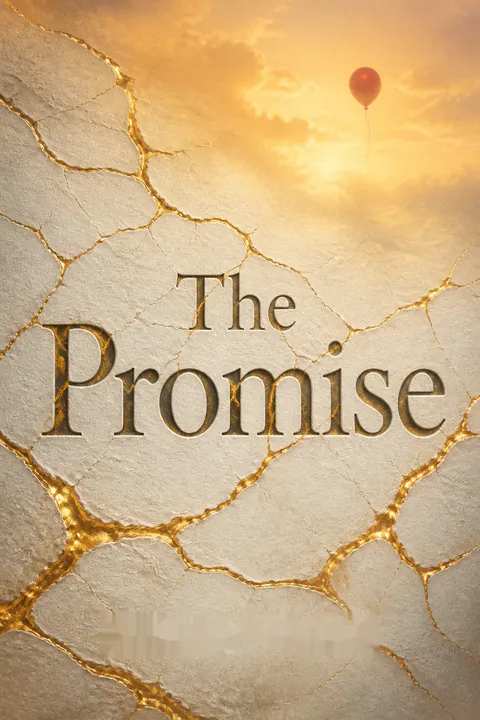
Recurring symbols—Shannon's balloon, the doorway where Kate and David sheltered, the act of holding hands—serve as emotional touchstones throughout the novel. These objects and gestures represent innocence, safety, and connection, grounding the characters' experiences in tangible moments that echo across time.
Intergenerational Conflict and Reconciliation
The struggles between parents and children, especially between David and his father and Kate and her mother, mirror the larger conflicts of Northern Ireland. The process of breaking cycles—of silence, shame, and prejudice—is depicted as both painful and necessary for healing. The eventual softening of the older generation hints at the possibility of change, even in deeply entrenched systems.
Foreshadowing and Circularity
The narrative is rich with foreshadowing—dreams, warnings, and repeated phrases that hint at future events. The story's structure is circular, returning to the site of the bombing and the promise made there. This circularity reinforces the themes of legacy, memory, and the enduring power of love.
Download PDF
Download EPUB
.epub digital book format is ideal for reading ebooks on phones, tablets, and e-readers.








































