
Summary Unavailable
This book is not suitable for a summary (it may be a textbook, workbook, cookbook, reference book, or collection). However, you can still explore the FAQs, about author, and other metadata below!
Plot Summary
Ghosts Beneath the Willow
Kai, haunted by the past, seeks solace beneath the willow tree where his sister Ava is buried. The ritual of remembrance, sticky bun in hand, is a rare moment of peace in a life defined by violence and duty. The castle is silent, but Kai's mind is loud with regret and longing for what was lost—childhood, family, and the boy he used to be. The maternal warmth of Gail, the cook who raised him, is a bittersweet comfort. The world outside is dangerous, but inside, Kai is tormented by the ghosts of those he failed to save and the monster he's become. The willow is both sanctuary and grave, a symbol of love and the cost of power.
Blood, Betrayal, and Blades
Paedyn, battered and alone, returns to her childhood home, haunted by memories and the trauma of recent violence. She is hunted by the kingdom for killing the king, and by Kai, the boy she once loved, now her relentless pursuer. Her father's journal, hidden beneath the floorboards, is a legacy of resistance and truth. As Imperials storm her home, Paedyn hides in the chimney, claustrophobia and blood memories threatening to overwhelm her. Kai, now the Enforcer, is both executioner and ghost from her past. Their cat-and-mouse game is laced with longing, rage, and the ache of betrayal.
Ashes and Aftermath
Kai burns Paedyn's home to flush her out, torn between duty and the remnants of his feelings. Paedyn escapes across rooftops, wounded by Kai's thrown knife, forced to kill to survive. Both are haunted by the blood on their hands—Kai by the bodies he buries for her, Paedyn by the lives she takes. Their connection is a wound that refuses to heal, each encounter a test of whether love or hate will win. The city is a labyrinth of danger, and the desert beyond promises only more suffering.
Brothers and Broken Orders
Kai and his brother Kitt, now king, are divided by grief and the shadow of their father. Kitt's paranoia and Kai's history of disobedience threaten to unravel their bond. The new king is haunted, isolated, and uncertain, while Kai is tasked with bringing Paedyn back—alive, but not necessarily unharmed. Their conversation is a dance of accusation and denial, both men lying to themselves about their feelings for Paedyn and the cost of their choices. The kingdom is unstable, and the future is uncertain.
Desert of Despair
Paedyn flees into the Scorches, the desert a crucible of pain and memory. Dehydrated, wounded, and alone, she is tormented by mirages and the ghosts of those she's lost. Each step is a battle against death, her promise to Adena—her murdered friend—her only anchor. Kai pursues, haunted by dreams of blood and guilt, his men as lost as he is. The desert strips them both to their core, revealing the raw, desperate will to survive and the thin line between hope and surrender.
Mirage and Memory
Paedyn collapses at the edge of Dor, saved by a guard who quickly turns from rescuer to captor when he recognizes her as the infamous Silver Savior. Forced to kill again, Paedyn is sickened by what she's become. Kai, always a step behind, finds only bodies and blood, his pursuit as much about understanding her as capturing her. In Dor, Paedyn must hide in plain sight, her silver hair a beacon of danger. The city is a new kind of prison, and her reputation precedes her.
Chains and Choices
To survive, Paedyn enters illegal cage matches, hiding her identity as "Shadow." Kai, drawn to her even as he hunts her, finds her in the ring. Their reunion is violent, charged with unresolved passion and pain. Forced to fight each other, they make a desperate bargain—if Paedyn wins, she goes free; if Kai wins, she returns to Ilya. Their battle is both physical and emotional, a culmination of everything they've lost and everything they still want from each other. In the aftermath, chained together, they must navigate escape, trust, and the dangerous intimacy of shared vulnerability.
Sanctuary of Souls
Their journey back to Ilya takes them through the Sanctuary of Souls, a graveyard of the past and a gauntlet of present danger. Ambushed by bandits, Paedyn is forced to kill again and again, each death a blow to her soul. Kai, wounded and helpless, can only watch as she becomes what she fears. The sanctuary is both literal and metaphorical—a place where the dead are honored, and the living are tested. Their bond is forged in blood and necessity, but the cost is high.
The Thief's New Game
Paedyn is rescued by old friends from the Resistance, who now hide among the "Mixes"—children of Elites and Ordinaries, outcasts with partial powers. The truth of Ilya's cruelty is laid bare, and the Resistance is in ruins. Kai, now a prisoner, is forced to confront the consequences of his loyalty and the lies he's been told. Paedyn's father's journal, discovered at last, holds secrets that could change everything about the kingdom's history and the supposed "disease" of the Ordinaries. The lines between enemy and ally blur as survival demands new bargains.
Pretend Lovers, Real Enemies
On the run, Paedyn and Kai must pose as lovers to evade capture, their act blurring into reality as old feelings resurface. Each touch, each kiss, is both a weapon and a wound. The chain that binds them is both literal and symbolic, forcing them to confront what they mean to each other. In moments of stolen intimacy—dancing, bathing, sharing secrets—they find a fragile peace, but the threat of betrayal and the demands of duty loom ever larger.
Dances in the Dark
As they near Ilya, the truth of their feelings can no longer be denied. Kai confesses his love, and Paedyn, scarred and broken, must decide if she can forgive him—and herself—for all that's been lost. Their love is a rebellion against the world that made them enemies, but it is also a risk that could destroy them both. In the field of poppies, they dance one last time, pretending that the world is not waiting to tear them apart.
Truths in the Journal
Paedyn discovers the truth of her parentage—she is not the daughter of the man who raised her, but an abandoned child left on his doorstep. The journal reveals that the "disease" of the Ordinaries is a lie, a tool of control and oppression. Kai is forced to confront the reality that he has killed innocents for a cause that never existed. Both are unmoored, their identities and loyalties in ruins. The only thing left is the fragile, dangerous love they share.
The King's Proposal
Dragged back to Ilya in chains, Paedyn is paraded before the court as a traitor and king-killer. Kai, forced to play the role of Enforcer, must watch as the woman he loves is condemned. But instead of execution, Kitt—now fully king—announces a shocking sentence: Paedyn is to be his bride. The court erupts, and Kai is left shattered, realizing that losing her to marriage is a different kind of death. The story ends on the precipice of new ruin, with love, loyalty, and survival all in question.
Ruin and Reckoning
Kai and Paedyn's journey is one of mutual ruin—each the other's undoing, each the other's salvation. Their love is forged in violence and betrayal, but it is also the only thing that makes survival bearable. As the kingdom teeters on the edge of change, both must decide what they are willing to sacrifice for each other, and what it means to be free in a world built on lies.
The Price of Survival
Survival is both gift and curse. Paedyn, the "cockroach" who always lives, is haunted by the blood she's spilled and the people she's lost. Kai, the Enforcer, is trapped by duty and the legacy of a father he both loved and hated. Both are marked by scars—physical and emotional—that tell the story of what it costs to keep living. In the end, survival is not enough; only love, however doomed, offers hope.
Scars and Salvation
In the aftermath, both must reckon with what they've become and what they still might be. The truth of the past is a wound, but also a chance for healing. The future is uncertain, but the possibility of change—personal and political—remains. The story closes with the promise that even in ruin, there can be redemption, and that love, however reckless, is worth the risk.
Analysis
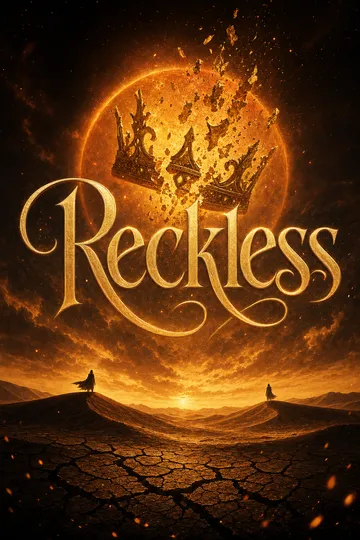
Reckless is a story of survival, love, and the lies that bind and break usAt its core, the novel interrogates the cost of power—personal, political, and emotional. Through the intertwined journeys of Paedyn and Kai, Lauren Roberts explores what it means to be powerless in a world built on hierarchy and violence, and how love can be both a weapon and a wound. The book is unflinching in its portrayal of trauma—physical, psychological, and generational—yet it refuses to surrender to despair. Instead, it insists on the possibility of change, even in the face of overwhelming odds. The revelation that the "disease" of the Ordinaries is a lie is both a plot twist and a metaphor for the ways in which systems of oppression are maintained by those in power. The love story at the heart of the novel is not a simple romance, but a reckoning with guilt, forgiveness, and the courage to hope. In the end, Reckless asks whether survival is enough, or whether true freedom requires the risk of loving—and losing—recklessly.
Last updated:
Report IssueReview Summary
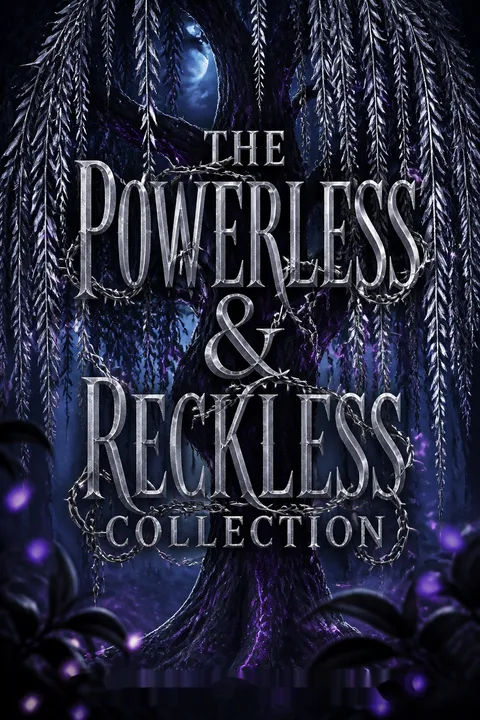
The Powerless & Reckless Collection receives overwhelmingly positive reviews with a 4.58 rating. Readers praise the emotional impact, with many crying and experiencing intense book hangovers. The series featuring protagonists Paedyn and Kai generates passionate fan engagement, including fanfiction reading. Common critiques note similarities to Red Queen and Hunger Games, with some finding plots derivative and tropes overused. Despite this, most readers enthusiastically recommend the romantasy series, praising the enemies-to-lovers dynamic and character chemistry. Fans eagerly await the series conclusion, Fearless, demonstrating strong reader investment.
Characters
Paedyn Gray
Paedyn is a master of deception, trained by her adoptive father to pass as a Psychic in a world that despises the powerless. Scarred by loss—her best friend Adena, her father, and the innocence of youth—she is both fiercely independent and deeply wounded. Her journey is one of endurance: through violence, betrayal, and the desert's crucible, she clings to the hope of something better, even as she is forced to kill to survive. Her relationship with Kai is fraught with longing and rage, each encounter a battle between love and hate. The revelation of her true parentage shatters her sense of self, but also frees her from the lies that bound her. Paedyn's arc is one of reluctant heroism—she never wanted to lead, but her survival becomes an act of rebellion. Her scars, both visible and hidden, are testament to her strength and the price of hope.
Kai Azer
Kai is a prince turned executioner, shaped by a father's cruelty and a kingdom's demands. Haunted by the death of his sister Ava and the weight of every life he's taken, he is both weapon and wound. His love for Paedyn is his greatest weakness and his only salvation, a forbidden longing that threatens to destroy them both. Torn between duty to his brother Kitt and the truth he uncovers about Ilya's lies, Kai is forced to confront the monster he's become. His journey is one of self-reckoning—can he be more than the king's blade, or is he doomed to be the villain in his own story? His acts of tenderness—burying the dead for Paedyn, flicking her nose, dancing in the dark—reveal the boy beneath the mask. In the end, Kai is defined by his willingness to love recklessly, even when it means his own ruin.
Kitt Azer
Kitt is thrust into power by the violent death of his father, a role he is unprepared for and resents. Isolated by grief and suspicion, he becomes increasingly paranoid, questioning the loyalty of even his brother Kai. His relationship with Paedyn is complex—once a friend, now the object of his vengeance and, perhaps, his desire. Kitt's arc is one of transformation: from reluctant prince to calculating king, willing to use marriage as a tool of control. His actions are driven by a desperate need to assert authority and to make sense of a world that has betrayed him. Kitt is both victim and perpetrator, a mirror of the kingdom's brokenness.
Adena
Adena's death is the wound that never heals for Paedyn, a reminder of what was lost and what must be avenged. Her memory is a guiding force, her promise the anchor that keeps Paedyn moving forward. Adena represents the cost of resistance and the fragility of hope in a world that punishes the powerless.
Gail
Gail is the cook who raised Kai and Kitt, a source of warmth and stability in a world of violence. Her sticky buns and gentle scoldings are a reminder of what family can be, even when blood ties are broken. Gail's presence is a balm for wounded souls, her kitchen a sanctuary from the storm.
Lenny, Leena, and Finn
These three are Paedyn's lifeline in Dor, fellow outcasts who risk everything to save her. Their banter and loyalty provide moments of levity and belonging, even as the world crumbles around them. Each is marked by loss and the struggle to find purpose in the ruins of rebellion.
Meredith
Meredith shelters the children of Elites and Ordinaries, outcasts with partial powers. Her refuge is a microcosm of what Ilya could be—a place where difference is not a death sentence. She represents the possibility of change and the courage to defy the kingdom's lies.
Calum
Calum is the co-founder of the Resistance, a Mind Reader who uses his power to find and protect the vulnerable. His presence in the journal reveals the depth of Ilya's corruption and the lengths to which the powerful will go to maintain control. Calum is a reminder that resistance is both necessary and costly.
The King (Kai and Kitt's father)
Though dead, the former king's influence lingers in every scar, every order, every act of violence. His legacy is one of cruelty and control, the lie of the Ordinary "disease" his most enduring weapon. He is the shadow that haunts both his sons, the standard by which they measure themselves and the enemy they must ultimately defeat.
Plot Devices
Dual Perspectives and Shifting Narration
The novel alternates between Paedyn and Kai's perspectives, allowing readers to experience the same events through the lens of love, hate, and self-doubt. This structure deepens the emotional resonance, highlighting the misunderstandings and unspoken desires that drive the plot. The shifting narration also serves to humanize both "sides" of the conflict, blurring the line between enemy and ally.
Symbolism of Chains, Scars, and Blood
Chains are both literal and figurative—binding Paedyn and Kai together, forcing intimacy and confrontation. Scars, both visible and hidden, are reminders of past wounds and the cost of survival. Blood is ever-present, a symbol of guilt, inheritance, and the violence that defines their world. These motifs recur throughout, reinforcing the themes of captivity, memory, and the possibility of healing.
The Journal as Revelation
Paedyn's father's journal is the key to unraveling the kingdom's foundational lie—the "disease" of the Ordinaries. Its discovery is both a personal and political turning point, forcing characters to confront the reality of their actions and the possibility of change. The journal is a classic device of hidden knowledge, but here it is also a testament to love, resistance, and the power of truth.
Pretend as Survival and Seduction
Throughout the novel, Paedyn and Kai must "pretend"—to be lovers, to be enemies, to be stronger than they are. The act of pretending becomes both a shield and a weapon, a way to survive and a way to seduce. The line between performance and authenticity is constantly crossed, raising questions about identity, desire, and the cost of self-deception.
Foreshadowing and Circular Structure
The novel is rich with foreshadowing—rituals beneath the willow, the promise of ruin, the recurring motif of dancing in the dark. The story's structure is circular, returning again and again to moments of intimacy and violence, love and loss. The ending mirrors the beginning: Kai and Paedyn separated by duty and desire, their love both their undoing and their only hope.
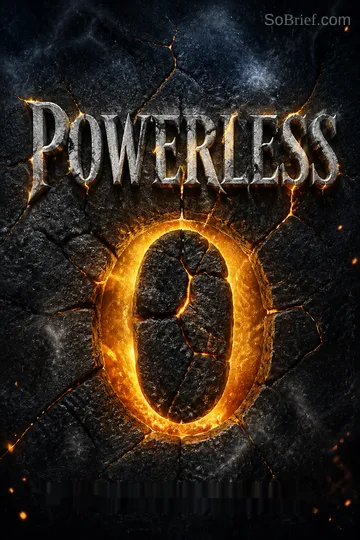
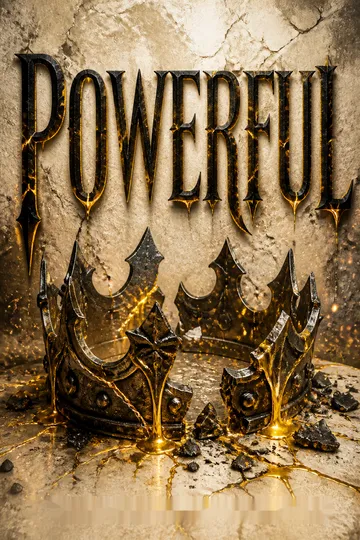
The Powerless Trilogy Series
About the Author
Lauren Roberts is a Michigan-based author whose debut novel, Powerless, became a New York Times bestseller. When not writing fantasy worlds with bantering love interests, she enjoys reading them. Roberts embraces an eclectic mix of hobbies including knitting, laser tag, hammocking, word searches, and coloring—activities she describes as suited to both grandmothers and children. She has lived in Michigan her entire life, experiencing the state's characteristic potholes, snow, and lake activities. Roberts aspires to write professionally for the rest of her life and connects with readers on TikTok and Instagram @Laurenrobertslibrary.
Other books by Lauren Roberts


Download PDF
Download EPUB
.epub digital book format is ideal for reading ebooks on phones, tablets, and e-readers.








































