
Key Takeaways
1. Complex Trauma for BIPOC is Systemic and Multigenerational
All of us who were raised in the United States carry legacy burdens derived from our White Supremacist culture, but those carried by BIPOC (Black, Indigenous, People of Color) are particularly onerous and are triggered on a daily basis.
Beyond personal events. Complex Posttraumatic Stress Disorder (CPTSD) for Black, Indigenous, and People of Color (BIPOC) extends far beyond individual traumatic incidents. It is deeply rooted in a pervasive system of White Supremacy that inflicts cultural legacy burdens, shaping one's worldview, self-perception, and daily experiences. These burdens are not personal failings but rather imprints from a system designed to disadvantage and harm marginalized groups.
Intergenerational impact. The trauma experienced by BIPOC communities is often intergenerational, meaning it's passed down through families across generations. This includes the profound grief and pain stemming from historical traumas such as:
- Colonization and land theft
- Genocide and enslavement
- War and famine
- Systemic discrimination (racism, patriarchy, materialism, individualism)
Daily triggers. For BIPOC individuals, these legacy burdens are not abstract historical facts but are triggered daily through microaggressions, discrimination, and the constant need to navigate oppressive systems. This continuous exposure to toxic stress creates a state of hypervigilance and deep-seated wounds that impact mental, emotional, and physical well-being, making healing a complex, layered process.
2. Trauma Manifests Physically and Psychologically
Trauma is the imprint of chronic, toxic stress in our minds and bodies.
Body's alarm system. Our bodies are designed to detect threat and activate a fight-or-flight response for survival. However, for BIPOC individuals constantly facing racism and oppression, this survival mode becomes chronic, leading to a dysregulated nervous system. This prolonged state of activation or shutdown can manifest as physical ailments and psychological distress, often mistaken for personality traits rather than trauma responses.
Coping mechanisms are survival. The mind and body collaboratively create intricate systems to cope with overwhelming pain. These coping strategies, though sometimes appearing destructive or unhealthy, are desperate attempts to survive and soothe unhealed pain. Examples include:
- Explosive rage or panic attacks
- Substance use or dissociation (numbing out)
- Chronic muscle tension, injury, and illness
- Self-harm behaviors
These behaviors are "trailheads" leading to deeper internal wounds that require witnessing and care.
CPTSD vs. PTSD. While PTSD involves sensory flashbacks from specific traumatic events, CPTSD arises from ongoing exposure to toxic stress, relational trauma, and attachment wounding. For BIPOC, CPTSD is often triggered by emotional cues linked to past pain, such as racial slurs or the presence of authority figures, activating a threat response that keeps the individual in a perpetual state of emotional and physical distress.
3. Healing Begins with Body Regulation
Being fluent in your body’s language is the antidote to trauma.
Reclaiming the body. For many BIPOC individuals, connecting with and loving their bodies can be challenging due to internalized racism, sizeism, sexism, and past violations. However, reclaiming this relationship is a vital first step in healing. Self-regulation practices help shift the nervous system from hypervigilance or numbness back to a grounded, calm state, restoring clarity and peace.
The power of breath. Deep belly breathing is a fundamental practice for self-regulation. By consciously extending exhales, we activate the parasympathetic nervous system, slowing heart rate and calming the body. This intentional breathwork helps interrupt the trauma response, allowing the prefrontal cortex (responsible for reasoning and compassion) to come back online. Practices like the "Wet Noodle" body scan and pelvic floor relaxation further release stored tension, especially in areas that hold old survival stories.
Regulate, Relate, Reason. This mantra highlights the sequential process of healing:
- Regulate: Calm the body and interrupt the threat response.
- Relate: Deeply connect with oneself and others from a place of calm.
- Reason: Make intentional decisions aligned with one's true Self.
This process empowers individuals to respond thoughtfully rather than react impulsively, creating an inner buffer against external stressors and fostering inner peace.
4. Self-Compassion Mends Shame and Internalized Beliefs
Shame creates disconnection in relationships and completely interferes with your own self-love.
Shame's destructive power. Shame, defined as the painful belief of being flawed and unworthy of love, is a heavy burden often carried by vulnerable inner children. It is internalized from toxic societal systems, child abuse, and neglect, and is fed by cultural and family legacy burdens. For BIPOC, shame is deeply intertwined with racism and oppression, leading to self-criticism and a diminished sense of self-worth.
Understanding our "parts." Internal Family Systems (IFS) therapy offers a humanizing lens, viewing the mind as naturally multiple, with various "parts" working to protect us. These parts include:
- Protector Parts: Managers (proactive, controlling, critical) and Firefighters (reactive, distracting, numbing). They adopt extreme roles to prevent further hurt.
- Exiled Parts: Vulnerable inner children holding the deepest pain (abuse, neglect, abandonment).
All parts, even those with seemingly destructive behaviors, have good intentions to keep us safe.
Befriending the inner world. Healing involves befriending these parts with curiosity and compassion, rather than judgment. Practices like journaling to understand the inner critic, writing letters to the inner child, and creating an inner child altar help witness and acknowledge their pain. This process allows exiled parts to feel seen and heard, paving the way for them to release their burdens and for the core Self (embodying qualities like compassion, courage, and clarity) to lead.
5. Ancestral Wisdom is a Powerful Resource for Healing
Your ancestors’ energy lives within you, like their DNA, courage, and intuition.
Beyond inherited pain. While BIPOC individuals carry the painful legacies of their ancestors' trauma (historical and intergenerational), they also inherit immense resilience, courage, and intuitive gifts. Reconnecting with ancestral spirits is a vital part of healing, offering a deep spiritual lens for self-knowledge, increased belonging, and a strengthened sense of power. This connection combats the cultural legacy burden of individualism, reminding us that we are never truly alone.
Ancestral connection practices. Ancestral reverence can be cultivated through various practices, regardless of religious affiliation:
- Meditation: Inviting ancestors to visit, asking for guidance, and feeling their protective energy.
- Offerings: Creating altars with elements (fire, earth, air, water) and objects representing ancestors or protective guides.
- Invocation: Using prayer or casual conversation to seek support and guidance.
- Dreams: Paying attention to dream symbolism and inviting ancestors to communicate through dreams.
These rituals help shift the energy of burdens and foster a sense of continuous support.
Unburdening with ancestral support. Releasing burdens is a layered process, especially with complex trauma. Practices like guided visualization allow individuals to identify cultural and legacy burdens, witness the parts carrying them, and then symbolically release them to the sacred elements or with the help of ancestors. The "limpia" ritual, using an egg to absorb toxic energy, is another powerful cultural practice for spiritual cleansing and unburdening.
6. Toxic Environments Perpetuate Internalized Racism and Imposter Syndrome
Racism, colonialism, and oppression do not have to steal more from you than what has already been stolen.
The myth of meritocracy. Toxic environments, fueled by White supremacy culture, often promote the false belief that success is solely a result of hard work. This narrative ignores systemic inequities and places undue pressure on BIPOC individuals to constantly "prove their worth," leading to feelings of inadequacy even when highly accomplished. This pressure often requires sacrificing parts of oneself, numbing emotions, and hiding authentic expression.
Layers of racism. Racism operates on multiple levels, all contributing to internalized self-doubt:
- Systemic Racism: Embedded in laws and societal ideals, influencing perceptions of who is "good" or "bad."
- Institutional Racism: Discriminatory policies in schools, justice systems, healthcare, restricting access and opportunities.
- Interpersonal Racism: Bigotry and biases communicated person-to-person, including microaggressions and macroaggressions.
These layers funnel into internalized racism, where BIPOC individuals absorb hurtful narratives about their appearance, worth, and culture.
Imposter syndrome and self-erasure. Internalized racism often manifests as imposter syndrome, a persistent feeling of being a "fraud" despite evidence of competence. This is reinforced by toxic environments that devalue BIPOC excellence. Other manifestations include code-switching, rejecting one's own race, or dimming one's "inner fire" (passion, courage) to avoid backlash or to fit into predominantly White spaces. This self-erasure disconnects individuals from their authentic Self, perpetuating the trauma of injustice.
7. Intentional Living is an Act of Resistance and Liberation
Your life of intention is the antidote to the trauma of injustice.
Reclaiming "I am." Healing from complex trauma and internalized oppression requires a conscious commitment to living authentically and unapologetically. This begins by clarifying one's true nature, unburdened by external narratives. Affirmations and journaling practices, such as defining one's "truest I am," help to rewrite internalized racist scripts and plant seeds of self-love and worthiness.
The power of choice. In systems designed to limit agency, exercising choice becomes a powerful act of liberation. Even when external constraints persist, choosing responses aligned with one's values and Self-energy (compassion, courage, clarity) fosters a sense of control and agency. This intentionality helps release the helplessness often associated with trauma and allows individuals to respond rather than react, breaking cycles of inherited patterns.
Mission-driven healing. Developing a personal mission statement, or "resilience road map," provides clarity and motivation for navigating an unjust world. This statement outlines one's core identity, values, aspirations, and commitment to self-care across social, spiritual, emotional, and physical domains. Living intentionally, embodying one's authentic Self, and actively working to dismantle oppressive systems is not just personal healing but a profound act of collective liberation, inspiring others and feeding the soul.
Review Summary
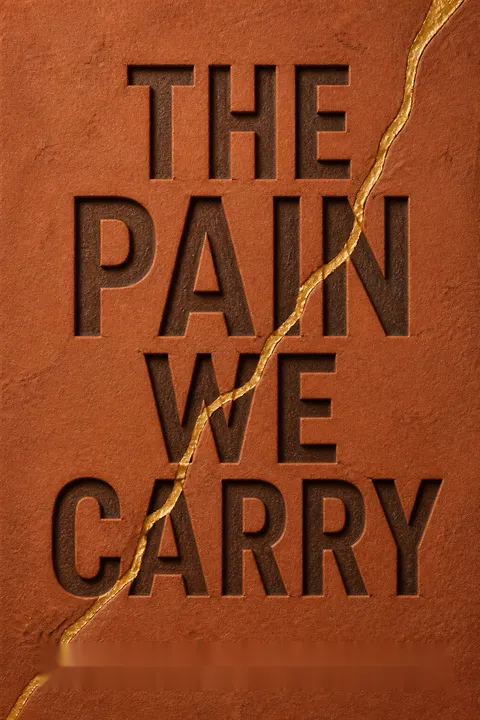
The Pain We Carry receives widespread praise for its compassionate, accessible approach to healing racial and intergenerational trauma for BIPOC readers. Reviewers highlight its practical exercises, journaling prompts, and meditations, along with its integration of IFS therapy, polyvagal theory, and ancestral healing. Many recommend it for both BIPOC individuals and clinicians working with diverse populations. Some critics note it can feel overly explanatory for those already familiar with therapeutic concepts, but most agree it is a valuable, transformative resource for navigating Complex PTSD rooted in racism.
People Also Read






Download PDF
Download EPUB
.epub digital book format is ideal for reading ebooks on phones, tablets, and e-readers.








































