
Plot Summary
Brothers and Blood in Dust
In the blistering dust of a northern Ontario farm, Arthur and Jake Dunn's relationship is defined by a brutal game of "knives." Arthur—heavy, slow, and reliable—is pressed by younger brother Jake—restless, manipulative, and dazzling—to play a dangerous game. Being expert at wearing people down, Jake prevails, and a single impulsive moment turns the game bloody, landing Arthur with a knife through his foot. The emotional charge between the brothers, different in every way—one cautious and dutiful, the other a magnet for mischief and charm—is set, their pathways diverging under the weight of Arthur's injury and Jake's blithe recklessness. This moment will cast long shadows, foreshadowing betrayal and guilt.
Ian's Coming-of-Age Summer
Teenage Ian Christopherson, son of Struan's doctor, has a life mapped by small-town expectations but dreams of bigger things. He becomes entranced by Laura Dunn, a beautiful, overwhelmed farm wife, while navigating his own stultifying domestic life—an absent, television-absorbed mother, a gentle doctor father, and the social obligations of a "doctor's son." A job at the Dunn farm is a pretext to get close to Laura. Ian is swept up in adolescent longing, family pressure, and the lure of bucolic chores, forming connections that will haunt his adulthood. He is blinded by innocence but surrounded everywhere by the complexity of adult longing, pain, and the echoing hollowness of rural life.
Shadows Over Family Fields
The story broadens, splitting between Arthur's family's past—grief-laden, tightly managed by a fearful mother who turns Arthur into Jake's protector—and Ian's present, where a coming family breakdown is brewing. Arthur's physical robustness is matched by emotional isolation, while Jake uses his intelligence and charm to win hearts but creates disputes and slyly manipulates. The prose lingers on the subdued tragedies and small gladnesses of family dynamics: lost children, an emotionally absent mother, fatherly reticence, and the deep divide between expectation and actual ability. The farm's fields, with their relentless tasks, echo the inescapability of familial fate.
Schoolyard Battles and Destinies
As Arthur and Jake grow, school brings their contrasts into sharper focus. Arthur, slow and physically awkward, is made to feel his inferiority by teachers and peers, while Jake, precocious and clever, excels and slyly gets Arthur into trouble. Sibling rivalry takes on the form of covert sabotage—Jake arranges situations to ensnare Arthur, leading to humiliation and further emotional distance. Meanwhile, young Ian increasingly feels the burden of being groomed for medical greatness, hemmed in by communal expectations. Both brothers and Ian find themselves trapped by others' visions for their lives, setting the stage for rebellion and tragedy.
Mothers Who Leave
The Christopherson family is torn apart when Ian's mother, worn down by years in the North and a loveless marriage, confesses her affair and leaves with another man, offering Ian a choice to follow. Ian, rooted more by duty and habit than affection, remains but is devastated by the realization of his own dispensability. The town reacts with a scandalized hush. Across the river of years, both Dunn and Christopherson households now carry wounds inflicted not by dramatic events but by the slow, cumulative pain of unmet needs and isolation—wounds that shape their future loves and losses.
Wartime, Loss, and Beginning Again
Arthur and his peers are redefined in the crucible of World War II. While friends go to war—some to die, some to return maimed—Arthur is rejected for flat feet, a mundane fate which further isolates him. The farm absorbs him, and Arthur's sense of duty deepens under the strain of his father's accidental death by tractor and the departure (and eventual deaths) of friends. The arrival of German POWs, who work the land and become quasi-family, offers a brief balm. Meanwhile, Jake is increasingly aimless—exempted from war, school, and responsibility, his charm both his shield and his curse.
Jake's Fatal Fall
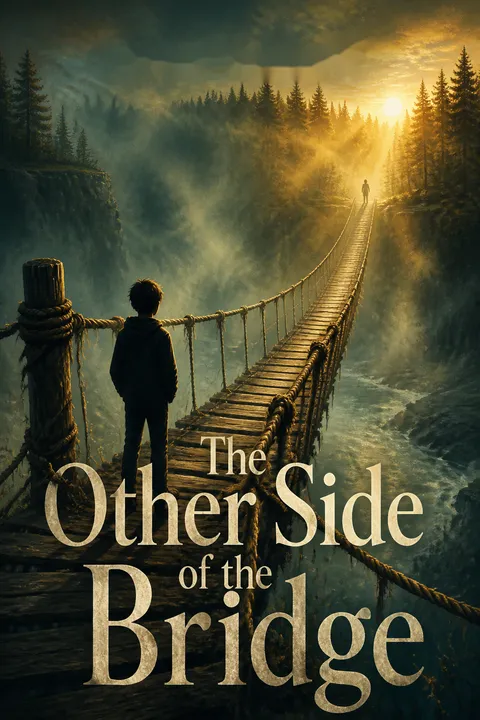
In a moment drenched with sibling rivalry and long-seeded resentment, Arthur is tasked with guiding cows across a dangerous bridge, Jake at his side. Jake, ever the risk-seeker, taunts Arthur with risky stunts beneath the planks until, in panic and frustration, Arthur wishes him harm. Jake slips, falls, and is grievously injured, resulting in a lifelong limp. Arthur's guilt is all-consuming, especially as Jake never reveals the truth to their parents, using the secret as a silent weapon in their relationship. Tragedy entangles the present; both brothers are changed forever.
Survivors, Stragglers, and New Beginnings
The war's slow ending brings Arthur and others home to a world fundamentally changed by absence and grief. Arthur, now responsible for the farm and his fragile mother, struggles against loneliness and mounting debt, piecing together help wherever possible. The arrival of Laura, the new preacher's daughter, is a spark of hope amidst the gloom—a meeting between two wounded souls. German POWs are taken on as workers, their presence providing both a salve and a painful reminder of loss. Life quietly, patiently, attempts to renew itself in the void left by the departed.
Love in Lean Times
Arthur's slow-cooked infatuation with Laura finds resolution after Jake's seduction and abandonment of her leaves her pregnant and desperate. Arthur offers marriage—not as a rescuer, exactly, but as a survivor who deeply needs and wants the companionship, accepting a love that's, at first, unreciprocated. Laura, in crisis and outcast by her own judgment, finds grace in Arthur's unwavering decency. They build a family—one forged in gratitude, compromise, and tentative tenderness, haunted still by Jake's absence and by questions of Carter's parentage. Patterns of secrecy, longing, and forgiveness repeat in them both.
Marriage, Betrayal, Forgiveness
Ian, maturing into adulthood, remains tethered to the Dunns and their ongoing dramas. Jake's unexpected return, full of charm and citywise bravado, unsettles the farm. His restless spirit disturbs the farm's equilibrium as he entwines himself with Laura once again, seeding another round of temptation, betrayal, and chaos. Ian, trusted by both but powerless to help, ultimately precipitates the confrontation—an act of youthful righteousness that has tragic consequences for Carter, the quiet, unloved boy whose paternity and pain have been overlooked. The cost of silence and the weight of secrets become all too clear.
Generations Reckon with the Past
The violent reckoning—Arthur's rage, Jake's guilt, Laura's shame—culminates in Carter's accidental death, traumatizing the family and community and echoing through Ian's adulthood. Grief and blame, unspoken but omnipresent, reshape relationships and self-understanding. Survivors cobble together new definitions of family, love, and purpose. Meanwhile, Ian's journey—his own failed romance, generational guilt, and choices about whether to stay or leave—mirrors the larger cycle of children becoming what their parents could neither anticipate nor prevent. The wounds of childhood, betrayals of trust, and redemptions of forgiveness echo through every character.
Returning Ghosts
Years later, the ghosts of failure, love, and loss return to the farm: Arthur, aged and ailing; Ian, now a doctor serving the same community; Laura, changed by regret and resolution. The farm, once the scene of youthful longing, guilt, and hurt, becomes a crucible for reconciliation. Old enemies become allies of necessity, pain yielding—slowly, imperfectly—to understanding. The presence of new generations (March's family, the next children on the farm) hints at the small graces capable of moving even the most intractable wounds towards peace.
Reckonings and Consequence
The climactic confrontation between Arthur and Jake—ignited by Ian's revelation of betrayal—boils over into physical violence. Arthur's uncharacteristic fury triggers a disastrous sequence with Jake fleeing, Carter's death under the wheels, and the family's world crumbling anew. Each character is forced to reckon with the irrevocable nature of consequence and regret: Arthur's lifelong struggle between decency and anger collapses under the strain; Laura must face her part in a long chain of silences and desire. The aftermath leaves each survivor tenderized by loss but groping toward a hard-won wisdom.
The Weight of Guilt
Time offers little relief: Arthur, Laura, and Ian each endure the crushing weight of their mistakes. For Ian, witnessing Carter's death after triggering the catastrophe fills him with night terrors and lifelong shame. Laura's and Arthur's marriage is a daily negotiation with sorrow, forgiveness, and the impossible desire to undo harm. The community's collective memory is heavy with names, newsprint, and whispers—a place where everyone knows but few judge. Yet, glimmers of healing persist—in small acts of kindness, shared work, and end-of-life confessions that finally bring a measure of peace.
Seeking Stillness and Redemption
As old age and illness approach, both Arthur and Ian are invited to assess their lives. Arthur, facing death, finds solace in companionable silences and the quiet love of Laura and his family. Ian learns, through caring for the dying man and his own father, that home is not where the pain first happened, but where redemption is (sometimes) possible. The legacy of the past endures, but is not absolute: each character chooses—however imperfectly—whether to be captive to guilt, or carry it into a life that still contains room for gratitude and grace.
Healing and Farewell
The novel closes on acts of mourning and connection: Laura confesses to Ian her long love for Arthur, and asks for reassurance that she was truly loved and forgiven. Ian, older now and more merciful, can finally lay down some of the self-lacerating blame he carried from youth. The land endures its cycles; the river runs beyond the bridges burned and crossed; and new generations chase trout, as old enmities and wounds are (if never quite healed) at least named, honored, and slowly released. The other side of the bridge, perhaps, is peace.
Analysis
The Other Side of the Bridge explores the impossibility—and tragic necessity—of forgiveness in the chains of family, love, and community. In its northern landscape, characters are shaped as much by silence, guilt, and inwardness as by acts of violence or passion. Lawson is unsparing in her depiction of the slow-burn tragedies that undermine lives: the burdens brothers carry for each other; the ways parents fail children (and vice versa); the immense, unspeakable debt left by betrayals and by love offered too late. Yet, the novel remains deeply humane. Against a backdrop of hardship, war, and unforgiveable losses, it finds redemption in small acts: the steadfastness of Arthur, the eventual tenderness of Laura, the humility of Ian accepting his own failures. In the end, the "other side of the bridge" is not a place one cleanly arrives at, but a lifelong passage—a journey towards wholeness, marked above all by the willingness to continue, to love imperfectly, and to forgive, if not forget. The book cautions its reader that healing is seldom dramatic, often incomplete, but always possible, and that even in the bleakest seasons, seeds of new grace can survive.
Review Summary
The Other Side of the Bridge receives overwhelmingly positive reviews, averaging 4.18/5. Readers praise Mary Lawson's masterful storytelling, rich characterization, and evocative depiction of rural northern Ontario. The dual-timeline narrative, alternating between the 1930s/40s and 1960s, is considered highly effective. The story of brothers Arthur and Jake, with their intense sibling rivalry, resonates deeply, drawing comparisons to Cain and Abel. Ian's coming-of-age storyline adds further depth. Reviewers consistently highlight Lawson's beautiful prose, atmospheric setting, and emotionally powerful climax.
People Also Read


Characters
Arthur Dunn
Arthur embodies duty and endurance, the ox-hearted son who shoulders the burdens others evade. Raised as the protector of his brilliant but reckless younger brother Jake, Arthur is marked by a profound self-doubt and a lifetime of being overlooked—by his mother, teachers, and even by fate. Guilt is his cross: first for Jake's childhood injury, later for his tacit participation in Jake's abandonment of Laura. His marriage to Laura is more sanctuary than romance, haunted for years by unspoken truths, the paternity of Carter, and wounds he cannot properly heal. In old age, Arthur is gentle, emotionally inarticulate, clinging to simple routines and the solace of animals and fields, finding peace only in the acceptance that love, not heroism, is our legacy.
Jake Dunn
Jake is the family's golden child: quick, clever, charismatic—a master at winning admiration and at wriggling free of responsibility. His childhood manipulation becomes adult flippancy and recklessness, culminating in acts of profound betrayal: seducing Laura, manipulating her (and Arthur), fleeing when consequences arise. Jake's relationship with Arthur is fraught—both a source of pleasure (in dominance) and pain (inalienable self-loathing). Despite his outward bravado, Jake is haunted by insecurity and an inability to truly commit. The limp from his bridge fall is both his literal and symbolic wound—a flaw that neither he nor his family can ever fully heal or integrate. Jake is both agent of chaos and enduring ghost.
Laura Dunn (née March)
Laura's journey is one of survival through loss and into self-forgiveness. Arriving in Struan already raw from her mother's death, Laura finds herself alternately cherished and discarded: first by Jake, who charms and abandons her, and then by Arthur, who offers unshakable if emotionally understated devotion. Her early years of marriage are clouded by guilt and longing, especially for the child Carter—borne of another but raised by Arthur. Over many years, Laura's love matures; she comes to see Arthur's decency and builds a fragile happiness, always haunted by memory and by the impossibility of full absolution. She is the story's great survivor—not untouched by suffering, but shaped into hard-won wisdom.
Ian Christopherson
Ian is Struan's conscience—both in his youthful longing and as an adult physician. Adrift between the expectations of family and self, beset by sexual awakening and familial breakdown, Ian's formative years on the Dunn farm (in service, in adoration of Laura, in friendship with Carter) set the course of his life and his wounds. His righteous decision to expose Laura and Jake's betrayal precipitates Carter's death, saddling him with crushing guilt and a lifetime of anxious striving, both to atone and to escape his own past. As an adult, he becomes a healer to others, but must learn through loss and confession to forgive both others and himself.
Carter Dunn
Carter is the unwitting object of adult secrets—the child of Laura and Jake, raised as Arthur's son but always on the margins of family attention. Sensitive and frustrated, he is desperate for affection and significance; his yearning for agency and his impulse to impress Jake ultimately prove fatal. Carter's death, under tragic and chaotic circumstances, is the story's most searing loss—an emblem of how the failures and betrayals of one generation wound the next. In death, he becomes a figure to whom all the survivors, particularly Arthur and Ian, must answer and seek peace.
Dr. Christopherson
Patriarch of the Christopherson family and Ian's father, Dr. Christopherson is both a refuge and a pressure point for Ian—gentle, upright, but emotionally reserved. Professionally competent but personally adrift after his wife's departure, he embodies the stoic endurance of Northern men, sacrificing his own happiness for duty and habit. His own pain following his wife's betrayal makes him both vulnerable and, eventually, more available to his son, allowing for a deep if wordless reconciliation before his death.
Ian's Mother (Beth)
Beth, Ian's mother, is a figure of quiet devastation: dissatisfied with her life in the North, yearning for new beginnings, she initiates the family's most profound breach by leaving for another man. Her need for love and significance (after years of "giving everything") leaves lasting wounds, particularly in Ian—who equates her departure with a kind of original sin. Though she tries to maintain a relationship with Ian, her absence and what it represents (betrayal, the pain of being unloved) haunt him for years.
Dieter and Bernhard (German POWs)
The two young German prisoners-of-war embody both the possibilities and ironies of human connection in times of loss. Their presence on Arthur's farm is a salve for all parties, offering practical aid and, more importantly, a mirror to the community's own woundedness. Their homesickness and kindness stand in quiet contrast to the wider backdrop of death and violence; their departure is yet another bittersweet passage in the community's slow recovery from years of war and grievance.
Pete Corbiere
Pete, Ian's closest friend from the reserve, is both an emblem of constancy and a casualty of marginalization. Wise and understated, deeply at home in his landscape, Pete quietly skirts the community's expectations—choosing eventually to stay in Struan and build a life on his terms. His relationship with Ian is the truest friendship in the story—bonded by shared experience and fishing, but ultimately limited by the gulf between their respective destinies.
Carter's Siblings and Next Generation
Julie, March, and the new generations at the story's end represent a cautious optimism—the sense that, while wounds are inherited, healing is possible. They are less developed as individuals but serve as living reminders that peace, kindness, and new beginnings are possible, even against the long backdrop of regret.
Plot Devices
Split Narrative and Multiple Timelines
Lawson masterfully layers the past (primarily Arthur's and Jake's childhood through WWII) with the near-present (Ian's coming-of-age and adulthood in the 1950s–60s), allowing the reader to piece together the origins of trauma, love, and guilt. The technique of shifting perspectives provides suspense, gradual revelation, and the chance to examine cause and effect from both inside and outside pivotal moments, underscoring how history never quite releases its grip.
Unreliable Memory and Withholding of Truth
Characters frequently act on partial understandings or conceal truths: Jake's manipulation, Arthur's guilt, Laura's shame, and most crucially the actual circumstances of Carter's parentage and the bridge accident. This device builds tension, enhances psychological realism, and delivers devastating impact when the truth at last comes to light—often too late to prevent further tragedy.
Symbolic Landscape and Weather
The northern Ontario landscape is at once beautiful and harsh, acting as a silent witness to pain, endurance, and change. The river, bridges, and changing seasons all serve as motifs—bridges as both literal and figurative crossings (from innocence to guilt, from past to future), while the weather shifts in tandem with inner turmoil, grief, or moments of unexpected grace.
Artefacts and Routine
Lawson makes use of physical objects—knives, cars, tractors, scars, and farm routines—to anchor emotion and fate. These devices allow for foreshadowing, remind characters (and readers) of what cannot be spoken, and become sites of confrontation and renewal (e.g., the family meal, the breaking or repairing of tools, the daily round of chores).
Quiet Foreshadowing and Circular Patterns
Subtle hints—echoes of an early knife or bridge accident, or parental abandonment—presage later catastrophe. The structure is ultimately circular: with each generation haunted by, or atoning for, the unresolved guilt and loves of the previous one, the story asks what (if anything) can break this cycle.
Download PDF
Download EPUB
.epub digital book format is ideal for reading ebooks on phones, tablets, and e-readers.








































