
Plot Summary
Haunted House, Haunted Hearts
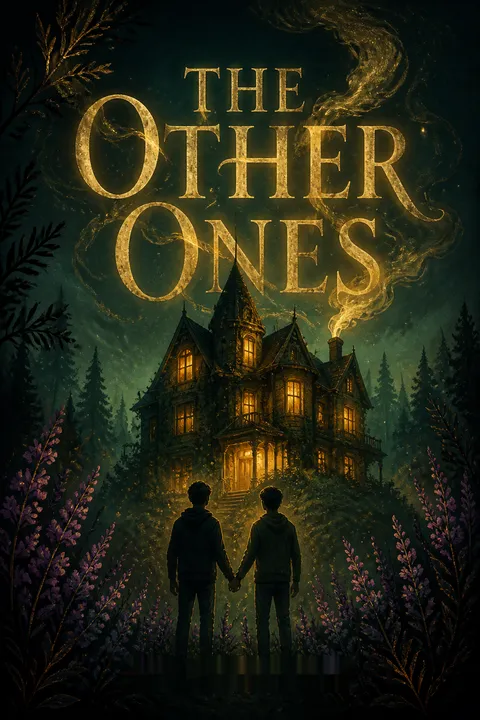
Sal and his sister Asha live in a crumbling, haunted house on Yew Tree Lane, shunned by the village and shadowed by the loss of their father. The house's oppressive atmosphere is more than just rumor; it's a constant, chilling presence that seeps into their lives and relationships. Sal, nearly seventeen, is withdrawn and haunted by both literal and figurative ghosts, while Asha, a year older, is fiercely protective but burdened by responsibility. Their mother, lost in grief, is emotionally absent, leaving the siblings to fend for themselves. The house is a character in itself—creaking, groaning, and filled with echoes of the past. The siblings' bond is strong but strained, as they navigate the isolation and stigma of being "the other ones" in their small, superstitious village.
The Boy in the Fur Coat
One autumn morning, Sal's routine is interrupted by the arrival of Pax, a new boy in the village, who appears on their doorstep bearing a casserole and an infectious, eccentric energy. Pax is unlike anyone Sal has met—dressed in a furry coat, brimming with curiosity, and unafraid of the house's haunted reputation. He immediately latches onto Sal, offering friendship and a willingness to help with the hauntings. Sal is wary, unused to such openness, but Pax's persistence and warmth begin to chip away at his defenses. Pax's presence introduces a new dynamic, challenging Sal's self-imposed isolation and hinting at the possibility of connection, even as Sal tries to keep his distance.
Ghosts in the Night
Haunted by nightly disturbances—voices, footsteps, and the sense of something moving in the darkness—Sal finds solace in midnight runs through the village. One night, he encounters Pax having a picnic in the graveyard, and the two share an unexpectedly intimate conversation about loss and loneliness. Both boys reveal their absent fathers, and a tentative bond forms over peanut butter sandwiches and shared vulnerability. Pax's fascination with ghosts and the supernatural contrasts with Sal's skepticism, but their connection deepens. The haunted house becomes a metaphor for unresolved grief, and Sal's insomnia is both a symptom and a shield against the pain he cannot face in daylight.
Outsiders and Outcasts
At school, Sal is an outsider, drifting through classes and clinging to the margins. His only friend, Dirk, is loud and loyal but oblivious to Sal's deeper struggles. Pax's arrival at school is met with ridicule and bullying, his eccentric style and openness making him an easy target. Sal, despite his reluctance, finds himself drawn into Pax's orbit, especially after intervening when Pax is bullied. The two boys, along with Dirk and Elsie—a popular girl recently ostracized—form an unlikely group of misfits. Their shared sense of not belonging becomes a source of strength, even as the haunted house's reputation follows Sal everywhere, amplified by a viral article that thrusts his family's secrets into the spotlight.
Schoolyard Shadows
The haunted house article brings unwanted attention, and Sal becomes the subject of gossip and mockery. When Pax is physically attacked at school, Sal's protective instincts override his desire for anonymity, leading to a violent confrontation that results in his suspension. The incident cements the bond between Sal and Pax but also deepens Sal's sense of alienation. At home, Asha tries to keep the family afloat, but the cracks are widening. The siblings' mother is increasingly absent, lost in her own world, and the house feels more oppressive than ever. Sal's anger and frustration simmer beneath the surface, threatening to boil over.
Sage, Smoke, and Secrets
Determined to help, Pax brings sage to perform a cleansing ritual in Sal's house, hoping to banish the negative energy. Sal is skeptical but allows it, desperate for any relief from the haunting. The ritual becomes a catalyst for conversation, and Sal begins to open up about his family's history and the pain of his father's death. Pax's belief in the power of rituals and symbols offers a new perspective, and the act of burning sage becomes a shared act of hope. The house, for a moment, feels lighter, and Sal starts to believe that healing might be possible—not through magic, but through connection and honesty.
The Article That Changed Everything
Asha, seeking agency and truth, writes an article for the local paper revealing the reality behind the haunted house: their mother has left, and the siblings have been hiding her absence. The article is published without warning, shattering the fragile equilibrium Sal and Asha have maintained. The village's curiosity turns to pity and judgment, and Sal feels betrayed by his sister's decision to go public. The revelation forces the siblings to confront their deepest fears—of abandonment, exposure, and the possibility that their family may never be whole again. The haunted house is no longer just a private burden; it is now a public spectacle.
The Misfits' Table
In the aftermath of the article, Sal, Pax, Dirk, and Elsie become inseparable, finding solace in each other's company. They claim a table in the school library, away from prying eyes, and create their own sanctuary. Their conversations range from the mundane to the profound, and their differences become sources of laughter rather than division. Pax's rituals and quirks are embraced, Dirk's bravado is tempered by genuine care, and Elsie's resilience inspires them all. Together, they navigate the challenges of adolescence, grief, and identity, discovering that being "the other ones" is not a curse but a badge of survival.
Lavender and Lies
Pax continues to bring rituals—lavender wreaths, crystals, tarot readings—into Sal's life, each one a gesture of care and an invitation to vulnerability. Sal struggles with the tension between honesty and self-protection, especially as his feelings for Pax deepen into romance. The two boys share their first kiss at the village bonfire, a moment of warmth and clarity amid the cold. But the weight of secrets—about Sal's mother, about his own fears—threatens to pull them apart. When the truth finally comes out, the cost is high: Pax feels betrayed, and Sal is left to reckon with the consequences of hiding his pain.
Halloween Revelations
Dirk throws a Halloween party, hoping to restore their social standing. The night is a whirlwind of costumes, dancing, and awkward encounters. Sal and Pax's relationship becomes public, and the group's bonds are tested by jealousy, misunderstandings, and the ever-present specter of the haunted house. Amid the chaos, moments of genuine connection shine through—laughter, confessions, and the realization that they are stronger together than apart. The party ends in both disaster and triumph, as the misfits claim their place in the world, unapologetically themselves.
Breaking and Mending
The fallout from Asha's article and the Halloween party leaves the family in turmoil. Sal and Asha's relationship is strained to the breaking point, and their mother's absence becomes an open wound. Sal withdraws, haunted by guilt and regret, while Asha throws herself into work and writing. The siblings are forced to confront the reality that their family may never return to what it once was. Yet, in the midst of pain, there are glimmers of hope: small acts of kindness, shared memories, and the realization that forgiveness is possible, even if forgetting is not.
Family Fractures
A flashback reveals the night their mother left, following a heated argument with Asha about moving on from their father's death. The siblings are left to fend for themselves, navigating the practical and emotional challenges of abandonment. Asha becomes the de facto parent, sacrificing her own dreams for Sal's sake, while Sal grapples with anger, confusion, and longing. The house, once a symbol of family, becomes a mausoleum of lost hopes. The siblings' bond is tested as they struggle to forgive their mother—and each other—for the choices that led them here.
The Truth Comes Out
A crisis brings the siblings together: their mother is hospitalized after a car accident, and Sal and Asha must confront their unresolved feelings. In the hospital waiting room, surrounded by uncertainty, they finally talk—really talk—about their pain, their fears, and their hopes for the future. Forgiveness is not immediate, but it is possible. The experience forces them to reevaluate what family means and to accept that healing is a process, not a destination. The haunted house loses some of its power as the siblings reclaim their agency and begin to imagine a life beyond its walls.
Aftermath and Absence
With their mother recovering, Sal and Asha return home, changed by the ordeal. The house is still haunted, but the ghosts are now memories rather than monsters. Sal rekindles his relationship with Pax, learning to trust and be vulnerable. Asha, encouraged by Sal, decides to pursue her own dreams, applying to university and allowing herself to hope for a future beyond Holden. The siblings' relationship, though scarred, is stronger for having survived the storm. The misfits' friendship endures, a testament to the power of chosen family.
Hospital Waiting Rooms
The hospital becomes a liminal space where time stretches and emotions run high. Sal and Asha take turns keeping vigil by their mother's bedside, reflecting on the past and imagining what comes next. Old wounds are reopened, but new understanding emerges. The siblings support each other through fear and exhaustion, rediscovering the comfort of shared silence and the strength of their bond. When their mother awakens, there is relief, but also the recognition that recovery—physical and emotional—will take time. The experience marks a turning point, as the family begins to rebuild on new, more honest foundations.
Forgiveness and Fresh Starts
As their mother returns home, the family embarks on the slow work of forgiveness and rebuilding. Asha prepares to leave for university, encouraged by Sal's secret efforts to secure her place. Sal and Pax's relationship deepens, grounded in honesty and acceptance. The haunted house is cleaned and brightened, its oppressive atmosphere lifted by laughter, music, and the scent of home-cooked meals. The siblings learn to let go of guilt and resentment, making space for hope and new beginnings. The ghosts of the past are acknowledged but no longer feared.
Dancing in the Dark
The winter dance becomes a celebration of survival, friendship, and love. Sal and Pax attend together, their relationship now public and accepted. The misfits—Sal, Pax, Dirk, and Elsie—dance, laugh, and defend each other against old adversaries. The night is marked by both chaos and joy, culminating in a cathartic confrontation that leaves the group stronger than ever. The dance floor becomes a symbol of belonging, as the outsiders claim their place in the world, unashamed and united.
Home, at Last
In the final chapter, the house on Yew Tree Lane is transformed from a place of fear and sorrow into a true home. The family, though changed, is together again, and the misfits' friendship endures. Sal reflects on the journey from isolation to connection, from haunted to healed. The ghosts remain, but they are now part of the tapestry of memory, woven into the fabric of a life reclaimed. The story ends with hope: for love, for family, and for the possibility that even the most haunted hearts can find peace.
Analysis
Fran Hart's The Other Ones is a poignant, witty, and deeply empathetic exploration of grief, identity, and the transformative power of chosen family. At its core, the novel uses the haunted house as a rich metaphor for the ways in which trauma and loss linger, shaping the lives of those left behind. Through Sal's journey from isolation to connection, the story interrogates what it means to be an outsider—and how the very qualities that mark us as "other" can become sources of strength and belonging. The misfits' friendship, Sal and Pax's tender romance, and Asha's struggle for self-actualization all underscore the importance of honesty, vulnerability, and forgiveness. Hart's narrative is both a love letter to the weird and a call to embrace the messiness of real life. In a world that often demands conformity, The Other Ones celebrates the courage it takes to be yourself, to reach out, and to make a haunted house into a home.
People Also Read


Characters
Sal Amani
Sal is the protagonist, a seventeen-year-old boy marked by grief, isolation, and a deep sense of otherness. The death of his father and his mother's emotional withdrawal have left him wary of connection, preferring solitude and routine. Sal's haunted house is both a literal and metaphorical prison, embodying his unresolved pain and fear of abandonment. His relationship with Asha is central—she is both his anchor and his burden. Sal's journey is one of gradual opening: through his friendship and eventual romance with Pax, he learns to trust, to be vulnerable, and to accept love. His arc is defined by the tension between self-protection and the longing for connection, culminating in a hard-won sense of belonging.
Asha Amani
Asha, Sal's older sister, is both caretaker and casualty of their fractured family. Brilliant and ambitious, she sacrifices her own dreams to keep the household afloat after their mother's departure. Asha's relationship with Sal is complex—she is nurturing but also resentful, longing for her own life but unable to abandon her brother. Her decision to write the article exposing their family's secret is both an act of agency and a cry for help. Asha's arc is one of self-assertion: with Sal's encouragement, she finally pursues her own future, learning that caring for herself is not a betrayal. Her journey is marked by guilt, forgiveness, and the courage to hope.
Pax Delaney
Pax is the new boy in town, instantly recognizable by his flamboyant clothing and unfiltered enthusiasm. He is unafraid to be himself, embracing his weirdness and inviting others to do the same. Pax's fascination with ghosts and rituals is both a coping mechanism and a form of hope—he believes in the possibility of healing, even in the most haunted places. His friendship and romance with Sal are transformative, challenging Sal's defenses and offering unconditional acceptance. Pax is both vulnerable and resilient, shaped by his own experiences of loss and rejection. His arc is one of persistence: he refuses to give up on Sal, on friendship, or on the belief that even outsiders can find home.
Dirk Madden
Dirk is Sal's oldest friend, a year above him at school and a constant, if sometimes oblivious, presence. Loud, athletic, and relentlessly optimistic, Dirk provides comic relief but also genuine support. His unrequited crush on Asha is a running joke, but beneath the bravado is a deep loyalty to Sal. Dirk's inability to keep secrets and his tendency to blurt out uncomfortable truths create both conflict and humor. His arc is one of growing self-awareness: he learns to accept rejection, to value friendship over fantasy, and to support Sal in ways that matter.
Elsie Ward
Elsie is a popular girl who becomes an outcast after a public breakup and the spread of rumors. She joins Sal, Pax, and Dirk at the misfits' table, bringing wit, honesty, and a refusal to be defined by others' opinions. Elsie's journey is one of reclaiming agency: she stands up to bullies, supports her friends, and refuses to let shame dictate her life. Her friendship with Sal is particularly important, offering him a model of resilience and self-acceptance. Elsie's arc is about finding strength in vulnerability and the power of chosen family.
Mrs. Amani (Sal and Asha's Mother)
Mrs. Amani is a shadowy presence for much of the novel, lost in grief after her husband's death and eventually abandoning her children. Her absence is both a source of pain and a catalyst for growth in Sal and Asha. When she returns after a car accident, she is fragile but determined to heal. Her arc is one of slow recovery: she must confront her own failings, seek forgiveness, and learn to be present for her children. Her journey is a reminder that healing is possible, even after profound loss.
Annie Delaney (Pax's Mother)
Annie is Pax's mother, a grounding force in his life and a surrogate parent for Sal. She is welcoming, nurturing, and unflappable, embracing Pax's eccentricities and offering unconditional love. Annie's home becomes a sanctuary for the misfits, and her acceptance of Sal and Pax's relationship is a model of parental support. Her arc is subtle but significant: she demonstrates the power of kindness and the importance of creating safe spaces for those who feel like outsiders.
Jacob
Jacob is Elsie's ex-boyfriend and a representative of the school's toxic social hierarchy. He spreads rumors, bullies the misfits, and embodies the cruelty of those who enforce conformity. Jacob's arc is one of stagnation: he remains unchanged, a foil to the protagonists' growth. His presence serves to highlight the courage required to defy social norms and the emptiness of superficial popularity.
Aiden
Aiden is a school bully who targets Pax and, by extension, Sal. His aggression forces Sal to confront his own passivity and ultimately leads to Sal's suspension. Aiden's role is to catalyze change, pushing Sal to defend his friends and claim his place in the world. Like Jacob, Aiden remains largely static, a reminder of the obstacles faced by those who refuse to conform.
Mrs. Helliwell
Mrs. Helliwell is the village's resident gossip, quick to spread rumors about the haunted house and its inhabitants. She is both a source of comic relief and a symbol of the small-mindedness that isolates the protagonists. Her presence underscores the importance of community—and the pain of exclusion.
Plot Devices
Haunted House as Metaphor
The haunted house is the central plot device, serving as both a literal setting and a metaphor for the characters' emotional states. Its creaks, groans, and ghostly disturbances mirror the unresolved grief and trauma of the family. The house's transformation—from a place of fear to a home—parallels the characters' journeys toward healing and acceptance. The motif of haunting is used to explore the ways in which the past lingers, shaping the present and threatening the future, until it is confronted and integrated.
Outsider Perspective
The narrative is structured around the experiences of outsiders—Sal, Asha, Pax, Dirk, and Elsie—who are marginalized by their peers and their community. Their outsider status is both a source of pain and a catalyst for connection. The formation of the misfits' group provides a counter-narrative to the dominant culture of conformity, celebrating difference and resilience. The outsider perspective allows for a nuanced exploration of identity, belonging, and the courage required to be oneself.
Rituals and Symbols
Pax's rituals—burning sage, hanging lavender wreaths, arranging crystals—are recurring plot devices that symbolize the search for healing and control in a chaotic world. These acts are both literal attempts to banish ghosts and metaphors for the work of processing grief and trauma. The rituals create opportunities for intimacy and conversation, inviting Sal to participate in his own healing. The symbols are ultimately less about magic than about the power of intention, connection, and hope.
Public Exposure and Secrets
Asha's decision to publish the truth about their family is a pivotal plot device, forcing secrets into the open and catalyzing both crisis and growth. The public exposure strips away the illusion of normalcy, compelling the characters to confront their pain and seek support. The article's fallout tests relationships, reveals hidden strengths, and ultimately enables the possibility of forgiveness and renewal.
Cyclical Structure and Foreshadowing
The narrative employs a cyclical structure, with recurring motifs of haunting, insomnia, and confrontation. The repetition of ghostly events mirrors the characters' emotional cycles—denial, anger, bargaining, depression, and acceptance. Foreshadowing is used to build tension, hinting at the eventual revelation of secrets and the possibility of reconciliation. The structure reinforces the theme that healing is not linear but requires revisiting and reworking the past.
Download PDF
Download EPUB
.epub digital book format is ideal for reading ebooks on phones, tablets, and e-readers.








































