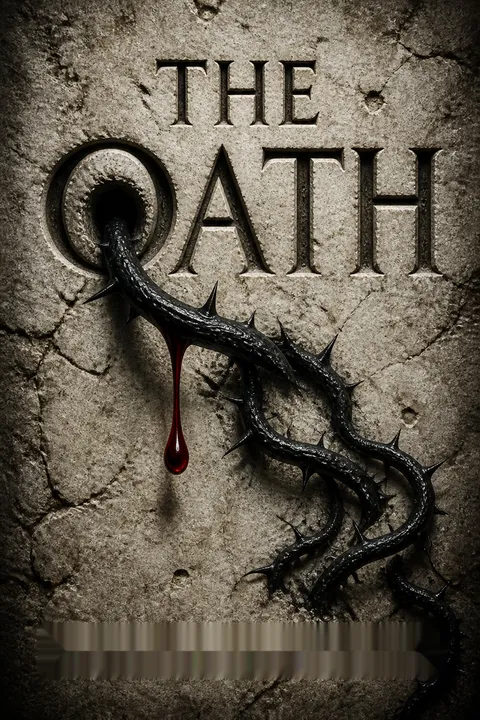

Plot Summary
Blood on the Mountain
Cliff Benson's violent death in the wilds above Hyde River sets the story in motion. His wife, Evelyn, survives the attack, but is left traumatized and unable to recall the details. Steve Benson, Cliff's brother, arrives to investigate, finding a town shrouded in secrecy and fear. The townspeople whisper of bear attacks, but the wounds are too strange, too clean. The sense of something unnatural lurking in the mountains is palpable, and the first hints of a deeper, older evil begin to surface. The emotional weight of loss, confusion, and dread settles over Steve and Evelyn, drawing them into the valley's shadow.
The Mark Appears
As Steve and the townsfolk reel from Cliff's death, a strange, black, oozing mark begins to appear over the hearts of those who have transgressed or are entangled in Hyde River's secrets. Maggie Bly, caught in an affair with Cliff, is cast out by her husband Harold and shunned by the town. The mark is both a physical and spiritual sign, a harbinger of doom. Fear and paranoia spread, as those marked know what fate awaits them. The mark's appearance is a chilling, visceral symbol of the valley's curse, and the first step toward the dragon's hunt.
Stranger in Hyde River
Steve's investigation brings him into direct conflict with Hyde River's insular, suspicious community. He meets Deputy Tracy Ellis, who becomes both ally and skeptic, and Levi Cobb, the town's eccentric mechanic and spiritual outcast. The townspeople, bound by an unspoken oath, refuse to speak of the valley's true dangers. Steve's presence stirs old resentments and new fears, as he uncovers hints of a monstrous presence and the town's history of disappearances. The emotional tension between Steve and Tracy grows, complicated by the valley's oppressive atmosphere and the threat lurking in the shadows.
The Oath of Silence
The town's founding is revealed to be rooted in violence and a blood oath of secrecy. Generations ago, the townsfolk swore never to reveal the horrors that birthed Hyde River, binding themselves and their descendants to silence. This oath, meant to protect the community, instead becomes a prison, allowing the dragon—an embodiment of sin—to thrive unchecked. The townspeople's refusal to confront or confess their guilt feeds the beast, and the cycle of denial and destruction continues. The emotional cost of this silence is isolation, fear, and the slow erosion of conscience.
The Dragon's Prey
As the mark spreads, the dragon begins to hunt those it claims. Maggie, driven mad by fear and guilt, is lured to her doom. Others—Vic Moore, Charlie Mack—succumb in turn, each displaying the telltale mark before vanishing or dying in grotesque, unexplained ways. The dragon is both literal and symbolic, a supernatural predator that feeds on the town's unrepented sin. The emotional impact is terror and fatalism; the marked become resigned to their fate, and the unmarked live in denial, hoping the beast will pass them by.
Secrets and Superstitions
Steve and Tracy dig deeper, uncovering the valley's folklore and the true nature of the dragon. They learn of the town's founding massacre, the blood oath, and the way the dragon has been used as both scapegoat and enforcer. Levi Cobb's research and the hidden diaries reveal that the dragon is not just a monster, but the living consequence of the town's collective sin and denial. The emotional arc is one of revelation and horror, as Steve realizes the beast is intimately connected to the hearts of its victims.
The Town's Dark Heart
As the dragon's attacks escalate, the town's leaders—especially Harold Bly—tighten their grip, using fear and violence to maintain control. The mark spreads among the townsfolk, and the community turns on itself, purging outsiders and dissenters. The emotional tone is one of paranoia, betrayal, and the collapse of social order. Steve and Tracy, now fugitives, see the true cost of the oath: a town willing to destroy itself rather than face the truth.
The Sin That Devours
Steve's encounters with the dragon become more direct and personal. He discovers that the mark is not just a sign of guilt, but a spiritual hook—the dragon is drawn to those who have surrendered to sin and no longer care. The beast's camouflage and predatory cunning mirror the insidiousness of unconfessed evil. Levi's spiritual insights and sacrificial actions point Steve toward the only possible victory: confronting the dragon not with weapons, but with repentance and faith. The emotional journey is one of humility, desperation, and the first glimmers of hope.
The Purge Begins
The town descends into chaos as Bly and his followers begin a violent purge, driving out or killing those who do not conform. The dragon's influence is everywhere—looting, arson, and murder become rampant. The mark is now widespread, and the townspeople, in their frenzy, become both victims and perpetrators. Steve and Tracy, marked and hunted, flee into the mountains, pursued by both the dragon and the mob. The emotional tone is one of panic, loss, and the shattering of all illusions of safety.
The Dragon Unleashed
The dragon, wounded but enraged, descends upon the town in a final, apocalyptic rampage. Fires consume buildings, and the townspeople are slaughtered or scattered. Steve, armed with Levi's lance and spiritual resolve, lures the dragon into a trap. The confrontation is both physical and metaphysical—a battle not just for survival, but for the soul. The emotional climax is terror, sacrifice, and the desperate hope for redemption.
Chains of Denial
As the dragon is mortally wounded, the true nature of the curse is laid bare. The townspeople, stripped of their illusions, must face the consequences of generations of denial and complicity. Bly, the last of the Hyde line, is devoured by the beast he thought he controlled. Steve, having confessed and repented, is freed from the mark. The emotional resolution is bittersweet—victory comes at great cost, and the scars of the valley's history remain.
The Hunter and the Hunted
In the aftermath, Steve mourns the loss of Tracy, Levi, and others who fell to the dragon. The town is in ruins, its people scattered or dead. Yet, in the ashes, there is a sense of release—the curse is broken, and those who survived have a chance to begin anew. Steve's journey from skeptic to believer, from outsider to redeemer, is complete. The emotional arc is one of grief, gratitude, and the tentative hope of healing.
The Lair of Bones
Steve's exploration of the dragon's lair reveals the physical evidence of a century of predation—bones, relics, and the remains of the town's victims. The horror is overwhelming, but it also brings closure. The dragon's death is not just the end of a monster, but the breaking of a spiritual bondage. The emotional tone is one of catharsis, sorrow, and the beginning of understanding.
The Final Confrontation
The climactic battle in the mining complex pits Steve, armed with faith and Levi's lance, against the dragon and the last defenders of the old order. The dragon is slain not by brute force, but by Steve's refusal to bow, his confession, and his reliance on a power greater than himself. The emotional peak is triumph mixed with exhaustion and loss.
The Price of Freedom
With the dragon dead and Bly destroyed, the survivors must reckon with the cost of their deliverance. The town is devastated, and many are lost, but the curse is lifted. Steve and Evelyn, scarred but free, look toward the future. The emotional tone is one of mourning, relief, and the fragile hope of rebuilding.
Aftermath and Ashes
The authorities arrive to find chaos, destruction, and a mystery they cannot explain. The truth of the dragon is buried once more, but those who lived through it know what was at stake. Levi's legacy, the diaries, and Steve's testimony remain as warnings for the future. The emotional resolution is somber, reflective, and quietly hopeful.
The Oath Endures
In the epilogue, Steve reflects on the meaning of the ordeal. The dragon is gone, but the danger of denial, unconfessed sin, and the temptation to hide from truth remains. The oath of Hyde River is both a cautionary tale and a call to vigilance. The emotional note is one of humility, wisdom, and the enduring struggle between darkness and light.
Analysis
Frank Peretti's The Oath is a masterful fusion of supernatural thriller and allegorical morality tale, using the conventions of horror to explore the devastating power of unconfessed sin and communal denial. The dragon, both monster and metaphor, externalizes the internal rot that festers when individuals and societies refuse to confront their guilt. The mark over the heart is a brilliant device, making visible the invisible consequences of moral compromise. The narrative's structure—interweaving present action with historical documents—underscores the generational nature of evil and the way silence and secrecy perpetuate cycles of destruction. The story's emotional arc is one of terror, grief, and ultimately, hard-won redemption. Steve Benson's journey from rational skeptic to humbled believer mirrors the reader's own confrontation with uncomfortable truths: that evil, left unchallenged, grows ever more powerful, and that freedom comes only through confession, repentance, and the courage to break the silence. The novel's final message is both sobering and hopeful: the dragon may be slain, but the temptation to take the oath, to hide from truth, endures. Only vigilance, humility, and honesty can keep the darkness at bay.
Review Summary
The Oath receives mixed reviews, averaging 4.07 out of 5. Many readers praise its gripping suspense, compelling allegory of sin, and Peretti's vivid Pacific Northwest setting, comparing him favorably to Stephen King. Fans of Christian fiction particularly appreciate its powerful spiritual message, embodied by a dragon symbolizing sin's destructive nature. However, critics argue the religious messaging becomes heavy-handed in the final act, with some feeling blindsided by its Christian themes, and others finding the prose repetitive and the minor characters underdeveloped.
Characters
Steve Benson
Steve is a wildlife biologist and the brother of Cliff Benson, whose death draws him into Hyde River's web of secrets. Initially skeptical and rational, Steve's journey is one of psychological and spiritual transformation. He confronts not only the town's monstrous evil but also his own pride, guilt, and capacity for denial. His relationships—with Evelyn, Tracy, and Levi—force him to face uncomfortable truths about himself and the world. By the end, Steve becomes a symbol of redemption through confession, humility, and faith, breaking the curse that has bound the valley for generations.
Tracy Ellis
Tracy is a local sheriff's deputy, torn between her duty, her skepticism, and her growing feelings for Steve. She is both a product of Hyde River and a rebel against its traditions. Her psychological struggle is with trust, vulnerability, and the temptation to escape her past through relationships. Marked by the dragon, she ultimately succumbs to the curse, her fate a warning about the cost of denial and the seductive power of sin. Her death is a pivotal emotional blow for Steve and a catalyst for his final transformation.
Levi Cobb
Levi is the town's eccentric mechanic, shunned for his outspoken faith and refusal to keep the oath of silence. He is the only character who fully understands the dragon's nature and the spiritual dynamics at play. Levi's psychoanalysis reveals a man both wounded and wise, whose isolation is the price of truth-telling. His sacrificial actions and guidance provide Steve with the tools—both literal and spiritual—to confront the dragon. Levi's death is both a loss and a legacy, his teachings the key to breaking the curse.
Harold Bly
Bly is the owner of the Hyde Mining Company and the last of the Hyde line. He wields power through fear, violence, and the perpetuation of the oath. Psychologically, Bly is consumed by pride, denial, and the illusion of control. He believes he can bargain with the dragon, but is ultimately devoured by the very evil he fostered. His downfall is the climax of the town's reckoning with its own history and guilt.
Evelyn Benson
Evelyn is Cliff's widow and Steve's sister-in-law. Traumatized by the dragon's attack, she struggles with memory, grief, and the burden of truth. Her psychological journey is one of recovery, forgiveness, and spiritual awakening. Evelyn's resistance to the mark and her role as a witness are crucial to Steve's understanding and ultimate victory. She represents the possibility of healing and new beginnings after devastation.
Maggie Bly
Maggie, Harold's wife and Cliff's lover, is marked early and hunted by the dragon. Her descent into madness and her eventual death are emblematic of the destructive power of unconfessed sin and communal denial. Maggie's fate is both a warning and a catalyst for the unraveling of Hyde River's secrets.
Charlie Mack
Charlie is the tavern owner, a man who tries to survive by going along with the town's rules. When he breaks the oath and tries to help Steve, he is marked and destroyed. Charlie's psychological arc is one of fear, rationalization, and eventual despair. His death illustrates the futility of trying to remain neutral in the face of evil.
Phil Garrett
Phil is a minor but significant character, used by Bly to enforce the town's will. Marked and driven by fear, he becomes both perpetrator and victim. His psychological unraveling and eventual suicide in jail highlight the corrosive effects of the oath and the dragon's influence.
Reverend Ron Woods
Woods is the town's pastor, a man who tries to keep the peace but ultimately fails to confront the evil at Hyde River's core. His psychoanalysis reveals a man trapped by his own need for acceptance and his inability to challenge the status quo. Woods's fate is a cautionary tale about the dangers of moral compromise and the limits of good intentions.
The Dragon
The dragon is both a literal monster and a psychological/spiritual force. It is drawn to those who are marked—those who have surrendered to sin and no longer care. Its camouflage, cunning, and predatory nature mirror the insidiousness of evil and denial. The dragon's relationship to the town is symbiotic; it thrives on their secrets, guilt, and refusal to confess. Its death is both a physical and metaphysical victory, but its legacy endures as a warning.
Plot Devices
The Mark of Sin
The black, oozing mark over the heart is the central plot device, serving as both a literal and symbolic indicator of guilt, denial, and impending doom. It foreshadows the dragon's approach and the victim's fate, externalizing the internal reality of unconfessed sin. The mark's progression—from pain to numbness—mirrors the psychological process of rationalization and eventual surrender to evil.
The Oath of Silence
The town's blood oath, sworn generations ago, is both a narrative structure and a psychological prison. It explains the community's refusal to confront or confess its history, perpetuating the cycle of violence and denial. The oath is reinforced through social pressure, violence, and the threat of the dragon, creating a closed system where evil can flourish unchecked.
The Dragon as Allegory
The dragon operates on multiple levels: as a supernatural predator, a symbol of collective guilt, and a psychological force. Its camouflage and hunting methods reflect the subtlety and persistence of unaddressed evil. The narrative structure uses the dragon's attacks to escalate tension, reveal character, and drive the plot toward confession and redemption.
Diaries and Historical Documents
The inclusion of diaries, letters, and the town charter provides backstory, foreshadows current events, and gradually reveals the true nature of the curse. These documents serve as both exposition and a means of connecting past and present, showing how the sins of the fathers are visited upon the children.
The Lance and the Trap
Levi's lance, designed to pierce the dragon's scales, is both a literal weapon and a symbol of spiritual truth. The final trap—using the lance and the tunnel—mirrors the need for cunning, faith, and self-sacrifice in confronting evil. The narrative structure builds to this confrontation, using foreshadowing and repeated motifs to prepare the reader for the climax.
Narrative Structure and Foreshadowing
The story alternates between present action, historical documents, and character backstories, creating a layered narrative that builds suspense and deepens psychological complexity. Foreshadowing is used extensively—through marks, dreams, and legends—to create a sense of inevitability and to prepare the reader for the story's revelations and twists.
Download PDF
Download EPUB
.epub digital book format is ideal for reading ebooks on phones, tablets, and e-readers.








































