
Plot Summary
A Stranger's Proposal
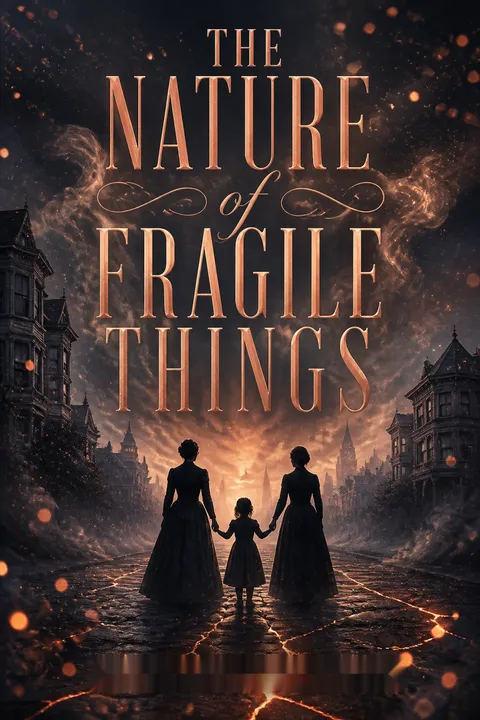
In 1905, Sophie Whalen, an Irish immigrant struggling in New York's tenements, answers a newspaper ad from Martin Hocking, a widower in San Francisco seeking a wife and mother for his young daughter. Sophie, longing for stability and a home, agrees to marry a man she's never met. Her decision is driven by hunger, loneliness, and the hope for a better life. She boards a train, leaving behind her past and her family's expectations, determined to embrace whatever awaits her on the West Coast. The journey is both literal and emotional—a leap into the unknown, fueled by hope and the ache of past losses. Sophie's vulnerability and resilience are palpable as she steps off the ferry, ready to become someone new.
Arrival in San Francisco
Sophie's first encounter with Martin is formal and businesslike, lacking romance but full of practical arrangements. She meets Kat, Martin's silent daughter, and is introduced to their new home—a well-appointed house that feels both promising and strange. The marriage is swift, almost transactional, and Sophie quickly realizes that affection is not part of the bargain. Martin is distant, focused on appearances and his mysterious work. Sophie's longing for connection is met with silence from both her husband and stepdaughter. Yet, she clings to the hope that she can build a family and find belonging, even as she senses that Martin's secrets run deep.
The Silent Child
Kat, Martin's daughter, is withdrawn and nearly mute, traumatized by her mother's death and her father's emotional distance. Sophie tries to reach her, offering kindness and patience, but Kat remains locked in her own world. The child's silence is both a symptom of grief and a shield against further pain. Sophie's attempts to nurture Kat are met with small, tentative signs of trust, but the bond is fragile. The house is filled with unspoken sorrow, and Sophie realizes that healing will require more than time—it will demand truth and love, both of which are in short supply.
A Marriage of Convenience
Sophie and Martin's marriage is defined by practicality rather than passion. Martin is often absent, traveling for work, and when home, he is emotionally unavailable. Sophie manages the household and cares for Kat, finding solace in routine and small victories. She befriends Libby, a neighbor, but their friendship is superficial, highlighting Sophie's isolation. The community's expectations and Martin's insistence on appearances force Sophie to maintain the illusion of a happy family. Beneath the surface, however, secrets fester, and Sophie's sense of unease grows as she notices inconsistencies in Martin's stories and behavior.
Earthquake and Aftermath
The 1906 earthquake devastates the city, destroying homes and lives. Sophie, Kat, and Martin are separated in the chaos. Sophie's resourcefulness and courage emerge as she navigates the ruins, seeking safety for herself and Kat. The disaster exposes the fragility of their constructed life and forces Sophie to confront the reality of her marriage. Amidst the rubble, she discovers that survival depends not just on strength, but on the willingness to trust and be trusted. The earthquake becomes a metaphor for the upheaval in Sophie's own life, breaking apart what was false and making space for something new.
The Neighbor's Visit
Libby, Sophie's neighbor, offers help and companionship, but their relationship is marked by misunderstanding and social distance. Libby's well-meaning but shallow gestures highlight Sophie's outsider status and the limitations of charity. Sophie longs for genuine friendship and support, but finds it only in fleeting moments. The visit underscores the importance of solidarity among women, especially in times of crisis, and foreshadows the deeper bonds Sophie will form with others who share her struggles and secrets.
Secrets and Suspicion
As Martin's behavior grows more erratic and secretive, Sophie becomes increasingly suspicious. She discovers locked drawers, unexplained absences, and inconsistencies in his stories about work and family. Her attempts to uncover the truth are met with deflection and coldness. The marriage, already fragile, is strained further by mistrust. Sophie's isolation deepens, and she begins to question not only Martin's honesty but her own judgment in marrying him. The sense of danger grows, and Sophie realizes that the stability she sought may have been an illusion all along.
The Other Wife
Belinda, a heavily pregnant woman, arrives at Sophie's door searching for her missing husband, James Bigelow. To their mutual horror, they realize that Martin and James are the same man—Sophie's husband is a bigamist, living a double life. The two women, both deceived and betrayed, form an uneasy alliance as they piece together Martin's lies. Belinda's vulnerability and Sophie's empathy create a bond forged in shared pain. Together, they confront the reality that their lives have been built on Martin's manipulations, and that their futures depend on uncovering the full extent of his deceit.
Unraveling Martin's Lies
Sophie and Belinda search Martin's locked desk and discover a trove of forged documents, marriage certificates, and evidence of multiple identities. They learn that Martin has a history of marrying women for their money or property, then discarding them when convenient. The discovery that Kat's mother, Candace, is still alive—hidden away in a sanatorium—shatters Sophie's sense of self. She realizes that her role as Kat's mother is based on another of Martin's lies. The women's anger and fear are tempered by a determination to protect themselves and Kat from further harm.
The Boiler Room Discovery
In the boiler room, Sophie and Belinda find bottles filled not with hair tonic, but with gold ore from Belinda's family mine. Martin's marriage to Belinda was motivated by greed—he sought to gain legal access to the mine's riches. The revelation that Martin may have killed to cover his tracks, including the suspicious death of a previous wife, deepens the sense of peril. The women realize that Martin is not just a liar and a bigamist, but potentially a murderer. Their alliance becomes a lifeline as they plot their escape and the protection of their children.
The Truth About Kat
Sophie is forced to confront the painful truth that Kat's real mother is alive and longing for her child. The bond Sophie has built with Kat is genuine, but it is rooted in deception. Sophie's love for Kat is tested as she prepares to reunite the child with Candace, sacrificing her own happiness for Kat's well-being. The women's solidarity is strengthened by their shared experiences of loss, betrayal, and resilience. Together, they redefine what it means to be a mother, a friend, and a survivor.
The Earthquake's Reckoning
As Martin returns, intent on silencing Sophie and Belinda, a violent confrontation erupts. In the chaos, Kat pushes Martin down the stairs to protect Belinda and her unborn child. The earthquake strikes at that moment, compounding the destruction and providing cover for the women's escape. The city burns, and the women flee with their children, navigating a landscape of devastation and uncertainty. The earthquake becomes both a literal and symbolic force, erasing the past and forcing the characters to confront their deepest fears and desires.
Escape and Survival
Sophie, Kat, and Belinda, now joined by newborn Sarah, survive as refugees in the aftermath of the earthquake and fire. They endure hunger, exhaustion, and the constant threat of danger, relying on each other for strength. The experience cements their sisterhood, transforming them from victims into survivors. The destruction of their homes and the loss of their former lives create space for new beginnings. The women's resilience and resourcefulness shine as they carve out a future from the ashes.
Sisterhood in Ruins
The women find refuge at Belinda's family inn, where they begin to rebuild their lives. Candace, Kat's mother, joins them, and the unconventional family they form becomes a source of healing and hope. The bonds between Sophie, Belinda, and Candace transcend blood and legality, rooted instead in mutual respect, compassion, and shared experience. Together, they create a home where their children can thrive, and where the wounds of the past can begin to heal. The story celebrates the power of female solidarity and the possibility of redemption.
The Final Confrontation
As the authorities investigate Martin's disappearance, Sophie is forced to confront her own past and the choices she has made. She confesses her true identity and the circumstances of her first husband's death, risking everything to protect Kat and her new family. The investigation reveals the full extent of Martin's crimes, but also the strength and integrity of the women he tried to destroy. Sophie's willingness to face the truth, accept responsibility, and act with compassion becomes her ultimate act of courage.
Ashes and New Beginnings
With Martin gone and the past laid to rest, Sophie, Kat, Belinda, and their children create a new home together. The scars of loss and betrayal remain, but they are tempered by love, resilience, and the promise of a better future. The story ends with a sense of hope and renewal, as the characters embrace the possibility of happiness and the enduring power of chosen family. The nature of fragile things, the novel suggests, is not just to break, but to be remade—stronger, wiser, and more beautiful than before.
The Interview
Sophie is summoned for a formal interview with a U.S. marshal investigating Martin's disappearance and possible crimes. The interrogation is intense, probing not only Martin's actions but Sophie's own history and motivations. Sophie must navigate a web of lies, half-truths, and painful memories, balancing her need for self-preservation with her commitment to honesty and justice. The interview becomes a crucible, forcing Sophie to confront who she is and what she stands for.
Sophie's Past Revealed
In the final reckoning, Sophie's true identity is exposed—she is not who she claimed to be, but a survivor of abuse and loss who took her dead sister's name to escape her past. The marshal, recognizing her integrity and the justice of her actions, chooses compassion over prosecution. Sophie is given the chance to start anew, free from the shadows of her former life. The story closes with a vision of hope: a family forged in adversity, a future built on love, and the enduring strength of the human spirit.
Analysis
A meditation on resilience, identity, and the power of chosen familyThe Nature of Fragile Things is a historical thriller and emotional drama that explores how women, marginalized by society and betrayed by those they trust, find strength in each other and the courage to begin again. Through Sophie's journey—from desperate immigrant to protector and mother—the novel examines the ways in which trauma shapes identity and the possibility of redemption through love and solidarity. The earthquake serves as both a literal and metaphorical force, breaking apart what is false and making space for new growth. The story challenges traditional notions of family, motherhood, and justice, suggesting that true belonging is forged not by blood or legality, but by compassion, sacrifice, and the willingness to face the truth. Ultimately, the novel is a testament to the enduring strength of women, the necessity of confronting the past, and the hope that even the most fragile things can be remade—stronger and more beautiful than before.
Review Summary
The Nature of Fragile Things is a captivating historical fiction novel set during the 1906 San Francisco earthquake. Readers praise Meissner's storytelling, character development, and ability to transport them to the era. The book follows Sophie, an Irish immigrant who becomes a mail-order bride, and explores themes of friendship, motherhood, and survival. Many reviewers found the plot engaging, with unexpected twists and a compelling mystery. While some felt certain aspects could have been further developed, overall the novel was highly recommended for its blend of history, suspense, and emotional depth.
People Also Read










Characters
Sophie Whalen (Saoirse Whalen McGough)
Sophie is the heart of the novel—a young Irish immigrant whose life is marked by loss, trauma, and the relentless search for home. Her marriage to Martin is an act of desperation, but also of hope. Sophie's nurturing spirit and fierce loyalty drive her to protect Kat and forge bonds with other women betrayed by Martin. Psychologically, Sophie is shaped by childhood grief, domestic abuse, and the guilt of surviving when others did not. Her journey is one of self-discovery, as she learns to trust, love, and ultimately forgive herself. Sophie's transformation from victim to protector is both poignant and empowering, embodying the novel's themes of resilience, redemption, and the power of chosen family.
Martin Hocking (aka James Bigelow, Clyde Merriman, Percy Grover, Clayton Sharpe)
Martin is the novel's antagonist—a man of many faces and no conscience. He preys on vulnerable women, marrying for money, property, or advantage, and discarding or destroying those who outlive their usefulness. Martin's psychological profile is that of a sociopath: charming, intelligent, and utterly devoid of empathy. His relationships are transactional, and his capacity for violence is masked by a veneer of respectability. Martin's ultimate downfall is precipitated by the very women he sought to control, whose solidarity and courage expose his crimes and end his reign of terror.
Kat Hocking
Kat is Martin's daughter, rendered nearly mute by the loss of her mother and her father's emotional neglect. Her silence is both a symptom of trauma and a form of resistance. Kat's bond with Sophie is transformative, offering her the safety and affection she craves. As the story unfolds, Kat's gradual return to speech and trust mirrors the healing power of love and stability. Her actions during the novel's climax reveal a deep well of courage and loyalty, and her journey is a testament to the resilience of the human spirit.
Belinda Bigelow
Belinda is Martin's second wife, drawn into his web by love and the promise of security. Pregnant and abandoned, she seeks answers and finds instead a sister in Sophie. Belinda's psychological arc is one of betrayal, grief, and eventual empowerment. Her willingness to confront the truth and protect her child, even at great personal cost, underscores the novel's celebration of female solidarity. Belinda's friendship with Sophie becomes a lifeline, and together they redefine what it means to be family.
Candace Hocking
Candace is Kat's biological mother, hidden away in a sanatorium and presumed dead by her daughter. Her absence haunts both Kat and Sophie, and her eventual return forces a reckoning with the past. Candace's psychological journey is marked by guilt, illness, and the longing for forgiveness. Her reunion with Kat is bittersweet, offering both healing and the pain of letting go. Candace's decision to entrust Kat to Sophie is an act of profound love and selflessness, cementing the bonds of their unconventional family.
Libby Reynolds
Libby represents the superficial kindness and social hierarchies of early 20th-century San Francisco. Her friendship with Sophie is marked by misunderstanding and condescension, highlighting the isolation of outsiders and the limitations of charity. Libby's character serves as a foil to the deeper, more authentic connections forged between Sophie, Belinda, and Candace.
Elliot Chapman
Elliot is Belinda's childhood friend and eventual confidant, embodying loyalty, patience, and quiet strength. His unrequited love for Belinda and his willingness to support her through crisis contrast sharply with Martin's predatory behavior. Elliot's presence offers a vision of what true partnership and support can look like, and his role in the women's survival is both practical and emotional.
Deputy Ambrose Logan
The U.S. marshal investigating Martin's disappearance, Logan is both adversary and advocate. His probing questions force Sophie to confront her past, but his ultimate compassion and understanding allow her to escape the cycle of victimization. Logan's own losses and commitment to justice create a bond of empathy with Sophie, and his decision to let her go is an act of mercy that underscores the novel's moral complexity.
Sarah Bigelow
Sarah is Belinda's newborn daughter, symbolizing hope, renewal, and the possibility of healing. Her birth during the earthquake's aftermath is both a literal and metaphorical rebirth for the women who care for her. Sarah's presence cements the bonds of sisterhood and offers a vision of a future untainted by the sins of the past.
Sam (Sophie's Second Husband)
Sam enters Sophie's life after the events of the novel, marrying her and providing stability and love for Kat. His acceptance and kindness help heal the wounds left by Martin, and his role as "Da" to Kat and partner to Sophie represents the possibility of happiness after trauma.
Plot Devices
Dual Identities and Hidden Pasts
The novel's central plot device is the use of false identities—Martin's multiple aliases and Sophie's assumption of her dead sister's name. These deceptions drive the narrative, creating suspense and forcing characters to confront the consequences of their choices. The revelation of true identities is both a source of danger and a catalyst for transformation, as characters must decide whether to cling to the past or embrace a new future.
Epistolary and Interview Structure
The story is punctuated by interviews, letters, and official documents, lending an air of authenticity and immediacy. These devices allow for multiple perspectives, foreshadowing, and the gradual unveiling of secrets. The interview scenes, in particular, heighten tension and force characters to reckon with their actions.
Female Solidarity and Found Family
The novel's emotional core is the bond between Sophie, Belinda, and Candace—women betrayed by the same man who find strength in each other. Their alliance is both a survival strategy and a source of healing, challenging traditional notions of family and motherhood. The creation of a chosen family becomes a powerful counterpoint to the destruction wrought by Martin and the earthquake.
The Earthquake as Metaphor
The 1906 earthquake is both a literal and symbolic event, shattering the characters' lives and exposing hidden truths. The destruction of the city parallels the collapse of false identities and the forging of new ones. The earthquake's aftermath provides a crucible in which characters are tested, broken, and ultimately remade.
Foreshadowing and Suspense
The novel employs foreshadowing through locked doors, mysterious absences, and the gradual revelation of Martin's crimes. Suspense is maintained by the constant threat of exposure, violence, and loss. The reader is kept guessing about characters' motives and the ultimate resolution until the very end.

Download PDF
Download EPUB
.epub digital book format is ideal for reading ebooks on phones, tablets, and e-readers.








































