
Plot Summary
Ghosts Beneath the Bronze
In 1997, a statue of Benjamin Costello rises in the center of Darren, Kentucky, commemorating a war hero and mayor. But from the window of a nearby asylum, Eloise Price—imprisoned for his murder fifty years ago—watches the ceremony. She recalls the night she poisoned Benjamin with hemlock-laced tea, her memories haunted by the ghosts of the past. The town's official narrative is one of honor and progress, but beneath the bronze, secrets fester: betrayal, violence, and the silenced stories of women. Eloise's voice, long ignored, is ready to tell the truth about what really happened in the hills, and about the women who shaped—and were shaped by—this place.
The Artist's Arrival
Antigone "Tig" Costello, a young artist from Michigan, is summoned to Darren to paint her grandfather Benjamin's portrait for the new memorial. Haunted by trauma from her life in Chicago, Tig is hesitant, but her father insists she go, hoping the journey will help her heal and uncover family roots. Arriving in Darren, Tig is met with suspicion and curiosity. She lodges above Mae's Soap and Spool Shop, where the formidable Mae lays down strict rules. The town is insular, proud of its war heroes, and wary of outsiders—especially women who ask too many questions. Tig senses that the story she's been asked to paint is only the surface of something much deeper and darker.
Roots and Ruins
Tig explores Darren's landscape, noting the contrast between the town's decaying infrastructure and the lush, burning beauty of the Appalachian hills. She learns about her grandfather's legacy: the railway he built, the prosperity he promised, and the mysterious circumstances of his death. The Costello family tree is sparse, marked by loss and silence. Tig's grandmother, Valerie, fled Darren after Benjamin's murder, never speaking of her past. As Tig visits the statue and the Costello House museum, she feels the weight of unspoken histories—especially those of the women who lived, suffered, and disappeared in the shadows of the men's stories.
The Woman in the Woods
Haunted by her own recent trauma, Tig struggles to paint. She recalls her last work in Chicago, "The Woman in the Woods," a painting she destroyed after being assaulted. The act of erasure mirrors the way women's stories are erased in Darren. Tig finds a photograph of her grandmother as a teenager, standing in a river surrounded by trees, and wonders about the life Valerie left behind. The urge to uncover the truth about her family—and about herself—grows stronger, even as the town's silence presses in. The woods, both in art and reality, become a symbol of what is hidden and what must be found.
The Witch on the Hill
Eloise Price, the so-called "witch" of Whitmore Halls, is infamous in Darren for killing Benjamin. Through Tig's visits to the asylum, Eloise begins to tell her story: of growing up in the shadow of Whitmore Halls, of her mother Joan's tragic death, and of being raised by her formidable aunt Ulma, a midwife and herbalist. Eloise's childhood is marked by loneliness, cruelty, and a fierce intelligence. She learns the secrets of plants and healing, but also the dangers of being a woman with knowledge in a world that fears and punishes such women. The house on the hill becomes both sanctuary and prison.
Secrets in the Soap Shop
Mae, the soapmaker, is both gatekeeper and survivor. She teaches Tig the art of soapmaking, a tradition passed down through generations of women. As they work, Mae reveals fragments of local history: the coal mines, the missing women, the rumors about Whitmore Halls. The shop is a place of female community and resilience, but also of caution—Mae warns Tig not to attract trouble. Through Mae, Tig glimpses the ways women have always supported and protected each other, even as they are judged and constrained by the town's patriarchal norms.
The Asylum's Confession
Tig visits Eloise in the asylum, seeking answers about Benjamin's death. Eloise, sharp and enigmatic, agrees to tell her story in exchange for red oak leaves—her only connection to the outside world. Through their conversations, Eloise reveals the hidden history of Whitmore Halls: a place where women came for help, for healing, and sometimes for escape. She describes her friendship with Benjamin as children, their shared adventures, and the moment their paths diverged. Eloise's narrative is both confession and indictment, challenging the town's official version of events.
Moonflowers and Midwives
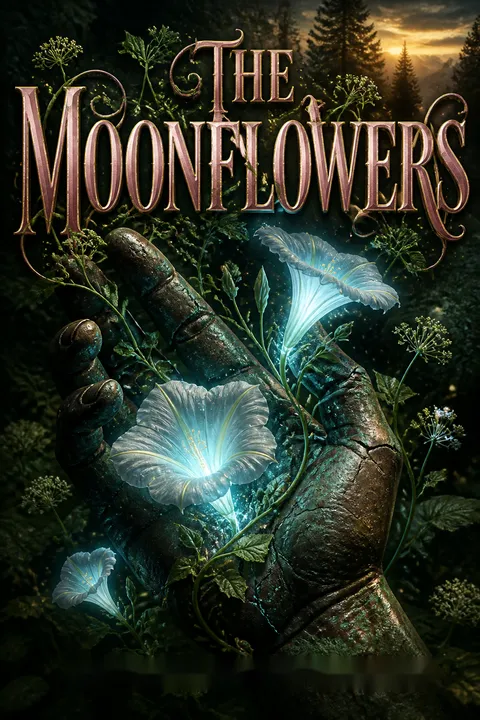
Eloise recounts how Ulma, her aunt, transformed Whitmore Halls into a haven for women in need. As a midwife and herbalist, Ulma provided care that the town's male doctors would not—or could not—offer. Women came to the house for remedies, for abortions, for sanctuary from abusive men. Eloise learns the power and peril of women's medicine, and the constant threat of violence from those who see such knowledge as dangerous. The moonflower, blooming only at night, becomes a symbol of the secret network of women helping women, hidden in plain sight.
Missing Women, Hidden Stories
The town is haunted by the stories of women who went missing—Marjorie Thomas, Joyce Hammond, Dana Fields, and others. Men like Stan spread rumors that Eloise and Ulma killed babies and buried them in the woods. In reality, many of these women were fleeing abuse, helped by the women of Whitmore Halls to escape to Chicago and other cities. The "missing" are not dead, but saved—though at great personal risk to those who helped them. The town's refusal to see the truth is both willful and self-protective, preserving the myth of male heroism at the expense of women's lives.
The Oak Rocket Pact
Eloise and Benjamin's childhood friendship is marked by mischief, loyalty, and a shared sense of being outsiders. They build the "Oak Rocket," a hollowed-out tree that becomes their secret refuge. But as they grow older, their paths diverge—Benjamin is drawn into the town's expectations, while Eloise remains on the margins. A traumatic incident—helping a woman in labor in the woods—marks the end of their innocence and the beginning of their estrangement. The Oak Rocket becomes a symbol of lost possibility and the choices that shape their fates.
The Baby and the River
Valerie's marriage to Benjamin is marked by tragedy. Their first child, David, dies in infancy, and Valerie is consumed by grief and guilt. Benjamin blames her, and their relationship deteriorates into abuse and isolation. Valerie's diary, discovered by Tig, reveals the depth of her suffering and her growing desperation. The river, ever-present in the landscape, becomes a metaphor for both escape and drowning—a place where women go to lose themselves or to be reborn. The cycle of loss and survival is repeated across generations.
Hemlock and Lemon Pie
The night of Benjamin's death is finally revealed. Benjamin, drunk and vengeful, confronts Eloise and Valerie at Whitmore Halls, threatening to expose their work and destroy their lives. Valerie, pushed to the brink by years of abuse and loss, poisons Benjamin's tea with hemlock—a plant she learned about from Eloise. Eloise helps cover up the crime, moving Benjamin's body and taking the blame to protect Valerie and the other women. The murder is both an act of justice and a desperate bid for survival, breaking the silence that has suffocated the women of Darren for generations.
The Price of Silence
Eloise confesses to Benjamin's murder, knowing it will save Valerie and the clandestine clinic at Whitmore Halls. She is imprisoned, her story twisted by the town into a cautionary tale about dangerous women. Ruth, the abortion doctor, flees to Chicago, where she continues her work underground. Charles, Eloise's cousin, remains at Whitmore Halls, quietly helping women escape for decades. The cost of silence is high—Eloise loses her freedom, Valerie her home, and Ruth her peace. Yet their sacrifices ensure that other women can survive and choose their own destinies.
The Legacy of Leaves
Tig pieces together the true history of her family: her father is not Benjamin's biological son, but Ruth's, given to Valerie to raise after Ruth's rape by Benjamin. The red oak leaves, pressed and preserved by Eloise, symbolize the hidden connections between generations of women. Tig's journey becomes one of healing—not just for herself, but for the women whose stories were erased. She rejects the commission to paint Benjamin's portrait, refusing to perpetuate the myth of male heroism. Instead, she creates a new memorial, honoring the courage and resilience of the women who survived.
The Statue Reimagined
On her last night in Darren, Tig covers Benjamin's statue with papier-mâché strips made from missing women's posters, transforming the monument into a testament to the women whose stories were silenced. The act is both protest and reclamation, forcing the town to confront the truth beneath the bronze. Tig's art becomes a form of resistance, challenging the official narrative and honoring the real heroes of Darren—the women who endured, resisted, and helped each other survive.
The Truth in the Trees
Tig returns to Ann Arbor, changed by what she has learned. She shares the truth with her father, who has always suspected he was not Benjamin's son. Together, they begin to heal the wounds of the past, recognizing the strength and sacrifice of the women who came before them. The red oaks, with their shallow but far-reaching roots, become a metaphor for the interconnectedness of women's lives and histories. Tig's final painting is not of Benjamin, but of the women in the woods—the true heart of Darren's story.
The Last Train North
As Tig leaves Darren, she visits the Chicago clinic founded by Ruth and her allies, witnessing the ongoing struggle for women's autonomy and safety. The stories of the moonflowers—the women who escaped, survived, and helped others—live on in the letters and memories preserved at the clinic. Tig's journey ends where it began: in the woods, among the red oaks, painting the women whose courage made her own survival possible. The legacy of the moonflowers endures, blooming in the darkness, offering hope for those still searching for freedom.
Analysis
A modern reckoning with history, memory, and women's agencyThe Moonflowers is a powerful meditation on the ways women's stories are buried beneath the monuments and myths of male heroism. Through its layered narrative and psychologically rich characters, the novel exposes the violence, erasure, and resilience that define the lives of women in a patriarchal society. It challenges readers to question whose stories are commemorated and whose are silenced, and to recognize the ongoing struggle for autonomy, safety, and justice. The book's central lesson is that true courage lies not in the public acts of men, but in the quiet, often invisible work of women supporting and saving each other. By reclaiming the narrative—through art, testimony, and solidarity—the women of Darren transform trauma into legacy, ensuring that the moonflowers will continue to bloom in the darkness. The novel's relevance is heightened in a contemporary context where debates over women's bodies, histories, and rights remain urgent. The Moonflowers insists that healing and justice require not only remembering the past, but also rewriting it—together.
Review Summary
The Moonflowers holds an impressive 4.32/5 rating, with readers praising its lyrical prose, compelling dual timeline, and powerful portrayal of women's resilience. Many highlight its relevance to contemporary discussions around reproductive rights and domestic abuse. Positive reviews celebrate its atmospheric Kentucky setting and richly drawn characters. Critical reviews frequently cite frustration with the book's thematic focus on abortion, describing the subject matter as undisclosed or one-sided. Some readers noted pacing issues and overly descriptive prose, though most acknowledged the strength of the debut writing.
People Also Read

Characters
Antigone "Tig" Costello
Tig is the granddaughter of Benjamin Costello, a young artist grappling with trauma from her past and the weight of her family's legacy. Sent to Darren to paint her grandfather's portrait, she becomes a detective of silences, unraveling the hidden histories of the women in her family and the town. Tig's journey is both external and internal: she confronts her own pain, the erasure of women's stories, and the complicity of art in perpetuating myths. Through her relationships with Mae, Eloise, and the other women of Darren, Tig transforms from a passive observer to an active witness and creator, ultimately rejecting the false heroism of her grandfather and honoring the courage of the women who survived.
Eloise Price
Eloise is the enigmatic "witch" of Whitmore Halls, imprisoned for the murder of Benjamin Costello. Raised by her aunt Ulma after her mother's suicide, Eloise is fiercely intelligent, independent, and marked by loss. She becomes a midwife and herbalist, helping women in need and risking everything to protect them. Eloise's confession to Benjamin's murder is both an act of sacrifice and a refusal to let the town's narrative stand unchallenged. Her psychological complexity lies in her simultaneous vulnerability and strength, her capacity for both tenderness and rage, and her unwavering loyalty to the women she loves. Eloise's story is a testament to the costs and necessity of female solidarity in a hostile world.
Valerie Dunn Costello
Valerie is Tig's grandmother, a woman whose life is defined by loss, resilience, and the burden of secrets. Married to Benjamin, she endures abuse, the death of her first child, and the suffocating expectations of her family and town. Valerie's diary reveals her inner turmoil and her desperate acts of survival—including her role in Benjamin's death. She flees Darren, raising Tig's father as her own and never speaking of the past. Valerie embodies the psychological toll of silence and the quiet heroism of women who endure and protect others at great personal cost.
Ruth Ames
Ruth is a Chicago nurse who becomes a central figure at Whitmore Halls, providing medical care and safe abortions to women in need. Her relationship with Eloise is one of deep love and mutual respect, but also marked by trauma—she is raped by Benjamin and gives birth to Tig's father, whom she cannot raise. Ruth's decision to continue her work in Chicago, founding a clinic and helping countless women, is both an act of courage and a means of survival. Ruth's psychological journey is one of healing, sacrifice, and the ongoing struggle for women's autonomy.
Mae
Mae is the owner of the Soap and Spool Shop, a pillar of the Darren community and a survivor of her own hardships. She is wary of outsiders and fiercely protective of her space, but gradually becomes Tig's confidante and ally. Mae's knowledge of the town's history and her own family's losses (her aunt is one of the missing women) position her as both witness and participant in the ongoing struggle for women's safety and dignity. Mae's pragmatism, humor, and resilience make her a vital link in the chain of female solidarity.
Charles Price
Charles is Eloise's cousin, raised alongside her at Whitmore Halls. Marked by physical and emotional vulnerability, Charles becomes the quiet facilitator of women's escape, driving them to the train station and ensuring their safety. He remains at Whitmore Halls long after others have left, tending to the land and the memory of those who passed through. Charles's loyalty, gentleness, and understated courage contrast with the violence and bravado of the town's men, offering an alternative model of masculinity.
Benjamin Costello
Benjamin is the central male figure whose life and death shape the narrative. Celebrated as a hero, he is in reality a deeply flawed man: abusive to Valerie, complicit in the town's silencing of women, and ultimately a rapist. His murder is both a personal and symbolic act, exposing the rot beneath the town's myth of male heroism. Benjamin's psychological complexity lies in his capacity for charm and cruelty, his longing for escape, and his inability to break free from the cycles of violence he perpetuates.
Ulma Price
Ulma is Eloise's aunt, a formidable woman who transforms Whitmore Halls into a sanctuary for women. Her expertise in herbal medicine and midwifery is both a source of power and danger, making her a target of suspicion and fear. Ulma's pragmatism, compassion, and willingness to defy social norms make her a model of female agency. Her relationship with Eloise is one of mentorship and mutual dependence, shaping the younger woman's path.
Rita Dunn
Rita is Valerie's sister, a woodworker who remains in Darren long after Valerie flees. She is a living link to the past, holding the family's stories and pain. Rita's own survival is marked by trauma—she is one of the women helped by Eloise and Ulma—and by her refusal to let the town's silence erase her or her sister's experiences. Rita's presence in the narrative underscores the importance of bearing witness and passing on the truth.
Jason Grant
Jason is the mayor's assistant and, as it is revealed, the son of one of the missing women. Initially wary of Tig, he becomes her reluctant chauffeur and, eventually, her friend. Jason's journey is one of awakening: he confronts the reality of his family's history, the limitations of the town's narratives, and the need to teach his own daughters a different story. Jason represents the possibility of change and the importance of male allies in the struggle for justice.
Plot Devices
Framed Narrative and Interwoven Timelines
The novel employs a complex narrative structure, alternating between Tig's present-day investigation and Eloise's confessional storytelling. Diaries, letters, and oral histories provide additional layers, allowing the past to bleed into the present. This structure mirrors the process of uncovering buried truths and challenges the reliability of official histories. The use of missing women's posters, pressed leaves, and art as physical artifacts grounds the narrative in tangible evidence, while the recurring motif of the red oak trees and moonflowers symbolizes the persistence and interconnectedness of women's stories.
Foreshadowing and Symbolism
From the opening image of the statue to the recurring references to hemlock, moonflowers, and red oaks, the novel is rich in symbolism. Plants are both tools of healing and instruments of death, embodying the dual nature of women's knowledge. Art—both Tig's paintings and the act of covering the statue—serves as a means of protest, memory, and transformation. The landscape itself, with its rivers, woods, and decaying houses, foreshadows the cycles of loss and renewal that define the characters' lives.
The Unreliable Monument
The statue of Benjamin Costello is a central plot device, representing the town's official narrative and the erasure of women's experiences. Tig's decision to cover the statue with missing women's posters is a literal and symbolic act of rewriting history, forcing the community to confront the truth beneath the myth. The novel interrogates the ways monuments are used to shape collective memory, and the necessity of challenging false idols.
The Hidden Network
The story of the moonflowers—the women who escaped through the clandestine efforts of Eloise, Ulma, Ruth, and Charles—echoes the historical underground railroad. The use of code words, pressed flowers, and secret routes highlights the ingenuity and solidarity of women working against systems of oppression. This device also serves to connect the local story of Darren to broader histories of resistance and survival.
Trauma and Testimony
The novel foregrounds the psychological impact of trauma—personal, familial, and collective. Characters struggle with the burden of silence, the risk of confession, and the need to bear witness. Eloise's storytelling is both cathartic and dangerous, offering Tig (and the reader) a way to process and heal from the wounds of the past. The act of testimony becomes a form of resistance, challenging the structures that demand women's silence.
Download PDF
Download EPUB
.epub digital book format is ideal for reading ebooks on phones, tablets, and e-readers.








































