
Plot Summary
Arrival at the Trial
Nefeli "Neffy" arrives at a London medical unit to participate in a paid vaccine trial for a deadly new virus. She's escaping personal debts and a fraught relationship with her stepbrother Justin, seeking both money and a sense of purpose. The unit is sterile, impersonal, and filled with the anxious energy of impending risk. Neffy's room is identical to the others, but she finds comfort in the large window and the possibility of connection with the world outside. As she settles in, she reflects on her fractured family, her love for marine biology, and her guilt over past choices. The sense of being observed and recorded is ever-present, and she begins writing letters to "H," an octopus she once cared for, as a way to process her fears and regrets.
Locked Doors, Open Windows
The trial's strict protocols isolate Neffy and the other volunteers, but small acts of communication—notes in windows, brief glimpses of neighbors—offer fleeting comfort. Neffy exchanges messages with "Sophia," a woman in the building opposite, and tries to maintain contact with Justin and her mother via text. The outside world is tense, with news of the virus worsening. Neffy's sense of agency is limited; she's both a subject and a prisoner, her choices constrained by the trial's rules and the growing threat outside. The unit's artificial routines and the volunteers' nervous anticipation create a surreal, suspended atmosphere, as if waiting for disaster to strike.
The Virus Unleashed
Neffy receives the experimental vaccine and is deliberately infected with the virus. The process is clinical and dehumanizing, but Neffy tries to find humor and connection with the other volunteers, especially Yahiko, who is across the corridor. As the virus takes hold, Neffy's body and mind are wracked by fever, hallucinations, and fear. Outside, the pandemic escalates rapidly—airports close, borders seal, and chaos erupts. Neffy's last messages from Justin are filled with uncertainty and dread. The unit's staff begin to disappear, and the volunteers are left increasingly alone, their fate tied to the outcome of the trial and the collapse of society beyond the walls.
Fever and Isolation
Neffy descends into delirium, cared for sporadically by Boo, a compassionate nurse who eventually must leave. The fever blurs time and memory; Neffy is haunted by dreams of octopuses, her father, and her own guilt. She is locked in her room, unsure if she is being protected or abandoned. The world outside grows silent, punctuated only by distant sirens and the occasional animal wandering the empty streets. When Neffy finally recovers, she finds herself alone, weak, and uncertain how much time has passed. The sense of abandonment is profound, and she must confront the reality that the world she knew may be gone forever.
The World Outside Fails
Emerging from her room, Neffy discovers that the unit is nearly deserted. The infrastructure—food, water, electricity—begins to fail. The remaining volunteers, including Leon, Yahiko, Piper, and Rachel, are traumatized and distrustful, clinging to routines and rationing supplies. The outside world is revealed to be in chaos: bodies in the streets, gangs roaming, and no sign of rescue. The group debates whether to stay or leave, torn between fear of the unknown and the dangers of remaining. Neffy's immunity to the virus becomes a point of hope and tension, as the others look to her for leadership and survival.
Awakening to Ruin
The five remaining volunteers—Neffy, Leon, Yahiko, Piper, and Rachel—band together, creating new rules and roles to manage their dwindling resources. Piper becomes the de facto leader, obsessed with maintaining order and the hope of rescue. Yahiko hoards supplies, Rachel seeks comfort in routine and connection, and Leon tinkers with technology, including a mysterious device called the Revisitor. Neffy is both outsider and potential savior, her immunity making her valuable but also isolating her. The group's dynamics are fraught with suspicion, guilt, and the ever-present threat of starvation and violence from outside.
The Last Volunteers
As days pass, the group's unity frays. Arguments erupt over food, leadership, and the ethics of survival. Piper's rigid optimism clashes with Yahiko's cynicism and Rachel's emotional volatility. Leon's Revisitor device, which allows users to relive memories, becomes both a comfort and a danger, especially for Neffy, who is drawn to revisiting her lost loved ones. The group is haunted by the fate of the other volunteers—locked rooms, unanswered knocks, and the suspicion that some were left to die. The moral cost of survival becomes increasingly clear, and Neffy must decide whether to stay, leave, or risk everything to save the others.
New Rules, Old Fears
With food running out and no rescue in sight, the group debates whether Neffy, as the likely immune member, should venture outside for supplies. The fear of infection, violence, and the unknown paralyzes them, but hunger and desperation force action. Neffy's excursions into the ruined city are harrowing—she encounters evidence of violence, death, and the breakdown of social order. The group's reliance on her grows, but so does their resentment and guilt. The locked rooms and the fate of the missing volunteers become a source of collective trauma, and the group's fragile cohesion is tested by secrets and betrayals.
Revisiting the Past
Leon's Revisitor device becomes central to Neffy's coping. She uses it to relive moments with her father, mother, and Justin, seeking solace and understanding. The device offers vivid, immersive experiences, but also risks addiction and psychological harm. Through these revisits, Neffy confronts her guilt over her father's death, her failed relationships, and her longing for connection. The boundaries between memory and reality blur, and Neffy must decide whether to live in the past or face the uncertain present. The device also reveals the dangers of nostalgia and the necessity of moving forward, even in the face of overwhelming loss.
Hunger and Hard Choices
As supplies dwindle, the group faces impossible choices: rationing, theft, and the prospect of eating meat for the vegetarians. Piper's insistence on order and hope for rescue becomes increasingly delusional, while Yahiko's hoarding and Rachel's emotional breakdowns threaten the group's stability. Neffy's role as provider and potential savior is both a burden and a source of resentment. The group's discussions about who deserves to survive, and at what cost, expose deep-seated fears and prejudices. The specter of cannibalism, abandonment, and betrayal looms, and the group's humanity is tested to its limits.
The Locked Rooms
Neffy discovers the truth about the locked rooms: some volunteers, including Orla and Stephan, were left to die, locked away by the group in a desperate attempt to contain infection. The revelation shatters any remaining trust and forces the survivors to confront their complicity and guilt. Neffy's own experience of being locked in, and her empathy for the forgotten, drives her to challenge the group's decisions and demand accountability. The moral ambiguity of survival is laid bare, and the group must reckon with the consequences of their actions, both for themselves and for the memory of those they abandoned.
Guilt and Survival
The group's confession and confrontation over the locked rooms lead to a painful reckoning. Neffy, torn between anger and understanding, must decide whether to forgive or leave. The survivors are united by their shared trauma but divided by their choices. The possibility of starting anew is weighed against the burden of guilt and the fear of repeating past mistakes. Neffy's immunity and leadership are both a blessing and a curse, and she must navigate the complex dynamics of trust, responsibility, and redemption. The group's survival depends on their ability to forgive themselves and each other, even as they mourn the lost.
The Final Vote
With the unit's power failing and supplies exhausted, the group votes to leave and seek a new beginning. The decision is fraught with fear and uncertainty, but also with the hope of redemption and renewal. Neffy leads the way, scavenging for food and water, and ultimately commandeering an ambulance to escape the city. The journey is perilous, marked by reminders of the world's collapse and the fragility of civilization. The group's unity is tested one final time as they confront the unknown together, carrying with them the lessons and scars of their ordeal.
Escape and Aftermath
The group settles in an empty house in the countryside, adapting to a world without infrastructure, government, or certainty. They rely on each other for survival, forging new routines and relationships. The trauma of the past lingers, but the possibility of rebuilding offers hope. Neffy becomes a mother, raising a child conceived through artificial insemination with Leon, fulfilling Piper's "grand plan" in a way that is both practical and deeply human. The group's losses are profound, but their resilience and capacity for love endure. The memory of those left behind shapes their new life, reminding them of the cost of survival and the value of compassion.
The Long Wait
Years pass in the new world, marked by routine, hardship, and moments of joy. Neffy raises her daughter, Nina, surrounded by the memories of those she loved and lost. The Revisitor device becomes a tool for preserving and sharing memories, connecting past and present. The world remains uncertain, but signs of other survivors—smoke from distant chimneys, voices on the wind—offer the possibility of community and renewal. Neffy's reflections on freedom, containment, and the meaning of survival deepen, as she seeks to balance the risks of hope with the necessity of moving forward.
A New Beginning
Neffy's life is transformed by motherhood, her love for Nina anchoring her in the present and giving purpose to her survival. The challenges of raising a child in a post-pandemic world are immense, but Neffy's resilience and adaptability sustain her. She honors the memory of those she lost by telling Nina their stories, ensuring that the past is not forgotten. The possibility of contact with other survivors looms, and Neffy must decide whether to risk reaching out or remain in isolation. The chapter ends with a sense of cautious optimism, as Neffy and Nina step out into the world together, ready to face whatever comes next.
Memory, Loss, and Hope
The novel closes with Neffy reflecting on the role of memory in survival and healing. The Revisitor device, once a source of escape and addiction, becomes a means of connection and legacy. Neffy's letters to "H" and her stories to Nina preserve the past while nurturing hope for the future. The themes of freedom, containment, guilt, and forgiveness are woven together in a meditation on what it means to be human in the aftermath of catastrophe. The final image is one of tentative hope: Neffy and Nina, hand in hand, stepping into the unknown, guided by memory and the possibility of new beginnings.
Analysis
Claire Fuller's The Memory of Animals is a profound meditation on survival, memory, and the ethical complexities of catastrophe. Through the lens of a pandemic that collapses society, the novel interrogates what it means to be human when the structures of civilization fall away. The characters' struggles—with guilt, isolation, and the burden of choice—reflect the universal dilemmas of triage, compassion, and self-preservation. The Revisitor device serves as both a literal and metaphorical exploration of memory: it is a refuge, a danger, and ultimately a legacy, allowing the past to inform the future without trapping the survivor in nostalgia. The motif of the octopus—intelligent, adaptable, and longing for freedom—mirrors Neffy's own journey from containment to agency. The novel's ultimate message is one of cautious hope: that even in the aftermath of unimaginable loss, the capacity for love, forgiveness, and renewal endures. By confronting the costs of survival and the necessity of remembering, Fuller invites readers to consider how we might rebuild—not just society, but our own sense of self and community—after the world as we know it ends.
Review Summary
Reviews for The Memory of Animals are mixed, averaging 3.57/5. Praise centers on Fuller's vivid prose, creative structure, and thought-provoking themes of freedom, memory, and animal welfare. Readers appreciated the octopus letters and Neffy's memory-revisiting sequences, finding them emotionally resonant. Critics felt the multiple narrative strands were disjointed, characters underdeveloped, and the ending rushed. Some found the pandemic backdrop too familiar post-COVID, while others considered it a compelling, original take on dystopian fiction.
Characters
Nefeli "Neffy"
Neffy is the novel's protagonist, a marine biologist whose life is shaped by loss, guilt, and a longing for connection. Her decision to join the vaccine trial is driven by financial desperation, unresolved grief over her father's death, and a desire to atone for past mistakes. Neffy's psychological complexity is revealed through her letters to "H," her use of the Revisitor device, and her evolving relationships with the other survivors. She is both deeply empathetic and fiercely self-protective, struggling to balance her own needs with the demands of leadership and survival. Neffy's journey is one of reckoning—with her past, her complicity, and her capacity for forgiveness. Her eventual embrace of motherhood and hope marks her transformation from passive observer to active creator of a new future.
Leon
Leon is a tech-savvy volunteer who becomes Neffy's closest confidant and, eventually, the father of her child. Haunted by the loss of his mother and his own failures, Leon channels his energy into tinkering with the Revisitor device, seeking solace in memory and the possibility of understanding the past. His relationship with Neffy is marked by mutual respect, shared trauma, and a deep need for connection. Leon's psychological arc is one of moving from guilt and self-doubt to acceptance and hope, as he learns to let go of the past and invest in the future. His death is a profound loss for Neffy, but his legacy endures in their daughter and the memories he helped preserve.
Yahiko
Yahiko is a complex character, both comic and pitiable. His compulsive hoarding and obsession with rules mask deep-seated fears of abandonment and inadequacy. Yahiko's Japanese heritage and family history of starvation inform his actions and anxieties. He is both a source of practical support and a catalyst for conflict, especially regarding food and safety. Yahiko's psychological fragility becomes more pronounced as the group's situation deteriorates, and his eventual death from the virus is both inevitable and heartbreaking. He embodies the costs of survival and the limits of individual agency in the face of catastrophe.
Piper
Piper emerges as the group's self-appointed leader, clinging to routines, rules, and the hope of rescue. Her background in business and human resources shapes her approach to crisis: she is pragmatic, controlling, and often insensitive to the emotional needs of others. Piper's insistence on "the grand plan"—using Neffy's immunity to save humanity—reveals both her idealism and her inability to adapt to new realities. Her rigidity ultimately leads to conflict and isolation, and her death from the virus is a sobering reminder of the dangers of denial and the limits of control.
Rachel
Rachel is the youngest and most emotionally open of the survivors. Her history of family trauma and her longing for connection make her both endearing and fragile. Rachel's relationships with the others, especially Yahiko and Neffy, are marked by moments of intimacy and conflict. Her use of social media and her attachment to routine reflect her need for stability in a world turned upside down. Rachel's death is a profound loss for the group, and her memory becomes a touchstone for Neffy as she raises Nina.
Justin
Justin, Neffy's stepbrother and former lover, is a presence more in memory than in action. His relationship with Neffy is fraught with taboo, longing, and unresolved grief. Justin's attempts to save Neffy and his ultimate disappearance on a diverted plane symbolize the randomness and cruelty of the pandemic. He represents both the pain of loss and the enduring power of love, shaping Neffy's emotional landscape and her journey toward acceptance.
Boo
Boo is one of the few staff members who remains to care for Neffy during her illness. Her kindness and professionalism offer a brief respite from the chaos, but she is ultimately forced to leave, a victim of the virus and the collapse of the system. Boo's brief return to the unit, seeking help, is a poignant reminder of the limits of individual heroism and the tragedy of abandonment. Her memory lingers as a symbol of care and the costs of duty.
Sophia
Sophia is never met directly but becomes a symbol of connection and loss through her window messages to Neffy. Her fate—dragged away by men after responding to Neffy's note—haunts Neffy with guilt and the unintended consequences of seeking contact. Sophia represents the countless unseen victims of the pandemic and the moral ambiguity of survival.
Orla and Stephan
Orla and Stephan are among the volunteers locked in their rooms and left to die by the group in a desperate attempt to contain infection. Their presence is felt through unanswered knocks and the guilt that haunts the survivors. They embody the ethical dilemmas of triage and the human cost of survival decisions made under extreme duress.
Nina
Nina, the daughter of Neffy and Leon, is born in the aftermath of catastrophe. Her existence is both a fulfillment of Piper's "grand plan" and a testament to the resilience of love and life. Nina anchors Neffy in the present and offers the possibility of a future beyond loss and trauma. She is both a blank slate and a vessel for memory, carrying forward the legacy of those who came before.
Plot Devices
The Revisitor Device
The Revisitor is a technological device that allows users to relive vivid, immersive memories. For Neffy, it becomes both a source of comfort and a potential trap, offering escape from the horrors of the present but also risking addiction and psychological harm. The device serves as a metaphor for the human need to process trauma, preserve connection, and find meaning in loss. It also raises questions about the ethics of memory, the dangers of nostalgia, and the necessity of moving forward. The Revisitor's role evolves from personal solace to a tool for legacy, as Neffy uses it to share memories with her daughter and preserve the stories of those lost.
Locked Rooms and Isolation
The motif of locked rooms recurs throughout the novel, symbolizing both the necessity and the brutality of quarantine. The decision to lock infected volunteers in their rooms, and the subsequent guilt and trauma, highlights the ethical dilemmas of survival in a pandemic. The locked doors also serve as a metaphor for emotional isolation, the barriers between individuals, and the difficulty of true connection in times of crisis.
Letters to "H" (the Octopus)
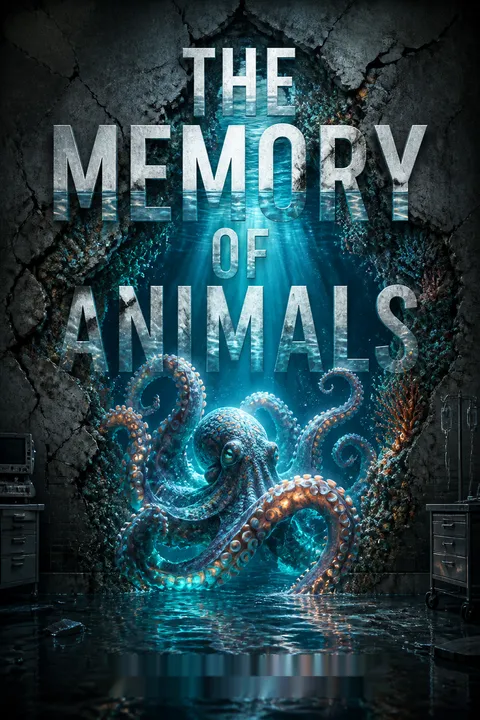
Neffy's letters to "H," the octopus she once cared for, provide a narrative thread that weaves together her past, her guilt, and her search for meaning. The octopus becomes a symbol of intelligence, adaptability, and the longing for freedom. The letters allow Neffy to process her regrets, seek forgiveness, and articulate the lessons she learns about survival, compassion, and the costs of containment.
Pandemic Collapse and Survival Ethics
The rapid collapse of society—depicted through news reports, empty streets, and the disappearance of authority—creates a crucible in which the characters' ethical choices are tested. The novel explores the tension between individual survival and collective responsibility, the temptation to retreat into self-preservation, and the dangers of moral absolutism. The group's decisions—who to save, who to abandon, how to ration resources—reflect the broader questions of what it means to be human in the face of catastrophe.
Memory and Time
The novel's structure, with its frequent revisits to the past and the blurring of memory and present, mirrors the psychological experience of trauma and grief. Time becomes fluid, with the past intruding on the present and the future remaining uncertain. The act of remembering—through the Revisitor, letters, and storytelling—becomes both a means of survival and a path to healing, allowing the characters to integrate loss and move forward.
Download PDF
Download EPUB
.epub digital book format is ideal for reading ebooks on phones, tablets, and e-readers.








































