
Plot Summary
Rituals of Control
Mina Murray, a psychiatrist in London, lives a life of strict rituals—counting steps, scrubbing tiles, and drinking verbena tea. These compulsions are her armor against a world she finds unpredictable and threatening, especially after a traumatic event in her youth. Her days are meticulously structured, each action a bulwark against chaos. Yet, beneath this order, anxiety and fear simmer, especially around men and the shadows of her past. Mina's need for control is both a survival mechanism and a prison, isolating her from intimacy and spontaneity. Her routines are interrupted when she's called to assess a mysterious patient, Renée, whose trauma and erratic behavior mirror Mina's own buried fears, setting the stage for a confrontation with the darkness she's tried so hard to keep at bay.
The Patient and the Past
At Brookfields psychiatric hospital, Mina meets Renée, a young woman found raving and naked, obsessed with blood, bugs, and a coming "Master." Renée's fragmented mind and compulsions unsettle Mina, who recognizes in her the marks of deep, unprocessed trauma. The encounter triggers Mina's own memories of vulnerability and violation, especially as Renée's symptoms—photosensitivity, self-harm, and cryptic warnings—grow more disturbing. Mina's professional detachment falters as she's drawn into Renée's suffering, feeling both a kinship and a responsibility. The case becomes personal, blurring the line between healer and haunted, and foreshadows the larger, more sinister pattern of predation that will soon engulf Mina's world.
Ghosts of Friendship
Mina receives a desperate email from Lucy, her estranged childhood friend from Wales, now married into local aristocracy. The message is both an accusation and a cry for help—Lucy is ill, losing time, plagued by nightmares and a mysterious rash. Memories of their intense, complicated friendship and Mina's abrupt flight from Tylluan resurface, along with guilt for abandoning Lucy after a traumatic night. Despite her carefully constructed life, Mina feels compelled to return, driven by loyalty, regret, and the hope of redemption. The journey back to her roots is fraught with dread, as old relationships and buried secrets threaten to unravel her hard-won stability.
Return to Tylluan
Back in her Welsh hometown, Mina is confronted by her eccentric, witchy mother and the suffocating familiarity of village life. The house is cluttered with herbs, folklore, and memories of rituals meant to ward off evil—superstitions Mina once scorned. Her mother's coldness and the town's insularity remind Mina why she left, but also why she's drawn back: the unresolved pain of her past, and the hope of saving Lucy. The landscape is haunted by legends of blood-drinkers and corpse candles, and Mina's skepticism is tested as she's forced to reckon with the possibility that the old stories may hold a kernel of truth.
The Invitation
Mina visits Lucy at her grand estate, Ifori, and is shocked by her friend's rapid decline—fatigue, anemia, sleepwalking, and a grotesque, trypophobic rash. Lucy's symptoms defy medical explanation, and her confessions of lost time and terror hint at something unnatural. Mina's clinical instincts clash with her emotional investment, as she tries to diagnose Lucy while navigating the minefield of their shared history. The opulence of Lucy's new life is a brittle veneer over growing dread, and Mina senses that the source of Lucy's suffering is both intimate and monstrous, tied to the secrets of the estate and the enigmatic figure of her husband, Arthur.
Shadows in the Castle
Parallel to Mina's investigation, the narrative follows young women lured by mysterious job offers to exclusive clubs and, eventually, to Cysgod Castle. There, they are pampered, drugged, and paraded before masked men—powerful, wealthy, and utterly predatory. The girls' experiences are a nightmarish blend of seduction and captivity, culminating in rituals of bloodletting and death. The castle is a labyrinth of horror, its ancient stones hiding centuries of exploitation. The "Master" is both a literal and symbolic vampire, feeding on the vulnerable and protected by a network of human collaborators. The horror is systemic, ritualized, and chillingly modern.
Lucy's Descent
Lucy's condition worsens—her seizures become more violent, the rash spreads, and her mind frays. Mina, desperate, enlists the help of her mother, her ex-girlfriend Quincey (now a police officer), and a hacker named Singer, whose own daughter vanished under similar circumstances. Together, they uncover a pattern of missing women, all exhibiting the same symptoms before disappearing. The investigation points to a conspiracy spanning decades, with Cysgod Castle at its heart. As Lucy slips further away, Mina is forced to confront the limits of science and the reality of supernatural evil, realizing that Lucy is being consumed by a force beyond medicine.
The Missing and the Damned
Mina and her allies trace the epidemic of disappearances to a network of secretive clubs and castles, where young women are selected, drained, and discarded. The victims—Renée, Seren, Beatrice, and countless others—are linked by geography, symptoms, and the predatory appetites of the elite. The conspiracy is protected by wealth, influence, and a culture of silence; even the police are complicit or powerless. The horror is not just individual but systemic, a machinery of exploitation that spans generations and continents. The investigation becomes a race against time to save Lucy and expose the truth.
The Club With No Name
Determined to strike at the heart of the conspiracy, Mina volunteers to go undercover, using a business card found among the victims' belongings to gain entry to the club with no name. The plan is dangerous—she will be alone, vulnerable, and surrounded by enemies. Armed with protective rituals and a blood-borne spell crafted by her mother, Mina enters the club, where she witnesses the depravity of the powerful firsthand. The club is a marketplace of flesh and blood, a theater of cruelty where women are commodities and monsters wear human faces. Mina's courage and cunning are tested as she navigates the labyrinth, seeking the "Master" who orchestrates the horror.
Patterns of Predation
Inside the club and castle, Mina uncovers the full extent of the predator's network: a web of human collaborators, medical professionals, and aristocrats who enable and profit from the vampires' appetites. The "Master" is revealed to be not just a monster, but a symbol of patriarchal power—ancient, adaptable, and insatiable. The rituals of selection, feeding, and disposal are meticulously organized, blending folklore with modern logistics. Mina's investigation exposes the complicity of institutions and the vulnerability of those deemed expendable. The horror is both supernatural and social, a reflection of real-world systems of abuse.
The Web Tightens
Mina, her mother, Quincey, and Singer pool their knowledge and resources, combining witchcraft, hacking, and police work to mount a coordinated attack on Cysgod Castle. They perform ancient rituals, craft protective amulets, and prepare weapons of rowan wood and verbena. The plan is to kill the "Master," knowing that his death will unmake his spawn and end the cycle of predation. The women's alliance is a testament to resilience, solidarity, and the power of collective action. As they storm the castle, the boundaries between myth and reality blur, and Mina must confront her deepest fears and the trauma that has shaped her life.
Death and Denial
The assault on the castle is both triumphant and tragic. The "Master" is killed through a combination of magic, courage, and sacrifice, but not before more lives are lost. Lucy, transformed into a vampire by her husband Arthur (himself a recent convert), begs Mina to end her suffering. In a final act of love and mercy, Mina grants her friend's wish, freeing her from the curse. The victory is bittersweet—evil is vanquished, but the scars remain. The women mourn their dead, reckon with their complicity and failures, and vow to remain vigilant against the darkness that persists in the world.
The Witch's Wisdom
In the aftermath, Mina reconciles with her mother, embracing the wisdom of Welsh folklore and the power of women's rituals. The old stories—once dismissed as superstition—are revealed as repositories of survival knowledge, encoded warnings against predation. The alliance of women across generations and backgrounds is the true source of strength, enabling them to resist and overcome the forces that prey on the vulnerable. Mina's journey is one of integration—of science and magic, reason and intuition, trauma and healing. The legacy of the "batty witch on the hill" is reclaimed as a badge of honor.
Unraveling the Monster
With the "Master" dead, the network of collaborators begins to unravel. Singer's hacking exposes the complicity of doctors, police, and politicians; Quincey's investigation brings long-buried crimes to light. The survivors bear witness, ensuring that the truth cannot be buried again. Yet, the victory is incomplete—reports of similar patterns emerge from other countries, hinting at a global web of predation. The fight is ongoing, but the women's alliance has struck a decisive blow, proving that monsters can be named, hunted, and destroyed.
The Stakeout
Mina's undercover mission reaches its climax as she is selected by the "Master" for the final ritual. Armed with the blood spell and her allies' support, she endures humiliation, violence, and the threat of death. The confrontation is both physical and symbolic—a battle between predator and prey, patriarch and witch, trauma and agency. Mina's victory is hard-won, achieved through cunning, courage, and the collective power of women's knowledge. The castle burns, the vampires perish, and the machinery of exploitation is disrupted, if not destroyed.
The Body in the Woods
The discovery of Seren's body in the woods near Cysgod Castle provides the evidence needed to expose the conspiracy. The autopsy reveals the telltale rash and signs of predation, forcing the authorities to confront the reality of the crimes. The women's testimonies, combined with Singer's digital evidence and Quincey's police work, break the silence that has protected the predators for generations. The reckoning is both personal and public—a confrontation with the past, a demand for justice, and a promise to remember the victims.
The Truth About Arthur
The revelation that Arthur, Lucy's husband, was turned into a vampire and became her tormentor is a devastating blow. His confession, left in a letter, reveals a man trapped by circumstance, love, and the irresistible hunger of the curse. Lucy's transformation is both a violation and a twisted act of devotion—Arthur could not bear to lose her, so he damned her to immortality. The tragedy of their story underscores the novel's central themes: the dangers of unchecked power, the complexities of love and loyalty, and the necessity of agency and consent.
The Final Pact
In the aftermath, Mina returns to her roots, reconciling with her mother and embracing the wisdom of her heritage. The rituals of protection, once scorned, are now cherished as tools of survival. Mina opens a practice in Tylluan, dedicating herself to healing and advocacy. The alliance of women endures, ready to confront new threats as they arise. The story ends with a note of hope and vigilance—the darkness is never fully banished, but as long as women stand together, it can be resisted. The legacy of trauma is transformed into a legacy of strength.
Analysis
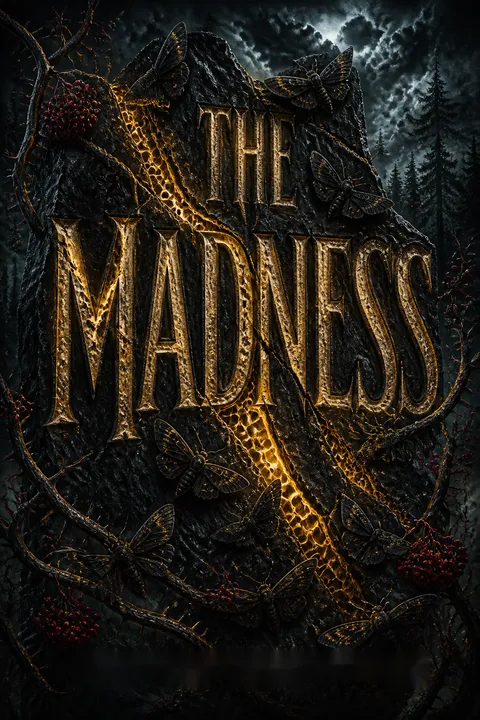
The Madness is a modern gothic horror that fuses the mythic terror of Dracula with the realities of contemporary patriarchy, trauma, and resistance. Dawn Kurtagich crafts a narrative that is both chilling and empowering, centering women's voices, agency, and collective action. The novel interrogates the ways in which women's suffering is pathologized, dismissed, and exploited, drawing on Welsh folklore to reclaim rituals of protection and survival. The alliance of Mina, her mother, Quincey, and Singer is a testament to the power of solidarity across generations and backgrounds, offering a blueprint for confronting both supernatural and systemic evil. The horror is not just in the monsters that feed on blood, but in the institutions and cultures that enable their predation. The Madness is ultimately a story of healing—of integrating trauma, reclaiming agency, and forging new legacies from the ashes of loss. Its lesson is clear: monsters thrive in silence, but they can be named, hunted, and destroyed when women stand together.
Review Summary
The Madness is a modern feminist retelling of Dracula featuring psychiatrist Mina Murray, who returns to Wales after twelve years to help her estranged friend Lucy, suffering from mysterious symptoms mirroring Mina's patient. The story explores trauma, women's mistreatment, and features Welsh folklore and gothic atmosphere. Reviews are largely positive (3.71/5), praising the atmospheric writing, strong female characters, and creepy plot, though some found pacing issues or predictability. Many recommend going in blind. The mixed-media format (texts, emails) received mixed reactions. Imogen Church's audiobook narration earned high praise.
Characters
Mina Murray
Mina is a psychiatrist whose life is defined by trauma, control, and a relentless quest for safety. Her compulsive rituals are both a shield and a symptom, reflecting deep-seated anxiety and a need to impose order on chaos. Mina's relationships—with her mother, Lucy, and Jonathan—are shaped by guilt, loss, and the fear of vulnerability. Her journey is one of integration: reconciling science and superstition, reason and intuition, past and present. Mina's greatest strength is her empathy, which drives her to risk everything for those she loves. Her arc is a testament to the power of survival, the necessity of confronting one's demons, and the possibility of healing through connection and courage.
Lucy Westenra-Holmswood
Lucy is Mina's childhood friend, whose vivacity and rebellious spirit mask deep insecurities. Her marriage into wealth is both an escape and a trap, exposing her to the predations of the vampire network. Lucy's illness—marked by anemia, sleepwalking, and a grotesque rash—is both literal and symbolic, a manifestation of the ways women's suffering is pathologized and dismissed. Her transformation into a vampire by her husband Arthur is a violation that blurs the line between love and possession. Lucy's final act—begging Mina to end her suffering—is an assertion of agency in the face of monstrous power. Her death is both a tragedy and a liberation, a reminder of the costs of silence and the necessity of solidarity.
Vanessa "Mam" Murray
Mina's mother is a figure of eccentricity and strength, embodying the traditions of Welsh folklore and women's magic. Her rituals, once dismissed as superstition, are revealed as repositories of survival knowledge—protection against the predations of both men and monsters. Mam's relationship with Mina is fraught with misunderstanding and hurt, but ultimately grounded in love and resilience. She is the architect of the blood spell that enables Mina to defeat the "Master," and her legacy is one of empowerment, teaching her daughter to embrace both science and magic in the fight against evil.
Quincey Morris
Quincey, Lucy's ex-girlfriend and now a police officer, is a figure of pragmatism and courage. Her initial skepticism about the supernatural is challenged by the mounting evidence of predation and conspiracy. Quincey's love for Lucy and loyalty to Mina drive her to risk her career and safety in the pursuit of justice. Her arc is one of transformation—from rationalist to believer, from outsider to ally. Quincey's role as the one who delivers the killing blow to the "Master" is both an act of vengeance and a gesture of love, honoring the memory of those lost.
Helen Singer
Singer is a former journalist turned digital vigilante, whose daughter Beatrice was one of the network's victims. Her obsession with uncovering the truth is both a coping mechanism and a crusade, driving her to the edges of legality and sanity. Singer's skills in hacking and investigation are crucial to the alliance's success, and her willingness to believe in the supernatural marks a turning point in the fight. Her grief is a constant presence, fueling her determination and connecting her to the other women. Singer's arc is one of transformation—from isolated hunter to member of a collective, from vengeance to justice.
Arthur Holmswood
Arthur is Lucy's husband, whose inheritance of the family estate entangles him in the vampire conspiracy. Initially a figure of stability and kindness, Arthur is transformed—both literally and figuratively—by the curse of vampirism. His love for Lucy is genuine but becomes possessive and destructive, culminating in her transformation and eventual death. Arthur's confession reveals the complexities of complicity, the dangers of silence, and the tragic consequences of love corrupted by power. His death is both a punishment and a release, freeing Lucy and breaking the chain of predation.
Renée Fields
Renée is the first patient Mina encounters whose symptoms mirror those of the other victims—anemia, hallucinations, self-harm, and a desperate need for "life force." Her fragmented mind and cryptic warnings foreshadow the larger pattern of predation. Renée's death is a catalyst for Mina's investigation, a reminder of the costs of inaction and the vulnerability of those who fall through the cracks. Her story is a microcosm of the novel's central themes: the pathologization of women's suffering, the dangers of dismissal, and the necessity of bearing witness.
Jonathan Harker
Jonathan is Mina's former lover, scarred both physically and emotionally by his own encounter with the monstrous. His relationship with Mina is marked by longing, betrayal, and the hope of reconciliation. Jonathan's trauma mirrors Mina's, and their eventual reunion is a testament to the possibility of healing through honesty and vulnerability. He is a grounding presence, offering support and understanding as Mina confronts the darkness within and without.
Dr. John Seward
Seward is a psychiatrist whose professional detachment masks a deep moral rot. His involvement in the vampire conspiracy is both a product of blackmail and a reflection of his own ambition and lack of empathy. Seward's downfall is a warning about the dangers of complicity, the ease with which institutions can be corrupted, and the necessity of accountability. His death at Mina's hands is both justice and a grim reminder of the costs of silence.
Beatrice Singer
Beatrice, Singer's daughter, is one of the many young women lured into the vampire's web. Her story, told in fragments, is one of courage, defiance, and tragedy. Beatrice's resistance, even in the face of certain death, is a testament to the indomitable spirit of the victims. Her memory fuels Singer's quest for justice and serves as a rallying cry for the alliance of women who refuse to be prey.
Plot Devices
Dual Narrative Structure
The novel employs a dual narrative structure, alternating between Mina's present-day investigation and the experiences of the victims—Renée, Beatrice, and others—who are lured, captured, and consumed by the vampire network. This structure creates a sense of urgency and inevitability, as the reader witnesses both the unfolding horror and the efforts to resist it. The use of emails, transcripts, and fragmented memories blurs the line between reality and nightmare, mirroring the characters' psychological states and the pervasive sense of madness.
Foreshadowing and Symbolism
Welsh folklore and women's rituals are woven throughout the narrative, serving as both foreshadowing and symbolic commentary. The recurring motifs of blood, ritual cleansing, and protective herbs (verbena, rowan) signal the presence of supernatural evil and the means of resisting it. The body—marked by rashes, wounds, and compulsions—is both the site of suffering and the instrument of survival. The novel's use of trypophobia (fear of holes) as a symptom of predation is a powerful metaphor for violation and consumption.
Feminist Reimagining
The Madness reimagines the Dracula mythos through a fiercely feminist lens, centering women's experiences, agency, and resistance. The alliance of Mina, her mother, Quincey, and Singer is a subversion of the traditional "band of brothers" trope, replacing it with a collective of women who draw on both science and magic to confront evil. The novel interrogates the pathologization of women's suffering, the complicity of institutions, and the dangers of silence, offering a vision of empowerment through solidarity and truth-telling.
The Monster as System
The "Master" is both a literal vampire and a symbol of patriarchal power—ancient, adaptable, and insatiable. The conspiracy that protects him is a machinery of exploitation, blending folklore with modern logistics, wealth, and influence. The horror is not just individual but systemic, reflecting real-world patterns of abuse, complicity, and the erasure of victims. The novel's resolution—killing the "Master" to unmake his spawn—serves as both a cathartic climax and a commentary on the necessity of confronting evil at its root.
Download PDF
Download EPUB
.epub digital book format is ideal for reading ebooks on phones, tablets, and e-readers.








































