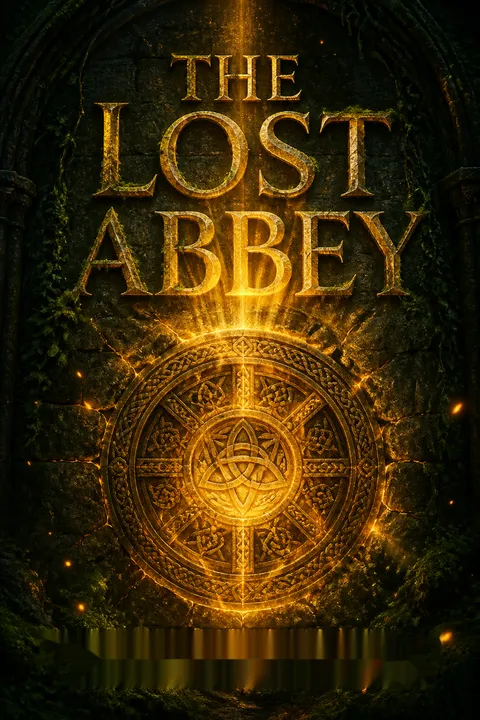

Plot Summary
Storm-Tossed Arrival
Maia, daughter of the King of Comoros, arrives on the cursed shores of Dahomey during a violent storm. Her only companions are a group of disgraced soldiers and a mysterious, scarred protector known as the kishion. The journey is fraught with danger from the start, as the sea claims a sailor and the group must brave the elements to reach land. Maia's kystrel, a forbidden magical medallion, burns against her skin, tempting her to use its power. She resists, knowing discovery would mean death. The group's arrival is marked by exhaustion, fear, and the heavy burden of Maia's secret, setting the tone for the perilous quest ahead.
The Burning Kystrel
As Maia and her protectors struggle ashore, the kystrel's magic seethes within her, whispering temptations and warnings. The kishion, aware of her secret, helps her navigate both the physical and emotional dangers. Maia's internal struggle is constant—she must hide her power from the suspicious, superstitious soldiers, even as the kystrel's whispers grow stronger. The medallion's magic is both a blessing and a curse, offering protection but threatening to reveal her as a wielder of forbidden arts. The tension between concealment and necessity becomes a central conflict, foreshadowing the trials to come.
Cursed Shores and Ruins
The group lands near the remnants of a long-fallen abbey, its stones whispering secrets to Maia through the Medium. The landscape is hostile, with treacherous rocks and dense, haunted forests. Maia senses the presence of ancient magic and the weight of history in the ruins. The soldiers, uneasy and distrustful, rely on Maia's leadership despite their resentment. The kishion's loyalty is ambiguous, driven by duty and something darker. The cursed land itself becomes a character, filled with dangers both natural and supernatural, and Maia's connection to its magic deepens as they press onward.
Night of Spiders
Maia awakens to a nightmare: the camp is overrun by monstrous spiders, their bites leaving painful welts. The soldiers panic, and Maia is forced to use the kystrel's magic to drive the creatures away, risking exposure. The kishion alone notices the telltale glow in her eyes, but keeps her secret. The night is a harrowing ordeal, leaving the group shaken and wounded. Maia's power is both their salvation and their greatest danger, and the episode cements the sense that the land itself is hostile, filled with unnatural threats that test the group's resolve and unity.
Whispers in the Woods
The next day, Maia follows the whispers of the Medium to a Leering—a magical stone marker. Touching it, she unlocks a path deeper into the cursed woods, guided by ancient magic. The kishion warns her of the risks, but Maia insists her power is their only hope. The soldiers grow restless and fearful, their trust in Maia fraying. The woods are alive with unseen dangers, and Maia's use of magic leaves her physically and emotionally drained. The journey becomes a test of endurance, faith, and secrecy, as Maia balances her need to lead with the peril of being discovered.
Waymarkers and Warnings
As the group follows a trail of magical waymarkers, each one brings new challenges and dangers. The land is infested with ticks, snakes, and other hazards, wearing down the soldiers' morale. Captain Rawlt grows impatient, threatening to abandon the quest if the lost abbey is not found soon. Maia's leadership is challenged, and her relationship with the kishion becomes more complex—marked by mutual dependence and simmering distrust. The waymarkers, relics of a forgotten age, guide them toward their goal but also serve as grim reminders of the land's violent history and the cost of magic.
Ticks, Tensions, and Time
The group's journey is plagued by exhaustion, injury, and mounting tension. Daily rituals of removing ticks and treating wounds underscore the harshness of the land. Rawlt's authority clashes with Maia's quiet determination, and the kishion's presence is both a comfort and a threat. The soldiers' loyalty is fragile, eroded by fear and hardship. Maia's use of the kystrel becomes more frequent, each time deepening the magical stain on her body and soul. The group's unity is tested as the deadline to find the abbey looms, and the dangers of the cursed woods grow ever more lethal.
Field of Bones
The group discovers a vast field littered with the bones and rusted armor of thousands—victims of a long-ago massacre. The waymarker here is surrounded by the dead, and the air is thick with the memory of violence. The soldiers are unnerved, and Maia senses the lingering presence of restless spirits. The field is a grim warning of the fate that awaits those who fail. As Maia touches the waymarker, she is flooded with visions and whispers from the past, reinforcing the peril of their quest and the importance of her mission. The land's history is a shadow over their every step.
The Fear Liath Attacks
Suddenly, the group is attacked by a Fear Liath—a massive, supernatural beast. The soldiers are slaughtered in moments, and only Maia's desperate use of the kystrel's magic drives the creature away. The battle is brutal and terrifying, leaving Maia and the kishion wounded and traumatized. The cost of survival is high: most of the group is dead, and Maia's secret is nearly exposed. Captain Rawlt, driven by fear and prejudice, turns on Maia, accusing her of witchcraft. The kishion intervenes, and a violent confrontation ensues, fracturing the last remnants of trust within the group.
Betrayal and Survival
In the aftermath of the attack, Rawlt and another soldier betray Maia, attempting to kill her for her forbidden magic. The kishion's loyalty is tested as he nearly kills Rawlt, but Maia intervenes with her power. The group splinters, and Maia is wounded in the chaos. She asserts her authority, insisting that her magic is the only thing keeping them alive. The kishion, torn between duty and resentment, agrees to stay with her. The episode marks a turning point: Maia is now alone with the kishion, her secret exposed, and the path ahead more dangerous than ever.
The Orchard of Magic
Maia and the kishion reach the lost abbey, discovering an enchanted orchard where fruit grows out of season, sustained by ancient magic. The moment offers a rare respite from danger, and Maia reflects on her journey and the burdens she carries. The kishion's hardened exterior softens briefly, revealing glimpses of vulnerability and shared humanity. The orchard, ringed by magical stones, is a symbol of hope and renewal amid ruin. Yet, the peace is fleeting, as the true purpose of their quest—the secrets hidden within the abbey—awaits below.
The Abbey's Secret Entrance
Maia finds the entrance to the abbey's underground chambers, a place shrouded in legend and death. The kishion insists on accompanying her, but Maia knows only she can survive the magic within. She descends alone, guided by the whispers of the Medium and the burning kystrel. The passage is fraught with temptation and danger, as illusions and magical traps threaten to ensnare her. Maia's resolve is tested as she navigates the labyrinth, her courage and knowledge the only shields against the abbey's deadly secrets.
Descent into Darkness
Deep within the abbey, Maia encounters the corpses of those who failed before her—Dochte Mandar who sought forbidden knowledge and perished. The doors seal behind her, and she realizes escape is impossible without success. Guided by the kystrel and her mastery of ancient languages, Maia prepares to summon the spirits of the dead. The atmosphere is oppressive, filled with the weight of centuries of failure and despair. Maia's fear is palpable, but she steels herself for the final trial, knowing the fate of her kingdom depends on her success.
The Dirge and the Dead
Maia performs the ancient dirge of the Dochte Mandar, invoking the spirits of the abbey. The magic is perilous, and the presence of the dead is overwhelming. Maia's linguistic skill and magical discipline are her only defenses. She is confronted by visions and voices, each demanding a price for their knowledge. The ritual is a test of will and sacrifice, as Maia offers her life as a gift to the Medium. The encounter is transformative, revealing truths about the nature of magic, sacrifice, and the cost of power.
The Oracle's Revelation
The summoned spirit reveals the nature of the plague afflicting Maia's homeland: the Myriad Ones, ancient entities that corrupt and destroy from within. The Dochte Mandar failed to defeat them, and only knowledge—hidden with the High Seer in distant Naess—offers hope. Maia's quest is far from over; she must journey north to seek the record that can save her people. The revelation is both a burden and a beacon, setting Maia on a new path. The cost of this knowledge is her own life, freely given in service to her kingdom.
Wolves and Treachery
Emerging from the abbey, Maia finds the kishion beset by supernatural wolves. As she rushes to help, Rawlt and the surviving soldier ambush her, trying to steal the kystrel. Maia's magic erupts in a storm of fury, destroying her attackers and scattering the wolves. The power is overwhelming, leaving Maia physically and emotionally spent. The kishion, battered but alive, tends to her wounds. The ordeal cements their bond, forged in shared suffering and mutual dependence. The abbey's secrets have been won, but at great cost.
The Kystrel Unleashed
The aftermath of the battle leaves Maia changed—her magic now a visible mark upon her body and soul. The kishion, once her jailer, becomes her ally. Together, they realize the journey is not over; the true enemy lies far to the north, and only Maia's unique gifts can hope to prevail. The kystrel, once a secret burden, is now her only weapon against the darkness. Maia's acceptance of her power and her fate marks the beginning of a new chapter, one defined by sacrifice, courage, and hope.
A New Journey Begins
Maia and the kishion, battered but resolute, set out for Naess and the seat of the Dochte Mandar. The journey ahead is uncertain, fraught with danger and the promise of further trials. Maia's transformation—from exiled princess to bearer of forbidden magic—signals a new era for her and her world. The lessons of the lost abbey, the cost of power, and the necessity of sacrifice shape her resolve. The story ends not with triumph, but with the promise of continued struggle and the hope that knowledge and courage can overcome even the darkest curse.
Analysis
Jeff Wheeler's "The Lost Abbey" is a tightly woven tale of exile, survival, and the perilous cost of forbidden knowledge. At its heart is Maia, a heroine whose journey from disinherited princess to reluctant savior is marked by sacrifice, resilience, and the struggle to reconcile power with responsibility. The novella explores themes of gender, authority, and the legacy of the past, using the kystrel as both a literal and symbolic device to interrogate the dangers and necessities of wielding power in a world that fears and suppresses it. The cursed land, with its supernatural threats and haunted history, serves as a crucible for Maia's transformation, forcing her to confront both external enemies and internal doubts. The story's structure—anchored by magical waymarkers and ritual trials—emphasizes the importance of memory, tradition, and the willingness to pay the price for knowledge. Ultimately, "The Lost Abbey" is a meditation on the necessity of courage in the face of overwhelming darkness, the value of hard-won wisdom, and the enduring hope that even the most broken can become agents of salvation.
Review Summary
People Also Read
Characters
Maia
Maia is the disinherited daughter of the King of Comoros, sent on a perilous quest to the lost abbey. Gifted with a forbidden kystrel, she is both empowered and endangered by her magic. Maia's journey is one of self-discovery, resilience, and sacrifice. She is fiercely intelligent, skilled in languages, and driven by a sense of duty to her kingdom despite her father's betrayal. Her relationship with the kishion evolves from wary dependence to mutual respect. Maia's psychological arc is defined by the tension between vulnerability and strength, secrecy and revelation, culminating in her acceptance of the burdens and responsibilities of power.
The Kishion
The kishion is a mysterious, battle-hardened man assigned to protect Maia. Marked by physical and emotional scars, he is both a lethal weapon and a man haunted by his past. His loyalty is ambiguous, driven by duty, survival, and a grudging respect for Maia. The kishion's relationship with Maia is fraught with tension, oscillating between protector and potential threat. He is pragmatic, ruthless, and deeply distrustful of magic, yet ultimately becomes Maia's staunchest ally. His psychological complexity lies in his struggle between violence and compassion, obedience and autonomy.
Captain Rawlt
Rawlt is the captain of the disgraced soldiers assigned to Maia's escort. Cynical, superstitious, and quick to anger, he resents Maia's authority and fears her magic. Rawlt's leadership is undermined by his own insecurities and the mounting dangers of the quest. His suspicion of Maia grows into open hostility, culminating in betrayal. Rawlt embodies the dangers of ignorance and fear, ultimately falling victim to the very forces he sought to control. His arc is a cautionary tale of pride, prejudice, and the destructive power of mistrust.
The Soldiers (Verrick, Hsop, Adler, Kent)
The soldiers are former prisoners, pressed into service as Maia's protectors. Each is marked by flaws—cowardice, bravado, or resignation—and their loyalty is tenuous at best. They serve as both comic relief and tragic fodder, succumbing to the land's many dangers. Their interactions with Maia and the kishion highlight themes of class, trust, and the randomness of survival. As the quest progresses, their numbers dwindle, underscoring the perilous nature of the journey and the high cost of failure.
The Kystrel
The kystrel is a magical medallion, central to Maia's identity and the story's conflict. It grants access to the Medium, a source of ancient magic, but marks its user with a visible stain and attracts deadly attention. The kystrel's whispers guide and tempt Maia, embodying the duality of power—its capacity to save and to destroy. It is both a symbol of hope and a harbinger of doom, shaping Maia's fate and the fate of those around her.
The Medium
The Medium is the mystical force that connects Maia to the abbey's secrets and the spirits of the dead. It manifests as whispers, visions, and compulsions, guiding Maia through peril and revelation. The Medium is both ally and adversary, offering knowledge at a steep price. It represents the weight of history, the persistence of memory, and the inescapable consequences of wielding forbidden power.
The Myriad Ones
The Myriad Ones are the true antagonists of the story—malevolent entities that infest the land, corrupting animals and humans alike. They are the source of the curse afflicting Maia's homeland, embodying the themes of fear, corruption, and the limits of human power. Their presence is felt in every danger the group faces, from spiders to the Fear Liath, and their defeat requires knowledge, sacrifice, and unity.
The Lost Abbey
The lost abbey is both a physical location and a symbol of lost knowledge and hope. Its ruins are haunted by the failures of the past, and its underground chambers hold the key to Maia's quest. The abbey's magic is both protective and deadly, testing Maia's resolve and worthiness. It is the crucible in which Maia's transformation is forged.
The High Seer
The High Seer of Naess is revealed as the next step in Maia's quest—a woman who holds the record needed to combat the Myriad Ones. Though not directly present, the High Seer represents the possibility of salvation and the continuation of Maia's journey. She is a symbol of forbidden wisdom and the power of women in a world that seeks to silence them.
Maia's Father
The King of Comoros is a distant but powerful presence in Maia's life. His decision to disinherit Maia and send her on a dangerous quest shapes her identity and motivations. He embodies the complexities of love, betrayal, and duty, and his actions set the entire story in motion. Maia's relationship with her father is a source of both anguish and strength, driving her to seek redemption and purpose.
Plot Devices
The Kystrel and the Medium
The kystrel is the central plot device, granting Maia access to the Medium and its ancient magic. Its use is both a blessing and a curse, offering protection and guidance while marking Maia as a target. The Medium's whispers drive the narrative, providing direction, foreshadowing danger, and revealing hidden truths. The kystrel's visible stain serves as a symbol of the cost of power and the inevitability of discovery.
Waymarkers and Leerings
The waymarkers—enchanted stones known as Leerings—guide Maia and her companions through the cursed land. Each marker is both a beacon and a test, revealing the path while exposing the group to new dangers. The Leerings serve as narrative milestones, structuring the journey and providing opportunities for foreshadowing and revelation. They embody the theme of history's lingering influence and the necessity of learning from the past.
The Fear Liath and Myriad Ones
The Fear Liath and the Myriad Ones are physical embodiments of the land's curse, serving as antagonists that drive the plot and test the characters' resolve. Their attacks escalate the stakes, forcing Maia to use her magic and revealing the true nature of the threat facing her kingdom. These creatures symbolize the pervasive, insidious nature of evil and the limits of human strength.
The Dirge and Ritual
The ritual dirge of the Dochte Mandar is both a plot device and a thematic element, requiring Maia to use her linguistic skills and magical discipline to access forbidden knowledge. The ritual structure provides a framework for the story's climax, emphasizing the importance of tradition, sacrifice, and the power of words. The dirge's invocation of the dead underscores the story's preoccupation with memory, loss, and the search for redemption.
Betrayal and Shifting Alliances
The betrayals by Rawlt and the soldiers introduce human antagonism, mirroring the external threats posed by the Myriad Ones. These conflicts heighten the tension, test Maia's leadership, and force her to confront the consequences of her power. The shifting alliances between Maia and the kishion reflect the story's exploration of trust, loyalty, and the complexities of human relationships.
About the Author
Download PDF
Download EPUB
.epub digital book format is ideal for reading ebooks on phones, tablets, and e-readers.








































