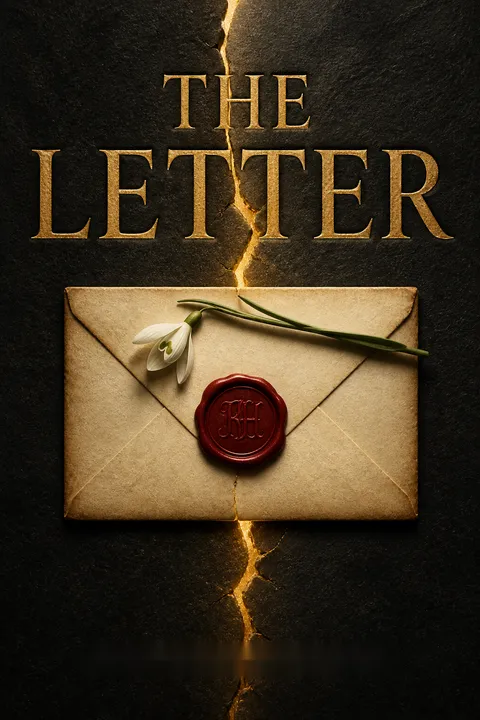

Plot Summary
Seeds of Suffering
Tina Craig's life is defined by small pleasures and deep pain. Her marriage to Rick is a daily struggle, marked by his violence, alcoholism, and manipulation. Tina's world is cold and precarious, her hope for escape hidden in a coffee jar of coins. She clings to moments of warmth—her garden, her friends, and fleeting kindnesses. Yet, the shadow of Rick's temper and her own isolation threaten to suffocate her. Tina's resilience is tested every day, and her longing for freedom is as persistent as the weeds she pulls from her garden, hoping one day to find a place where she truly belongs.
Tina's Desperate Morning
On Grand National day, Tina's morning is a tightrope walk between appeasing Rick and preserving her dignity. Rick's demand to gamble away her hard-saved escape fund is the final straw. Tina's panic and anger boil over as she realizes her secret savings are gone, stolen by the man she fears most. At the charity shop, her only sanctuary, she finds solace in her friend Graham and a mysterious old suit. The day's tension crescendos with the horse race, a symbol of her fate, and the discovery of a sealed letter in the suit's pocket—a letter that will change everything.
The Letter in the Suit
Tina's hands tremble as she discovers an old, unposted letter addressed to "Miss C Skinner." The envelope, yellowed and sealed, is a relic from another era, its contents a mystery. The letter's presence haunts Tina throughout her day, a silent witness to her own turmoil. As she faces Rick's unpredictable moods and the aftermath of the race, the letter becomes a symbol of hope and curiosity. Tina's empathy for the unknown sender and recipient grows, and she resolves to uncover their story, sensing that their pain and longing might mirror her own.
Billy and Chrissie's First Dance
In 1939, Billy Stirling and Chrissie Skinner meet at a dance, their connection immediate and electric. Billy, charming and adored, is drawn to Chrissie's quiet beauty and grace. Chrissie, sheltered and yearning for freedom, is captivated by Billy's warmth. Their first dance is charged with possibility, but also with the tension of unspoken desires and the looming presence of Chrissie's strict father. The night marks the beginning of a love that will be tested by jealousy, friendship, and the harsh realities of their world.
Forbidden Love Blossoms
Billy and Chrissie's romance deepens against the backdrop of a society on the brink of war. Their stolen moments are filled with tenderness and longing, but also with fear—of discovery, of loss, of the future. Chrissie's father's disapproval and Billy's own insecurities threaten their happiness. When Chrissie becomes pregnant, their world is upended. The news, delivered in the shadow of war's outbreak, shatters their innocence. Billy's initial shock and Chrissie's isolation set in motion a chain of events that will separate them, perhaps forever.
War and Separation
As Britain declares war, Billy and Chrissie are forced apart by family, circumstance, and misunderstanding. Chrissie is sent to Ireland in disgrace, her pregnancy a secret to be hidden. Billy, desperate to make amends, writes a heartfelt letter proposing marriage and pledging his love. But fate intervenes—the letter is intercepted and never reaches Chrissie. Both are left to believe the other has abandoned them. The war's chaos mirrors their internal turmoil, and the unposted letter becomes a symbol of all that is lost between them.
A Child Sent Away
In the harsh confines of an Irish convent, Chrissie gives birth to her son, William. The institution's cruelty and the stigma of her situation leave her broken and alone. For three years, she raises William with fierce love, only to have him taken from her and sent to America for adoption. The loss is a wound that never heals, shaping Chrissie's life with grief and longing. William, too, grows up with questions about his origins, the absence of his birth mother a silent ache in his heart.
Tina's Escape Plan
Back in 1973, Tina's resolve to leave Rick hardens. The discovery of the letter and her growing friendship with Graham give her strength. She finally breaks free, taking with her the money Rick won and the mysterious letter. Her new life is uncertain and lonely, but filled with the possibility of healing. The letter becomes her anchor, a story she feels compelled to complete. Tina's journey is one of courage—facing the unknown, reclaiming her dignity, and daring to hope for a future without fear.
Cycles of Abuse
Tina's separation from Rick is fraught with emotional turmoil. Rick's attempts at redemption are undermined by his deep-seated need for control. Tina's pregnancy complicates her feelings, as she oscillates between hope and dread. The cycle of abuse—remorse, reconciliation, relapse—plays out with devastating consequences. Tina's struggle is not just for her own survival, but for the life of her unborn child. The letter's story, echoing her own, becomes a guidepost, urging her to break free from the patterns of the past.
The Letter's Journey
The letter, written by Billy to Chrissie, is a testament to love, regret, and missed chances. Its journey—from Billy's hand to the pocket of a suit, to Tina's discovery—spans decades and continents. The letter's words, never read by its intended recipient, hold the power to heal old wounds and bridge generations. As Tina investigates its origins, she uncovers a web of secrets, betrayals, and enduring love. The letter becomes a catalyst for reconciliation, not just for Billy and Chrissie, but for all who are touched by its story.
Loss and New Beginnings
Tina's hopes for a new life are shattered by Rick's final act of violence, resulting in the loss of their baby. The trauma is overwhelming, but with the support of Graham and her own inner strength, Tina begins to heal. The letter's story inspires her to seek closure and to help others find theirs. Meanwhile, William, now an adult in America, embarks on his own quest to uncover his origins. The parallel journeys of Tina and William converge, each seeking answers, forgiveness, and a sense of belonging.
William's Search for Roots
William Lane, raised in Vermont by loving adoptive parents, is haunted by questions about his birth mother. Armed with only a name and a few memories, he travels to Ireland and then to Manchester, determined to piece together his past. His search is met with obstacles—secrecy, bureaucracy, and the scars of old wounds. Yet, his persistence and the kindness of strangers, including Tina, lead him closer to the truth. William's journey is one of self-discovery, reconciliation, and the enduring power of love.
Tracing the Past
With Tina's help, William uncovers the story of his parents—Chrissie and Billy—and the letter that never reached its destination. Together, they navigate archives, confront the convent's silence, and piece together the fragments of a lost love. The process is both painful and redemptive, as they confront the consequences of choices made long ago. The truth, when it emerges, is bittersweet—filled with sorrow for what was lost, but also with gratitude for the connections that endure.
Confronting the Convent
William's visit to the convent where he was born exposes the harsh realities faced by women like Chrissie. The nuns' refusal to help, the erasure of identities, and the forced adoptions are revealed in stark detail. Grace, a compassionate midwife, becomes an ally, helping William and Tina navigate the labyrinth of secrets. The convent's legacy is one of pain, but also of resilience—the women who survived, the children who searched, and the hope that truth can bring healing.
Manchester Connections
In Manchester, Tina and William's investigation leads them to the people and places that shaped Chrissie's life. They encounter Dr. Skinner, Chrissie's father, whose actions set the tragedy in motion. The confrontation is fraught with anger and regret, but also with the possibility of understanding. The letter, finally delivered, becomes a symbol of closure and forgiveness. Tina's own journey mirrors Chrissie's, as she learns to let go of the past and embrace the future.
The Truth Unfolds
The threads of the story converge as William and Tina locate Chrissie at Briar Farm in Ireland. The reunion is emotional and transformative, as mother and son are finally brought together after decades of separation. The truth about Billy's love, Chrissie's suffering, and the letter's fate is revealed. The characters confront their pain, forgive themselves and each other, and begin to heal. The past, once a source of torment, becomes a foundation for hope and renewal.
Reunion at Briar Farm
At Briar Farm, Chrissie, William, and Tina find solace in each other's company. The wounds of the past are acknowledged, but no longer define them. Jackie, Chrissie's steadfast companion, is finally recognized for his unwavering love. The family, fractured by secrets and loss, is made whole again. The letter, once lost, has fulfilled its purpose—bringing together those who needed it most. The story ends with a sense of peace, gratitude, and the promise of new beginnings.
Healing and Hope
In the present day, Tina reflects on the journey that brought her from suffering to joy. Surrounded by family and love, she cherishes the lessons learned—the importance of compassion, the necessity of facing the past, and the power of forgiveness. The story of the letter, and all it set in motion, becomes a legacy for the next generation. Tina's granddaughter, curious and wise, reminds her that everything belongs somewhere, and that even the most painful stories can lead to healing and hope.
Analysis
Kathryn Hughes' The Letter is a moving exploration of the ways in which trauma, love, and the search for belonging ripple across generations. At its heart, the novel is about the consequences of silence—how a single unposted letter can alter destinies, and how secrets, shame, and missed connections can shape lives for decades. Through the intertwined stories of Tina, Chrissie, and William, Hughes examines the enduring impact of abuse—both personal and institutional—and the courage required to break free from its grip. The narrative's dual timelines and rich cast of characters allow for a nuanced exploration of forgiveness, resilience, and the redemptive power of truth. The novel's message is ultimately one of hope: that even the most painful stories can lead to healing, that love can endure beyond loss, and that every person, no matter how displaced or wounded, belongs somewhere. In a modern context, The Letter resonates as a call to confront the past, to listen to the voices that have been silenced, and to believe in the possibility of new beginnings.
Review Summary
The Letter received mostly positive reviews, with readers praising its emotional depth, compelling storyline, and well-developed characters. Many found it a gripping page-turner that seamlessly weaves together two timelines. Some critics felt the plot was predictable and relied too heavily on coincidences. The book explores themes of domestic violence, love, loss, and redemption. While some readers found the writing style simplistic, others appreciated its accessibility. Overall, the novel resonated with many readers, evoking strong emotions and leaving a lasting impression.
Characters
Tina Craig
Tina is a young woman trapped in an abusive marriage, her spirit battered but unbroken. Her journey is one of courage—navigating fear, isolation, and the cycles of violence inflicted by her husband, Rick. Tina's empathy and resilience shine through her darkest moments, especially as she discovers the letter that becomes her lifeline. Her relationships—with Graham, her steadfast friend, and with the unknown figures in the letter—mirror her own longing for connection and healing. Tina's evolution from victim to survivor is marked by her determination to break free, her willingness to confront the past, and her capacity for forgiveness. Her story is a testament to the power of hope and the possibility of new beginnings.
Rick Craig
Rick is Tina's husband, a man whose charm masks deep-seated anger, addiction, and a need for control. His violence is both physical and psychological, cycling between remorse and rage. Rick's own history—spoiled by his mother, shaped by a lack of discipline—feeds his inability to change. He is both pitiable and monstrous, a product of his environment and his own choices. Rick's relationship with Tina is toxic, defined by manipulation and dependency. His ultimate act of violence leads to tragedy, and his inability to accept responsibility seals his fate. Rick embodies the destructive power of untreated trauma and the dangers of unchecked control.
Graham
Graham is Tina's confidant, a bookmaker with a gentle heart and unrequited love for her. He provides emotional support, practical help, and a safe haven when Tina needs it most. Graham's kindness is unwavering, even as he struggles with his own feelings. He is a surrogate father, brother, and guardian, offering wisdom and comfort without expectation. Graham's presence in Tina's life is a reminder that not all men are cruel, and that friendship can be a source of profound healing. His quiet strength and loyalty are instrumental in Tina's journey toward freedom.
Billy Stirling
Billy is a charismatic, kind-hearted young man whose life is shaped by love, loss, and the tragedies of war. Adopted after his parents' deaths, Billy is adored by his mother but struggles with his father's distance. His romance with Chrissie is passionate and genuine, but marred by misunderstanding and external pressures. Billy's inability to communicate his feelings at a crucial moment leads to lifelong consequences. His letter, never delivered, becomes a symbol of regret and longing. Billy's death in the war is a devastating loss, but his legacy endures through his son, William, and the love he shared with Chrissie.
Chrissie Skinner
Chrissie is a gentle, intelligent young woman whose life is upended by love, shame, and exile. Raised by a strict father and a loving mother, Chrissie's world is narrow until she meets Billy. Her pregnancy and subsequent banishment to Ireland expose her to cruelty, isolation, and the heartbreak of losing her child. Chrissie's resilience is remarkable—she endures the convent's harshness, the loss of her mother, and decades of longing for her son. Her eventual reunion with William and the truth about Billy's love bring her peace. Chrissie's journey is one of survival, forgiveness, and the rediscovery of hope.
William Lane
William is the child of Billy and Chrissie, adopted and raised in America. His quest to uncover his origins is driven by a deep sense of longing and a need for identity. William's journey is marked by perseverance, empathy, and a willingness to confront painful truths. His relationships—with his adoptive parents, with Tina, and ultimately with Chrissie—reflect his capacity for love and understanding. William's reunion with his mother is transformative, healing old wounds and forging new bonds. He embodies the possibility of reconciliation and the enduring impact of family.
Dr. Samuel Skinner
Chrissie's father, Dr. Skinner, is a man defined by control, reputation, and emotional distance. His inability to accept his daughter's choices leads to devastating consequences—Chrissie's exile, the loss of his wife, and the fracturing of his family. Dr. Skinner's actions are driven by fear and a misguided sense of duty, but ultimately result in isolation and regret. His confrontation with Tina in old age reveals a man haunted by his decisions, yet still unable to fully comprehend the harm he caused. Dr. Skinner represents the dangers of rigid authority and the cost of unyielding pride.
Jackie Creevy
Jackie is Chrissie's steadfast friend and eventual husband, a man of simple pleasures and deep devotion. Orphaned young, Jackie finds purpose and belonging at Briar Farm. His love for Chrissie is patient and unconditional, enduring decades of unrequited affection. Jackie's kindness, humility, and resilience make him a pillar of support for Chrissie, especially as she confronts her past. His eventual marriage to Chrissie is a quiet triumph, a testament to the healing power of steadfast love and the importance of second chances.
Grace Quinn
Grace is a nurse at the Irish convent, a rare source of kindness in a harsh environment. Her empathy for the girls in her care, especially Chrissie, is a lifeline amid institutional cruelty. Grace's willingness to help William and Tina in their search is instrumental in uncovering the truth. She bridges the gap between past and present, offering wisdom, support, and a sense of justice. Grace's character highlights the importance of compassion in the face of suffering and the difference one person can make.
Maud Cutler
Maud is an elderly woman whose recollections provide crucial links in the search for Chrissie. Her memories of the Skinners, her gratitude to Mabel, and her willingness to share her story help Tina and William piece together the past. Maud represents the value of community, the importance of oral history, and the ways in which ordinary lives intersect with extraordinary events.
Plot Devices
The Unposted Letter
The central plot device is the letter Billy writes to Chrissie—a heartfelt proposal and plea for forgiveness, never delivered due to Dr. Skinner's intervention. The letter's journey, hidden in a suit for decades, becomes the catalyst for the entire narrative. Its discovery by Tina links past and present, setting in motion a chain of events that leads to healing, reconciliation, and the uncovering of long-buried truths. The letter symbolizes the power of words, the consequences of missed connections, and the enduring hope for redemption.
Dual Timelines
The novel employs a dual timeline structure, alternating between Tina's life in 1970s Manchester and the story of Billy and Chrissie in pre-war England and wartime Ireland. This structure allows for rich contrasts—between generations, between personal and historical trauma, and between the consequences of action and inaction. The convergence of the two timelines through the letter and the characters' quests creates a tapestry of interconnected lives, emphasizing the ways in which the past shapes the present.
Cycles of Abuse and Redemption
The narrative explores cycles of abuse—Tina's marriage to Rick mirrors, in some ways, the emotional violence inflicted on Chrissie by her father and by the institutions that control her. Both women struggle to break free, to reclaim agency, and to find healing. The story also highlights the possibility of redemption—through friendship, love, and the courage to confront painful truths. The characters' journeys are marked by setbacks and losses, but ultimately by the triumph of resilience and hope.
Foreshadowing and Symbolism
The novel uses foreshadowing—Tina's early reflections on belonging, the recurring motif of lost and found objects, the presence of the garden and the act of weeding—to hint at the themes of displacement, healing, and restoration. The letter itself is a powerful symbol, as are the suit, the pram, and the recurring lullaby. These elements create a sense of continuity and resonance, inviting readers to look beneath the surface for deeper meaning.
Narrative Closure and Open-Endedness
While the novel provides closure—reunions, reconciliations, and the fulfillment of the letter's promise—it also acknowledges the ongoing nature of healing. The epilogue, set in the present day, frames the story as a legacy for future generations, suggesting that the work of understanding, forgiveness, and love is never truly finished. The story's ending is both satisfying and open, inviting readers to reflect on their own lives and the letters—literal or metaphorical—that remain to be written.
About the Author
Other books by Kathryn Hughes



Download PDF
Download EPUB
.epub digital book format is ideal for reading ebooks on phones, tablets, and e-readers.








































