
Plot Summary
Shadows of the Past
Tara, a healthcare assistant struggling with self-doubt and family pressures, is startled when her old school friends begin receiving mysterious invitations to a private reunion. The group—Tara, Lizzie, Megan, Claire, and the enigmatic Elle—share a tangled history of adolescent pranks, betrayals, and secrets. Each woman's adult life is shaped by the scars and insecurities of their youth, and the prospect of reuniting after twenty years stirs up old anxieties. The invitation, promising "a party to die for," hints at both nostalgia and danger, setting the stage for a gathering where the past refuses to stay buried.
The Mysterious Invitation
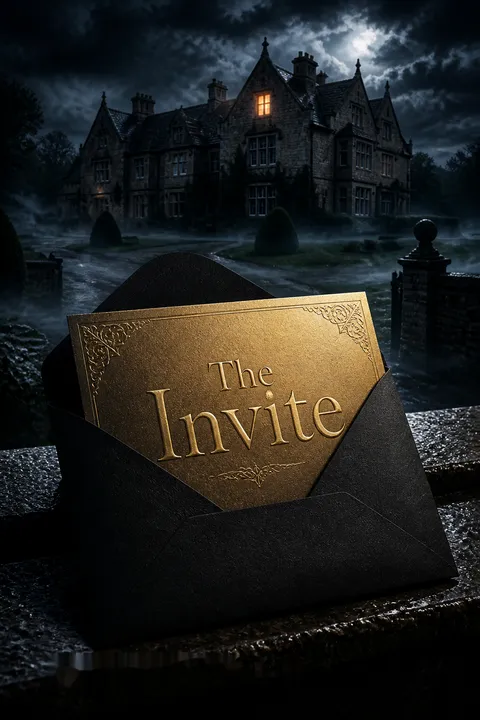
The women receive hand-delivered, cryptic invitations to a luxurious Cotswolds estate, The Millhouse, signed by Elle, the American who once led their school clique. The invite's playful yet ominous tone unsettles Tara, who feels both excluded and desperate to belong. As each friend confirms receipt, speculation swirls: Why now? Why this group? And why is Elle, who vanished after school, orchestrating their reunion? The invitation's exclusivity and the elaborate setting suggest both generosity and manipulation, hinting that the weekend will be more than a simple catch-up.
Old Friends, New Tensions
As the women prepare for the weekend, their adult lives—marked by career struggles, motherhood, and relationship strains—collide with unresolved adolescent rivalries. Tara feels inferior to her more accomplished friends, while Megan and Claire's old antagonism simmers beneath the surface. Lizzie, the group's organizer, masks her own exhaustion and anxiety. The anticipation of Elle's return brings both excitement and dread, as each woman wonders how much they've changed—and how much they've stayed the same. The stage is set for old wounds to reopen.
Arrival at The Millhouse
The friends arrive at the stunning, isolated Millhouse, awed by its luxury but unsettled by Elle's absence. A note claims she's been "unavoidably delayed," urging them to make themselves at home. The house's opulence contrasts with its eerie emptiness, and the women's initial relief at Elle's delay gives way to unease. As they explore, subtle oddities—a figure glimpsed in the garden, a sense of being watched—hint that they are not alone. The reunion begins without its host, but the house itself seems to pulse with secrets.
Games and Ghosts
The women settle in, sharing drinks and memories, but the atmosphere quickly sours. Childhood pranks—some harmless, others cruel—are recalled, and the group's dynamic fractures along old fault lines. A strippergram, sent as a "joke," unsettles Lizzie, triggering memories of past trauma. Tara, already on edge, becomes convinced that Elle is orchestrating elaborate mind games from the shadows. The house's isolation and the friends' growing paranoia feed a sense of impending danger, as playful nostalgia curdles into suspicion.
Pranks and Paranoia
The weekend's tone shifts from lighthearted to sinister as food disappears, the Wi-Fi and phone lines are cut, and the women realize they are effectively trapped. Tara's conviction that Elle is present but hiding grows stronger, especially after a near-fatal car accident seemingly caused by a mysterious SUV. The group's trust erodes as they begin to suspect each other of collusion. Surveillance cameras hidden in smoke alarms confirm their worst fears: they are being watched, and the reunion is no longer just a game.
Secrets in the Dark
As darkness falls, the women's psychological defenses crumble. Tara is haunted by dreams of drowning and abandonment, while Lizzie, off her epilepsy medication, fears a seizure. Megan, grappling with her son's possible autism, and Claire, wracked by guilt over her role in a hospital scandal, both reach breaking points. A crying "baby" turns out to be a simulation doll, left as a taunt. The house becomes a crucible for confession and confrontation, as each woman is forced to confront the secrets and regrets that have shaped her life.
The Accident
A drive into the village ends in disaster when a black SUV runs the friends off the road. The incident, witnessed by a bystander, is clearly intentional, and Tara becomes convinced Elle is behind the wheel. The crash leaves Tara injured and the group stranded, heightening their vulnerability. The sense of being hunted intensifies, and the women's unity begins to fracture under the strain. The accident marks a turning point: the reunion is no longer about reconciliation, but survival.
Unraveling Alliances
The group's alliances shift as suspicion and fear mount. Tara and Lizzie confide in each other, while Megan and Claire's old antagonism resurfaces. Accusations fly: is someone helping Elle from inside? Is Claire, once Elle's closest ally, complicit? The discovery of a school photo with their faces circled—and Elle's face violently scratched out—suggests a vendetta more personal and dangerous than they imagined. The women realize they are not just the targets of a prank, but of a calculated, escalating threat.
The Vanishing Host
As the women search the estate, they find evidence that Elle has been present all along—her bag, her passport, and hormone medication left behind. The realization dawns that Elle may not be the mastermind, but another victim. The housekeeper, previously dismissed as a background figure, emerges as a possible suspect. The group's fear crystallizes into terror as they realize the true nature of the game: someone is hunting them, and Elle may already be dead.
The Housekeeper's Game
The housekeeper reveals herself as Shannon Cartwright, a former classmate and victim of the group's adolescent cruelty. Consumed by grief over the loss of her baby in a hospital scandal and a lifetime of being overlooked, Shannon has orchestrated the reunion as an elaborate revenge plot. She binds and threatens the women, forcing them to confront the consequences of their past actions. The psychological torment escalates to physical danger, and the friends must draw on reserves of courage and solidarity to survive.
Trapped and Hunted
As Shannon's grip tightens, the women attempt a desperate escape. Megan, risking her life, jumps from a window to seek help, while Tara and Claire try to keep Lizzie—who suffers a seizure—from drowning. The group's survival depends on their ability to work together, even as Shannon's brother, Jackson, becomes an unpredictable wild card. The tension peaks in a violent confrontation, with Shannon stabbing herself in despair as the police and paramedics finally arrive.
The Truth in the Cellar
The discovery of Elle's body in the cellar confirms the worst: the reunion was a trap, and Elle was the first victim. Shannon's confession reveals the depth of her pain and the chain of events that led to her breakdown. The friends, traumatized but alive, are forced to reckon with the legacy of their actions—both as children and adults. The police investigation brings closure, but not peace, as the women realize that some wounds may never fully heal.
The Face Behind the Mask
In the aftermath, Shannon is sentenced to life in prison, and the friends attempt to rebuild their lives. Yet a final, chilling twist reveals that Jackson, Shannon's brother, remains at large, disguised and vengeful. He observes the women at Shannon's sentencing, plotting further revenge. The cycle of trauma and retribution is not yet broken, and the shadow of the past continues to loom over the survivors.
Justice and Aftermath
Months later, the women gather for Shannon's sentencing, each changed by the ordeal. Tara pursues her dream of becoming a nurse; Megan, pregnant, finds hope for her family; Claire returns to journalism, exposing the hospital's failings. Lizzie, still haunted by trauma, finds solace in friendship. Yet as they plan a new, hopeful reunion, Jackson's presence in the background signals that the story is not truly over. The past, it seems, is never fully laid to rest.
Analysis
A.J. McDine's The Invite is a masterful psychological thriller that explores the enduring consequences of adolescent cruelty, the corrosive effects of unresolved trauma, and the fragile bonds of female friendship. By reuniting a group of women in a luxurious yet isolating setting, the novel exposes the ways in which the past continues to shape—and haunt—the present. The story interrogates the human need for belonging and the destructive power of exclusion, as well as the dangers of nostalgia and denial. Through its layered narrative and shifting perspectives, The Invite challenges readers to question the reliability of memory, the possibility of forgiveness, and the limits of empathy. The novel's final twist—leaving the threat of revenge unresolved—serves as a sobering reminder that the wounds of the past, if left unaddressed, can fester and return in unexpected, even violent, ways. Ultimately, The Invite is a cautionary tale about the importance of accountability, the necessity of confronting uncomfortable truths, and the redemptive power of solidarity and self-acceptance.
Review Summary
The Invite receives mostly positive reviews, with readers praising its twisty plot, strong character development, and fast pace. Many highlight the fresh spin on the familiar "group reunion gone wrong" trope, with multiple POVs adding depth to the story. The audiobook narration also received high praise. Critics, however, found the characters unlikeable and the plot implausible, noting characters made poor decisions and that the body's discovery comes very late. Overall, it sits at 3.86/5, with most readers recommending it to thriller fans.
Characters
Tara Miller
Tara is a healthcare assistant and mother, haunted by self-doubt and a sense of inferiority compared to her more accomplished friends. Her longing for acceptance and fear of inadequacy drive much of her emotional arc. Tara's nurturing instincts and empathy make her the group's emotional anchor, but her passivity and reluctance to confront conflict leave her vulnerable. Over the course of the story, Tara is forced to confront her own strengths, ultimately emerging as a protector and survivor. Her journey is one of self-acceptance, as she learns that her value lies not in comparison to others, but in her own resilience and compassion.
Lizzie Allbright
Lizzie is the group's planner and peacemaker, a mother of four and assistant head teacher who projects competence and control. Beneath her calm exterior, Lizzie is overwhelmed by anxiety, guilt, and the constant pressure to be perfect. Her epilepsy, usually managed, becomes a source of vulnerability when she forgets her medication, leading to a near-fatal seizure. Lizzie's psychological arc is one of relinquishing control and accepting help, as she learns that strength can coexist with vulnerability. Her loyalty and kindness are both her armor and her Achilles' heel.
Megan Petersen
Megan is a successful barrister, fiercely intelligent and competitive, but emotionally guarded. Her struggles with infertility and her son's possible autism leave her feeling isolated and defensive. Megan's skepticism and sharp tongue often put her at odds with the group, especially Claire. Yet beneath her tough exterior lies deep insecurity and a longing for connection. Megan's arc is one of humility and acceptance, as she learns to trust others and confront her own limitations. Her courage in the face of danger is matched by her willingness to admit vulnerability.
Claire Scott
Claire, once a journalist and now a hospital communications officer, is haunted by her role in a maternity scandal that cost many lives. Her sharp wit and probing nature make her both a confidante and a provocateur within the group. Claire's unresolved feelings for Tara's husband, Liam, and her sense of professional failure fuel her self-destructive tendencies. Her psychological journey is one of atonement and self-forgiveness, as she ultimately chooses to expose the truth and seek justice for the victims. Claire's arc is defined by her struggle to reconcile loyalty with integrity.
Elle Romero
Elle, the American who once led the group, is both idolized and resented by her friends. Her charisma and penchant for pranks masked deep pain and insecurity, stemming from childhood loss. Elle's absence—and eventual murder—serves as the story's central mystery and emotional fulcrum. In death, she becomes a symbol of the group's unresolved guilt and the destructive power of unchecked cruelty. Elle's legacy is both a warning and a call for empathy.
Shannon Cartwright
Shannon, once a quiet, overlooked classmate, orchestrates the reunion as an act of revenge for years of bullying and the loss of her baby in a hospital scandal. Her psychological unraveling is both terrifying and tragic, as grief and rage consume her. Shannon's actions force the group to confront the consequences of their past behavior, blurring the line between victim and perpetrator. Her arc is a cautionary tale about the corrosive effects of trauma and the human need for acknowledgment and justice.
Jackson Lennox
Shannon's brother, Jackson, is a shadowy presence whose own history of violence and resentment fuels the story's final twist. His devotion to Shannon is both protective and possessive, and his willingness to continue her vendetta suggests that the cycle of trauma and revenge is far from over. Jackson embodies the dangers of unresolved anger and the persistence of the past.
Liam Morgan
Tara's husband, Liam, represents the life Tara fears she is failing at. His support is both a comfort and a source of tension, as Tara struggles to assert her independence. Liam's presence grounds Tara, but also highlights her insecurities and the group's complex web of relationships.
Fergus Petersen
Megan's young son, Fergus, is a source of anxiety and love. His developmental challenges force Megan to confront her own fears and expectations, ultimately leading her toward acceptance and growth. Fergus represents the possibility of healing and the importance of unconditional love.
Lizzie's Family
Lizzie's husband and children, though largely offstage, shape her actions and anxieties. Their needs and expectations drive Lizzie's quest for control and her fear of failure, underscoring the story's themes of motherhood, sacrifice, and the hidden costs of perfectionism.
Plot Devices
The Isolated Setting
The Millhouse, with its beauty and seclusion, serves as both a symbol of privilege and a trap. Its isolation heightens the women's vulnerability, while its opulence contrasts with the psychological and physical dangers lurking within. The setting amplifies the story's claustrophobia and sense of inescapable fate.
The Unreliable Invitation
The mysterious, unsigned invitations set the plot in motion, creating ambiguity about the host's intentions and the true purpose of the gathering. The device of the invitation plays on the human desire for belonging and the fear of exclusion, while also foreshadowing the story's central betrayal.
Surveillance and Voyeurism
The discovery of surveillance cameras in smoke alarms literalizes the feeling of being watched and judged. This device underscores the story's themes of guilt, exposure, and the inescapability of the past. It also serves as a tool for the antagonist to manipulate and terrorize the group.
Flashbacks and Confessions
The narrative structure weaves present-day events with flashbacks and confessions, gradually exposing the characters' secrets and the origins of their trauma. This device deepens the psychological complexity of the story and allows for shifting perspectives and sympathies.
The Red Herring
The initial assumption that Elle is the mastermind—and later, that she is merely another victim—keeps both characters and readers off-balance. The use of red herrings sustains suspense and highlights the dangers of assumption and projection.
The School Photo
The defaced school photo, with the friends' faces circled and Elle's scratched out, serves as a chilling clue to the antagonist's motives and intentions. It encapsulates the story's central theme: the enduring impact of adolescent cruelty and the desire for retribution.
The Unseen Accomplice
The late revelation that Jackson, Shannon's brother, remains at large and disguised, extends the story's tension beyond the main narrative. This device leaves the door open for future danger and underscores the idea that some traumas—and some threats—are never fully vanquished.
Download PDF
Download EPUB
.epub digital book format is ideal for reading ebooks on phones, tablets, and e-readers.








































