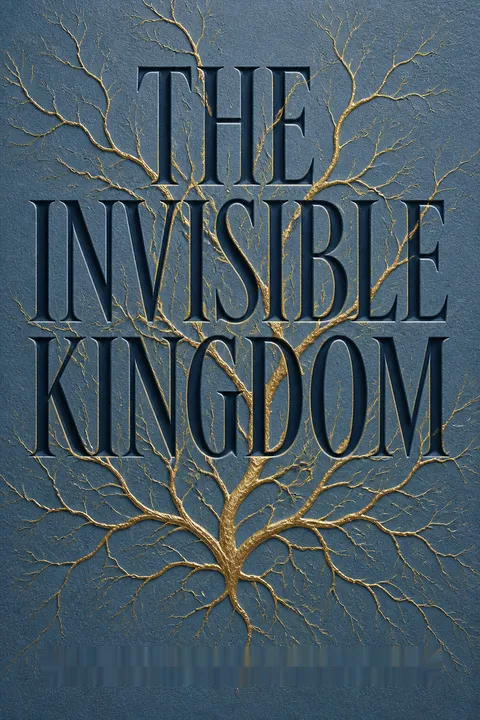

Key Takeaways
1. The Silent Epidemic of Invisible Illness
If every age has its representative signature disease, I contend that this type of chronic illness is ours.
Widespread yet unrecognized. A silent epidemic of chronic illnesses, including autoimmune diseases, ME/CFS, post-treatment Lyme disease syndrome, dysautonomia, fibromyalgia, and long COVID, affects millions. These conditions are often marginalized, contested, or entirely unrecognized, characterized by dysregulation of the immune and/or nervous systems. The author's own journey began with daily hives, dizziness, chronic pain, and night sweats, long before any doctor believed she was sick.
A quest for answers. Trapped in a malfunctioning body, the author embarked on an obsessive quest for understanding, consulting literature, science, philosophy, doctors, healers, and other patients. She was met with skepticism and authentic concern, eventually receiving an autoimmune diagnosis that didn't fully explain her worsening, mysterious symptoms. This struggle highlighted the profound need for recognition of her experience.
Rising rates. Autoimmune diseases are rising at "epidemic" rates, now affecting 24 million to 50 million people in the United States. This dramatic increase is attributed to changes in environment or lifestyle, including diet and its effect on the microbiome, rather than genetic shifts. These illnesses challenge modern medicine's existing frameworks, often leading patients to feel like citizens of an "invisible kingdom."
2. Modern Medicine's Blind Spots
The system is great at providing acute care and terrible at managing the complexities of long-term care.
Historical context. Western medicine's embrace of germ theory in the 19th century shifted focus from an individual's constitution to single, observable pathogens. This led to a "tidy vision of disease" where specific germs incite predictable symptoms, ushering in an era of professionalized, diagnosis-oriented science. However, this model struggles with illnesses that don't fit neat categories.
"If we can't measure it, it doesn't exist." This prevailing view in medicine leads to the dismissal of amorphous illnesses like autoimmunity, ME/CFS, or fibromyalgia, for which easy tests or identifiable causes are often lacking. Patients with lingering symptoms are frequently ignored or labeled as "worried well" or "cuckoo," creating a significant barrier to proper care and research. The author's own experience included doctors telling her she was "fine" despite debilitating symptoms.
An emerging paradigm. A new, more sophisticated view of illness is emerging, recognizing disease as a multipronged phenomenon involving pathogens, the immune system, and the "environment" (microbiome, toxic chemicals, trauma). This personalized approach acknowledges that individual immune responses vary dramatically, challenging the one-size-fits-all diagnoses of the past. The concept of "allostatic load" highlights the cumulative wear and tear on the body from stress, which may not immediately show up in lab work.
3. The Gendered Burden of Sickness
More than 45 percent of autoimmune disease patients, a survey by the Autoimmune Association found, "have been labeled hypochondriacs in the earliest stages of their illness."
Disproportionate impact on women. Approximately 80% of autoimmune patients are women, yet medical research has historically focused almost exclusively on cisgender men and male animals. This has led to a profound lack of knowledge about female biology and how different sexes respond to drugs, often with negative consequences for women's health.
Dismissal and undertreatment. Women's self-reports of illness symptoms, particularly vague ones like fatigue and pain, are frequently viewed as subjective emotional issues rather than objective physiological realities. This bias leads to:
- Women being less likely to receive opioid painkillers.
- Longer wait times in emergency rooms.
- Lower rates of diagnostic procedures for conditions like heart disease.
- Routinely being told their symptoms are "all in their head" or due to anxiety/depression.
Historical roots of bias. The assumption that women are hypochondriacs has a long history, from ancient Greek notions of a "wandering womb" to the 19th-century diagnosis of "hysteria." Sigmund Freud's theories, though updated, still subconsciously influence medical thinking, framing a body with unidentifiable symptoms as communicating psychological issues. This creates "testimonial injustice" and "ethical loneliness" for sick women.
4. Illness as Metaphor: A Double-Edged Sword
Autoimmunity invites patients to psychologize their own symptoms like almost no other contemporary pathology does, because the fact of the immune system attacking the very body it is designed to protect seems itself metaphorical.
The "self-attack" narrative. The scientific language of autoimmunity, describing the immune system as attacking the "self," leads patients to internalize their illness as a personal failure or a metaphor for inner struggles. This can manifest as:
- Feeling personally divided, needing to heal mind and body.
- Believing poor personal choices led to their condition.
- Experiencing a crisis of identity, asking "Who are you?" if your body is destroying itself.
Cultural and psychological framing. This metaphorical thinking is deeply embedded in Western culture, from Judeo-Christian notions of illness as sin to Freudian ideas of symptoms as repressed emotions. In our individualistic society, an amorphous illness becomes an opportunity for self-improvement, obscuring systemic causes. The author initially asked, "What is the message?" when a rash appeared, reflecting this ingrained tendency.
Beyond self-blame. Immunologist Polly Matzinger's "danger model" offers an alternative, suggesting the immune system responds to danger signals, not just foreign invaders. In this view, autoimmunity is an imprecise biological function, a body overwhelmed by modern chemicals, viruses, and trauma, rather than a battle against the self. This reframing shifts the indictment from personal failure to collective societal shortcomings.
5. The Deep Interplay of Mind, Body, and Stress
This seems like one of the hardest things about being sick in the way you’re sick: being sick makes you stressed. But being stressed makes you sicker.
Modern life's chronic grind. Unlike episodic premodern dangers, contemporary life imposes a "continual grind" of stress from constant connectivity, bureaucratic tasks, noise pollution, and sleep deprivation. This relentless pressure wears down resilience and causes real physical damage, disrupting the body's homeostasis. The author's own life of "constant work and worry" was a choice that contributed to her exhaustion.
Scientific validation of stress. Early 20th-century research by Walter B. Cannon (fight-or-flight response) and Hans Selye (general adaptation syndrome) established that emotions and chronic stress profoundly affect physiology. Ongoing stress:
- Releases continual jolts of stress hormones (cortisol, adrenaline).
- Raises blood pressure and causes cardiovascular disease.
- Worsens gut-related illnesses.
- Can lead to hormonal dysregulation and immune suppression.
The stress-illness feedback loop. Chronic illness itself is a perpetual stressor, creating a vicious cycle where sickness induces stress, which in turn exacerbates symptoms. The unpredictability and lack of control inherent in poorly understood conditions intensify this stress. Furthermore, social determinants of health like systemic racism and socioeconomic disadvantage contribute to a higher "allostatic load," making certain populations sicker due to chronic vigilance and insecurity.
6. Navigating the Labyrinth of Alternative Treatments
What the language of alternative medicine understands is that when we feel bad we want something unambiguously good.
The appeal of alternatives. Alternative medicine offers a compelling contrast to the often impersonal, mechanistic Western system. It provides:
- Soothing care and focused attention.
- A holistic, whole-body approach.
- A narrative of healing and prevention, not just fixing.
- A sense of hope and empowerment, often promising that "you're not crazy, and yes, you can feel better."
Author's desperate search. Faced with worsening, undiagnosed symptoms, the author explored various alternative treatments:
- Autoimmune Paleo diet and supplements (glutathione, curcumin, methylated folate/B12, vitamin D, probiotics).
- Chelation therapy for heavy metals (mercury, lead, thallium from kale).
- Low-dose naltrexone (LDN) for pain and immune modulation.
- Ozone and ultraviolet light therapy.
These interventions, though sometimes costly and unproven by conventional standards, offered a sense of agency and temporary relief.
The "care effect" and its limits. While some alternative treatments may be dubious, the "care effect"—the measurable clinical benefit patients derive from feeling heard and cared for—is real. Integrative doctors, who spend more time with patients and believe in intervening to improve interconnected body systems, often provide this crucial emotional support. However, the author also recognized the risk of becoming a "guinea pig" and the financial strain of unproven remedies.
7. Lyme Disease: A Battleground of Medical Uncertainty
The alarm and confusion surrounding such a long-standing public health issue is extraordinary.
A contested diagnosis. Lyme disease, discovered in the 1970s, has become a major and growing health threat, yet its diagnosis and treatment remain fiercely debated. While many cases are resolved with early antibiotic treatment, a significant percentage of patients experience persistent symptoms, leading to the controversial diagnosis of "chronic Lyme disease" or "post-treatment Lyme disease syndrome" (PTLDS). The author's own inconclusive test results plunged her into this medical quagmire.
Diagnostic challenges. Standard Lyme tests are often unreliable, measuring antibodies rather than active bacteria, leading to false negatives or difficulty determining if an infection is resolved. This ambiguity fuels the conflict between:
- The Infectious Diseases Society of America (IDSA), which emphasizes short-term treatment and often dismisses persistent symptoms as unrelated to Lyme.
- The International Lyme and Associated Diseases Society (ILADS), which advocates for broader definitions and longer, more aggressive antibiotic treatments.
This standoff has impeded crucial research and left many patients feeling invalidated.
Emerging scientific insights. New research is beginning to clarify the complexity:
- Lyme bacteria (Borrelia burgdorferi) can burrow deep into tissue, evade the immune system, and transform into "persister bacteria" that survive antibiotics.
- The immune response to Lyme is "highly variable," with some patients experiencing overactive or inhibited immune responses.
- Co-infections transmitted by ticks (e.g., babesia, bartonella) complicate the clinical picture.
These findings suggest that Lyme disease, like long COVID, often triggers a complex interplay between infection and the immune system, necessitating a personalized approach.
8. The Microbiome and Environment: Hidden Health Drivers
Our health is intimately tied to our bacteria: changes in our microbiome lead to changes in our immune system (and vice versa).
The gut-health connection. The microbiome, a community of trillions of microorganisms in our bodies, particularly the digestive tract, is crucial for health. It not only aids digestion but also influences gene expression, modulates the immune system, and affects neurotransmitters like serotonin, impacting mood and predisposing us to various illnesses. The author's years of dietary changes aimed to restore this balance.
Impact of modern lifestyle. Western lifestyles have profoundly altered our microbiome:
- Antibiotics: Indiscriminately kill beneficial bacteria, leading to long-term changes and reduced microbial diversity.
- Processed foods: Disrupt gut flora and increase intestinal permeability ("leaky gut"), allowing food molecules to trigger immune responses and sensitivities.
- C-sections: Babies miss crucial microbial exposure from the vaginal canal, linked to higher rates of asthma and immune disorders.
These factors contribute to an "extinction of whole species of microbiota" in many people's guts.
Environmental chemical exposure. Since 1950, Westerners' immune systems have been exposed to a vast array of potentially hazardous chemicals in face creams, diesel exhaust, pesticides, and plastics. Some chemicals, like trichloroethylene (TCE), have been shown to trigger autoimmune responses in genetically susceptible individuals. However, research funding is scarce, and chemical regulation in the U.S. is abysmal, leaving us largely in the dark about their "autogenic" effects on immune-mediated diseases.
9. Long COVID: A Forced Reckoning for Healthcare
If the coronavirus pandemic has brought any hope with it, it is that the scope of long COVID leaves us poised for a paradigm shift in how we think and talk about chronic, system-roaming, immune-mediated diseases.
An unprecedented challenge. The COVID-19 pandemic revealed a new, widespread phenomenon: "long COVID," where thousands of patients, often with mild initial infections, experience persistent symptoms like shortness of breath, heart palpitations, chest pain, fatigue, and brain fog for months. This unprecedented scale has made the long-term effects of infection unignorable, unlike previous chronic illnesses.
From dismissal to recognition. Initially, many doctors dismissed long COVID as anxiety or hypochondria. However, the sheer number of affected individuals, including doctors and clinicians themselves, forced the medical establishment to listen. Multidisciplinary centers, like Mount Sinai's Center for Post-COVID Care, rapidly emerged to triage and research these complex cases, recognizing the need to "treat the whole person, not just the disease."
A catalyst for change. Long COVID shares striking similarities with other poorly understood, infection-associated conditions like ME/CFS, dysautonomia, and autoimmune diseases. The urgent need for research and coordinated, time-intensive care for long COVID patients is driving a paradigm shift, pushing medicine to:
- Look for pathogens in tissues, not just blood.
- Develop better diagnostic technologies.
- Embrace personalized medicine and listen to patient testimony.
This offers hope for long-stigmatized illnesses that have historically been overlooked.
10. Healing is Not Always Curing: Embracing Uncertainty
To the extent that illness is a quest, it brings you to a very different place from the one you thought you were trying to get to.
Disrupted narratives. Chronic illness fundamentally disrupts one's life story, moving beyond "restitution narratives" (getting sick, then getting better) into "chaos narratives" (life without sequence or causality). The author's journey, marked by multiple diagnoses (Hashimoto's, endometriosis, Lyme, POTS, Ehlers-Danlos syndrome), resists a neat resolution, forcing her to confront the "unendingness of it all."
The burden of "wisdom." Society often imposes a "wisdom narrative" on the sick, expecting them to find spiritual growth or self-improvement through suffering. The author resisted this, finding it a "false piety" that negates the true ravages of illness. While illness can force self-knowledge and a deeper understanding of mortality, this "wisdom" is born of loss and resignation, not a chosen path.
Living with ongoing reality. The author's recovery from the worst of her symptoms, thanks to antibiotics, was not a "cure" but a return to a manageable baseline. She still lives with chronic fatigue, brain fog, and pain, but can now "experience" her life. This acceptance of uncertainty and the interconnectedness of human experience—realizing "No man is an island"—is the true, hard-won insight, a recognition that healing is often about managing, adapting, and finding meaning amidst persistent challenges, rather than complete eradication of disease.
Review Summary
People Also Read






Download PDF
Download EPUB
.epub digital book format is ideal for reading ebooks on phones, tablets, and e-readers.








































