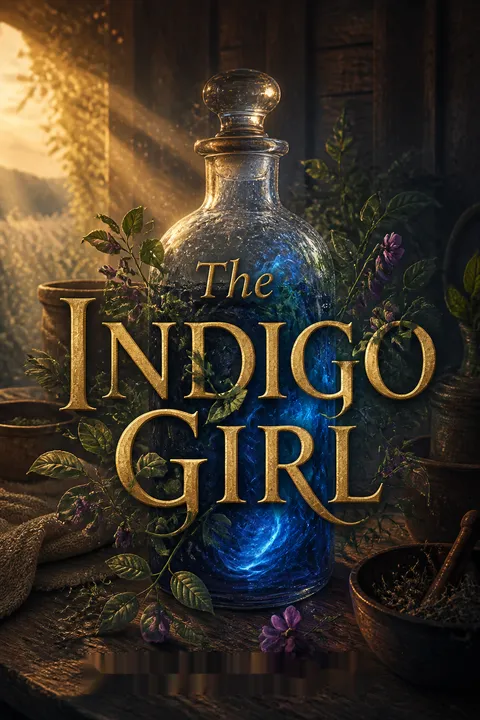

Plot Summary
Dawn on Wappoo Creek
Eliza Lucas awakens to the humid, song-filled mornings of South Carolina, far from her childhood in Antigua. At sixteen, she is already attuned to the rhythms of plantation life, the labor of enslaved people, and the promise of the land. Her father's ambitions and her own curiosity about plants and botany set her apart from her peers. The landscape is both beautiful and daunting, filled with opportunity and danger. Eliza's sense of destiny is palpable as she tends to her seedlings and prepares for the day, unaware that her life is about to change forever.
A Daughter's Unlikely Inheritance
Eliza's father, Colonel Lucas, announces his imminent return to Antigua, leaving Eliza in charge of the family's three plantations. The decision is shocking—unheard of for a young woman in colonial society. Eliza is both terrified and exhilarated by the trust placed in her. Her mother is frail and disapproving, her younger sister Polly is a handful, and the enslaved workforce is wary. Eliza's education and partnership with her father have prepared her, but the weight of expectation and the threat of failure loom large. She resolves to prove herself worthy of the challenge.
Seeds of Ambition
Eliza's fascination with horticulture becomes her strategy for saving the family's fortunes. She dreams of introducing new crops—especially indigo, a plant with the potential to transform the colony's economy. Skepticism abounds: overseers, neighbors, and even her own family doubt her abilities. Yet, Eliza's determination is unwavering. She seeks advice from Mr. Deveaux, a neighboring botanist, and begins her first experiments with woad and ginger. The land is rich but unpredictable, and Eliza's ambitions are as wild as the Carolina landscape.
The Burden of Command
As Eliza assumes control, she faces resistance from overseers like Starrat, who resent taking orders from a girl. The realities of slavery, violence, and the ever-present threat of rebellion weigh on her conscience. She strives to treat the enslaved people with humanity, but the system's brutality is inescapable. Eliza's mother pressures her to focus on marriage prospects, but Eliza is consumed by her mission. She finds solace in her friendship with Quash, the trusted driver, and in her correspondence with the wise and supportive Pinckneys.
Indigo Dreams and Dangers
Eliza's experiments with indigo are fraught with setbacks—failed crops, pests, and the mysterious complexity of dye-making. She recalls her childhood friend Ben, whose knowledge of plants inspired her. When her father refuses to send Ben from the West Indies, Eliza must rely on local expertise. The arrival of Sarah, an enslaved woman with indigo knowledge, brings both hope and tension. Eliza's efforts are a race against time, as her family's financial future and her own independence hang in the balance.
Rebellion on the Horizon
Rumors of slave uprisings and Indian attacks unsettle the region. The Stono Rebellion erupts, and Eliza's plantation is spared, possibly due to the loyalty and quick thinking of Quash and Essie. The event exposes the fragility of their world and the deep divisions within it. Eliza's empathy for the enslaved is deepened, but so is her awareness of her own vulnerability. The aftermath brings both relief and a sobering sense of responsibility for those under her care.
The Pinckneys' Counsel
The Pinckneys become Eliza's mentors and confidants, offering guidance in business and society. Charles Pinckney, in particular, recognizes Eliza's intellect and ambition, encouraging her to pursue her vision for the plantations. Their friendship grows, marked by mutual respect and unspoken affection. Eliza navigates the expectations of marriage and propriety, finding in the Pinckneys a model of partnership and support. Their counsel is a lifeline as she faces mounting challenges.
The Stono Uprising
The Stono Rebellion's violence shakes the colony to its core. Eliza, her family, and the enslaved community survive through a combination of luck, loyalty, and strategic caution. The event leaves scars—physical, emotional, and political. New laws restrict the education and movement of enslaved people, complicating Eliza's efforts to foster trust and improvement. The rebellion is a turning point, forcing Eliza to confront the limits of her power and the realities of the world she inhabits.
Trials of Trust and Betrayal
As Eliza's indigo project gains momentum, she faces betrayal from within. Nicholas Cromwell, the consultant sent by her father, undermines her efforts, motivated by self-interest and allegiance to rival interests. Ben, now Cromwell's apprentice, returns to Eliza's world, their childhood bond complicated by the realities of slavery and adulthood. Trust is fragile—between Eliza and her family, her workers, and her own heart. The cost of ambition becomes painfully clear as alliances are tested.
The Indigo Experiment
Multiple attempts to produce indigo dye end in disappointment—crops ruined by frost, pests, and sabotage. Eliza's resolve is shaken, but she refuses to give up. She learns from each failure, drawing on the knowledge of Ben, Sarah, and her own observations. The process is grueling, requiring patience, precision, and faith. The support of Quash and the enslaved community is crucial, as is the encouragement of Charles Pinckney. Eliza's journey is one of growth, humility, and relentless pursuit of her vision.
Friendship and Forbidden Bonds
Eliza's relationship with Ben deepens, marked by shared memories, mutual respect, and unspoken affection. The boundaries of race, class, and power are ever-present, making their bond both precious and perilous. Eliza's mother and society at large disapprove, and Ben's quest for freedom puts them at odds. The pain of impossible love is mirrored in Eliza's growing feelings for Charles Pinckney, whose own life is shaped by duty and loss. The personal and the political intertwine, shaping destinies.
The Cost of Freedom
Ben's attempt to escape to freedom ends in tragedy, with his presumed death during a storm. Quash, loyal and brave, is nearly lost as well. The loss devastates Eliza, forcing her to confront the limits of her power and the consequences of her choices. The indigo crop is ruined by Cromwell's sabotage, and Eliza's dreams seem shattered. The cost of freedom—for Ben, for Eliza, for all those bound by the system—is laid bare in grief and regret.
Ruin and Reckoning
With the family's fortunes in jeopardy, Eliza must reckon with the consequences of ambition and betrayal. The loss of the rice shipment, the death of Ben, and the collapse of the indigo project threaten everything she has worked for. Her mother's machinations and Cromwell's duplicity compound her isolation. Yet, Eliza finds resilience in her friendships, her faith, and her commitment to justice. She advocates for Quash, teaches the enslaved children to read, and refuses to abandon her principles.
Lessons in Loss
The deaths of loved ones—Ben, Mrs. Pinckney, and Eliza's brother—bring profound sorrow. Eliza learns to forgive herself and others, finding meaning in service and learning. She studies law to help her neighbors, supports the enslaved community, and seeks solace in music and nature. The indigo fields, once a symbol of failure, become a testament to perseverance. Eliza's journey through loss is one of transformation, as she discovers new sources of strength and purpose.
The Last Attempt
Encouraged by Charles Pinckney and the memory of Ben, Eliza makes one last attempt to produce indigo dye. With the help of Quash, Togo, and the community, she applies all she has learned. The process is meticulous, blending science, tradition, and intuition. The success of the batch is a triumph not just for Eliza, but for all who contributed. The indigo is tested in London and found to be equal or superior to the prized French dye, securing Eliza's legacy.
Indigo's Triumph
The success of Eliza's indigo transforms the colony's economy, inspiring other planters and earning her respect and admiration. The blue dye becomes a symbol of South Carolina's prosperity and resilience. Eliza shares her knowledge and seeds, ensuring the spread of indigo cultivation. Her achievements are recognized by friends and foes alike, and her story becomes part of the fabric of the new world. The triumph is bittersweet, marked by the memory of those lost and the ongoing struggle for justice.
Love and Legacy
Eliza and Charles Pinckney marry, forging a partnership built on mutual respect, love, and shared vision. Quash is eventually freed, becoming a successful carpenter and landowner. The legacy of indigo endures, shaping the fortunes of families and the future of the nation. Eliza's sons go on to play pivotal roles in American history. The story of the indigo girl becomes a testament to courage, innovation, and the enduring power of hope.
The Enduring Blue
Eliza's life and achievements are honored long after her death. The blue of indigo becomes a symbol of South Carolina, woven into its flag and its identity. Her story is one of ambition, resilience, and the quest for justice in a world defined by inequality and change. The lessons of her journey—about leadership, empathy, and the cost of progress—resonate across generations. The indigo girl's legacy endures, a reminder that even in the darkest times, hope can bloom.
Analysis
A modern lens on ambition, justice, and legacyThe Indigo Girl is a powerful meditation on the possibilities and limits of individual agency in a world defined by hierarchy, violence, and change. Through Eliza Lucas, Natasha Boyd explores the intersections of gender, race, and power, illuminating the courage required to challenge convention and pursue innovation. The novel does not shy away from the moral ambiguities of its setting—Eliza's empathy and progressive instincts are constrained by her complicity in slavery, and her triumphs are shadowed by loss and injustice. Yet, the story is ultimately one of hope: the blue of indigo becomes a symbol of resilience, creativity, and the enduring human spirit. The lessons of Eliza's journey—about leadership, empathy, and the cost of progress—resonate today, reminding us that change is possible, but never without sacrifice. The Indigo Girl invites readers to honor the forgotten voices of history and to find inspiration in the pursuit of a more just and beautiful world.
Review Summary
The Indigo Girl by Natasha Boyd receives strong praise for bringing Eliza Lucas Pinckney's remarkable story to light. Readers appreciate the well-researched historical fiction about a 16-year-old managing plantations in 1739 South Carolina while pioneering indigo cultivation. Many admire Eliza's determination and entrepreneurial spirit. However, some criticize the excessive romantic elements and uncomfortable portrayal of slavery, feeling the book sometimes glorifies slave ownership despite Eliza's relative kindness. Several reviewers note the writing occasionally slips into romance novel territory with overwrought emotional descriptions. Most agree Boyd successfully highlights an overlooked historical figure whose contributions significantly impacted South Carolina's economy.
People Also Read









Characters
Eliza Lucas
Eliza is the heart of the story—a young woman thrust into leadership in a patriarchal, slaveholding society. Her intellect, curiosity, and ambition set her apart, as does her empathy for the enslaved people under her care. Eliza's journey is one of growth, marked by failures, heartbreak, and triumphs. She navigates the complexities of gender, race, and power with courage and humility. Her relationships—with her family, the Pinckneys, Ben, and Quash—shape her development. Eliza's legacy is one of innovation, justice, and enduring hope.
Charles Pinckney
Charles is a prominent lawyer and planter, respected for his wisdom, humor, and integrity. He becomes Eliza's confidant and supporter, recognizing her talents and encouraging her ambitions. Their relationship evolves from mentorship to deep affection, culminating in marriage. Charles's own struggles—with loss, duty, and societal expectations—mirror Eliza's. His partnership with Eliza is one of equals, built on mutual respect and shared vision. He represents the possibility of love that transcends convention.
Ben (Benoit Fortuné)
Ben is Eliza's childhood friend and the key to her understanding of indigo. Enslaved and later apprenticed to Cromwell, Ben's knowledge and skill are invaluable. His relationship with Eliza is complex—marked by affection, longing, and the insurmountable barriers of race and status. Ben's quest for freedom drives much of the narrative, and his presumed death is a devastating loss. He embodies the cost of slavery and the tragedy of lost potential, yet his influence endures in Eliza's success.
Quash
Quash is the trusted driver and later a freedman, whose loyalty and competence are essential to the plantation's survival. He is a bridge between Eliza and the enslaved community, offering counsel and support. Quash's own journey—from bondage to freedom and prosperity—mirrors the broader struggle for dignity and justice. His friendship with Eliza is built on mutual respect, and his eventual manumission is a testament to her values and his own abilities.
Ann Lucas (Eliza's Mother)
Ann is a source of both support and opposition for Eliza. Her frailty and adherence to societal norms create tension, especially regarding Eliza's ambitions and relationships. Ann's focus on marriage and propriety reflects the pressures of the time, yet her actions—sometimes self-serving, sometimes protective—are rooted in love and fear. Her complex relationship with Eliza highlights the generational and cultural divides of the era.
Nicholas Cromwell
Cromwell is the consultant hired to oversee indigo production, but his true loyalties lie elsewhere. He undermines Eliza's efforts, motivated by personal gain and allegiance to rival interests. His relationship with Ben is exploitative, and his actions lead to betrayal and loss. Cromwell embodies the dangers of misplaced trust and the corrosive effects of ambition unchecked by ethics.
Sarah
Sarah is an enslaved woman with knowledge of indigo, brought from another plantation. Her relationship with Eliza is fraught with tension, shaped by trauma and resistance. Sarah's actions—both helpful and harmful—reflect the complexities of survival under oppression. Her eventual reconciliation with Eliza is a moment of healing and understanding, highlighting the possibility of forgiveness and solidarity.
Essie
Essie is the housekeeper and surrogate mother to Eliza, offering comfort, wisdom, and protection. Her faith and folk knowledge provide a counterpoint to Eliza's rationalism. Essie's presence is a source of stability, and her loyalty is unwavering. She represents the resilience and resourcefulness of the enslaved community, as well as the deep bonds that can form across lines of power.
Starrat
Starrat is the overseer at Waccamaw, embodying the brutality and corruption of the plantation system. His resistance to Eliza's authority and his abuse of power make him a constant threat. His eventual violent death is both a relief and a reminder of the dangers that lurk within the system. Starrat's character serves as a foil to Eliza's ideals and a catalyst for her growth.
Polly Lucas
Polly is Eliza's younger sister, a source of both joy and frustration. Her innocence and curiosity provide moments of levity and tenderness. Polly's development is shaped by Eliza's example, and her future is intertwined with the family's fortunes. She represents the next generation and the hope for a more just and compassionate world.
Plot Devices
Epistolary Framing and Historical Letters
The novel weaves real and imagined letters from Eliza and others, grounding the narrative in historical authenticity and providing insight into Eliza's thoughts, emotions, and motivations. This device allows for reflection, foreshadowing, and the juxtaposition of public and private selves. The letters serve as a bridge between past and present, connecting Eliza's personal journey to broader historical currents.
Dualities and Contrasts
The story is structured around contrasts—youth and authority, freedom and bondage, tradition and innovation, love and duty. These dualities drive character development and plot, highlighting the complexities of colonial society. Eliza's navigation of these tensions is central to her growth and the novel's themes.
Foreshadowing and Symbolism
Indigo, with its hidden beauty and complex process, symbolizes Eliza's journey and the potential for change. The recurring motifs of blue, seeds, and water evoke themes of growth, loss, and renewal. Foreshadowing is used to build suspense and underscore the stakes of Eliza's ambitions.
Social and Gender Constraints
The narrative structure emphasizes the limitations placed on women and the enslaved, and the ways in which characters navigate, resist, or succumb to these constraints. Eliza's struggle for agency is mirrored in the experiences of Ben, Quash, and Sarah, creating a tapestry of intersecting stories.
Historical Context and Real Events
The inclusion of real events—the Stono Rebellion, economic crises, and the rise of indigo—grounds the story in its time and place. These events shape the characters' choices and fates, providing both obstacles and opportunities. The blending of history and fiction invites readers to reflect on the legacies of the past.
Download PDF
Download EPUB
.epub digital book format is ideal for reading ebooks on phones, tablets, and e-readers.








































