
Key Takeaways
1. A Whole-Food, Plant-Based Diet Can Reverse Chronic Diseases
My grandmother’s miraculous recovery is what inspired me to go to medical school.
Dietary transformation. The author's journey into nutrition and medicine was profoundly shaped by his grandmother's experience. At 65, she was sent home in a wheelchair to die from end-stage heart disease, but a radical shift to a plant-based diet, inspired by Nathan Pritikin, allowed her to walk out of his center and live another 31 years. This personal miracle underscored the immense, often underestimated, power of diet.
Reversing chronic conditions. This transformative power extends beyond heart disease. The book highlights stories like Chris, who reversed his ten-year type 2 diabetes diagnosis, getting off all insulin in less than two weeks, simply by adopting a plant-based diet. These accounts serve as powerful evidence that many conditions deemed irreversible by conventional medicine can be corrected through lifestyle changes.
Hope and empowerment. The core message is one of hope and personal empowerment. Despite what many doctors might suggest, individuals have tremendous agency over their health destiny. The vast majority of premature death and disability is preventable, and often reversible, by embracing a whole-food, plant-based diet and other healthy lifestyle choices.
2. Prioritize Unprocessed "Green Light" Plant Foods for True Health
From a nutrition standpoint, the reason I don’t like the terms vegetarian and vegan is that they are defined by what you don’t eat.
Beyond labels. The author advocates for "whole-food, plant-based nutrition" rather than just "vegetarianism" or "veganism." This distinction is crucial because simply avoiding animal products doesn't guarantee health; a diet of French fries, fake meat, and non-dairy ice cream, while vegan, is not health-promoting. The focus must be on what is eaten.
The Traffic Light System. To guide readers, a simple "Dining by Traffic Light" system is introduced:
- Green Light: Unprocessed plant foods (fruits, vegetables, legumes, whole grains, nuts, seeds, mushrooms, herbs, spices) – eat more of these.
- Yellow Light: Processed plant foods and unprocessed animal foods – eat less of these.
- Red Light: Ultra-processed plant foods and processed animal foods – ideally avoid daily.
This system emphasizes maximizing real food that grows from the ground, minimizing processed junk, and understanding that even within plant-based options, quality matters.
Whole food definition. A "whole food" is defined as one where "nothing bad has been added, and nothing good has been taken away." This means minimizing processing, such as refining whole wheat into white flour, which strips away essential nutrients and phytonutrients. Even fortified refined grains remain deficient compared to their whole counterparts.
3. The Daily Dozen Provides a Simple, Actionable Nutrition Checklist
I center my recommendations around a Daily Dozen checklist of all the things I try to fit into my daily routine and encourage you to, as well.
Practical application. Recognizing that scientific evidence needs practical application, the author developed the "Daily Dozen" checklist. This tool translates complex nutritional science into an easy-to-follow routine, ensuring a broad spectrum of health-promoting plant foods are consumed daily. It's designed to be a useful reminder and a game for daily health.
The Daily Dozen categories: The checklist includes specific serving recommendations across twelve categories:
- Beans
- Berries
- Other Fruits
- Cruciferous Vegetables
- Greens
- Other Vegetables
- Flaxseeds (or Linseeds)
- Nuts and Seeds
- Herbs and Spices
- Whole Grains
- Beverages
- Exercise
This comprehensive list ensures a diverse intake of essential nutrients and phytonutrients.
Caloric investment. The author frames food choices as a "zero-sum game" or an "opportunity cost." Each food consumed is a choice not to eat something else, and each day's caloric intake is an investment. The Daily Dozen helps maximize the "nutritional bang for your caloric buck," ensuring calories are spent on foods that enrich health rather than deplete it.
4. Your Diet Directly Influences the 15 Leading Causes of Premature Death
Our number one cause of death and disability wasn’t the Higgs boson – it was our diet.
Profound impact of diet. The book meticulously details how dietary choices are the primary drivers behind the 15 leading causes of premature death. This scientific deep dive, drawing from thousands of peer-reviewed papers, reveals that many common diseases are not inevitable but are largely preventable and often reversible through specific food interventions.
Key disease connections: The book highlights compelling links between diet and:
- Coronary Heart Disease: Reversible with plant-based diets (Ornish, Esselstyn).
- Cancers (Lung, Digestive, Blood, Breast, Prostate): Linked to animal products, reduced by cruciferous vegetables, legumes, spices.
- Brain Diseases (Stroke, Alzheimer's, Parkinson's): Influenced by fiber, potassium, and avoidance of heavy metals in animal products.
- Type 2 Diabetes: Reversible by plant-based diets, often within weeks.
- High Blood Pressure: Lowered by whole grains, hibiscus, flaxseeds.
- Liver Disease (NAFLD): Linked to soda and meat, improved by oatmeal.
- Infections: Boosted immunity from fruits and vegetables.
- Kidney Disease: Associated with animal protein/fat/cholesterol.
- Depression: Improved by vegetables and saffron.
This extensive evidence underscores diet as the most powerful tool for health.
Beyond genetics. Many diseases, often attributed to "bad genes," are shown to be primarily environmental and dietary. Studies on Japanese men in the US versus Japan, or African Americans in Indianapolis versus Africans in Nigeria, demonstrate that disease rates shift dramatically with changes in diet, proving that "genes NOT being our destiny."
5. Mainstream Medicine Often Overlooks Diet's Life-Saving Potential
Why didn’t their doctor tell them about how lifesaving our dietary choices can be?
A systemic failure. The author expresses profound frustration and anger at the medical establishment's widespread ignorance and neglect of diet's role in preventing and reversing chronic disease. Decades-old studies demonstrating the reversal of heart disease (Ornish, 1990s) and type 2 diabetes (1979) are largely ignored, leading to preventable suffering and death.
The "third leading cause of death." Shockingly, medical care itself is identified as the third leading cause of death, responsible for 225,000 deaths annually from hospital infections, unnecessary surgeries, wrong medications, or adverse side effects. This stark statistic underscores the dangers of a system focused on pills and procedures rather than root causes.
Overestimating interventions. Doctors and patients alike tend to "wildly overestimate the power of pills and procedures to ward off death and disability." The chance of high-risk patients benefiting from common drugs for cholesterol, blood pressure, or blood thinning is often less than 5% over five years. This highlights a critical disconnect between perceived efficacy and actual patient outcomes, diverting attention from truly transformative dietary interventions.
6. Strategic Kitchen Stocking and Oil-Free Cooking are Essential for Implementation
To eat well, it helps to cook well, and to cook well, you need to have the right foods at the ready.
The foundation of healthy eating. Successful adoption of a whole-food, plant-based diet begins with a well-stocked kitchen. The author emphasizes that shopping should primarily focus on "produce, produce and produce," aiming for a "rainbow" of colors to maximize plant pigments and antioxidants. Frozen fruits and vegetables are also highly recommended for their convenience and nutritional value.
Smart pantry essentials. Beyond fresh produce, key pantry items include:
- Legumes: Dried and tinned beans (black, chickpeas, kidney, lentils, etc.)
- Whole Grains: Red/brown/black rice, quinoa, rolled oats, whole-grain pasta.
- Spices & Herbs: A diverse collection, including turmeric, smoked paprika, cinnamon, and pre-made blends like Savory Spice Blend.
- Nutritional Yeast: For a cheesy flavor.
- Nut Butters & Seeds: Tahini, almond butter, flaxseeds, sesame seeds, walnuts.
- Salt-free Tomato Products: Jarred or Tetra Pak diced, purée, passata.
These staples enable quick, nutritious meal preparation without relying on unhealthy processed ingredients.
Oil-free cooking techniques. The book provides essential kitchen techniques for preparing meals without added oils, which contribute empty calories and can create harmful compounds when heated. Key methods include:
- Water-sautéing: Using water, broth, or vinegar instead of oil.
- Baking/Roasting with parchment/silicone mats: Prevents sticking without oil.
- Steaming: For vegetables and tempeh.
- Soaking and blending nuts: For smooth sauces and milks.
These techniques ensure meals are not only plant-based but also truly whole and minimally processed.
7. Embrace Culinary Exploration and Gradual, Sustainable Dietary Change
The most important thing to keep in mind is long-term sustainability.
Sustainable transition. The author advises against adopting a whole-food, plant-based diet "cold turkey," as this often leads to failure. Instead, he encourages a gradual, food-by-food, meal-by-meal approach, allowing individuals to experiment with new foods and slowly crowd out less healthy choices. The goal is to build a repertoire of delicious, healthful recipes over time.
Expand your palate. Healthy eating doesn't mean limiting choices; it often leads to a more diverse diet. Readers are encouraged to:
- Explore exotic varieties: Try different beans (adzuki, gigantes), greens (sorrel, kai-lan), and fruits (papaya, jackfruit).
- Venture into ethnic sections: Discover new sauces and seasonings from Mexican, Chinese, Indian, Thai, and Ethiopian cuisines.
- Experiment with spices: Use smoked paprika, Ceylon cinnamon, and various spice blends to enhance flavor without added salt or fat.
This approach makes the journey enjoyable and prevents dietary boredom.
Forgiveness and persistence. The author emphasizes that perfection is not the goal. "Don't stress if you fall off the wagon from time to time. If you do eat poorly one day, simply try to eat better the next." This compassionate perspective promotes long-term adherence by focusing on continuous improvement rather than rigid, unsustainable rules, ensuring that the journey to health is both effective and enjoyable.
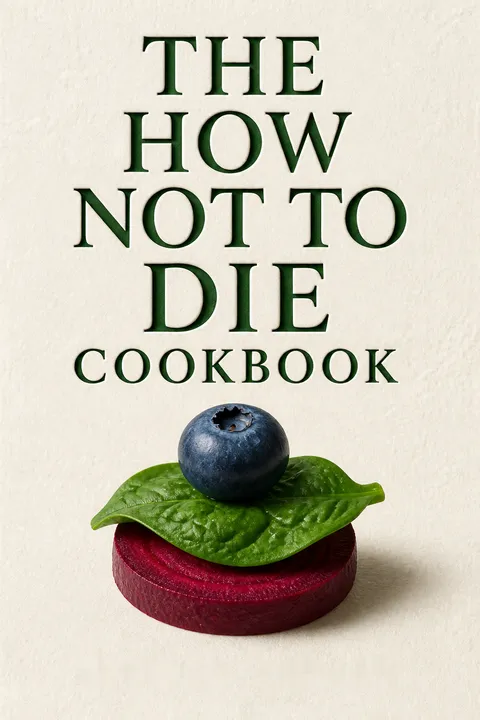
Review Summary
The How Not to Die Cookbook receives positive reviews for its whole food, plant-based recipes that align with Dr. Greger's Daily Dozen principles. Readers appreciate the straightforward preparations, full-page photos, and helpful kitchen staples like savory spice blend and date paste. Critics note some recipes require unusual ingredients (miso, nutritional yeast), lack nutritional information, and can be complicated or time-consuming. The oil-free, salt-free, sugar-free approach appeals to health-focused cooks, though some find recipes too restrictive or ingredient-intensive. Popular dishes include curried chickpea wraps, black bean burgers, and various desserts.
People Also Read

About the Author

Download PDF
Download EPUB
.epub digital book format is ideal for reading ebooks on phones, tablets, and e-readers.








































