
Plot Summary
Fractures and False Starts
Caelum Quirk and Maureen, both battered by past betrayals and personal failures, attempt to rebuild their marriage by moving from Connecticut to Colorado. Their relationship is a patchwork of old wounds—infidelity, anger, and secrets—barely held together by therapy and a set of private signals meant to bridge their emotional distance. The move is a leap of faith, a hope that new surroundings and jobs at Columbine High School will offer a fresh start. Yet, beneath the surface, both are haunted by unresolved pain: Maureen's childhood trauma and Caelum's legacy of family dysfunction. Their attempts at intimacy are tentative, their trust fragile, and the sense of impending crisis lingers, as if the past is waiting to erupt into their present.
Marriage, Betrayal, and Rage
The Quirks' marriage is tested by Maureen's affair and Caelum's violent response, which leads to his arrest and forced anger management. Their reconciliation is uneasy, built on confessions and the hope that forgiveness can be learned. Therapy provides tools but not healing, and the couple's move to Colorado is as much an escape as a new beginning. Caelum's bitterness simmers, and Maureen's longing for connection with her estranged father remains unfulfilled. The past is never far: Caelum's memories of his abusive, alcoholic father and Maureen's secret about her own father's boundary violations shape their present, making true intimacy elusive. Their fragile peace is threatened by the emotional landmines they carry.
Velvet's Maze of Need
Velvet Hoon, a damaged, volatile teenager, enters the Quirks' lives, first as Caelum's student and then as Maureen's surrogate daughter. Velvet's history of abuse, abandonment, and self-destruction draws Maureen's compassion and Caelum's wary mentorship. She oscillates between trust and sabotage, offering glimpses of vulnerability before lashing out or propositioning Caelum in a confused bid for love. Her writing reveals a raw, wounded intelligence, but her behavior is unpredictable. The Quirks' attempts to help her are both redemptive and fraught, exposing the limits of their own healing. Velvet's presence is a catalyst, forcing the couple to confront their own boundaries and the impossibility of saving someone who is determined to remain lost.
Columbine's Shadow Descends
The ordinary rhythms of school life are obliterated when two students, Eric Harris and Dylan Klebold, unleash chaos at Columbine High. Caelum, away in Connecticut for a family emergency, is powerless as Maureen is trapped in the school, hiding in a cabinet while gunfire and screams echo around her. The massacre is both a public tragedy and a private cataclysm, fracturing Maureen's psyche and plunging her into post-traumatic stress. The Quirks' marriage, already fragile, is further strained by survivor's guilt, fear, and the impossibility of returning to normal. The violence exposes the fault lines in their relationship and in the community, as everyone searches for meaning in the senseless.
Aftermath and Unraveling
In the wake of Columbine, Maureen is paralyzed by fear, flashbacks, and insomnia, while Caelum is consumed by helplessness and anger. Therapy, medication, and support groups offer little relief. Maureen's descent into addiction—first to prescription tranquilizers, then to narcotics stolen from her nursing job—leads to professional disgrace and legal peril. Caelum, overwhelmed by financial and emotional burdens, is forced to confront his own limitations as a husband and caretaker. Their marriage buckles under the weight of accumulated losses, and the hope of healing seems increasingly remote. The community's attempts at collective mourning and recovery are sincere but inadequate, as the true cost of violence is measured in private suffering.
Family Roots and Secrets
Back in Connecticut, Caelum is drawn into the labyrinth of his family's past. The farmhouse is a repository of secrets: diaries, letters, and artifacts from generations of Quirks and Poppers, including his formidable great-grandmother Lydia, a prison reformer. As Caelum sifts through these remnants, he uncovers hidden histories of trauma, resilience, and shame. The discovery that his own mother was not who he believed, and that he was the product of a scandalous liaison, destabilizes his sense of self. The sins and silences of the past echo in the present, shaping the choices and fates of the living. The search for truth becomes both a burden and a path to understanding.
The Prison of the Past
Maureen's addiction leads to a fatal accident and a prison sentence, while Caelum is left to navigate life alone. The women's prison, once run by his ancestor Lydia, is now a place of suffering and survival, where Maureen finds purpose in hospice work and fragile connections with other inmates. Caelum, teaching at the prison, is confronted daily by stories of loss, violence, and endurance. The boundaries between victim and perpetrator blur, and the possibility of redemption is hard-won. Both are trapped by their histories, yet the routines and relationships of prison life offer unexpected moments of grace and meaning.
Trauma's Long Reach
The effects of trauma are not confined to the Quirks. The narrative widens to include the stories of other survivors, victims, and collateral casualties: students, veterans, prisoners, and the families left behind. The legacy of violence is generational, its wounds both visible and hidden. Attempts at healing—therapy, faith, activism—are partial and provisional. The search for meaning is ongoing, as each character grapples with the question of how to live in the aftermath of catastrophe. The possibility of change is real but uncertain, dependent on the willingness to confront pain and embrace vulnerability.
The Maze Within
Caelum's journey becomes an inward quest, a descent into the maze of his own psyche and family history. The discovery of buried secrets—literal and figurative—forces him to reckon with the monsters that haunt him: rage, shame, abandonment, and the fear of repeating the past. The process is painful and disorienting, but also necessary. Through therapy, teaching, and the slow work of forgiveness, Caelum begins to find a way out of the labyrinth. The lessons of myth and ancestry offer guidance, but the path is his to walk alone.
Uncovering Buried Truths
The literal unearthing of two infant corpses on the family farm becomes a metaphor for the excavation of generational trauma. Caelum's search for answers leads him to confront the limits of knowledge and the necessity of compassion. The process of bringing the dead to light is both an act of justice and a step toward healing. The past cannot be undone, but it can be acknowledged and mourned.
Loss, Grief, and Reckoning
The narrative moves toward closure as Maureen dies suddenly, leaving Caelum to grieve and rebuild. The loss is devastating, but it also marks a turning point. Through the support of friends, the rituals of mourning, and the work of teaching and writing, Caelum begins to find meaning in suffering. The inheritance of pain is balanced by the inheritance of resilience and love. The process of letting go is ongoing, but the possibility of peace emerges.
Hope, Healing, and Legacy
In the aftermath of so much loss, Caelum discovers unexpected sources of hope: the birth of Velvet's child, the endurance of friendship, the wisdom of ancestors, and the healing power of storytelling. The lessons of the past are not forgotten, but they are transformed into a legacy of compassion and understanding. The maze is never fully escaped, but its patterns become clearer. The final act is one of belief: in the possibility of change, in the persistence of love, and in the fragile, enduring hope that sustains us all.
Analysis
Wally Lamb's The Hour I First Believed is a sweeping meditation on trauma, resilience, and the search for meaning in the aftermath of catastrophe. By intertwining the personal tragedies of the Quirk family with the public horror of the Columbine massacre, Lamb explores how violence—whether intimate or collective—reverberates across generations. The novel's structure, echoing the myth of the labyrinth, underscores the difficulty of finding one's way through pain and confusion. Lamb refuses easy answers: healing is partial, forgiveness is fraught, and the past is never fully escaped. Yet, the novel is ultimately hopeful. Through storytelling, acts of compassion, and the willingness to confront hard truths, characters find moments of grace and connection. The intergenerational narrative suggests that while we inherit both wounds and wisdom, we are not doomed to repeat the past. The book's lessons are urgent and timely: that power must be wielded with mercy, that silence and secrecy perpetuate harm, and that love—however imperfect—is the only force capable of breaking the cycle of suffering. In a world marked by chaos and loss, Lamb's novel insists on the possibility of hope, healing, and belief.
Review Summary
Reviews for The Hour I First Believed are mixed, averaging 3.84/5. Praise focuses on Lamb's powerful portrayal of Columbine's aftermath, PTSD, and emotionally rich character development. Many readers found the novel deeply moving and ambitious in scope. However, common criticisms cite excessive length (700+ pages), an overabundance of plot lines, a tedious doctoral dissertation excerpt, an unlikable narrator, and a lack of editorial restraint. Readers frequently note the novel's potential greatness is undermined by its sprawling, unfocused structure.
People Also Read


Characters
Caelum Quirk
Caelum is the novel's narrator and emotional center, a man shaped by loss, anger, and a relentless search for meaning. His relationships—with his wives, his family, his students—are marked by both tenderness and self-sabotage. Caelum's psyche is a maze of old wounds: a childhood marked by abandonment and secrecy, a marriage scarred by betrayal and violence, and a present shadowed by trauma. His journey is one of reluctant self-discovery, as he confronts the monsters of his past and the limits of his own power. Through teaching, therapy, and the slow work of forgiveness, Caelum evolves from a man defined by bitterness to one capable of hope and compassion. His story is a testament to the difficulty and necessity of change.
Maureen Quirk
Maureen is both a victim and a caretaker, a woman whose life is shaped by early abuse, marital betrayal, and the shattering trauma of Columbine. Her compassion for others—especially the damaged and needy, like Velvet—coexists with her own fragility. Maureen's descent into addiction and eventual imprisonment is both a personal tragedy and a reflection of the ways trauma can warp even the strongest spirits. In prison, she finds purpose in hospice work and moments of connection, but her life is ultimately cut short by sudden illness. Maureen's arc is one of suffering and resilience, her legacy one of love and the possibility of redemption.
Velvet Hoon
Velvet is a survivor of abuse, neglect, and the foster system, a teenager whose tough exterior masks deep vulnerability. Her relationship with the Quirks is both a lifeline and a source of conflict, as she tests the limits of their care and her own capacity for trust. Velvet's journey is one of tentative healing, as she moves from self-destruction to the possibility of motherhood and stability. Her story is a counterpoint to the failures of the adult world, a reminder of the enduring need for love and belonging.
Ulysses Pappanikou
Ulysses is a lifelong friend of Caelum's family, a man undone by addiction and regret. His role as handyman and confidant is complicated by his own failures and the burdens of the past. Ulysses is both a witness to and a participant in the family's history of secrecy and pain. His final acts—helping to unearth buried truths and seeking forgiveness—are redemptive, offering a measure of closure to a life marked by loss.
Lydia Popper Quirk
Lydia is Caelum's great-grandmother, a pioneering prison reformer whose ideals shape the family legacy. Her diaries and letters reveal a woman of fierce conviction, capable of both great compassion and great blindness. Lydia's efforts to save "fallen women" are both progressive and limited, and her failures—especially within her own family—echo through the generations. She is both a source of inspiration and a cautionary figure, her life a testament to the complexity of doing good in a broken world.
Mary Agnes Dank (Jinx Dixon)
Mary Agnes is Caelum's biological mother, a woman whose beauty and ambition are undermined by mental illness, addiction, and a history of exploitation. Her life is a series of escapes and returns, betrayals and losses. The secrets surrounding her identity and fate are central to Caelum's search for self-understanding. Mary Agnes is both a victim and a perpetrator, her story a tragic illustration of the costs of silence and shame.
Moses and Janis Mick
Moses and Janis are Katrina refugees who become Caelum's tenants and, briefly, surrogate family. Their struggles with loss, identity, and the challenges of rebuilding mirror the novel's larger themes. Janis's research into the Quirk family history provides a bridge between past and present, while her relationship with Caelum is a catalyst for both self-discovery and further complication.
Jesse Seaberry
Jesse is the older brother of Morgan Seaberry, the teenager killed in Maureen's accident. His journey from self-destruction to sobriety is marked by remorse, resilience, and the search for meaning after loss. Jesse's relationship with Velvet offers both characters a chance at redemption and the possibility of breaking the cycle of trauma.
Alphonse Buzzi
Alphonse is Caelum's childhood friend and the owner of the local bakery. His humor, loyalty, and struggles with family and business provide moments of levity and warmth. Alphonse's own search for love and meaning parallels Caelum's, and his presence is a reminder of the enduring power of friendship.
Kareem Kendricks
Kareem is a student in Caelum's class, a soldier returned from Iraq with physical and psychological scars. His struggle with PTSD, alienation, and the failure of support systems culminates in a violent, self-destructive act. Kareem's story is a powerful indictment of the costs of war and the inadequacy of society's response to trauma.
Plot Devices
The Labyrinth and the Minotaur
The novel's central structural device is the myth of the labyrinth: a place of confusion, danger, and hidden monsters. Caelum's journey—through marriage, trauma, family secrets, and grief—is mapped onto the structure of the maze, with each revelation or crisis representing a turn or dead end. The Minotaur, both literal and symbolic, stands for the monsters we inherit and create: violence, addiction, shame, and rage. The process of confronting and understanding these monsters is the only way out, but the path is never straightforward. The novel uses foreshadowing, parallel narratives, and intergenerational echoes to reinforce the sense of being lost and the hope of eventual emergence.
Interwoven Narratives and Historical Documents
The story is punctuated by letters, diaries, and artifacts from Caelum's ancestors, especially Lydia Popper Quirk. These documents provide both context and contrast, illuminating the ways in which the past shapes the present. The interweaving of personal and historical trauma—war, imprisonment, social reform—creates a sense of continuity and recurrence. The use of historical documents also serves as a form of foreshadowing, hinting at secrets and patterns that will be revealed in the main narrative.
Trauma and Recovery
The novel's structure mirrors the process of trauma: initial shock, fragmentation, repetition, and the slow work of integration. Characters are repeatedly confronted by the past, both their own and their ancestors', and must find ways to make meaning from pain. Therapy, storytelling, and acts of compassion are presented as partial but necessary tools for recovery. The narrative resists easy resolution, emphasizing the ongoing nature of healing and the importance of community and connection.
Symbolism: Praying Mantis, Candle, and Water
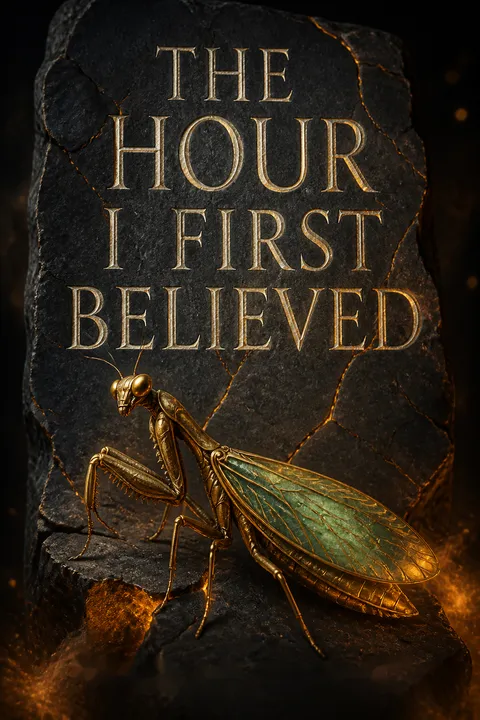
The praying mantis, introduced in childhood and recurring throughout the novel, symbolizes both vulnerability and resilience—a creature that survives by stillness and patience. The candle, used as a signal between Caelum and Maureen, represents the longing for connection and the fragility of hope. Water—rivers, lakes, and tears—serves as a metaphor for the flow of time, the persistence of the past, and the possibility of renewal. These symbols are woven throughout the narrative, providing moments of clarity and grace amid chaos.
About the Author
Other books by Wally Lamb

Download PDF
Download EPUB
.epub digital book format is ideal for reading ebooks on phones, tablets, and e-readers.








































