
Plot Summary
Bluebells and Beginnings
Anna Butterfield's earliest memories are stitched with her mother's gentle lessons in embroidery and the names of wildflowers. The Suffolk countryside is her sanctuary, but loss soon shadows her childhood: her mother's death leaves Anna and her family adrift. Her father, the village vicar, encourages Anna to seek her future in London, believing the city holds opportunities for a talented young woman. With a heavy heart and a suitcase of memories, Anna departs for Spitalfields, carrying the hope that patience and resilience—like seeds in the earth—will one day bloom again.
City of Silk and Strangers
Anna's first encounter with London is chaotic and overwhelming. The city's noise, diversity, and indifference are a stark contrast to her rural home. She is swept into her uncle Joseph Sadler's mercantile household, where expectations are high and social rules rigid. Anna's cousin William is brusque, her aunt Sarah controlling, and her cousin Lizzie eager for a sisterly bond. The Sadlers' world revolves around silk—its trade, its status, and its symbolism. Anna feels both invisible and exposed, a stranger in a city of strangers, longing for belonging and purpose.
Threads of Exile
Henri Vendôme, a young Huguenot refugee, flees religious violence in France with his mother. Their perilous journey to England is marked by loss and hardship, but also by the kindness of strangers. In Spitalfields, the French community offers a fragile refuge. Henri's apprenticeship under the benevolent M. Lavalle shapes him into a skilled silk weaver. Yet, as an outsider, Henri faces prejudice and must navigate the tensions between English and immigrant weavers. His resilience is forged in adversity, and his artistry becomes both his livelihood and his hope for acceptance.
Gowns, Grief, and Guilt
Anna is thrust into the rituals of city life: fittings for elaborate silk gowns, lessons in manners, and the relentless pressure to secure a prosperous marriage. Her grief for her mother lingers, compounded by homesickness and the loss of autonomy. The Sadlers' ambitions for Anna are clear—she is to be a decorative asset, not an independent soul. Yet Anna's artistic spirit persists, finding solace in sketching and in fleeting moments of connection with those who see beyond her surface. The city's beauty and brutality intertwine, mirroring Anna's internal struggle.
Weavers' Unrest
Economic hardship grips Spitalfields as imported French silks threaten local livelihoods. Journeymen weavers, including Henri's friend Guy, organize for fair wages, drafting the Book of Prices and risking confrontation with masters and authorities. Henri is torn between loyalty to his community and the need to protect his future. The specter of violence looms as protests escalate. Meanwhile, Anna's curiosity about the silk trade grows, and her path crosses with Henri's in unexpected ways. Their worlds, divided by class and culture, are drawn together by shared creativity and quiet rebellion.
Drawing Boundaries
Anna's clandestine excursions into the city—disguised as a maid—bring her into contact with the vibrant life of the markets and the artistry of wildflowers. Her sketches capture the natural world with a realism that catches Henri's eye. Their brief encounters are charged with possibility and risk, as social boundaries threaten to keep them apart. Anna's art becomes a silent act of defiance, a way to assert her identity in a world that seeks to confine her. The seeds of collaboration and affection are sown, even as danger gathers.
Wildflowers and Windows
Anna's drawings of wildflowers, created in the anonymity of the market, become the catalyst for Henri's master piece—a fabric design that could secure his future as a silk master. Their partnership, though tentative and fraught with secrecy, is a meeting of minds and hearts. Miss Charlotte, the independent dressmaker, becomes their ally, bridging the gap between art and craft, woman and man, English and French. Through shared creativity, Anna and Henri glimpse the possibility of a life beyond prescribed roles, even as the city's unrest intensifies.
Secrets and Sketches
The Sadler household is beset by scandal: illegal silk imports, William's gambling debts, and the threat of financial ruin. Anna uncovers secrets that could destroy her family's reputation, while Henri faces moral dilemmas within the weavers' movement. The lines between right and wrong blur as survival demands compromise. Anna's growing affection for Henri is shadowed by the knowledge that their connection, if discovered, could mean disgrace for both. In the shadows of Spitalfields, trust is fragile, and every choice carries a cost.
Letters and Loyalties
Letters become lifelines—between Anna and her father, between Anna and Henri, and among the city's conspirators. Misunderstandings and missed opportunities threaten to unravel the fragile bonds Anna and Henri have formed. The Sadlers' fortunes waver as social ambitions collide with legal peril. Anna is courted by Charles Hinchliffe, a match that promises security but not happiness. Henri, meanwhile, is drawn deeper into the weavers' struggle, risking everything for justice and dignity. The city's tensions reach a breaking point, and personal and political loyalties are tested.
Masterpiece and Misfortune
Henri completes his master piece, weaving Anna's design into silk—a triumph of artistry and collaboration. Yet, as the city erupts in riots and violence, both Anna and Henri are swept into the maelstrom. Guy is arrested and condemned, and Henri's own involvement in the protests leads to his imprisonment. Anna's hopes for love and creative fulfillment are dashed as she faces the prospect of losing Henri forever. The cost of ambition, integrity, and love becomes painfully clear, and both must confront the limits of their agency in a world ruled by power and prejudice.
Dancing with Destiny
Anna is thrust into the marriage market, pressured to accept Charles's proposal as her family's fortunes collapse. Henri, facing execution, is forced to reckon with his past, his friendships, and his dreams. Allies emerge in unexpected places: Miss Charlotte, William, and even Charles play roles in the struggle for justice. Anna's determination to save Henri leads her to acts of bravery and negotiation, challenging the very structures that have confined her. The threads of fate tighten, and the possibility of freedom—personal and collective—hangs in the balance.
Riots and Revelations
The city's unrest culminates in tragedy and transformation. Guy is executed, a martyr to the weavers' cause, while Henri's fate teeters on the edge. Anna's intervention, aided by her family and friends, secures Henri's release and vindication. The experience changes them both, stripping away illusions and forging a deeper understanding of themselves and each other. The silk they created together becomes a symbol of resilience, beauty, and hope—a testament to the power of collaboration across boundaries. As the city heals, Anna and Henri are free to imagine a future together.
Prison and Providence
Henri's release from prison is a moment of profound relief and gratitude. The ordeal has transformed him, clarifying his values and deepening his love for Anna. The families—English and French, mercantile and artisanal—are drawn together in celebration and reconciliation. Anna's artistry is recognized, and her partnership with Henri is blessed by those who once doubted. The silk they created is chosen for the royal trousseau, a triumph that secures their fortunes and cements their legacy. The hidden threads of their lives—loss, longing, and love—are woven into a tapestry of fulfillment.
Freedom's Loom
Anna and Henri's marriage is a union of equals, built on mutual respect, creativity, and shared struggle. Their family and business flourish, adapting to changing times and challenges. Anna's designs become sought after, her artistry celebrated in a world that once denied women such recognition. The lessons of the past—about prejudice, resilience, and the value of every thread—shape their children and community. The story closes with Anna reflecting on a life well-lived, grateful for the risks taken and the love found. The hidden thread, once fragile and uncertain, has become the fabric of a new future.
Epilogue: The Last Thread
Decades later, Anna and Henri look back on their journey from exile and constraint to freedom and fulfillment. Their home is filled with the sounds of family, the scent of silk, and the echoes of laughter and loss. Anna's designs have adorned queens and commoners alike, and her legacy endures in the artistry of her descendants. The world has changed, but the lessons of patience, courage, and creativity remain. As Anna watches Henri doze by the fire, she knows that every thread—hidden or revealed—has shaped the tapestry of their lives, and that love, above all, endures.
Analysis
A tapestry of resilience, creativity, and social changeThe Hidden Thread is both a love story and a meditation on the power of art to transcend boundaries. Through Anna and Henri's intertwined journeys, the novel explores themes of exile, belonging, and the costs of conformity. The historical setting—marked by economic upheaval, migration, and the struggle for workers' rights—serves as a mirror for contemporary debates about identity, justice, and the value of creative labor. The novel's central metaphor—the weaving of silk—illuminates the ways in which individual lives are shaped by invisible forces, yet also by acts of agency and imagination. Anna's evolution from passive observer to celebrated designer, and Henri's from outsider to master, exemplify the transformative potential of collaboration and empathy. The story ultimately affirms that beauty, love, and justice are not the privileges of the few, but the achievements of those who dare to challenge the patterns of the past and weave new futures from hidden threads.
Review Summary
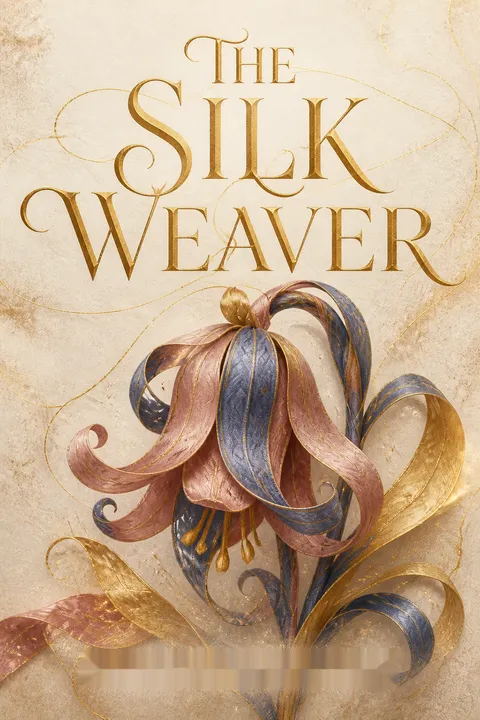
The Hidden Thread is a well-researched historical fiction set in 1760s London, exploring the silk weaving trade, class divisions, and forbidden romance. Most reviewers praised its rich historical detail, particularly regarding silk production and the weavers' riots, along with its compelling heroine, Anna. Critics noted the slow pacing and somewhat predictable romance plot. Comparisons to Jane Austen and Pride & Prejudice were common. The novel was previously published as The Silk Weaver, a title many reviewers preferred.
People Also Read
Characters
Anna Butterfield
Anna is the novel's central figure, a vicar's daughter whose life is upended by her mother's death and her move to London. Sensitive, intelligent, and fiercely creative, Anna struggles against the constraints of gender and class. Her longing for freedom and self-expression finds an outlet in art, particularly in her botanical sketches. Anna's journey is one of self-discovery: she learns to navigate the expectations of her family, the dangers of the city, and the complexities of love. Her relationship with Henri is transformative, challenging her to risk everything for authenticity and connection. Anna's growth is marked by increasing agency, empathy, and the courage to defy convention.
Henri Vendôme
Henri is a French Huguenot refugee whose childhood is scarred by loss and displacement. Apprenticed to M. Lavalle, he becomes a masterful silk weaver, blending technical skill with artistic vision. Henri's outsider status shapes his worldview—he is both proud of his heritage and keenly aware of prejudice. His friendship with Guy and loyalty to the weavers' cause draw him into political turmoil, while his love for Anna awakens new possibilities. Henri is introspective, passionate, and principled, yet capable of impulsive acts that endanger himself and others. His journey is one of reconciliation: with his past, his community, and his own desires.
Miss Charlotte Amesbury
Charlotte is a self-made woman who runs her own dressmaking business. Practical, compassionate, and discreet, she becomes a mentor and confidante to Anna, and a bridge between the worlds of art and commerce. Charlotte's own history is marked by hardship and sacrifice, yet she maintains her dignity and autonomy. She champions Anna's talent, facilitates her collaboration with Henri, and models a life of quiet resistance to societal norms. Charlotte's presence in the story underscores themes of female solidarity, resilience, and the hidden costs of independence.
Joseph Sadler
Anna's uncle is a successful silk merchant whose identity is bound to status and reputation. He is both a provider and an enforcer of social norms, expecting obedience and conformity from his family. Joseph's business is threatened by economic shifts, illegal trade, and internal betrayal. His rigidity masks vulnerability, and his eventual downfall exposes the fragility of social standing. Joseph's arc is one of pride, denial, and reluctant adaptation, serving as a foil to Anna's quest for authenticity.
Sarah Sadler
Anna's aunt is a woman of contradictions: nurturing yet critical, ambitious yet anxious. She is determined to secure advantageous marriages for her children and Anna, believing this is the only path to security. Sarah's worldview is shaped by loss and the precariousness of middle-class respectability. Her relationship with Anna is fraught—she both undermines and supports her niece, unable to reconcile Anna's independence with her own fears. Sarah's journey is one of gradual softening, as she witnesses the costs of repression and the rewards of courage.
William Sadler
William is Anna's cousin, a young man burdened by expectation and his own weaknesses. His gambling debts and involvement in illegal silk imports threaten the family's stability. William is defensive, sarcastic, and often antagonistic, yet capable of loyalty and growth. His eventual decision to help Anna and Henri, at personal risk, marks a turning point in his character. William embodies the dangers of privilege without purpose, and the possibility of redemption through honesty and solidarity.
Lizzie Sadler
Lizzie is Anna's younger cousin, a lively and impressionable girl who longs for sisterhood and excitement. She is both a confidante and a source of comic relief, her naivety highlighting the constraints placed on young women. Lizzie's loyalty to Anna is tested by family pressures, but she ultimately supports her cousin's choices. Her arc is one of maturation, as she learns from Anna's example and finds her own voice.
Guy Lemaitre
Guy is Henri's closest friend, a fellow Huguenot weaver whose zeal for justice leads him into dangerous activism. Charismatic and impulsive, Guy is both a catalyst for change and a victim of the system. His involvement in the Bold Defiance and subsequent execution serve as a sobering reminder of the costs of resistance. Guy's fate haunts Henri and galvanizes the community, embodying the novel's themes of sacrifice and solidarity.
M. Lavalle
M. Lavalle is a respected silk weaver who mentors Henri and provides a haven for refugees. Wise, patient, and principled, he balances tradition with compassion. Lavalle's household is a microcosm of the immigrant experience—hard work, mutual support, and the struggle for acceptance. His hopes for Henri and Mariette reflect both generational continuity and the challenges of change. Lavalle's guidance is instrumental in shaping Henri's character and in bridging divides within the community.
Mariette Lavalle
Mariette is M. Lavalle's daughter, who grows from a child into a young woman over the course of the novel. She idolizes Henri and dreams of a future with him, unaware of his feelings for Anna. Mariette's innocence and affection are both a comfort and a complication, highlighting the emotional costs of unrequited love. Her eventual acceptance of Henri's choices marks her own coming of age and the resilience of familial bonds.
Plot Devices
Dual Narrative Structure
The novel alternates between Anna's and Henri's points of view, allowing readers to experience the story from both sides of the cultural divide. This structure deepens empathy, highlights contrasts in gender and class, and underscores the universality of longing and loss. The dual narrative also enables the gradual convergence of the protagonists' journeys, building suspense and emotional resonance.
Symbolism of Silk and Weaving
Silk is more than a commodity—it represents beauty, status, and the intricate interdependence of individuals and communities. The process of weaving, with its hidden threads and visible patterns, mirrors the characters' efforts to create meaning and connection in a fragmented world. The master piece, co-created by Anna and Henri, becomes a symbol of hope, resilience, and the possibility of transcending boundaries.
Letters and Art as Communication
Letters serve as lifelines, conveying emotion, information, and intent across physical and social divides. Anna's sketches and Henri's weaving are forms of nonverbal communication, expressing what cannot be spoken aloud. These creative acts become acts of resistance, intimacy, and self-assertion, challenging the limitations imposed by society.
Foreshadowing and Historical Context
The novel is set against the backdrop of real historical events: the Huguenot migration, the Spitalfields weavers' riots, and the rise of industrial capitalism. Early references to bread riots, anti-French sentiment, and the precariousness of women's roles foreshadow the crises to come. The use of period texts (e.g., The Lady's Book of Manners) and historical figures (e.g., Gainsborough, Hogarth) grounds the narrative in its time while inviting reflection on contemporary parallels.
Social and Gender Constraints
The rigid hierarchies of 18th-century London—class, gender, ethnicity—shape every aspect of the characters' lives. These constraints generate conflict, drive plot twists, and force characters to make difficult choices. The tension between duty and desire, conformity and authenticity, is a constant undercurrent, resolved only through acts of courage and solidarity.
Download PDF
Download EPUB
.epub digital book format is ideal for reading ebooks on phones, tablets, and e-readers.








































