
Plot Summary
War and Walled Gardens
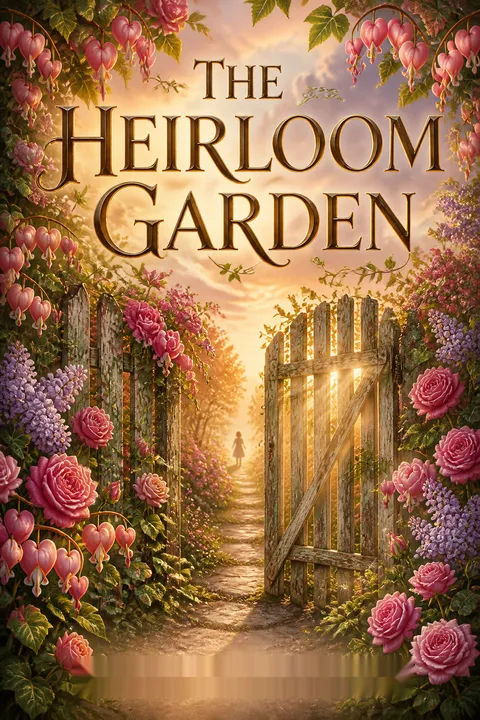
Iris Maynard, a botanist in Michigan, loses her husband in WWII and her daughter to illness, retreating behind a towering fence and into her heirloom garden. Decades later, Abby Peterson, a chemical engineer, moves in next door with her traumatized Iraq War veteran husband, Cory, and their daughter, Lily. Both women are scarred by war—one by the past, one by the present—and both seek solace in the beauty and order of flowers. Their gardens, separated by a literal and emotional fence, become silent witnesses to their pain and longing for connection.
New Neighbors, Old Wounds
Abby, seeking a fresh start for her struggling family, is drawn to the rental cottage next to Iris's fortress-like home. The Petersons' arrival stirs up town gossip about the reclusive "flower scientist" next door. Abby's husband, Cory, battles PTSD and withdrawal, while Lily's curiosity leads her to peer through the fence at Iris's legendary garden. Both households are haunted by loss, and the proximity of their pain sets the stage for an uneasy, inevitable entanglement.
Lilacs and Losses
As Abby settles in, the fragrance of Iris's lilacs triggers memories of her own grandmother and happier times. For Iris, lilacs evoke her mother and grandmother, and the legacy of women who found hope in gardening through hardship. Both women, in their separate homes, are enveloped by the bittersweet perfume of memory and the ache of what's been lost. The lilacs become a bridge between past and present, and a silent invitation to healing.
Bleeding Hearts Connect
Lily, Abby's daughter, innocently plucks a bleeding heart flower poking through the fence. Iris confronts her, but the child's openness disarms her. Through the fence, Iris tells Lily the Japanese legend of the bleeding heart—a tale of unrequited love and sacrifice. The story resonates with both, and a fragile bond forms. For Iris, Lily's presence stirs memories of her own daughter, Mary, and for Lily, Iris becomes a mysterious, gentle guide.
Trillium and Memory
Iris's annual pilgrimage to plant trillium in a hidden park is both ritual and remembrance for her lost family. In parallel, Abby's family embarks on a hike, seeking reconnection and hope. The trillium, delicate and protected, symbolize the fragility of memory and the persistence of hope. Both women confront the pain of remembering and the fear of forgetting, finding in flowers a way to keep love alive.
Iris and Identity
Abby faces sexism at work, her creative ideas dismissed by male colleagues. She draws strength from the story of the iris flower—named for the Greek goddess of the rainbow, symbolizing hope and connection. Meanwhile, Iris, tending her namesake blooms, reflects on her own struggles as a pioneering woman in science. Their shared experiences of being underestimated and their love of flowers become a source of mutual respect and understanding.
Peonies and Promises
A tense confrontation over Lily's safety leads Abby and Iris to finally meet face-to-face. Over tea, they share their stories—of war, loss, and the solace found in gardening. Iris gifts Abby a start of her family's heirloom peonies, a gesture of trust and legacy. The exchange marks the beginning of a true friendship, rooted in vulnerability and the promise of renewal.
Daylilies: Hope in Bloom
Cory's struggles with PTSD reach a crisis, but with Iris's intervention, he seeks help. Gardening becomes his therapy, and he and Lily join Iris in hybridizing daylilies—each blossom a fleeting beauty, each cross a leap of faith. The act of creating new flowers together becomes a metaphor for healing and the courage to hope for a better future, even when the past is filled with pain.
Hollyhocks and Healing
As summer deepens, Iris recalls the Fourth of July when her daughter was dying, and how hollyhocks—tall, resilient, and beautiful—became symbols of strength. The Petersons invite Iris to join their family celebrations, and she teaches Lily to make hollyhock dolls, passing on traditions and stories. Through shared rituals and memories, the wounds of the past begin to heal, and Iris finds herself drawn back into the world.
Lady's Mantle Strength
A summer storm topples part of Iris's fence, exposing her garden to the neighborhood. Instead of rebuilding her barriers, Iris lets others in, discovering the quiet strength of Lady's Mantle—a humble plant that holds dew like diamonds. The Petersons and neighbors rally to help, and Iris learns that true resilience comes not from isolation, but from community and the willingness to be vulnerable.
Surprise Lilies, Surprise Bonds
As surprise lilies erupt in both gardens, Iris and Lily celebrate their shared August birthdays. Iris gifts Lily a brooch with deep personal meaning, and the Petersons reciprocate with gestures of love and inclusion. The surprise lilies, which bloom suddenly and fade quickly, become emblems of the fleeting, precious nature of connection and the importance of seizing joy when it appears.
Coneflowers and Community
The butterfly garden flourishes, attracting life and color. Iris reflects on her past as a war protester and community leader, and how her activism was misunderstood. Abby, inspired by Iris's courage, quits her job to start her own business. The gardens become a gathering place, and the once-walled-off Iris is embraced by the community. The coneflowers, sturdy and healing, symbolize the power of belonging and the beauty of diversity.
Black-Eyed Susans: Ordinary Grace
As summer wanes, Iris contemplates the ordinary beauty of Black-eyed Susans—flowers that thrive in ditches and gardens alike. She realizes that her life, though marked by loss and solitude, has been extraordinary in its own way. Abby, too, finds grace in the everyday moments with her family and neighbors. Together, they learn that ordinary days and ordinary people can hold the greatest meaning.
Dahlias and New Beginnings
Autumn arrives, and Iris begins her fall garden cleanup, reflecting on the cycles of life and death. She shares her dahlias—symbols of dignity and inner strength—with Cory, who has found new purpose in gardening. Both women face the future with hope, knowing that every ending is also a beginning, and that the seeds of today will bloom again in seasons to come.
Christmas Cactus Miracles
As snow blankets the world, Iris's ancient Christmas cactus blooms, a miracle of persistence and care. The Petersons and Iris celebrate Christmas together, exchanging gifts that carry the weight of history and hope. Cory's efforts to bring closure to Iris's past succeed: the remains of her husband, Jonathan, are identified and returned home. The season of darkness becomes one of light, forgiveness, and family.
Victory Garden Restored
Jonathan's return is marked by a community ceremony and the restoration of the old Victory Garden as a memorial and teaching space. Iris's story, once hidden behind fences, becomes a source of inspiration for the town. The garden, filled with heirloom flowers and vegetables, stands as a living testament to resilience, sacrifice, and the enduring power of hope.
Full Circle, Hope Renewed
In the final chapter, Iris, Abby, Cory, and Lily gather in the restored garden. Surrounded by friends, family, and the blooms of generations, Iris makes a wish on a dandelion—her wish is for hope. The seeds float skyward, carrying with them the lessons of love, loss, and renewal. The story ends with the assurance that, like heirloom flowers, hope and memory are passed on, blooming anew in every heart.
Analysis
A modern fable of grief, resilience, and hopeThe Heirloom Garden is a deeply empathetic exploration of how trauma—whether from war, loss, or societal injustice—can isolate individuals and families, and how healing is possible through connection, memory, and the natural world. Viola Shipman uses the language of flowers and the rhythms of gardening to illustrate the cycles of pain and renewal that define human experience. The novel's dual timelines and intergenerational relationships underscore the universality of suffering and the enduring power of hope. By centering women's stories—of scientific achievement, creative resilience, and emotional labor—the book challenges traditional narratives of heroism and legacy. It also addresses contemporary issues: the invisible wounds of veterans, the challenges faced by working mothers, and the importance of community in an increasingly fragmented world. Ultimately, The Heirloom Garden teaches that beauty can bloom from old wood, that fences can be taken down, and that hope, like an heirloom flower, can be passed on—rooted in the past, blossoming in the present, and seeding the future.
Review Summary
People Also Read


Characters
Iris Maynard
Iris is a once-renowned botanist whose life was shattered by the loss of her husband in WWII and her daughter to illness. She retreats into her garden, building a literal and emotional fence to keep the world at bay. Her identity is entwined with her flowers, each one a living memory of those she's lost. Initially prickly and reclusive, Iris is deeply compassionate beneath her defenses. Through her relationship with Abby, Lily, and Cory, she gradually reopens to life, finding purpose in passing on her knowledge and legacy. Her journey is one of moving from isolation and grief to connection and hope, ultimately embracing community and the possibility of healing.
Abby Peterson
Abby is a chemical engineer and mother who moves to Grand Haven to escape the trauma of her husband's return from Iraq. Practical, creative, and quietly strong, she struggles with the pressures of work, family, and her own sense of inadequacy. Abby's love of flowers and her determination to rebuild her family's life draw her into Iris's orbit. She faces sexism at work and the emotional toll of Cory's PTSD, but finds strength in friendship, gardening, and eventually entrepreneurship. Abby's arc is one of self-discovery, learning to value her own voice, and building a new life rooted in authenticity and hope.
Cory Peterson
Cory returns from Iraq a changed man, haunted by trauma and loss. His struggle with PTSD strains his marriage and his relationship with Lily. Initially withdrawn and angry, Cory's journey toward healing is catalyzed by Iris's intervention and the therapeutic power of gardening. As he learns to open up, seek help, and reconnect with his family, Cory transforms from a ghost of himself into a present, loving husband and father. His story highlights the invisible wounds of war and the importance of community, vulnerability, and purpose in recovery.
Lily Peterson
Lily is Abby and Cory's young daughter, curious, fearless, and open-hearted. Her fascination with flowers and her willingness to reach out to Iris break down barriers between the two households. Lily's innocence and honesty allow her to connect with Iris in ways adults cannot, reminding both women of the power of hope, imagination, and intergenerational bonds. She is the living embodiment of renewal and the promise of the future.
Mary Maynard
Though deceased, Mary's memory is ever-present in Iris's life and garden. Her favorite flowers, her laughter, and her spirit infuse the narrative, shaping Iris's choices and grief. Mary represents the pain of loss but also the enduring nature of love and the possibility of legacy through memory and tradition.
Jonathan Maynard
Iris's husband, killed in WWII, is both a source of deep sorrow and a guiding presence. His letters, the roses Iris bred in his honor, and the eventual return of his remains provide closure and healing. Jonathan's story is a reminder of the personal cost of war and the importance of remembrance.
Shirley
Shirley is Iris's best friend from the war years, offering support, humor, and tough love through Iris's darkest times. Her presence in flashbacks and memories underscores the importance of friendship, honesty, and shared grief in survival.
Pam (Realtor)
Pam is the enthusiastic Realtor who brings Abby's family to Iris's rental cottage. Her role as a bridge between the old and new residents, and her penchant for local lore, help set the stage for the unfolding drama.
Dr. Kim Trafman
Dr. Trafman is the counselor who helps Cory and Abby navigate the complexities of PTSD and family trauma. Her compassionate, practical approach provides tools for recovery and underscores the necessity of seeking help.
Traci
Traci is Abby's assistant at work, a single mother balancing ambition and survival. Her friendship and encouragement help Abby find the courage to leave her job and pursue her dreams, representing the solidarity and resilience of working women.
Plot Devices
Dual Timelines and Interwoven Narratives
The novel alternates between Iris's WWII-era experiences and the contemporary struggles of Abby's family. This structure allows the reader to see how trauma, loss, and hope echo across generations. The interwoven narratives create resonance between the characters' journeys, highlighting universal themes of grief, resilience, and renewal.
Symbolic Flowers and Gardening
Each chapter centers on a different flower, whose characteristics and folklore reflect the emotional arc of the story. Flowers serve as living symbols of memory, hope, and connection, and the act of gardening becomes a metaphor for nurturing oneself and others through adversity. The passing of heirloom plants represents the transmission of love and wisdom across time.
The Fence as Barrier and Bridge
Iris's towering fence is both a literal and figurative barrier, representing her isolation and fear. As the story progresses, the fence is breached—by Lily's curiosity, by storms, and finally by Iris's own choice—signifying the breakdown of emotional walls and the opening to community and healing.
Foreshadowing and Flashbacks
The narrative uses flashbacks to reveal the depth of Iris's grief and the origins of her reclusiveness. Foreshadowing—through the state of the gardens, the changing seasons, and the behavior of the characters—builds anticipation for moments of crisis and transformation.
Objects as Memory Keepers
Personal objects—such as Jonathan's letters, Mary's drawings, and the gifted brooch—anchor the characters' memories and serve as catalysts for change. These items carry emotional weight, connecting past and present and enabling closure and new beginnings.
Community as Redemption
The gradual involvement of neighbors, the restoration of the Victory Garden, and the communal celebrations mark the shift from solitude to solidarity. The novel suggests that healing is not only personal but also collective, and that true resilience is found in connection.
Download PDF
Download EPUB
.epub digital book format is ideal for reading ebooks on phones, tablets, and e-readers.








































