
Plot Summary
Grief, Guilt, and Promise
Alora's story begins in the raw aftermath of grief—her best friend Misty's death. Misty's last wish is a bucket list Alora must fulfill, a charge Alora accepts with complicated devotion. Haunted by the weight of this promise, her emotional state teeters between melancholy, guilt, and a desire to honor a life cut short. Simultaneously, Miles away, Edward's existence is shaped by duty, control, and emotional isolation. Bound to a promise to his sister and fragmented by his mother's tragic, unsolved murder, Edward views intimacy through the lens of power, control, and calculated detachment. Both searching for meaning, unable to step free of the ties that bind, Alora and Edward are propelled toward choices neither feels quite ready for but cannot refuse—Alora by her guilt, Edward by the crippling need for control he cannot explain.
The Establishment Invitation
Desperate to complete Misty's bucket list, Alora confronts her most taboo item—anonymous kink, pegging a man. Her research leads her to The Establishment, a clandestine, elite sex club in Switzerland. It's a place that promises safe anonymity and exploration of desires, but carries an emotional price. At her therapist's suggestion, Edward also enters this hidden world, pressured to confront the reality of his need for dominance and fear of emotional vulnerability. For both, the club becomes a sanctuary and a crucible, forcing them to confront the edge of their comfort—the price of intimacy without exposure. The Establishment is the crossroads where their lives, shaped by grief and control, collide with stark, erotic honesty.
Tied to the Past
Strangers—Alora and Edward—meet in The Establishment, each stripped of their names and pasts. The spark is instant, intense; the attraction, undeniable. The weekend unfolds with extremes of dominance, submission, pleasure, and power. Boundaries push and consciousness alters; neither expects to find something real. What should be transactional—just a tick on a list—mutates into a visceral and spiritual connection. But with rules forbidding names and futures, the pain of parting is as sharp as the pleasure. They leave, forever changed, yet shackled to anonymity: two souls whose wounds fit together perfectly, but who are banished to separate orbits.
Unveiling Desire, Unmasking Fear
Alora returns to her solitary routines, the contrast between her ordinary life and the intensity of Switzerland stark and painful. Edward, forced by obligation and image to compartmentalize, shoves the memory into a dark corner of his psyche. Still, the experience lingers—they are haunted by tastes, sounds, and the sensation of belonging. Alora clings to her bucket list's end, but realizes the most profound changes are internal, not external. Edward, meanwhile, doubles down on control and avoidance; relationships become even more fleeting and sterile. Both attempt to move on, believing what they had is lost forever to anonymous shadows.
Stranger Chemistry Ignites
By twist of fate, Alora and Edward are thrown together again in Monaco's glitzy social circles. Now able to see, touch, and speak without masks, the attraction reignites—more complicated, given new relationships and public scrutiny. Their connection is undeniable but fraught with risk; each is already entangled in another life. Feelings quickly threaten to bring the past roaring into the present, and the line between lust and love blurs. Old wounds and jealousies resurface, especially as their external personas are threatened by what they truly want: each other.
Letting Go, Giving In
Their relationship escalates, oscillating between avoidance and raw need. Alora's anxiety over being just another conquest wars with her longing to be seen and accepted, while Edward's need for control is upended by vulnerability and emotional awakening. Their encounters become both an escape and a war zone—a place of healing and fresh injury. They unravel each other's carefully constructed defenses, but the possibility of joy comes hand-in-hand with the threat of devastation, addiction, and public scandal. Together, they are explosive; apart, incomplete.
Lost and Found Weekend
With secrets mounting, Edward and Alora allow themselves a brief, idyllic reprieve: a weekend of laughter, intimacy, and hope. For a moment, they believe they can have it all—love and freedom, honesty and passion. Yet, lurking behind every shared glance is the threat of exposure and heartbreak: ex-lovers, jealousies, and unresolved traumas pull at their happiness. The past, both distant and recent, constantly knocks at the door. The reality of blending their drastically different worlds—Edward's opulence and Alora's quiet authenticity—becomes a test neither is sure they can pass.
Dreams End, Life Restarts
External pressures escalate: tabloids, betrayals, and threats force Edward and Alora apart. Their personal demons reawaken—Alora's grief, Edward's fear and guilt. Forced to go their separate ways, each is plunged into despair and reflection. Alora attempts to rebuild, finding solace in family, work, and friends, while Edward throws up walls of ice, fearing the price of loving and losing. Both must learn what it means to fight for happiness, and whether the pain of loving truly is better than the emptiness of living safely.
Unlikely Loves and Losses
Alora forges bonds with unexpected allies: new friends, and even Edward's circle of powerful peers. Her kindness and resilience win over those closest to Edward, who see in her the only hope for his redemption and peace. Meanwhile, rivals and enemies—jealous exes, jilted lovers, and those with dark agendas—conspire in the shadows. Their love story is no longer just about two people, but the collision of competing families, fortunes, and secrets. The danger intensifies: not all wounds are emotional, and love may just become a matter of life and death.
Crossing Paths in Monaco
The high society of Monaco is glittering, but riddled with lies, rivalries, and near-invisible threats. For Edward, every victory feels hollow if Alora is not by his side; for Alora, every advancement deepens her sense of outsider status. The pressure mounts for them to conform and to hide what truly binds them. A new home, social engagements, and swirling rumors test their trust and devotion. Against this, their private world is a sanctuary—but one increasingly under siege by forces intent on tearing them apart.
Secrets Beneath Elegance
Attempts on Alora's safety escalate, from emotional manipulation to outright physical danger. Old scandals resurface, and new betrayals appear—Edward's ex-lover Isadora stirs threats and blackmail, and Alora's past is weaponized against her. Paranioa, fueled by the pain of Edward's mother's unsolved murder, drives Edward to increasingly controlling, desperate actions. Love becomes a dangerous game between protecting and possessing. The line between victim and survivor grows thinner.
Love, Lies, and Kinks
Edward and Alora are forced to confront the realities of their individual traumas and shared love. Sexuality, honesty, and control are re-negotiated: what began in anonymous submission becomes, at last, a partnership built on mutual respect, trust, and explicit communication. The secrets threaten to destroy them, but in truth-telling and forgiveness they find a path forward. Family wounds are revisited, exorcised, and re-integrated—especially as Alora walks alongside Edward in facing down the ghosts of his past.
Control, Surrender, Betrayal
Progress is nearly undone when betrayal slithers in; a seemingly minor transgression reignites cycles of mistrust and self-destruction. Edward's need for control clashes with Alora's anger at being caged. Their fight is not just with each other, but with the world that wants to see them fail. Even as they plan a future—home, marriage—old habits and new wounds threaten to sabotage every moment of happiness. The specter of violence, jealousy, and the past's persistence threatens all.
When Worlds Collide
Accepting an engagement, Alora and Edward choose to claim hope despite fear. Healing is slow: new routines, shared homes, plans for family and union are built deliberately—sometimes joyfully, sometimes with trembling hearts. The scrutiny of the press, ex-lovers, and high society tests their resolve, but the couple digs in. Friends and family become the bulwark against existential threat, but even the best-laid plans cannot protect them from unexpected storms.
Second Chances, New Scars
With hope comes a higher price: Edward's enemies, unseen for years, begin to close in. Misty's loss returns in a new guise—reminding Alora, and Edward, just how easily happiness slips through human hands. Both must face what sacrifice truly means, and whether love can survive not just betrayal and grief, but direct, targeted violence and loss. The choice to love becomes an act of courage, forgiveness, and belief in a world that keeps trying to prove otherwise.
Commitment and Shadows
Wedding preparations become more than a celebration: they're a kind of battlefield. Old grief—the murder of Edward's mother—haunts every joyful milestone, a reminder that love is never safe. Yet, surrounded by chosen family and newfound strength, Alora and Edward draw closer. They reaffirm, again and again, that paradise is simply peace in each other's arms, not the absence of trouble. Love is not about avoiding pain but choosing each other, every day, in spite of it.
Intruders in the Night
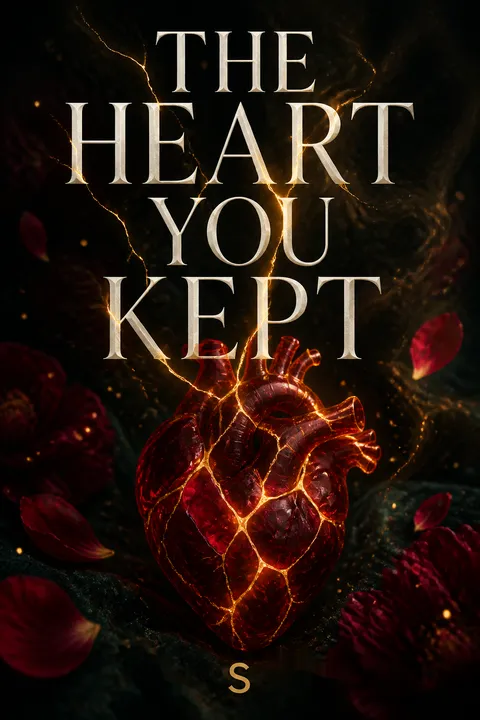
Just as joy seems assured, evil slips in—literally. Alora is taken from her safe home, her life threatened by a shadow in the night. Her disappearance crushes the entire network of friends and loved ones, setting off a desperate search, a reckoning for the consequences of the past. All the wealth, power, and protection Edward has amassed is pitted against a faceless darkness. The story barrels toward its shocking climax: a mutilated human heart arrives as a grim warning. But hope flickers—Alora's life, love, and soul may yet be saved if Edward and his allies can find her in time.
Heart Under Siege
In the aftermath of unimaginable loss and pain, truth and love are tested in the most extreme ways. Edward faces his most primal fear: being powerless to protect the woman who became his reason for living. Alora's fate is uncertain; love's endurance is the only light left. As the first volume closes, the promise of rescue—and the shadow of violence—leave the future hanging by a thread. The story of the heart you kept is far from over.
Analysis
In a contemporary landscape crowded with billionaire romance, The Heart You Kept stands apart as a raw meditation on grief, trauma, and the complex bargains we strike for love. The novel's real innovation lies not in its erotic set pieces, but in its exposure of the psychological wounds that drive both self-destruction and healing. Alora and Edward are both more and less than the clichés they appear: their journey is a chronicle of recurrent loss, the slow transformation of pain into growth, and the terror of choosing happiness after tragedy. Swan's work tackles the enduring problem of control—sexual, emotional, and existential—and asks if it is possible to truly know (and surrender to) another without losing oneself. Throughout, the book grapples with the cost of generational trauma, the ways that love is often born of shared damage, and the possibility that only by risking everything can we truly break free. The cliffhanger ending is both a promise and a warning: in the world of The Heart You Kept, love is not a refuge from suffering, but the reason to endure and transcend it. Readers close the book unsettled but invigorated, reminded that the hardest love stories are also the truest, and that a kept heart is sometimes the most vulnerable of all.
Review Summary
Reviews for The Heart You Kept are mixed, averaging 4.36 stars. Many readers praise the slow-burn chemistry, billionaire romance tropes, and emotional intensity between Alora and Edward. However, recurring criticisms include choppy writing, abrupt scene transitions, abandoned plot threads, and unnecessary POV shifts. The most common complaint is the unexpected cliffhanger ending, frustrating readers who felt misled about the book being a standalone. Some found Edward unlikable or the dynamic problematic, while devoted fans remained captivated despite flaws.
Characters
Alora Sorenson
Alora is a woman defined by loyalty, grief, and quiet determination. The tragic loss of her best friend Misty sends her on a journey to fulfill a bucket list, a project that is both a memorial and a desperate act of self-rescue. On the surface, she is intelligent, nurturing—a math teacher who becomes an antique dealer—yet her life is threaded with loneliness, uncertainty, and restless yearning. Relationships are colored by her low self-worth and fear of never truly belonging. With Edward, she discovers a hunger for both submission and power—her journey is from passivity toward agency. Her psyche is marked by the trauma of loss, but her greatest transformation is learning that true vulnerability is not weakness but strength. Through love and suffering, Alora becomes self-possessed and fiercely loyal, refusing to be controlled by anyone, even the man she loves. Her story is a psychological study in how grief can evolve into gratitude and hard-earned joy.
Edward Prescott
Edward is a charismatic and deeply troubled billionaire, heir to a casino empire and a legacy stained by violence. His childhood was shattered by the unsolved murder of his mother, birthing an obsession with control and a terror of vulnerability. Outwardly, Edward is commanding, cold, and sexually dominant—a master at commanding others, but a novice at surrendering his heart. His relationships are transactional and strategic until Alora, who challenges him to confront his emotional wounds. The juxtaposition of his ruthless public self and his hidden softness for Alora drives his psychological arc. Plagued by feelings of unworthiness, shame, and guilt, Edward's development revolves around learning to trust, surrender, and allow himself to be transformed by love's chaos. His love for Alora marks his first real step into emotional adulthood.
Misty (Alora's Best Friend)
Though already deceased as the story begins, Misty is present through memory, her bucket list, and Alora's ongoing dialogue with her. Misty represents both loss and the stubborn, irrepressible will to live. Her wild wishes are a challenge and a form of after-death caregiving. Misty is the embodiment of the unfinished life, propelling Alora's courage and growth from the grave.
Hermione (Edward's Ex/Princess of Switzerland)
Hermione is Edward's ex-girlfriend, the image of privileged vulnerability. Though a princess, she is not immune to betrayal—witnessing her lover's affair with her own friend (Isadora), she becomes a symbol of the kind of trauma the powerful inflict even on each other. Hermione is passive, gentle, generous, and ultimately wishes even her betrayers well, refusing to become vengeful despite her pain. Her presence crystallizes Alora and Edward's difference from the brutality of their world.
Pascal Deschanel
Pascal is Alora's ex-boyfriend—a decent, if somewhat possessive, partner who cannot compete with the overwhelming connection she feels to Edward. His descent into jealousy, paranoia, and ultimately victimhood (being beaten) underscores the danger and intensity of Edward's world. Pascal represents the "safe" choice rejected for the promise—and risk—of profound passion.
Isadora Auclair
Isadora, former lover to both Edward and Hermione, is the personification of toxic desire and obsession. Bitter about being cast aside and emotionally unstable, she weaponizes secrets, manipulates public image, and blackmails. Her psychological need for attention and revenge makes her a dangerous antagonist, weaving threads of betrayal and violence throughout the narrative.
Philippe (Edward's Chief Bodyguard)
Philippe is Edward's head of security and a mirror for Edward's psychological journey. He internalizes the trauma and guilt surrounding Edward's family's past, and his professional vigilance is both an asset and a chokehold. Philippe evolves into a confidant—not just for safety, but as a sounding board for Edward's fears and growth. His loyalty to both Edward and, eventually, Alora, provides moments of humanity and practical wisdom.
Thomas Stone
Introduced as a male escort, Thomas soon becomes Alora's unexpected friend and supporter. Witty, playful, and deeply genuine at heart, he is unafraid to confront both Edward and Alora with the truths they refuse to see. His own journey—falling in love, letting go of transactional intimacy—serves as a playful counter-narrative to the main couple's story, reminding both characters of the power of friendship and chosen family.
Helene
Helene is Alora's confidante, coworker, and the voice of irreverence. Where Alora is introspective, Helene is outspoken, wild, and fiercely loving. She is the counterbalance to Alora's anxieties, embodying full-bodied living and unsparing truth-telling—never allowing Alora to drift too far into self-pity or delusion. Helene helps Alora claim her desires, both sexual and romantic.
Harold Prescott
Edward's father, Harold, is a man forged in loss, guilt, and stoicism. His choices, especially around family and security, imprint themselves indelibly on his son's psyche. Harold becomes integral in explaining Edward's patterns and encouraging Alora to understand and help heal them, while admitting the generational wounds that shaped them all.
Plot Devices
Disguised Encounters and Lost Identities
The use of anonymous sex and the loss of names at The Establishment allows the protagonists to meet as pure selves—unmediated by social role or reputation. Their later realization that they have met again in "real life" heightens both the romantic fatedness and the psychological danger: the person you need most may be the hardest to trust when their other identity is revealed. The motif repeats in scenes of concealment, masquerade, and surveillance, creating an undercurrent of suspense.
Sexual Power Play as Healing
Erotic games—dominance, submission, edgeplay—become symbolic of psychological wounds and the path to healing. Submission is a means of relinquishing control, of experiencing safety in vulnerability; domination likewise presents a safe arena for expressing rage, fear, and loss of control. Sex is never just physical—it's the laboratory for testing trust, courage, and the willingness to truly "let go." The evolution of their power dynamic mirrors the personal growth of both Alora and Edward.
Scarcity, Loss, and Recurrence
Misty's bucket list is both MacGuffin and healing ritual. It keeps Alora stuck in her grief but eventually propels her beyond trauma, proving that honoring the dead can be the first step in building a new self. The story frequently loops back on itself—past trauma is never truly buried, always threatening to re-emerge. This cyclical structure mirrors the psychological reality of trauma recovery: you start over again and again.
Wealth, Security, and Isolation
Edward's fortune allows protection and privilege, but also breeds targets, jealousy, and a life of isolation and paranoia. The use of security details, bodyguards, and state-of-the-art fortresses raises the question: what is safety? Is it possible to be both known and safe? The narrative interrogates whether love can flourish—and remain honest—while hiding behind layers of protection.
Foreshadowing by Omission and Repetition
Throughout, the narrative leverages dialogue and repeated motifs—mysterious knocks, unnamed enemies, and unexplained absences—to foreshadow future crises. Subject matter omitted from conversations, letters left unread, and secrets withheld seed both tension and catharsis. Repetition (of trauma, desire, and avoidance) becomes a warning bell—what's left unsaid will eventually return, with greater force.
Cliffhanger and Non-Closure
The novel's core structure is cyclical, ending where it began: with a heart in jeopardy, a love tested not by the absence of problems, but their perpetual recurrence. The human heart—literal and metaphorical—is both prize and cost. The story closes on a cliffhanger, the fate of Alora unknown; in so doing, it forces the reader to confront the reality that for all our longing for resolution, some stories cannot end—only continue.
Download PDF
Download EPUB
.epub digital book format is ideal for reading ebooks on phones, tablets, and e-readers.








































