
Plot Summary
Hungover Farewells and Grand Departures
Henry "Monty" Montague wakes up hungover beside his best friend Percy, dreading the day's departure for their Grand Tour of Europe. The Montague family is a tangle of expectations and disappointments: Monty's father is cold and threatening, his mother anxious, and his sister Felicity sharp-tongued and clever. Monty's father delivers a final warning—no more scandal, or Monty will be disinherited. Percy, Monty, Felicity, and their bear-leader Lockwood set off, Monty determined to make the most of this last year of freedom before adulthood and separation from Percy. The journey begins with laughter, bickering, and the unspoken ache of Monty's secret love for his best friend, setting the stage for a summer of vice, virtue, and self-discovery.
Parisian Temptations and Tensions
In Paris, Monty and Percy are swept into a whirlwind of art, music, and society under Lockwood's strict eye. Monty chafes at the restrictions, longing for wild nights and Percy's affection. Felicity, meanwhile, schemes for her own freedom. One night, Monty and Percy escape to a music hall, where drink and poetry loosen their inhibitions. A drunken, passionate kiss explodes between them, but the aftermath is confusion and hurt—Percy pulls away, Monty masks his heartbreak with bravado, and their friendship is strained. The city's glittering promise is shadowed by the pain of unspoken truths and the fear of what love might cost.
Versailles: Scandal and Shame
Invited to a ball at Versailles, Monty's attempts at civility unravel. He's humiliated by the Duke of Bourbon, his father's old rival, and further alienates Percy with careless words. Seeking distraction, Monty seduces a French courtesan and, in a drunken haze, steals a mysterious puzzle box from the Duke's apartments. Caught in a compromising state, Monty's naked dash through the palace becomes the scandal of the season. The fallout is swift: Lockwood declares the Tour over, and the group flees Paris in disgrace. Monty's self-destructive antics have cost him Percy's trust and set dangerous events in motion.
Highwaymen and a Stolen Box
En route to Marseilles, the group is ambushed by highwaymen—no ordinary robbers, but men searching for the very box Monty stole. The attack is brutal: their coachman is killed, and the friends barely escape into the woods. In the aftermath, Monty confesses to stealing the box, realizing it's the object of a deadly hunt. The trio is forced to survive on their wits, walking for days toward Marseilles, haunted by the knowledge that Monty's impulsive theft has put them all in mortal danger. The box, once a petty trophy, now binds them to a mystery with life-or-death stakes.
Sibling Schemes and Secrets
As they journey on foot, the siblings' dynamic shifts. Felicity reveals her secret study of medicine, surprising Monty with her competence and ambition. Monty, in turn, confides the truth about his expulsion from Eton and the abuse he suffered at their father's hands. The siblings find a fragile understanding, united by hardship and the need to protect Percy, who grows increasingly ill. The trio's survival depends on trust, resourcefulness, and the slow, painful work of healing old wounds. The box remains a silent threat, its secrets yet to be unlocked.
Flight, Fugitives, and First Kisses
Arriving in Marseilles, the friends are pursued by the Duke's men. Percy collapses from a seizure, revealing his secret battle with epilepsy. Felicity's medical knowledge and the kindness of an apothecary save him, but the truth devastates Monty—Percy's illness is incurable, and his family plans to send him to an asylum. Desperate for hope, they learn the box is an alchemical puzzle linked to a legendary cure-all. The possibility of a cure for Percy's illness becomes their new quest, and the trio resolves to deliver the box to its rightful owner in Barcelona, risking everything for a chance at salvation.
Marseilles: Illness and Revelations
In the safety of a canal boat, Percy confides the full truth of his illness and the fate awaiting him in Holland. Monty is wracked with guilt for not seeing Percy's pain and for his own selfishness. Felicity, too, reveals her longing for a life beyond the limits imposed on her gender. The friends' secrets draw them closer, forging a bond of honesty and mutual support. The box, now revealed as a creation of the alchemist Mateu Robles, offers a glimmer of hope—a panacea that could change everything. Their journey becomes a race against time, enemies, and the limits of their own courage.
The Alchemist's Puzzle
In Barcelona, the trio delivers the box to the Robles family, only to find the alchemist dead and his children, Helena and Dante, hiding secrets of their own. The box contains the key to a legendary panacea, but opening it requires a cipher only their father knows. The Duke of Bourbon's pursuit grows more desperate, and alliances shift as Dante confides the truth: the panacea is a human heart, created at the cost of a life. The friends must decide whether to pursue the cure, knowing the price, as the lines between right and wrong blur in the face of love and survival.
Pirates, Ransoms, and New Alliances
Fleeing Barcelona, the friends stow away on a merchant ship, only to be captured by pirates—former slaves turned privateers, led by the charismatic Scipio. Hostages and outcasts together, Monty, Percy, and Felicity forge an uneasy alliance with the crew. Monty's quick thinking saves them from the French navy, and Percy's family connections offer the pirates a chance at legitimacy. Bonds of trust and respect grow, and Monty learns to fight for himself, both literally and figuratively. The journey to Venice becomes a crucible, forging new identities and unexpected friendships on the high seas.
Venice: Sinking Islands, Sinking Hearts
Venice is a city of beauty and danger, its canals hiding both revelry and betrayal. The friends learn the panacea is hidden on a sinking island, accessible only with the Lazarus Key. As they plan their heist, Monty and Percy's relationship reaches a breaking point—Percy refuses the cure, unwilling to take a life for his own sake, while Monty's fear of loss drives them apart. The Duke of Bourbon closes in, and the friends must risk everything to reach the island, knowing that the cost of the cure may be more than any of them can bear.
The Lazarus Key's Price
On the flooded island, the friends face the Duke, Helena, and the truth of the panacea—a living heart, the result of a failed experiment, neither alive nor dead. In a harrowing confrontation, Felicity destroys the heart rather than let it be used for power or personal gain. Monty is wounded, and the friends barely escape as the island collapses. The quest for a miracle ends not with a cure, but with the realization that love, acceptance, and agency matter more than any alchemical promise. The friends' choices define them, and the cost of mercy is paid in blood and forgiveness.
Fire, Blood, and Sacrifice
Wounded and half-deaf, Monty recovers in Santorini, tended by Felicity and Percy. The friends reckon with what they've lost and what they've gained: Felicity is offered a place as a ship's surgeon, Percy is free from the threat of the asylum, and Monty must decide whether to return home or forge a new life. Letters are written, futures considered, and the bonds between them are tested and renewed. The scars they carry—physical and emotional—become marks of survival, not shame. The journey has changed them all, and the world is wider than they ever imagined.
Aftermath: Wounds and Reckonings
As the pirates prepare to sail for England, Monty, Percy, and Felicity face choices about their futures. Monty, scarred but alive, chooses to leave behind his father's legacy and the pain of the past. Felicity contemplates a life of medicine and adventure. Percy and Monty, at last honest with each other, confess their love and decide to run away together, choosing each other over fear and convention. The friends' journey ends not with a miracle cure, but with the hard-won knowledge that happiness is found in self-acceptance, courage, and the people you choose to love.
Santorini: Choosing Each Other
In the sun-drenched beauty of Santorini, Monty, Percy, and Felicity find peace and possibility. Monty writes a final letter to his father, declaring his independence and happiness. Felicity embraces her future as a healer and adventurer. Monty and Percy, free from the expectations and cruelties of their old lives, choose each other—imperfect, scarred, and deeply in love. The journey that began with vice and virtue ends with the promise of a life lived on their own terms, together beneath a sky wide enough for all their dreams.
Letters Home, Futures Unwritten
Monty's letter home is both a confession and a declaration: he has survived scandal, violence, and heartbreak, and emerged changed. He forgives his father, claims his own worth, and chooses a future with Percy. The friends' story is unfinished, their adventures just beginning. The world is vast, the sky endless, and for the first time, Monty is free to write his own story—one of love, courage, and the pursuit of happiness, wherever it may lead.
Analysis
Mackenzi Lee's The Gentleman's Guide to Vice and Virtue is a rollicking, heartfelt coming-of-age adventure that deftly balances humor, romance, and social critique. At its core, the novel is about the courage to live authentically in a world that punishes difference—whether that difference is queerness, race, gender, or illness. Through Monty's reckless charm, Percy's quiet resilience, and Felicity's fierce intellect, Lee explores the pain of shame and the power of chosen family. The alchemical quest is both a literal and metaphorical search for a cure—for Percy's epilepsy, for Monty's self-loathing, for the wounds inflicted by society and family. Yet the story's wisdom lies in its refusal of easy miracles: true healing comes not from magic, but from honesty, acceptance, and the willingness to choose love over fear. The novel's blend of historical detail, modern sensibility, and emotional depth makes it a vibrant, relevant tale for readers of any era—reminding us that happiness is not found in vice or virtue alone, but in the messy, beautiful work of becoming ourselves.
Review Summary
The Gentleman's Guide to Vice and Virtue receives mostly positive reviews, praised for its humor, LGBTQ+ representation, and engaging characters. Readers appreciate the historical setting, witty dialogue, and adventurous plot. Many enjoy the romantic tension between Monty and Percy, as well as Felicity's strong character. Some criticize the book's length and historical inaccuracies, while others find Monty's character development lacking. Despite these issues, most reviewers recommend the book for its entertaining blend of romance, adventure, and social commentary.
People Also Read









Characters
Henry "Monty" Montague
Monty is the charismatic, self-destructive heir to an English estate, haunted by his father's abuse and his own sense of inadequacy. His wit and bravado mask deep insecurities and a longing for acceptance—especially from Percy, his best friend and secret love. Monty's journey is one of painful growth: from selfishness and shame to self-acceptance and courage. His impulsive actions set the plot in motion, but it is his capacity for love, loyalty, and change that ultimately redeems him. Monty's relationships—with Percy, Felicity, and even his absent parents—are fraught, but he learns to fight for himself and those he loves, choosing honesty and vulnerability over fear.
Percy Newton
Percy is Monty's best friend and the object of his deepest affection. Biracial and illegitimate, Percy has always been an outsider, facing racism, social exclusion, and the burden of epilepsy—a secret that threatens to destroy his future. Despite his quiet demeanor, Percy possesses a core of strength and dignity, refusing to let his illness or society's prejudice define him. His love for Monty is deep but cautious, shaped by years of hiding and self-protection. Percy's journey is one of agency: choosing to live on his own terms, rejecting the false promise of a cure, and embracing love and freedom with Monty.
Felicity Montague
Felicity is Monty's younger sister, often dismissed for her gender but secretly studying medicine and dreaming of a life beyond the confines of society. Sharp-tongued and resourceful, she is the group's voice of reason and often their savior in moments of crisis. Felicity's relationship with Monty is contentious but loving; she challenges him to grow and supports him when it matters most. Her arc is one of self-assertion: claiming her right to knowledge, adventure, and autonomy. Felicity's courage and intellect make her a trailblazer, and her loyalty to her friends is unwavering.
The Duke of Bourbon
The Duke is Monty's father's old rival and the story's primary antagonist. Driven by ambition and a desire to regain his lost influence, he pursues the alchemical panacea with single-minded cruelty, willing to kill or betray anyone in his way. The Duke's presence is a constant threat, forcing the protagonists to confront not only external danger but the moral cost of their own choices. He represents the dangers of unchecked power and the human capacity for self-destruction.
Helena Robles
Helena is the daughter of the alchemist Mateu Robles, torn between loyalty to her imprisoned father and the memory of her mother, whose heart became the panacea. Her actions are driven by love and guilt, leading her to betray, manipulate, and ultimately sacrifice for her family. Helena's arc is one of tragic self-awareness: she must choose between perpetuating the cycle of loss or breaking it, even at great personal cost. Her complexity adds depth to the story's exploration of love, duty, and the price of miracles.
Dante Robles
Dante is Helena's younger brother, more comfortable with books than people. He is easily manipulated but ultimately seeks to do what is right, confiding in the protagonists and helping them unlock the box's secrets. Dante's longing for his father's approval and his own sense of inadequacy mirror Monty's struggles, and his small acts of bravery are crucial to the group's survival.
Scipio
Scipio is the leader of the privateer crew that captures the protagonists. Once a slave, now a self-made captain, he is both a mentor and a mirror for Monty—teaching him to fight, to value himself, and to understand the complexities of freedom and power. Scipio's crew is a found family, offering the protagonists a glimpse of a world where difference is strength. His pragmatism and compassion make him an unlikely but invaluable ally.
Lockwood
Lockwood is the bear-leader hired to supervise Monty and Percy on their Tour. His attempts at discipline and control are both comic and tragic, as he is quickly outmatched by the chaos that follows the group. Lockwood represents the limits of authority and the futility of trying to impose order on the wildness of youth.
Monty's Father
Monty's father is a source of trauma and fear, his threats of disinheritance and violence shaping Monty's self-image and choices. The revelation of his own past sins—abandoning a wife, living a lie—forces Monty to reevaluate the power his father holds over him. Ultimately, Monty's journey is one of breaking free from this legacy and choosing his own path.
The Alchemist, Mateu Robles
Mateu Robles is the creator of the panacea and the father of Helena and Dante. His obsession with alchemy and the loss of his wife drive the story's central mystery. Imprisoned and powerless, he entrusts Monty with the key to his legacy, hoping for mercy and redemption. His story is a cautionary tale about the dangers of unchecked ambition and the cost of love.
Plot Devices
The Grand Tour as Rite of Passage
The Grand Tour is both literal and metaphorical—a journey through Europe and into adulthood. It provides the structure for the narrative, with each city marking a stage in the protagonists' growth. The Tour's promise of freedom and vice is subverted by the realities of danger, prejudice, and the limits of privilege. The journey forces Monty, Percy, and Felicity to confront their fears, desires, and the expectations of society, ultimately forging their own identities.
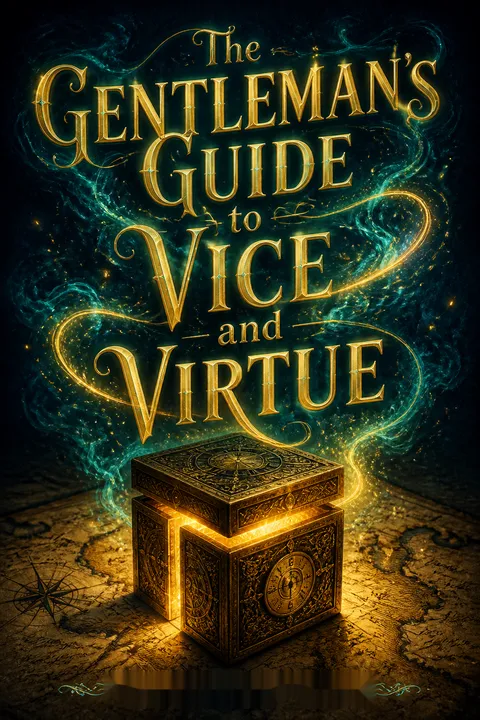
The Alchemical Puzzle Box
The stolen box is the story's central mystery, pursued by friends and foes alike. Its secrets—an alchemical panacea created at the cost of a life—raise questions about the price of miracles, the ethics of sacrifice, and the limits of love. The box's cipher, the Lazarus Key, and the quest to unlock it provide suspense, foreshadowing, and a vehicle for character development, as each protagonist must decide what they are willing to risk for hope.
Forbidden Love and Social Constraints
Monty and Percy's relationship is the emotional heart of the story, complicated by class, race, illness, and the threat of exposure. Their longing, misunderstandings, and eventual confession are foreshadowed by stolen glances, near-misses, and the ever-present danger of discovery. The romance is both a source of pain and a catalyst for growth, challenging the characters to choose honesty, vulnerability, and love over fear.
Found Family and Chosen Bonds
The protagonists' journey is marked by the formation of a found family—Monty, Percy, Felicity, and their unlikely allies. The bonds they forge are tested by betrayal, danger, and loss, but ultimately prove stronger than blood or circumstance. The story explores the idea that family is not just inherited, but chosen, and that true belonging comes from acceptance and love.
Sacrifice and the Cost of Miracles
The quest for the panacea is a test of character: are the protagonists willing to take a life to save another? The destruction of the heart is both a literal and symbolic act, rejecting the idea that happiness can be bought at the expense of others. The story's resolution is not a miracle cure, but the hard-won knowledge that love, agency, and self-acceptance are the true sources of healing.
About the Author
Other books by Mackenzi Lee


Download PDF
Download EPUB
.epub digital book format is ideal for reading ebooks on phones, tablets, and e-readers.








































