
Plot Summary
Carpets and Confessions
Joe Fleming and Genevieve, two working-class youths on the cusp of marriage, shop for carpets for their new home. Their conversation, however, is shadowed by Genevieve's anxiety over Joe's involvement in prizefighting—a world she cannot understand. Joe tries to explain the thrill and purity he finds in "the Game," but his words only deepen her unease. She senses a force in him that is beyond her reach, a masculinity both frightening and alluring. Their love is tender, but already threatened by the pull of something larger and more dangerous than either of them can articulate.
The Rivalry of Love
Genevieve's fear of the Game is matched by her pride in Joe's strength. She is torn between wanting all of him for herself and recognizing the primal allure that fighting holds for him. Joe, meanwhile, feels misunderstood—his greatest achievement, the discipline and power of the ring, is invisible to her. Their relationship is marked by a subtle rivalry: Genevieve versus the Game, each vying for Joe's soul. The tension between love and ambition, safety and risk, begins to define their bond.
Genevieve's Awakening
Raised in sheltered circumstances, Genevieve has avoided the roughness of her environment. Her beauty and reserve set her apart, and she has never been drawn to men—until Joe enters her life. Their first encounters are awkward, charged with a new and confusing attraction. For Genevieve, love is a revelation, awakening desires and vulnerabilities she never knew. Joe, too, is transformed, discovering in Genevieve a reason to question his devotion to the Game. Their courtship is slow, marked by shyness and a deepening sense of wonder.
The Promise and the Past
As their love grows, Genevieve learns the truth about Joe's reputation as a prizefighter. Initially horrified, she is soon swayed by stories of his devotion to family and his sacrifices. She persuades Joe to promise that he will give up fighting after one last match, believing that love can reform him. Joe, torn between duty, pride, and desire, agrees—though deep down, he senses the impossibility of truly abandoning the Game. Their future seems bright, but the shadow of the ring lingers.
The Secret of the Game
Despite her efforts, Genevieve cannot comprehend the Game's hold on Joe. She sees it as a rival, an abstract force that claims his attention and energy. For Joe, the Game is more than violence—it is discipline, achievement, and a test of self. Their inability to bridge this gap leaves Genevieve feeling inadequate and Joe misunderstood. The Game becomes a symbol of the limits of love, and the impossibility of fully possessing another's soul.
Disguises and Daring
On the night of Joe's final fight, Genevieve disguises herself in men's clothing to sneak into the forbidden world of the boxing ring. With the help of Joe's sister, she enters the hall, her heart pounding with fear and excitement. The act is both a gesture of love and a challenge to the boundaries of her upbringing. For the first time, she steps into the unknown, determined to see the Game for herself and to support Joe in his moment of truth.
Into the Lion's Den
The boxing hall is a world apart—smoky, loud, and charged with masculine energy. Genevieve, hidden among the men, feels both out of place and strangely exhilarated. She is swept up in the ritual and spectacle, the anticipation of violence, and the raw emotions of the crowd. The experience is transformative, exposing her to the primal forces that shape men's lives and the dangers that threaten her own happiness.
The Ring of Fire
From her hidden vantage, Genevieve watches as Joe enters the ring, his body revealed in all its strength and vulnerability. She is shocked by the contrast between his boyish face and the steely determination that overtakes him. His opponent, Ponta, is a brute—savage, powerful, and menacing. The crowd's energy surges as the two men face off, and Genevieve is caught between pride and terror, unable to look away from the spectacle.
Savage and Saint
The fight is not just a contest of strength, but a clash of natures. Joe, fair and disciplined, seems almost saintly compared to the animalistic Ponta. Yet both are transformed by the ring, their identities stripped to the core. Genevieve sees in Joe a side she never knew—a face of steel, a will to conquer. The violence is both horrifying and mesmerizing, revealing the duality of human nature and the thin line between civilization and savagery.
The First Bell
The opening rounds are a whirlwind of blows, clinches, and near escapes. Genevieve is overwhelmed by the speed and ferocity of the action, fearing for Joe's life. The crowd roars, the fighters clash, and the Game reveals its true nature: a test of endurance, strategy, and heart. Joe's skill and resilience keep him alive, but the danger is ever-present. For Genevieve, the fight is a revelation—a glimpse into a world where love offers no protection.
Endurance and Evasion
As the rounds progress, Joe endures Ponta's relentless attacks, relying on defense and cunning to survive. He absorbs punishment, clinches to avoid blows, and waits for his chance. Genevieve's emotions swing between hope and despair, her understanding of Joe deepening with every round. The fight becomes a metaphor for life's struggles—the need to endure, to adapt, and to find strength in the face of overwhelming odds.
The Turning Tide
Gradually, the momentum shifts. Joe, having weathered the storm, begins to strike back. His blows are precise and devastating, wearing down Ponta's strength. The crowd senses the change, their cheers rising in anticipation. Genevieve, too, is swept up in the excitement, her fear giving way to pride. The Game, once a source of dread, now seems almost noble—a testament to human will and the possibility of triumph.
The Final Assault
In the later rounds, Joe unleashes his full power, driving Ponta to the brink of defeat. Knockdowns follow, the crowd howls, and victory appears certain. Yet the Game is unpredictable, and danger lurks in every moment. Genevieve's emotions are a tumult of hope, fear, and awe. She sees in Joe both the lover she cherishes and the warrior she cannot fully comprehend.
The Fall of the Favorite
Just as Joe seems poised for victory, a slip on the wet canvas gives Ponta the opening he needs. With a single, desperate blow, Joe is knocked out. The crowd falls silent, the dream of triumph shattered in an instant. Genevieve is stunned, unable to process the suddenness of defeat. The Game, indifferent and merciless, claims its due.
The Aftermath of Defeat
Joe's seconds rush to his aid, but he does not recover. The crowd disperses, the excitement replaced by fear and sorrow. Genevieve, numb with shock, is led to Joe's side. The reality of loss begins to sink in, the promise of their future slipping away. The Game has exacted its price, leaving only grief in its wake.
Grief and Awakening
At the hospital, Genevieve waits in a daze as doctors pronounce Joe's injuries fatal. The plans for marriage, the dreams of a shared life, are gone. She is left to grapple with the meaning of love, sacrifice, and fate. The Game, once an abstraction, is now a cruel reality—a force that has taken everything from her.
The Embrace of Loss
In the aftermath, Genevieve is comforted by Joe's family and friends. Old grievances are set aside as grief unites them. Even Mrs. Silverstein, once critical, embraces Genevieve in her pain. The boundaries between love and loss, rivalry and solidarity, dissolve in the face of tragedy. Genevieve's journey ends not in triumph, but in acceptance and the bittersweet knowledge of what it means to love and to lose.
The Game's True Cost
The story closes with Genevieve mourning at Joe's side, her dreams destroyed by the very force that once made her lover extraordinary. The Game, for all its glory and excitement, is revealed as a harsh master—demanding, indifferent, and ultimately fatal. The lesson is clear: some passions cannot be tamed, and the price of greatness is often paid in sorrow.
Analysis
A modern meditation on love, ambition, and fateJack London's The Game is a powerful exploration of the tensions between love and ambition, safety and risk, individuality and societal expectation. Through the story of Joe and Genevieve, London examines the allure of violence and the limits of understanding between men and women. The boxing match is both a literal contest and a metaphor for the struggles that define human existence—the need to endure, to strive, and to accept the consequences of one's choices. The novel critiques the romantic ideal that love can conquer all, revealing instead the tragic costs of passion and the inevitability of loss. In a modern context, The Game resonates as a cautionary tale about the dangers of unchecked ambition and the importance of empathy, reminding us that greatness often comes at a price, and that true understanding between individuals is both rare and precious.
Review Summary
The Game receives mostly positive reviews (3.73/5 average) for Jack London's exceptional portrayal of boxing. Readers praise the vivid, exciting match descriptions, noting London's deep knowledge of the sport. The story follows Joe Fleming, a gentle young boxer, and his fiancée Genevieve through his final match before their wedding. While the boxing scenes earn universal acclaim, some criticize London's treatment of romance and gender stereotypes, particularly the idealized, innocent portrayal of female characters. The powerful, tragic ending leaves a lasting impact. Turkish readers especially appreciate translator Levent Cinemre's work and accompanying notes.
Characters
Joe Fleming
Joe is a young, working-class man whose life is defined by discipline, sacrifice, and the pursuit of excellence in the boxing ring. He is devoted to his family, supporting them through both honest labor and prizefighting. Joe's love for Genevieve is deep and sincere, yet he is torn between her and the Game—a force that gives him purpose and identity. Psychologically, Joe embodies the conflict between duty and desire, tenderness and aggression. His development is marked by increasing self-awareness, but also by an inability to escape the forces that shape him. In the end, his tragic fate underscores the limits of love and the dangers of ambition.
Genevieve
Genevieve is a sheltered, beautiful young woman whose life is transformed by her love for Joe. She is gentle, reserved, and idealistic, longing for a safe and harmonious future. Her struggle to understand Joe's passion for the Game reflects her own journey from innocence to experience. Genevieve's psychological arc is one of awakening—first to love, then to the complexities of human nature, and finally to the pain of loss. Her inability to fully grasp the Game's allure leaves her vulnerable, but also grants her a tragic wisdom by the story's end.
John Ponta
Ponta is Joe's opponent in the ring—a powerful, animalistic fighter who embodies the raw, destructive side of the Game. He is feared and disliked by the crowd, representing the dangers and unpredictability of violence. Ponta's presence forces Joe to confront his own limits, and his victory is as much a product of chance as of strength. Psychologically, Ponta is less a character than a symbol: the ever-present threat that haunts those who dare to play the Game.
Mrs. Silverstein
Mrs. Silverstein is Genevieve's guardian and a vocal opponent of prizefighting. She represents the protective, nurturing side of society, warning against the dangers of the Game. Her relationship with Genevieve is complex—critical yet caring, harsh yet ultimately compassionate. Psychologically, she embodies the fears and prejudices of the older generation, but her grief at Joe's death reveals a deep capacity for empathy.
Mr. Silverstein
Mr. Silverstein is more sympathetic to Joe, recognizing his hard work and devotion to family. He provides a counterpoint to his wife's criticism, offering practical wisdom and support. His role is that of a mediator, bridging the gap between the world of the Game and the world of domestic life. Psychologically, he is grounded, realistic, and quietly affectionate.
Lottie Fleming
Lottie is Joe's sister and Genevieve's confidante. She helps Genevieve disguise herself to attend the fight, demonstrating loyalty and resourcefulness. Lottie's presence highlights the bonds of family and the ways in which love can inspire courage. Psychologically, she is supportive, practical, and emotionally attuned to those around her.
Mr. Clausen
Mr. Clausen is the head of the department where Joe and Genevieve shop for carpets. He represents the respectable, middle-class world, offering advice and encouragement. His presence underscores the contrast between the ordinary aspirations of domestic life and the extraordinary risks of the Game. Psychologically, he is genial, conventional, and somewhat oblivious to the deeper struggles of the protagonists.
Eddy Jones
Eddy Jones is the referee of the fight, responsible for maintaining order and enforcing the rules. He is respected by the crowd and the fighters alike, embodying the ideals of fairness and sportsmanship. Psychologically, he is calm, authoritative, and detached—a necessary presence in a world of chaos.
Joe's Seconds
Joe's seconds are his friends and allies in the ring, offering advice, encouragement, and practical assistance. They represent the camaraderie and teamwork that underlie individual achievement. Psychologically, they are loyal, pragmatic, and emotionally invested in Joe's success.
The Crowd
The crowd is a character in its own right, shaping the atmosphere of the fight and reflecting the shifting tides of fortune. Its cheers and jeers influence the fighters, embodying the fickle nature of public opinion. Psychologically, the crowd is passionate, unpredictable, and easily swayed—a mirror of the larger society in which the story unfolds.
Plot Devices
The Boxing Match as Crucible
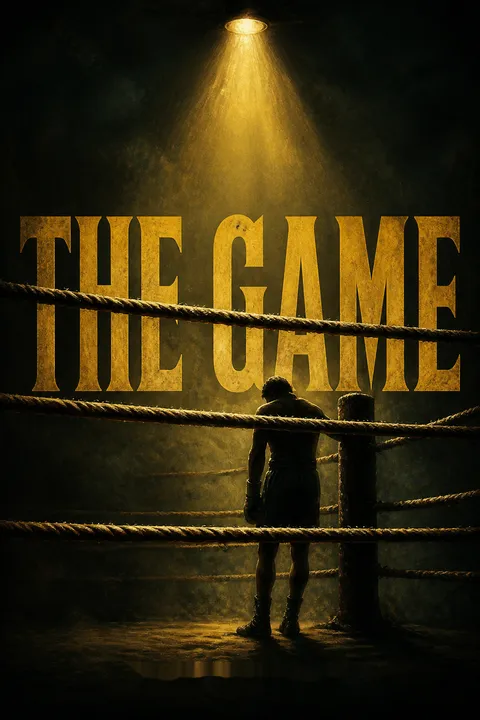
The central plot device is the boxing match itself, which serves as both literal event and metaphorical crucible. The ring becomes a stage where character, fate, and the forces of love and ambition are tested to their limits. The structure of the fight—its rounds, reversals, and final outcome—mirrors the arc of the protagonists' relationship and the unpredictability of life. Foreshadowing is used throughout, with early hints of danger and the impossibility of escaping one's nature. The narrative alternates between intimate moments and public spectacle, heightening the emotional stakes and underscoring the tension between private desire and public expectation.
Download PDF
Download EPUB
.epub digital book format is ideal for reading ebooks on phones, tablets, and e-readers.








































