
Plot Summary
Lost on a Detour
Juliet Nightingale, reeling from a recent tragedy and memory loss, finds herself stranded in the small Alabama town of Forget-Me-Not after her car breaks down. She's greeted by Tenn Greenlee, a kindly older man searching for his granddaughter, Katy. Juliet's detour is more than a physical one—it's the beginning of an emotional journey. The town, with its lush gardens and welcoming neighbors, feels oddly fated, as if it's been waiting for her. Juliet's sense of being lost is mirrored by the town's reputation as a haven for those who need healing. As a storm brews, Juliet is drawn into the lives of the Greenlee family, setting the stage for her own path to recovery and rediscovery.
The Library's Secret Magic
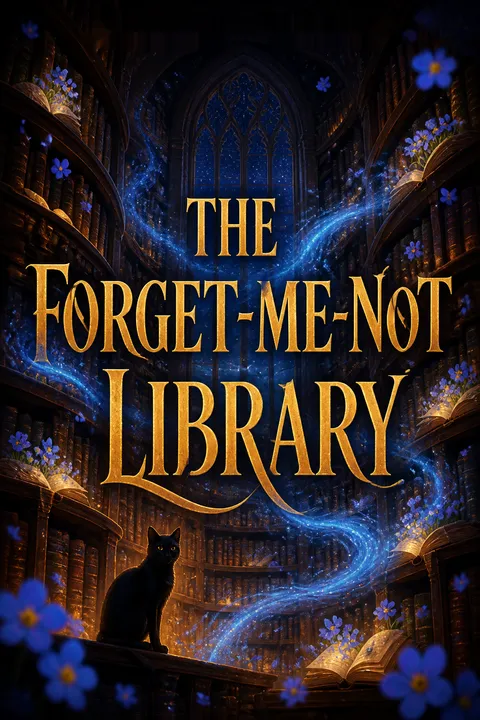
The Forget-Me-Not Library is more than a community hub; it's a place of folklore and quiet enchantment. Tallulah, Tenn's daughter, works there, haunted by her own past and the library's legend: its resident cat, Deckle, can return lost memories through the scent of books. The library is a sanctuary for the town's lost souls, offering comfort, wisdom, and sometimes, a nudge toward healing. Tallulah's complicated relationship with her own history and the library's magic sets up a parallel journey to Juliet's, as both women seek solace and answers among the stacks and the people who gather there.
Welcomed by Strangers
Juliet is quickly enveloped by the warmth of the Greenlee family and their neighbors. She's offered a place to stay in Tenn's attic, and the community rallies around her, treating her as one of their own. Through shared meals, small-town rituals, and the gentle persistence of Katy and Maeve, Juliet begins to feel a sense of belonging she hasn't known in months. The town's openness is both comforting and disorienting, forcing Juliet to confront her own reluctance to accept help and to consider the possibility that she's exactly where she needs to be.
Grief and Blue Smoke
Juliet's car trouble is more than mechanical—it's symbolic. In Forget-Me-Not, the color of the smoke from a broken-down car reveals the traveler's emotional state. Blue smoke means grief, and the town's residents recognize Juliet's sorrow immediately. As she settles into daily life, her memories of the accident that killed her grandfather and left her with amnesia begin to surface. The pain is raw, but the town's gentle rituals—shared wisdom, neighborly care, and the ever-present library—offer her a safe space to grieve and, perhaps, to heal.
The Town That Heals
The town's folklore is more than superstition: it's a lived reality for its residents. People arrive lost and are gently guided toward healing by the community's kindness and the subtle magic of the library and its cat. Juliet learns that her detour was no accident, and that the town has a way of keeping people until they're ready to move on. As she helps care for Katy and Mary Joy, Tallulah's baby, Juliet finds herself drawn into the rhythms of family life, discovering that nurturing others is a path to her own restoration.
Unpacking the Past
Juliet's amnesia begins to crack as she dreams of her grandfather and childhood. The library cat, Deckle, plays a mysterious role, knocking books from shelves that trigger flashes of memory. Tallulah, too, is forced to confront her own history—her peripatetic childhood, her failed marriage, and her longing for stability. Both women realize that healing requires facing the past, not running from it. The town's rituals—cookbook clubs, festivals, and shared stories—become vehicles for self-discovery and connection.
Connections and Complications
As Juliet grows closer to the Greenlee family, she also meets Callum, Tallulah's cousin, and Jake, a newcomer with his own secrets. Romantic sparks fly, but both Juliet and Tallulah are wary, scarred by past losses and betrayals. The town's matchmaking tendencies, embodied by wise elders like Nettie and Isabel, push them out of their comfort zones. Meanwhile, the return of Tallulah's ex-husband and the challenges of single motherhood add layers of complexity, testing the bonds of trust and forgiveness.
The Power of Memory
Deckle, the enigmatic library cat, becomes a catalyst for transformation. When Deckle knocks a book to Juliet, she's flooded with memories of her grandfather and the day of the accident. The experience is overwhelming but cathartic, allowing her to finally grieve and begin to let go of guilt. Tallulah, too, receives a memory from Deckle—a vision of her grandmother and a long-lost family recipe—reminding her that love and wisdom endure even after loss. The act of remembering, though painful, is essential to moving forward.
A Place to Belong
Juliet faces a choice: return to her old life in Michigan or embrace the new one she's found in Forget-Me-Not. The town's magic, the warmth of the Greenlee family, and her growing love for Callum all pull her toward staying. Tallulah, inspired by Juliet's courage, decides to pursue her dream of becoming a librarian and to put down roots in the town she once only visited. Both women realize that home is not just a place, but a feeling—a sense of belonging created by love, friendship, and shared purpose.
Love, Loss, and Letting Go
The climax arrives with a crisis: Mary Joy suffers a life-threatening allergic reaction at the town's Flour Festival, and Juliet's quick thinking saves her. The event forces everyone to confront the fragility of life and the importance of holding on to those we love. Juliet, shaken by the ordeal, considers leaving to finish her healing, but the bonds she's formed in Forget-Me-Not—and the wisdom of her grandfather, whose own love story is revealed—convince her to stay. Tallulah, too, learns to forgive, to trust, and to open her heart to new possibilities.
The Library Cat's Gift
The library cat's final act is to unite the threads of past and present. Through a series of magical interventions—books, feathers, and dreams—Deckle helps Juliet and Tallulah reclaim their histories and embrace their futures. The town's folklore proves true: those who are meant to stay find their cars mysteriously unfixable, while those who are ready to move on are gently released. The library, with its wisdom, warmth, and quiet magic, stands as the heart of the community—a place where stories, and people, are never truly forgotten.
Facing the Storm
Juliet's journey comes full circle as she faces her deepest fear: the storm that took her grandfather. With the support of her new family and the wisdom she's gained, she learns to live with loss rather than be defined by it. Tallulah, too, finds peace in the rhythms of daily life, the love of her children, and the promise of new beginnings. The storms—literal and metaphorical—are no longer something to flee, but to weather together, with hope and resilience.
Healing Hearts, Finding Home
Time passes, and the characters settle into the lives they've chosen. Juliet and Callum build a life together, Tallulah finds fulfillment as a librarian, and the community continues its gentle work of healing the lost and welcoming the found. The wisdom of the elders, the magic of the library, and the love of family and friends create a tapestry of belonging. The story ends not with a grand finale, but with the quiet, enduring joy of home—a place where everyone is remembered, and no one is truly lost.
The Wisdom We Keep
The novel closes with a celebration of the small, everyday wisdoms that guide the characters: advice from elders, recipes passed down, and the simple acts of kindness that bind a community. The Forget-Me-Not Library stands as a testament to the power of stories—those we read, those we live, and those we share. The characters' journeys are marked by the wisdom they've gained and the love they've given and received, ensuring that, in Forget-Me-Not, no one is ever truly forgotten.
Destiny's Detours
The final message is clear: sometimes, when you're lost, the path finds you. The detours, delays, and disappointments that once seemed like obstacles are revealed as the very things that lead the characters to where they're meant to be. In Forget-Me-Not, destiny is not a straight line, but a winding road full of surprises, second chances, and the quiet magic of community. The story ends with hope, gratitude, and the promise that, no matter how lost we feel, there is always a place—and people—waiting to welcome us home.
Analysis
A modern fable of healing, memory, and belongingThe Forget-Me-Not Library is a luminous exploration of how community, memory, and quiet magic can mend even the deepest wounds. Heather Webber crafts a world where the boundaries between the ordinary and the enchanted are porous, allowing grief and hope to coexist. The novel's central lesson is that healing is not a solitary journey; it is made possible by the wisdom, kindness, and rituals of a caring community. Through the intertwined stories of Juliet and Tallulah, the book examines the ways we carry loss, the courage it takes to remember, and the transformative power of choosing to belong. The library, with its magical cat and trove of stories, stands as a metaphor for the ways we are shaped by what we inherit—memories, wisdom, and love. Ultimately, the novel invites readers to embrace detours, trust in the unexpected, and believe that, even when we feel most lost, there is a place and a people waiting to welcome us home.
Review Summary
The Forget-Me-Not Library receives overwhelmingly positive reviews (4.15/5 stars), praised for its heartwarming story about healing, friendship, and magical realism. Readers love the dual perspective of Juliet Nightingale (recovering from a lightning strike) and Tallulah (a divorced single mom) who connect in the charming Alabama town. The magical library with book-recommending cat Deckle enchants readers. Most appreciate the Southern charm, found family themes, emotional depth, and uplifting messages about second chances. Some critics note excessive sweetness, slow pacing, and minimal magical elements. The audiobook narration receives high praise for authenticity.
Characters
Juliet Nightingale
Juliet is a school nurse from Michigan, adrift after the tragic death of her beloved grandfather and the loss of her childhood memories due to a lightning strike. Her journey to Forget-Me-Not is both accidental and fated, as she's drawn into a community that specializes in mending broken hearts. Juliet is nurturing, self-effacing, and deeply empathetic, but struggles with guilt and a sense of invisibility within her own family. Her psychological arc is one of moving from isolation and self-doubt to connection and self-acceptance. Through the town's magic, the wisdom of elders, and the love she finds with Callum, Juliet learns to let go of guilt, embrace her memories, and choose a new home where she is truly seen and valued.
Tallulah Byrd Mayfield
Tallulah is Tenn's daughter, a single mother of two girls, and a library assistant with dreams of becoming a librarian. Her childhood was marked by constant travel and instability, leading to a deep longing for roots and routine. Recently divorced and struggling to provide a sense of home for her daughters, Tallulah is both fiercely independent and quietly vulnerable. Her psychological journey involves learning to trust others, forgive herself and her ex-husband, and open her heart to new love with Jake. Through her work at the library and her friendships, Tallulah discovers that home is not a place, but a feeling created by love, community, and self-acceptance.
Tenn Greenlee
Tenn is the heart of the Greenlee family and a pillar of the Forget-Me-Not community. A retired field biologist and artist, he is gentle, eccentric, and deeply compassionate. Tenn's home is a haven for the lost, and his wisdom—often delivered with humor and humility—guides both Juliet and Tallulah. He is haunted by the loss of his wife, June, but channels his grief into caring for others and creating art that celebrates the beauty of nature. Tenn's role is that of the benevolent guide, helping others find their way while quietly tending to his own wounds.
Katy Mayfield
Katy is Tallulah's precocious daughter, whose innocence and openness serve as a catalyst for healing. She is curious, empathetic, and deeply attuned to the emotions of those around her. Katy's struggles with nightmares and her longing for stability mirror the larger themes of the novel. Her bond with Juliet is especially poignant, as she helps Juliet reconnect with her own lost childhood. Katy's resilience and capacity for joy remind the adults around her of the importance of hope, forgiveness, and the magic of everyday life.
Callum Hearnshaw
Callum is Tallulah's cousin and the town's mechanic, known for his kindness, humor, and quiet strength. He is drawn to Juliet's vulnerability and warmth, and their relationship develops slowly, built on trust and mutual respect. Callum is a "settle-down" kind of man, seeking deep roots and lasting love. His own history of heartbreak makes him cautious, but he is ultimately willing to risk his heart for Juliet. Callum's presence is grounding, offering Juliet a safe harbor as she navigates her grief and healing.
Jake Gallagher
Jake arrives in Forget-Me-Not with his puppy, Daisy, and a mysterious past. He is Evanthe's nephew by marriage and a radiologist who works remotely. Jake is intelligent, compassionate, and a bit guarded, carrying the wounds of a recent breakup. His growing connection with Tallulah is marked by mutual wariness and undeniable chemistry. Jake's journey is one of learning to trust, to stay rather than run, and to embrace the possibility of a new family and home. His medical expertise becomes crucial during the novel's crisis, revealing his capacity for calm under pressure and deep care for others.
Maeve Hearnshaw
Maeve is Tenn's sister and the founder of Juneberry Cottage, a hospice respite house. She is a social worker by training and a caregiver by nature, offering comfort, guidance, and practical support to all who cross her path. Maeve's own history of loss and resilience informs her work and her relationships. She is a source of "pearls of wisdom" throughout the novel, gently nudging others toward healing and self-discovery. Maeve's presence is both grounding and inspiring, embodying the novel's themes of community, compassion, and the enduring power of love.
Renny Russo
Renny is a retired librarian, family friend, and honorary uncle to Tallulah and her children. He is witty, irreverent, and deeply sentimental, carrying the scars of lost love and the wisdom of a life well-lived. Renny's own love story—with Juliet's grandfather, revealed late in the novel—adds a layer of poignancy and depth, connecting the past and present. As he faces his own mortality, Renny becomes a mentor and confidant, urging others to seize happiness and cherish the memories that shape them.
Evanthe Kilburn
Evanthe is the library director, a woman of mystery, discipline, and hidden sorrow. Once best friends with Tallulah's grandmother, she has retreated behind emotional walls since the loss of her husband and friend. Evanthe is both a gatekeeper and a guide, enforcing rules while quietly orchestrating the town's magic. Her eventual openness to love and connection—both with Jed, the shy custodian, and with the community—mirrors the novel's message that it's never too late to start a new chapter.
Deckle (the Library Cat)
Deckle is more than a pet; she is the embodiment of the library's quiet magic. Through her mysterious ability to return lost memories via the scent of books, Deckle serves as a bridge between past and present, pain and healing. She is both a symbol and an agent of transformation, guiding Juliet, Tallulah, and others toward the wisdom and closure they need. Deckle's presence is a reminder that magic exists in the everyday, and that sometimes, the smallest creatures can have the greatest impact.
Plot Devices
The Magical Realism of Forget-Me-Not
The novel's central plot device is the magical realism of Forget-Me-Not—a place where lost souls are drawn, cars break down according to emotional need, and the library cat can return memories. This device allows the narrative to explore grief, healing, and belonging in a way that feels both grounded and enchanted. The town's folklore, rituals, and gentle magic create a sense of destiny and interconnectedness, making the characters' journeys feel both personal and universal.
The Library Cat and Bibliosmia
Deckle's ability to trigger memories through the scent of books (bibliosmia) is a key narrative device. It serves as both a literal and metaphorical means of healing, allowing characters to confront and reclaim their pasts. The cat's interventions are carefully timed, providing moments of revelation and catharsis that drive the plot forward. This device also reinforces the novel's celebration of libraries as places of magic, wisdom, and transformation.
Pearls of Wisdom and Community Rituals
The novel is structured around the sharing of "pearls of wisdom"—advice, recipes, and stories passed down through generations. These rituals, from cookbook clubs to festivals, create a tapestry of community that supports the characters' growth. The wisdom is both practical and philosophical, offering guidance for everyday life and the larger questions of love, loss, and purpose. This device grounds the magical elements in the realities of small-town life, making the story both comforting and profound.
Narrative Structure and Multiple Perspectives
The story alternates between Juliet and Tallulah's perspectives, allowing readers to experience parallel arcs of healing and self-discovery. The use of multiple viewpoints deepens the emotional resonance and highlights the interconnectedness of the characters' lives. The narrative is punctuated by letters, recipes, and "pearls of wisdom," creating a mosaic of voices that reflect the richness of community and the complexity of individual journeys.
Foreshadowing and Symbolism
The novel employs foreshadowing through recurring symbols: robin feathers, storms, and the color of smoke from broken-down cars. These elements signal emotional states, impending change, and the presence of magic. The feathers, in particular, serve as a link between Juliet and her grandfather, guiding her toward healing and connection. The storms represent both danger and renewal, while the smoke's color reveals the hidden wounds each character carries.
About the Author
Other books by Heather Webber
Download PDF
Download EPUB
.epub digital book format is ideal for reading ebooks on phones, tablets, and e-readers.








































