
Juonitiivistelmä
American Stranger Arrives
In the aftermath of Hiroshima's devastation, Yuka, a resilient housewife, prepares her modest home for a new American lodger, Sam Willoughby. She dreams that his presence might bring financial relief and perhaps a touch of good fortune to her struggling family. Sam's arrival is met with a blend of curiosity and anxiety, especially from Yuka's younger sister, Ohatsu, who harbors a deep mistrust of Westerners. The American's gentle manners and genuine interest in Japanese life, however, begin to soften the household's initial reservations. As Yuka stitches a bed cover and tends to her family, she reflects on the scars—both visible and hidden—that the atomic bomb has left on their lives, and wonders if this foreigner might see beyond them.
Bamboo Gate Encounters
Sam's first interactions with Yuka's family and neighbors are awkward yet revealing. Ohatsu's hostility is thinly veiled, but Sam's respectful demeanor and fascination with Japanese customs gradually win her over. The bamboo gate becomes a symbolic threshold between worlds—East and West, past and present, suffering and hope. Yuka, ever the mediator, tries to bridge the gap, using her sister's beauty as bait for the lodger's goodwill, even as she feels guilt for exploiting Ohatsu's vulnerability. Through shared meals and hesitant conversations, the American's presence begins to illuminate the quiet dignity and resilience of the survivors, while exposing the unspoken wounds that linger in every gesture.
Shadows of the Past
Daily life in Hiroshima is a tapestry woven with loss and endurance. Yuka's husband, Fumio, toils at a garage, his health quietly deteriorating—a legacy of radiation sickness. The family's routines are punctuated by memories of war, scarcity, and the ever-present fear of unemployment or eviction. Yuka's laughter masks her anxiety, while Fumio's stoic silence conceals deeper pain. The city itself is rebuilt atop ashes, its people navigating a landscape where every street and face recalls the day the bomb fell. The past is never far; it shapes every hope, every hesitation, and every act of kindness or concealment.
Cherry Blossoms and Scars
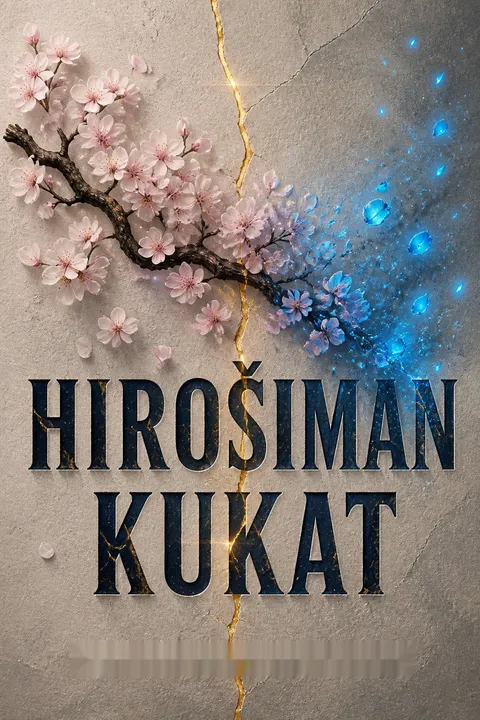
The arrival of cherry blossom season brings a fleeting sense of renewal. Yuka's family joins the city in celebrating under the blooming trees, sharing food, songs, and laughter with Sam. Yet, the festival's joy is shadowed by reminders of loss—scars hidden beneath kimonos, the absence of loved ones, and the knowledge that many survivors are shunned for their disfigurements. Sam's attempts to understand Hiroshima's suffering are met with both gratitude and discomfort. The cherry blossoms, symbols of ephemeral beauty, become metaphors for the fragility of life and the persistence of memory.
The Secret of Togetherness
Shopping trips and daily chores reveal the unique togetherness of Hiroshima's survivors. Yuka and Sam are trailed by curious onlookers, their every purchase a communal event. The city's poverty fosters a sense of shared fate, but also exposes the boundaries between insiders and outsiders. Sam, initially bewildered by the constant company, comes to appreciate the solace and strength found in collective endurance. Yet, beneath the surface, Yuka worries that her family's suffering—and the stigma of being "children of the bomb"—will forever set them apart, even as they cling to rituals of hospitality and mutual support.
The Night of Revelations
An evening gathering with neighbors and the gentle painter Maeda-san becomes a turning point. Over tea and whispered confidences, Sam learns the full extent of the survivors' suffering: the physical scars that bar them from public baths, the grinding poverty, and the emotional toll of being shunned. Maeda-san's deliberate candor forces Yuka to confront her own impulse to shield outsiders from Hiroshima's pain. In a moment of shared vulnerability, Yuka and her neighbor Harada-san exchange a look that transcends words, affirming their dignity and humanity despite their losses.
Fumio's Hidden Suffering
Fumio's health rapidly declines, his body betraying him with swelling and pain. He hides his suffering from his family, spending nights at the garage to avoid intimacy he can no longer fulfill. Yuka's love and concern are met with silence and evasion, as Fumio clings to his pride and the illusion of normalcy. The family's financial precarity intensifies, with the threat of eviction looming. Sam's growing attachment to the family is tested as he witnesses their struggles, feeling both helpless and determined to offer what support he can.
Ohatsu's White Flowers
Ohatsu, fragile and haunted, tends a garden of white flowers—pansies, irises, zinnias—each a tribute to the mother lost in the bombing. She performs daily rituals, placing bouquets in the river where their mother died, seeking solace in remembrance. Her sensitivity to suffering extends to every living thing, from slugs in the garden to the wounded souls around her. The memory box she shares with Yuka becomes a sanctuary of childhood innocence, even as the weight of inherited trauma threatens to overwhelm her.
The Matchmaker's Visit
The arrival of Nagai-san, the matchmaker, brings both hope and dread. She proposes a marriage for Ohatsu, warning that survivors like her are considered undesirable—tainted by the bomb, feared for the possibility of bearing "strange children." The stigma of radiation sickness haunts every conversation, every prospect for the future. Ohatsu's resistance to an arranged marriage is fierce, her longing for autonomy and love clashing with societal expectations. Yuka is torn between protecting her sister and securing her future in a world that offers few choices to the damaged.
Cherry Festival Joys
The family's outing to the cherry festival is a rare moment of collective joy. Songs, games, and laughter momentarily eclipse the burdens of the past. Ohatsu's blossoming romance with Hiroo, a young painter, brings hope, but also anxiety about acceptance and the possibility of marriage. Sam, observing the festivities, is struck by the resilience and childlike spirit of the Japanese, even as he senses the undercurrents of grief and exclusion. The festival's beauty is a fragile shield against the realities that await.
Hospital of the Living Dead
Fumio's hospitalization exposes the full horror of radiation sickness. The ward is filled with young men whose bodies are twisted and scarred, their lives slowly ebbing away. Yuka's daily visits are acts of devotion and despair, as she brings small comforts—a gift-wrapped apple, a glimpse of a squirrel outside the window. Sam, finally allowed to see the ward, is shaken by the suffering he witnesses. The doctors explain the irreversible damage, the genetic mutations, the uncertainty that haunts every survivor's descendants. The hospital becomes a microcosm of Hiroshima's unending agony.
The Squirrel's Nest
The appearance of a squirrel and its nest outside Fumio's window becomes a symbol of hope for the dying men. The animal's vitality and the promise of new life offer brief respite from the relentless approach of death. Yuka, Ohatsu, and Sam bring nuts for the squirrel, their small acts of kindness a defiant affirmation of life. Fumio, his body failing, finds solace in the simple joys of nature and the presence of his loved ones. The contrast between the squirrel's thriving family and the patients' suffering underscores the cruel randomness of fate.
Fireflies and Farewells
A firefly party at Maeda-san's house brings together friends and artists in a celebration of fleeting beauty. The luminous insects, released into the night, evoke both wonder and melancholy. Sam's growing affection for Yuka becomes evident, as does his deepening understanding of Hiroshima's pain. Ohatsu, torn between love and fear of passing on her scars, decides to disappear rather than risk bearing children who might suffer. Her farewell letter is a testament to the impossible choices faced by survivors. The party's joy is tinged with the ache of impending loss.
The Burden of Ko
Yuka accompanies Ohatsu and Hiroo to meet his family, navigating the intricate rituals of Japanese filial piety—ko. The meeting is formal, laden with unspoken judgments and fears about the future. Despite Ohatsu's beauty and grace, Hiroo's parents are haunted by the possibility of tainted offspring. The encounter ends with polite smiles and silent heartbreak, as tradition and the legacy of the bomb conspire to thwart young love. Yuka's strength in maintaining decorum becomes her final gift to her sister, even as she senses the futility of hope.
Ohatsu's Vanishing Letter
Ohatsu's disappearance leaves Yuka bereft, her home emptied of laughter and purpose. The letter she leaves behind is filled with misspelled words and the anguish of a young woman who refuses to risk bringing suffering into the world. Yuka reflects on the power of such choices—if enough women refused to bear children, they could wield a force greater than any bomb. The personal becomes political, as the legacy of Hiroshima shapes not only individual destinies but the future of humanity itself.
Fumio's Final Battle
Fumio's last days are marked by pain, courage, and a final act of love. He urges Yuka to give away the love she has poured into him, to share it with others who need it. Their farewell is both intimate and universal—a testament to the endurance of the human spirit in the face of annihilation. As Fumio succumbs to his illness, Yuka bows to him in reverence, honoring his suffering and his victory over despair. His death is both an ending and a call to action, a reminder that love and memory persist even as bodies fail.
Hiroshima's Unending Echo
In the aftermath of loss, Yuka is left to reckon with the unending echo of Hiroshima's tragedy. The city's survivors carry their scars into the future, their lives shaped by forces beyond their control. Sam, transformed by his experiences, vows to bear witness and fight against the threat of future destruction. Yuka, though bereaved, finds strength in her promise to her mother—to dedicate her life to preventing another Hiroshima. The story ends not with closure, but with a vow: to remember, to resist, and to hope that the flowers of Hiroshima will one day bloom in peace.
Analysis
A modern meditation on trauma, resilience, and the ethics of memoryThe Flowers of Hiroshima is a searing exploration of the long-term consequences of nuclear war, told through the intimate lens of one family's daily life. Edita Morris uses the microcosm of Yuka's household to illuminate the broader suffering of Hiroshima's survivors—physical, psychological, and social. The novel interrogates the ways in which trauma is inherited, both biologically and culturally, and the stigma that compounds survivors' pain. Through the character of Sam, the narrative challenges outsiders to move beyond voyeurism and pity, urging active engagement and responsibility. The recurring motifs of flowers, rituals, and communal togetherness underscore the persistence of beauty and solidarity amid devastation. Ultimately, the novel is a call to remembrance and action: it insists that the legacy of Hiroshima is not merely a historical tragedy, but an ongoing moral imperative. The lessons are clear—compassion, vigilance, and the refusal to forget are essential if humanity is to prevent the repetition of such horrors. The story's emotional arc, from hope to despair to a renewed vow for peace, mirrors the journey of its characters and, by extension, the city itself.
Arvosteluyhteenveto
The Flowers of Hiroshima portrays life 14 years after the atomic bombing through Yuka, a 31-year-old survivor who rents rooms to travelers. When American businessman Sam stays with her family, he witnesses the devastating long-term effects of radiation: cancers, deformities, social stigma. Reviewers praise the novel's simple yet powerful narrative style and its humanistic portrayal of survivors' suffering. Many found it deeply moving and emotionally affecting, though some criticized the white American perspective. Readers appreciated how Morris captures Japanese culture and the survivors' quiet dignity while documenting an often-overlooked human tragedy that deserves wider recognition.
Characters
Yuka Nakamura
Yuka is the heart of her family and the novel's narrator, embodying both the endurance and vulnerability of Hiroshima's survivors. Her cheerful exterior masks deep anxieties about poverty, social stigma, and the health of her loved ones. Yuka's relationships—with her husband Fumio, her sister Ohatsu, her children, and her American lodger Sam—reveal her capacity for empathy, sacrifice, and quiet rebellion against despair. Psychologically, she is torn between the demands of tradition and the need to protect her family from further suffering. Over the course of the story, Yuka evolves from a caretaker focused on her own household to a woman who recognizes her responsibility to the wider community of survivors, ultimately vowing to dedicate her life to peace.
Fumio Nakamura
Fumio is Yuka's husband, a diligent worker whose health is slowly destroyed by radiation sickness. His pride and sense of duty compel him to hide his suffering, even as his body betrays him. Fumio's inability to fulfill traditional roles—as provider, lover, and father—deepens his isolation and shame. Yet, in his final days, he achieves a kind of spiritual victory, urging Yuka to share her love with others and accepting his fate with dignity. Fumio's journey is one of quiet heroism, his suffering emblematic of the countless lives blighted by the bomb.
Ohatsu
Ohatsu is Yuka's younger sister, marked by both physical beauty and psychological scars. Her sensitivity to suffering extends to all living things, and she is obsessed with rituals of remembrance for their lost mother. Ohatsu's fear of passing on her trauma leads her to reject marriage and motherhood, culminating in her disappearance. She embodies the generational impact of Hiroshima, her choices shaped by both personal grief and collective stigma. Ohatsu's development is a tragic arc, her longing for love and normalcy thwarted by forces beyond her control.
Sam Willoughby (Sam-san)
Sam is the young American lodger whose presence catalyzes change in Yuka's household. Initially naive and awkward, he becomes increasingly attuned to the suffering and resilience of Hiroshima's survivors. His attempts to bridge cultural divides are sometimes clumsy, but his sincerity and growing affection for Yuka and her family earn their trust. Psychologically, Sam is searching for meaning and connection, haunted by his own family's expectations and the legacy of his doctor father. By the novel's end, he is transformed—committed to bearing witness and fighting against the threat of nuclear destruction.
Maeda-san
Maeda-san is a painter and neighbor, his body and voice damaged by the bomb. He serves as a guide and confidant to Yuka, embodying both the suffering and the wisdom of Hiroshima's survivors. Maeda-san's philosophy of inner cultivation and his willingness to confront painful truths challenge Yuka to move beyond self-protection. His devotion to his wife, Iisa, who is mentally incapacitated by trauma, adds depth to his character. Maeda-san's role is that of a moral compass, urging others to face reality and find meaning in suffering.
Harada-san
Harada-san is a neighbor whose face and life were shattered by the bomb. Once a teacher and mother, she now survives through menial labor and night work. Her resilience and dignity, despite unimaginable loss, inspire both pity and admiration. Harada-san's interactions with Yuka reveal the deep bonds of solidarity among survivors, as well as the isolation imposed by stigma. She represents the countless women whose lives were irrevocably altered by Hiroshima.
Ohatsu's Mother (Mama-san)
Though dead before the novel begins, Mama-san's memory shapes the lives of her daughters. Her death in the river during the bombing is a central trauma, commemorated daily by Ohatsu's rituals. Mama-san embodies both the personal and collective loss suffered by Hiroshima's families, her absence a constant reminder of what was destroyed.
Hiroo Shimizu
Hiroo is Ohatsu's suitor, a young painter torn between love and filial duty. His family's fear of genetic taint ultimately prevents their union, despite mutual affection. Hiroo's struggle reflects the broader conflict between individual desire and societal expectations in postwar Japan. His character arc is one of resignation and loss, emblematic of the barriers faced by survivors seeking normalcy.
Nagai-san (The Matchmaker)
Nagai-san is the matchmaker whose visit brings both hope and dread to Yuka's household. Her insistence on marrying off Ohatsu, despite the stigma attached to survivors, exposes the cruelty and pragmatism of traditional society. Nagai-san's role is both comic and menacing, her presence a reminder of the limited options available to women marked by the bomb.
Dr. Domoto
Dr. Domoto is the hospital physician who cares for Fumio and other radiation victims. His explanations of the medical and genetic consequences of the bomb force Sam and Yuka to confront the full scope of their tragedy. Dr. Domoto's empathy and candor make him a trusted figure, his presence a source of both comfort and sorrow.
Plot Devices
First-person narration and shifting perspectives
The novel's first-person narration, primarily from Yuka's perspective, immerses readers in the daily realities and emotional landscapes of Hiroshima's survivors. This intimate voice allows for nuanced exploration of memory, trauma, and resilience. Occasional shifts to other characters' viewpoints—through dialogue, letters, or observed behavior—broaden the narrative's scope, highlighting the interconnectedness of individual and collective suffering.
Symbolism of flowers, rituals, and seasons
Flowers—especially white pansies and cherry blossoms—serve as recurring symbols of beauty, fragility, and remembrance. Rituals such as tea ceremonies, flower offerings, and seasonal festivals anchor the characters in tradition, providing solace and continuity amid chaos. The changing seasons mirror the cycles of grief and renewal, while the presence of animals (squirrels, fireflies) offers moments of grace and connection to life's persistence.
Foreshadowing and dramatic irony
The narrative is laced with foreshadowing—subtle references to illness, social exclusion, and the threat of eviction—that build tension and underscore the precariousness of the characters' lives. Dramatic irony arises from the gap between what the survivors know and what outsiders (like Sam) gradually discover, heightening the emotional impact of revelations about the bomb's legacy.
Juxtaposition of joy and sorrow
The novel's structure alternates between scenes of domestic happiness—meals, festivals, games—and moments of profound grief or horror. This interplay emphasizes the resilience of the human spirit, as well as the inescapable shadow cast by Hiroshima's destruction. The contrast between the innocence of children and the suffering of adults deepens the emotional resonance.
Letters and memory boxes
Letters (such as Ohatsu's farewell) and cherished objects (the memory box) function as tangible links to the past, preserving both trauma and hope. These devices allow characters to communicate across time and absence, reinforcing the themes of remembrance and the intergenerational transmission of suffering.
Lataa PDF
Lataa EPUB
.epub digital book format is ideal for reading ebooks on phones, tablets, and e-readers.








































