
Plot Summary
Kingdom of Shadows
In the ancient land of Delain, King Roland the Good presides over a kingdom marked by routine and mediocrity. Though not a cruel ruler, Roland is indecisive and easily manipulated, especially by his enigmatic magician, Flagg. The people of Delain look forward to the future, placing their hopes in Roland's elder son, Peter, while Flagg, lurking in the shadows, plots to shape the kingdom's destiny for his own dark purposes. The stage is set for a tale of power, legacy, and the struggle between good and evil, as the fate of Delain hangs in the balance.
The Two Princes
Roland's marriage to the beloved Sasha brings forth two sons: Peter, noble and admired, and Thomas, awkward and overlooked. Sasha's death during Thomas's birth leaves the boys motherless and the kingdom grieving. Peter grows into a model prince, kind and courageous, while Thomas, living in his brother's shadow, becomes increasingly insecure and jealous. Flagg, ever watchful, sees in Thomas a pliable tool for his ambitions, setting the brothers on a collision course that will determine the future of Delain.
Flagg's Secret Designs
Flagg, the king's advisor, is no ordinary court magician—he is an ancient, malevolent force who has haunted Delain for generations, always whispering poison into the ears of rulers. Discontent with mere influence, Flagg dreams of plunging the kingdom into chaos. He manipulates Roland, orchestrates Sasha's death, and begins to sow seeds of discord between the brothers. Flagg's patience is long, his methods subtle, and his ultimate goal is the destruction of Delain's monarchy and the rise of anarchy.
Sasha's Legacy
Sasha's brief reign as queen leaves a lasting mark on her sons and the kingdom. She teaches Peter compassion, humility, and the importance of small acts—like using a napkin at dinner—as symbols of civilization and responsibility. Her dollhouse, a marvel of craftsmanship, becomes Peter's cherished possession and a symbol of innocence and hope. Even after her death, Sasha's lessons guide Peter, shaping him into the kind of king Delain desperately needs, and providing him with the tools—literal and metaphorical—for survival.
Brothers in Rivalry
As the princes grow, Peter's virtues shine ever brighter, winning him the love of the people and the court. Thomas, meanwhile, is haunted by feelings of inadequacy and guilt, believing he is blamed for his mother's death and resented for his mediocrity. Flagg exploits Thomas's vulnerabilities, nurturing his resentment and isolation. The brothers' relationship, once marked by childish affection, becomes strained and distant, setting the stage for betrayal and tragedy.
The Poisoned King
Flagg, fearing Peter's impending ascension, devises a plan to eliminate both Roland and his heir. Using a deadly poison called Dragon Sand, Flagg murders Roland and frames Peter for the crime. The evidence is cunningly planted: a poisoned mouse, a hidden box, and a trail that leads straight to the unsuspecting prince. The kingdom reels in shock, and suspicion falls on Peter, whose love for his father is twisted into a motive for murder. Flagg's machinations have set the trap, and Delain teeters on the brink of chaos.
The Trap Is Sprung
In the aftermath of Roland's death, Peter is arrested, tried, and found guilty of regicide. The trial is swift and tainted by fear and Flagg's influence. Despite his dignity and composure, Peter's tears are seen as guilt, and he is sentenced to life imprisonment in the Needle, a towering prison above the city. Thomas, wracked with guilt and confusion, is crowned king, but Flagg is the true power behind the throne. The kingdom mourns, and hope seems lost as darkness settles over Delain.
The Needle's Prisoner
Alone in his cold, high cell, Peter refuses to succumb to despair. Drawing on his mother's teachings and his own inner strength, he begins to plot his escape. He requests two things: his mother's dollhouse and a daily napkin with his meals. Unbeknownst to his captors, Peter uses the dollhouse's miniature loom to weave a rope from the threads of the napkins, working patiently and secretly for years. His faith in justice and friendship sustains him, as does the hope that one day he will clear his name and restore order to Delain.
Thomas the Reluctant King
Thomas ascends the throne, but the weight of kingship is crushing. Haunted by nightmares and manipulated by Flagg, Thomas becomes a puppet ruler, presiding over a kingdom beset by rising taxes, executions, and unrest. His loneliness deepens, and his dependence on Flagg grows. Yet, hidden within him is a secret: Thomas witnessed Flagg poisoning Roland, but his fear and jealousy keep him silent. The kingdom suffers under his rule, and the seeds of rebellion begin to sprout in the shadows.
The Dollhouse and the Rope
Over five long years, Peter's plan takes shape. With the help of loyal friends—Ben Staad, Dennis the butler, and others—he gathers the resources and courage needed for his escape. The dollhouse loom becomes his lifeline, transforming napkin threads into a rope strong enough to bear his weight. Meanwhile, outside the Needle, Ben and Naomi, aided by the tracking skills of a remarkable dog, Frisky, and the wisdom of the exiled Judge Peyna, prepare to aid Peter. The bonds of friendship and loyalty prove stronger than Flagg's web of lies.
Five Years in the Needle
Peter's years in the Needle are marked by hardship, discipline, and hope. He weaves his rope, maintains his strength, and communicates with his allies through coded messages. The kingdom outside grows ever more unstable, as Flagg's tyranny deepens and the exiled nobles gather in the north. Judge Peyna, wracked by guilt over Peter's conviction, becomes a key figure in the resistance. The stage is set for a daring escape and a final confrontation between good and evil.
The Exiles Gather
As Delain suffers under Flagg and Thomas, the exiled nobles, led by Peyna and joined by Ben and Naomi, prepare for action. Dennis, risking everything, infiltrates the castle to deliver a crucial message to Peter. The storm of fate gathers, both literal and metaphorical, as the conspirators align their plans. The kingdom holds its breath, waiting for a sign that justice and order might yet be restored.
The Sleepwalker's Secret
Thomas, tormented by nightmares and insomnia, sleepwalks into the secret passage behind his father's sitting room. Dennis, witnessing Thomas's nocturnal confession, realizes that the true murderer is Flagg. Overwhelmed by fear but driven by loyalty, Dennis flees to Peyna and the exiles, setting in motion the final phase of Peter's rescue. The truth, long buried, is poised to emerge, and the forces of darkness sense their impending doom.
The Storm and the Escape
On the night of a legendary storm, Peter makes his escape from the Needle, descending his fragile rope into a snow-swept plaza. Ben, Naomi, Dennis, and Frisky pile stolen napkins beneath the tower to break his fall. Flagg, alerted by dark magic, races to stop him, but arrives too late. Peter survives the perilous descent, and the friends flee into the castle, pursued by Flagg and the guards. The final confrontation is at hand, as the storm outside mirrors the turmoil within the kingdom.
Flagg's Last Stand
Peter and his friends take refuge in Roland's old sitting room, seeking the legendary bow and arrow that once slew a dragon. Flagg, wielding his executioner's axe, bursts in, intent on slaughter. Peter confronts him with the locket and the truth of his crimes, but Flagg mocks him, confident that no one will believe. At that moment, Thomas, armed with the bow and arrow, reveals himself and confesses to witnessing Flagg's treachery. The brothers, once divided, now stand united against their common enemy.
Brothers Reunited
In a moment of courage, Thomas fires the arrow, striking Flagg and banishing him from Delain. The magician vanishes, leaving only his clothes and a smoking wound. The brothers embrace, tears washing away years of guilt and misunderstanding. Peter forgives Thomas, recognizing the pain and manipulation he endured. The friends gather, and the kingdom's true king is restored. The darkness that has haunted Delain for centuries is finally dispelled.
The End of the Magician
Flagg's defeat marks the end of his reign of terror, but his disappearance leaves a lingering sense of unease. The kingdom is free, but the scars of his evil remain. Thomas, seeking atonement, chooses exile and sets out on a quest to hunt Flagg, accompanied by Dennis. Peter, Ben, and Naomi remain to rebuild Delain, vowing to rule with justice and compassion. The story ends not with perfect happiness, but with hope, courage, and the promise of a better future.
A Kingdom Restored
With Flagg gone and Peter on the throne, Delain begins to heal. The people rejoice, the exiles return, and the bonds of friendship and loyalty are celebrated. Peter rules wisely, guided by the lessons of his mother and the trials he has endured. The tale closes with the knowledge that evil may return, but as long as there are those who stand for good, the kingdom will endure. The story of the two brothers, their friends, and the fall of the magician becomes legend—a testament to the power of love, courage, and redemption.
Analysis
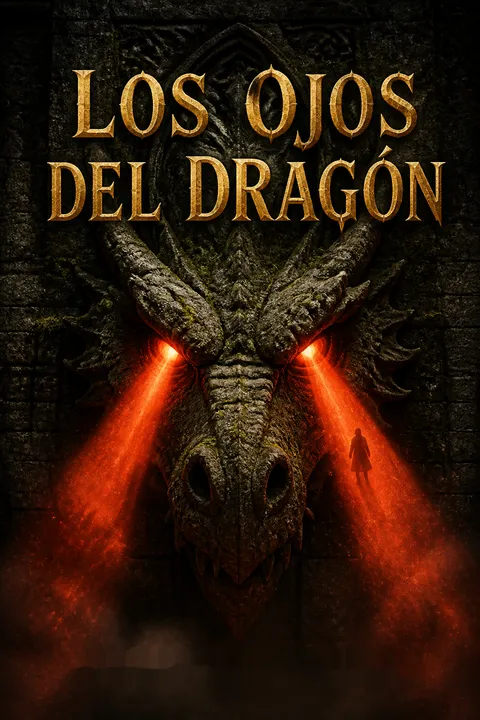
Stephen King's The Eyes of the Dragon is a masterful reimagining of the classic fairy tale, blending elements of fantasy, psychological drama, and moral allegory. At its heart, the novel explores the nature of power, the corrosive effects of jealousy and manipulation, and the enduring strength of love and friendship. King subverts traditional tropes by making the villain not a monstrous outsider, but a trusted advisor—reminding us that evil often wears a familiar face. The story's structure, with its omniscient narrator and layered foreshadowing, invites readers to reflect on the ways stories shape our understanding of justice, loyalty, and redemption. The use of everyday objects—the napkin, the dollhouse, the loom—as instruments of survival and resistance underscores the theme that greatness often lies in small acts and humble beginnings. Ultimately, The Eyes of the Dragon is a meditation on the resilience of the human spirit: even in the darkest of times, hope endures, and the bonds of family and friendship can overcome the most insidious evil. The novel's lessons are timeless: beware those who whisper in the shadows, cherish those who stand by you in adversity, and never underestimate the power of a good heart.
Review Summary
The Eyes of the Dragon is a fantasy novel by Stephen King that deviates from his usual horror genre. Many readers appreciate its fairy tale-like qualities and engaging storytelling. The book follows Prince Peter, who is falsely accused of murdering his father, King Roland. The evil magician Flagg manipulates events to put the weaker Prince Thomas on the throne. While some found it predictable, others enjoyed the characters and King's narrative style. The novel serves as a gateway for younger readers to King's work and connects to his broader universe.
People Also Read


Characters
Peter
Peter is the embodiment of the ideal king: intelligent, compassionate, and just. Raised by his beloved mother, Sasha, he internalizes her lessons of kindness and responsibility. His relationship with his father is affectionate but distant, and his bond with his brother Thomas is strained by jealousy and misunderstanding. Wrongly accused of regicide, Peter endures five years of imprisonment with dignity and resolve, using his ingenuity to plot his escape. His psychological strength lies in his unwavering sense of justice and his refusal to succumb to bitterness. Peter's journey is one of endurance, hope, and ultimate vindication, as he reclaims his birthright and restores order to Delain.
Thomas
Thomas is a tragic figure, defined by his longing for love and his crippling sense of inadequacy. Overshadowed by Peter and haunted by guilt over his mother's death, Thomas becomes the perfect pawn for Flagg's schemes. His psychological turmoil manifests in jealousy, self-loathing, and dependence on Flagg. Despite his weaknesses, Thomas is not evil; he is a victim of circumstance and manipulation. His eventual confession and act of courage in confronting Flagg mark his redemption. Thomas's arc is one of self-discovery and atonement, as he seeks to make amends for his role in the kingdom's suffering.
Flagg
Flagg is the true antagonist of the story, a being of ancient evil who thrives on chaos and destruction. His motivations are rooted in a desire for power and the dissolution of order. Flagg's psychological profile is that of a sociopath: cunning, patient, and utterly remorseless. He exploits the weaknesses of those around him, particularly Thomas, and orchestrates the downfall of Delain's royal family. Flagg's defeat is not total—he escapes to sow discord elsewhere—but his exposure and banishment mark the end of his reign in Delain. He is a symbol of the ever-present threat of evil in the world.
Sasha
Sasha's influence pervades the story, even after her death. She is the moral center of the royal family, teaching Peter the values of kindness, humility, and responsibility. Her tragic death during Thomas's birth leaves a void that shapes the destinies of both sons. Sasha's dollhouse becomes a symbol of innocence and hope, and her lessons sustain Peter through his darkest hours. Psychologically, Sasha represents the nurturing, civilizing force that stands in opposition to Flagg's chaos.
King Roland
Roland is a king who tries to do good but is ultimately indecisive and easily swayed. His reliance on Flagg and his inability to connect deeply with his sons contribute to the kingdom's decline. Roland's psychological makeup is marked by insecurity and a longing for approval. His death is the catalyst for the story's central conflict, and his memory haunts both Peter and Thomas as they struggle to define themselves in his absence.
Ben Staad
Ben is Peter's childhood companion and the embodiment of loyalty and courage. Despite his humble origins and the dangers of associating with a disgraced prince, Ben remains true to Peter, risking everything to aid in his escape. Ben's psychological strength lies in his unwavering faith in his friend and his willingness to act in the face of injustice. His relationship with Naomi adds depth to his character, and together they represent the power of friendship and love.
Dennis
Dennis, son of the royal butler, is a quiet hero whose actions are pivotal to Peter's survival and eventual escape. His loyalty to both Peter and Thomas is tested by fear and uncertainty, but he ultimately chooses courage over safety. Dennis's psychological journey is one of overcoming self-doubt and embracing his role in the fight against evil. His decision to accompany Thomas on his quest for atonement highlights his deep sense of responsibility and honor.
Naomi
Naomi is a skilled tracker and Ben's partner in the quest to save Peter. Her intelligence, determination, and compassion make her an invaluable member of the resistance. Naomi's relationship with Ben is marked by mutual respect and affection, and her bond with her dog, Frisky, adds warmth and humor to the story. Psychologically, Naomi represents resilience and the capacity to adapt in the face of adversity.
Judge Anders Peyna
Peyna is the kingdom's chief judge, a man of principle who is nonetheless complicit in Peter's wrongful conviction. Haunted by guilt, Peyna becomes a leader of the exiles and a key figure in the resistance against Flagg. His psychological arc is one of atonement, as he seeks to right the wrongs he has committed and restore justice to Delain. Peyna's wisdom and humility make him a symbol of the possibility of redemption.
Frisky
Frisky, Naomi's Anduan husky, is more than just a dog—she is a symbol of loyalty, instinct, and the unbreakable bond between humans and animals. Her tracking skills are instrumental in the rescue of Peter, and her presence brings comfort and courage to the group. Frisky's role, though nonverbal, is psychologically significant, representing the power of instinct and the importance of trust.
Plot Devices
Poison and False Evidence
The central plot device is Flagg's use of Dragon Sand to murder King Roland and frame Peter. The meticulous planting of evidence—a poisoned mouse, a hidden box, and a trail of clues—creates a seemingly airtight case against the innocent prince. This device drives the narrative, setting in motion Peter's imprisonment, the rise of Thomas, and the kingdom's descent into chaos. The false evidence also serves as a commentary on the fragility of justice and the ease with which truth can be manipulated by those in power.
The Dollhouse and the Loom
Sasha's dollhouse, initially a cherished childhood toy, becomes the key to Peter's escape. The miniature loom within allows Peter to weave a rope from napkin threads, transforming a symbol of lost innocence into a lifeline. This device highlights the theme of resourcefulness and the enduring power of love and memory. It also serves as a metaphor for the way small, seemingly insignificant acts can have profound consequences.
Secret Passages and Hidden Knowledge
The castle's secret passages, especially the one behind the dragon's head, are crucial to the plot. They enable Thomas to witness Flagg's crime, allow Dennis to uncover the truth, and provide the means for Peter's allies to communicate and act. The motif of hidden knowledge underscores the dangers of secrecy and the importance of confronting the truth, no matter how painful.
Narrative Structure and Foreshadowing
The story is told in a classic fairy-tale style, with an omniscient narrator who frequently addresses the reader, offers commentary, and foreshadows future events. This structure creates a sense of inevitability and suspense, as the reader is both guided and teased by hints of what is to come. The use of dreams, prophecies, and recurring motifs (such as the napkin and the dollhouse) weaves a rich tapestry of meaning and anticipation.
The Storm
The great storm that coincides with Peter's escape is both a literal and symbolic device. It provides cover for the rescue, mirrors the turmoil within the kingdom, and marks the turning point in the struggle between good and evil. The storm's aftermath clears the way for renewal and the restoration of order.
About the Author
Other books by Stephen King




Download PDF
Download EPUB
.epub digital book format is ideal for reading ebooks on phones, tablets, and e-readers.








































