
Plot Summary
Bells and Farewells
In the heart of plague-ridden London, young Robin, son of a nobleman, faces a world suddenly emptied of comfort. His father rides to war, his mother leaves for the Queen's service, and Robin is left in the care of servants. The city's bells, once a familiar comfort, now ring with loneliness and fear. Robin's expectations of knighthood and adventure are replaced by a sense of abandonment and the heavy burden of being brave, as his parents have always urged. The emotional weight of their farewells lingers, setting the stage for Robin's journey from privilege to vulnerability.
Illness and Abandonment
Robin's world narrows to his sickbed as a mysterious illness leaves his legs useless. The servants, one by one, fall to the plague or flee in terror, leaving Robin utterly alone. His frustration and shame boil over in small rebellions, but hunger and cold soon replace anger with despair. The once-vibrant city outside his window becomes a distant world, and Robin's longing for his mother's gentle care is met only with silence. The chapter captures the crushing isolation and helplessness that threaten to extinguish Robin's hope.
Brother Luke's Arrival
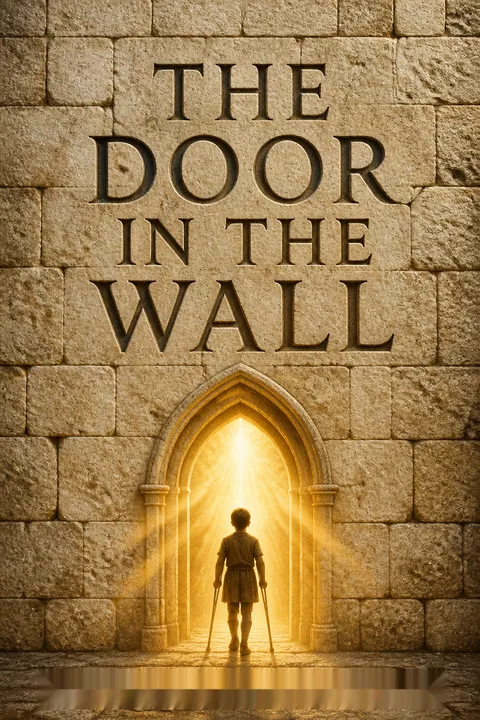
Just as Robin's loneliness becomes unbearable, Brother Luke, a kindly friar, enters his life. With gentle care and practical wisdom, Brother Luke tends to Robin's physical needs and offers the first true comfort since his parents' departure. He explains the fate of the household and the dangers of the plague, then promises Robin a new home at St. Mark's hospice. Brother Luke's philosophy—"follow the wall far enough and there will be a door in it"—plants the seed of hope, suggesting that every hardship hides a hidden way forward.
Sanctuary at St. Mark's
At St. Mark's, Robin is cared for with discipline and compassion. The hospice is bustling, yet Robin remains isolated, his world reduced to a small cell and the daily rhythms of monastic life. Brother Luke encourages Robin to engage his hands and mind, introducing him to whittling and the satisfaction of creating something with his own effort. The slow, repetitive work and the friar's patient presence begin to heal Robin's spirit, even as his body remains frail. The chapter explores the slow emergence of hope and the first steps toward self-reliance.
Whittling and Healing
Robin's days are filled with the tactile pleasure of carving wood—first a boat, then a cross. Each project is a lesson in patience, humility, and the value of small achievements. Brother Luke's daily massages and encouragement help Robin regain some strength, but more importantly, Robin learns to find meaning in effort and craft. The act of creation becomes a metaphor for rebuilding his life, and Robin's sense of self-worth grows with each finished piece. The chapter is suffused with the quiet triumph of perseverance.
Lessons in Patience
Robin's impatience and anger flare when his work goes awry, but Brother Luke and Brother Matthew teach him that mastery comes only through patience and humility. Robin's failures—splintered wood, clumsy cuts—become opportunities for learning rather than shame. The monks' gentle guidance and the structure of monastic life provide Robin with a sense of stability and purpose. Through these lessons, Robin begins to accept his limitations and discover new strengths, laying the foundation for his transformation.
New Friendships, New Skills
As Robin's hands grow skilled, so does his mind. He learns to read and write, studies history and the stars, and forms friendships with other children and monks. The camaraderie of shared work and play—especially with Geoffrey, another boy with a disability—teaches Robin empathy and resilience. Swimming in the river, carving toys for others, and participating in the life of the hospice, Robin finds belonging and joy. The chapter highlights the healing power of community and the importance of adapting to new roles.
Swimming Toward Strength
Brother Luke introduces Robin to swimming, a transformative experience that strengthens his arms and spirit. The river, once a symbol of separation, becomes a place of liberation and play. Robin's growing physical strength is matched by newfound confidence, and the prospect of using crutches—once a source of shame—now excites him. The water's embrace washes away Robin's fears and self-doubt, marking a turning point in his journey from helplessness to agency.
Crutches and Independence
With the help of Brother Matthew, Robin crafts his own crutches, turning symbols of disability into emblems of independence. The process is arduous, but Robin's determination and the skills he has honed make the achievement all the sweeter. Outfitted with his new crutches, Robin ventures into the city, experiencing the world anew. The chapter celebrates the dignity of self-sufficiency and the joy of reclaiming agency, even in altered form.
Journey to Lindsay
Summoned by his father, Robin embarks on a journey to Sir Peter de Lindsay's castle, accompanied by Brother Luke and John-go-in-the-Wynd, a minstrel. The road is fraught with danger—plague, thieves, and the threat of war—but also filled with wonder and discovery. Robin's resilience is tested by fatigue, fear, and the challenges of travel, yet he finds strength in companionship and the skills he has acquired. The journey is both literal and symbolic, marking Robin's passage from boyhood to maturity.
Peril on the Road
The travelers face treacherous weather, hostile strangers, and a harrowing escape from would-be robbers. Robin's quick thinking and courage help avert disaster, proving his worth to his companions. The hardships of the road forge deeper bonds and teach Robin the value of vigilance, adaptability, and trust. Each obstacle overcome is a step toward self-mastery, and Robin's sense of purpose grows as he nears his destination.
Arrival at the Castle
At Lindsay Castle, Robin is welcomed with warmth and respect, despite his disability. Sir Peter and Lady Constance offer him a place in their household, and Robin is given duties suited to his abilities. The castle's routines and expectations challenge Robin to adapt once more, but he finds satisfaction in service, learning, and the camaraderie of the other pages. The chapter explores themes of acceptance, belonging, and the redefinition of identity in the face of loss.
Finding Purpose Anew
Robin's days are filled with study, music, and the responsibilities of a page. He excels in archery, carpentry, and music, crafting a harp and learning to play it. His relationships with the castle's inhabitants deepen, and he becomes an integral part of the community. Robin's sense of purpose is no longer tied to physical prowess or the expectations of knighthood, but to the contributions he can make with his mind and hands. The chapter is a celebration of adaptability and the many forms of heroism.
Siege and Sacrifice
The castle is besieged by Welsh forces, and the community is thrown into chaos. Food and water dwindle, and the threat of defeat looms. Robin, now strong in spirit and skill, volunteers for a dangerous mission to seek help. Disguised as a shepherd, he braves the enemy lines, swims a freezing river, and navigates treacherous terrain. The chapter is a testament to Robin's transformation—his willingness to risk everything for others, and his ability to turn weakness into strength.
The Secret Mission
Robin's escape from the castle and journey to summon aid is fraught with danger and exhaustion. He relies on the skills and resilience he has developed, as well as the help of friends like John-go-in-the-Wynd. The mission's success depends on Robin's ingenuity, courage, and the trust he has earned. The chapter is a suspenseful, emotionally charged account of sacrifice and the power of hope in the darkest moments.
The Bell's Signal
With the help of John and the villagers, Robin gives the signal for the allied forces to attack, lifting the siege and saving the castle. The ringing of the church bells becomes a symbol of triumph and deliverance. Robin's role in the victory is recognized by all, and he is celebrated as a hero. The chapter captures the exhilaration of success, the relief of survival, and the joy of communal celebration.
Triumph and Reunion
As winter deepens, Robin is reunited with his parents, who return with the King and Queen. The hardships and achievements of the past year are acknowledged in a joyful Christmas celebration. Robin is honored by the King, not for his physical prowess, but for his courage, ingenuity, and service. The reunion is bittersweet, as Robin's transformation is both a source of pride and a reminder of all that has been lost and gained.
The Door in the Wall
Robin's journey comes full circle as he finds acceptance, purpose, and love in his new life. The "door in the wall"—Brother Luke's metaphor for hope and opportunity—becomes a lived reality. Robin's story is one of resilience, adaptation, and the discovery that true strength lies not in the body, but in the spirit. The chapter closes with a sense of peace and fulfillment, as Robin embraces his future with gratitude and courage.
Analysis
Marguerite de Angeli's The Door in the Wall is a timeless meditation on resilience, adaptation, and the true nature of heroism. Set against the backdrop of medieval England's turmoil, the novel transcends its historical setting to explore universal themes of loss, identity, and the search for meaning in adversity. Robin's journey—from privileged heir to disabled outcast to celebrated hero—challenges conventional notions of strength and worth. The book's central metaphor, the "door in the wall," invites readers to see obstacles not as dead ends, but as invitations to creativity, courage, and transformation. Through the patient guidance of mentors and the support of community, Robin learns that service, skill, and character matter more than physical prowess. The narrative's focus on craft, learning, and the dignity of labor resonates with modern readers facing their own walls—be they physical, emotional, or societal. Ultimately, The Door in the Wall offers a hopeful vision: that with patience, humility, and the help of others, every wall can yield a door, and every loss can become the seed of new possibility.
Review Summary
The Door in the Wall receives mixed reviews averaging 3.78 stars. Most praise its themes of resilience, disability acceptance, and finding opportunities despite obstacles. Readers appreciate the medieval setting, moral lessons, and Brother Luke's mentorship of paralyzed protagonist Robin. The metaphor of finding "doors in walls" resonates strongly. Criticisms include slow pacing, archaic language ("thee, thou"), limited plot development, and overly moralistic tone. Some find it dated compared to modern books. Many recommend it for homeschooling and medieval history studies. Reactions range from deeply moved to utterly bored, often depending on reader age and expectations.
People Also Read



Characters
Robin de Bureford
Robin, the ten-year-old son of a nobleman, is thrust from a life of privilege into one of hardship when illness leaves him unable to walk. Initially proud, impatient, and prone to self-pity, Robin's psychological journey is marked by loss, anger, and gradual acceptance. Through the guidance of Brother Luke and the challenges he faces, Robin learns patience, humility, and the value of service. His relationships—with mentors, peers, and eventually his parents—help him redefine his identity beyond physical ability. By the end, Robin is transformed: courageous, resourceful, and compassionate, embodying the lesson that true knighthood lies in character, not in strength of limb.
Brother Luke
Brother Luke is a wandering friar whose wisdom, patience, and kindness are central to Robin's recovery. He provides not only physical care but also emotional and spiritual guidance, teaching Robin to find "doors in the wall" of adversity. Brother Luke's philosophy is rooted in faith, resilience, and the belief that every obstacle hides an opportunity. His gentle mentorship helps Robin develop new skills, self-reliance, and a sense of purpose. Psychologically, Brother Luke represents hope, stability, and the transformative power of compassion.
John-go-in-the-Wynd
John-go-in-the-Wynd is a traveling musician whose resourcefulness, humor, and courage make him an invaluable companion. He assists Robin on his journey to Lindsay and later in the daring mission to save the castle. John's playful spirit and practical skills provide both comfort and inspiration to Robin. His own background—rooted in both hardship and artistry—mirrors Robin's journey from vulnerability to agency. John's loyalty and ingenuity are crucial in moments of crisis, and his friendship helps Robin embrace the joys and challenges of life.
Sir Peter de Lindsay
Sir Peter, Robin's godfather and the lord of Lindsay Castle, embodies the ideals of chivalry, wisdom, and compassion. He welcomes Robin without judgment, assigning him meaningful duties and encouraging his growth. Sir Peter's leadership during the siege is marked by courage, pragmatism, and care for his people. His acceptance of Robin's limitations and recognition of his strengths reinforce the book's central message: that worth is measured by character and contribution, not by physical prowess.
Lady Constance
Lady Constance, Sir Peter's wife, provides warmth, stability, and maternal care within the castle. She supports Robin's integration into the household and offers comfort during times of fear and uncertainty. Her role as caretaker during the siege and her encouragement of Robin's talents highlight the importance of empathy and community. Lady Constance's relationship with Robin is marked by gentle guidance and unconditional acceptance.
Robin's Father (Sir John de Bureford)
Sir John's departure for war is the catalyst for Robin's ordeal. Though physically absent for much of the story, his expectations and values—courage, service, and honor—shape Robin's aspirations and internal struggles. Sir John's eventual return and recognition of Robin's achievements provide emotional closure and affirm the transformation Robin has undergone. The father-son relationship is a source of both pressure and pride, reflecting the complexities of legacy and identity.
Robin's Mother (Lady Maud)
Lady Maud's early departure leaves Robin yearning for maternal care. Her absence is keenly felt, and her eventual return is a moment of profound emotional release. Lady Maud's acceptance of Robin's changed circumstances and her relief that he is safe underscore the theme that love transcends physical limitations. Her presence bookends Robin's journey, highlighting the enduring power of familial bonds.
Brother Matthew
Brother Matthew, the monastery's carpenter, guides Robin in woodworking, teaching him the value of patience, precision, and perseverance. His calm, steady presence helps Robin channel frustration into productive effort. Brother Matthew's mentorship is instrumental in Robin's development of practical skills and self-confidence, reinforcing the theme that mastery is achieved through humility and hard work.
Geoffrey Atte-Water
Geoffrey, a boy with a limp, becomes both a rival and a friend to Robin. Their interactions—marked by teasing, competition, and eventual camaraderie—help Robin confront his own insecurities and learn empathy. Geoffrey's acceptance of his own limitations and his playful spirit model a healthy approach to adversity, encouraging Robin to embrace his new identity.
D'Ath (the dog)
D'Ath, the castle hound, attaches himself to Robin, offering unconditional loyalty and companionship. His presence provides comfort and a sense of normalcy, reinforcing Robin's belonging within the castle community. D'Ath's devotion is a subtle but powerful reminder that worth and love are not contingent on physical ability.
Plot Devices
The Door in the Wall (Metaphor)
The central metaphor of the "door in the wall" encapsulates the book's message: every barrier hides a hidden passage, if one has the patience and courage to seek it. This motif recurs throughout the narrative, shaping Robin's journey from despair to hope. The literal and figurative doors—locked gates, secret passages, new skills—represent the transformative power of resilience and adaptability.
Illness and Disability as Catalyst
Robin's sudden disability is the inciting incident that forces him to confront his own limitations and redefine his sense of self. The narrative structure follows his psychological journey from denial and anger to acceptance and agency. The use of illness as a plot device foregrounds themes of vulnerability, dependence, and the search for meaning beyond physical ability.
Mentor Figures and Community
The presence of wise mentors (Brother Luke, Brother Matthew, Sir Peter) and supportive communities (the monastery, the castle) provides Robin with the structure, encouragement, and resources needed to heal and thrive. These relationships are essential plot devices, enabling Robin's transformation and reinforcing the importance of interdependence.
Journey and Quest Structure
Robin's travels—from London to Lindsay, from the castle to the enemy lines—serve as both literal and symbolic quests. Each stage of the journey presents new challenges, requiring Robin to apply the lessons he has learned and to discover new strengths. The quest structure provides narrative momentum and a framework for character development.
Foreshadowing and Symbolism
The book employs foreshadowing—such as Brother Luke's early advice about doors in walls and the recurring motif of bells—to prepare readers for later events. Symbolic objects (the cross, the harp, the crutches) represent stages in Robin's journey and the integration of loss and growth.
Download PDF
Download EPUB
.epub digital book format is ideal for reading ebooks on phones, tablets, and e-readers.








































