
Plot Summary
Legacy of the Miniaturists
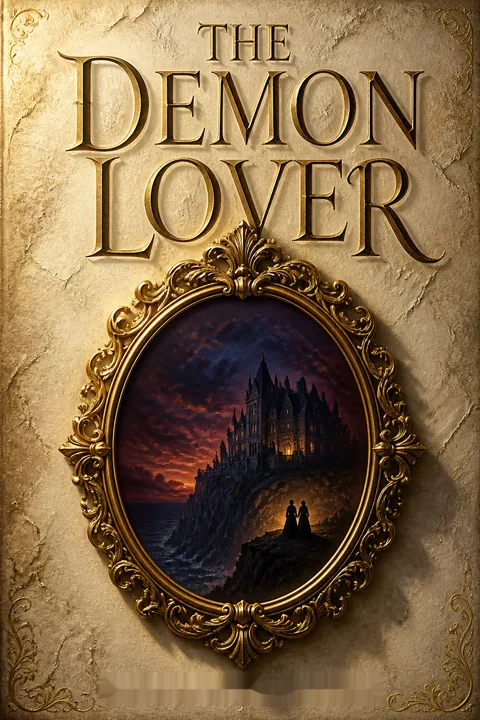
Kate Collison, born into a renowned family of English miniaturists, grows up in the shadow of her father's legacy. Though her talent matches any Collison before her, the mid-nineteenth-century world refuses to recognize a woman's artistry. Her mother, Lady Kitty, once a rebellious noble, and her gentle, devoted father, Kendal, shape Kate's world. The Collison home is filled with the quiet intensity of creation, but also the unspoken sorrow of a lineage that may end with a daughter. Kate's resolve to prove herself is fierce, and she finds solace and purpose in the studio, determined to carry on the family name through her brush, even as the world doubts her.
A Daughter's Secret Vow
From childhood, Kate is determined to become the greatest Collison painter, vowing to overcome the disappointment of being born a girl. She learns the craft at her father's side, absorbing both technique and the emotional highs and lows of artistic life. The death of her mother and the looming blindness of her father threaten the family's future. Kate's secret: many "Collison" miniatures sold across Europe are her own, signed with her father's initials. She is both proud and frustrated, knowing her work is praised only when believed to be a man's. Her vow is not just to paint, but to be seen, to break the boundaries set by her gender and time.
Shadows Over Collison House
The Collison household is shaken by Lady Kitty's death and the impending departure of Evie, the beloved housekeeper. Kate's father's encroaching blindness is revealed, a tragedy for an artist. Kate becomes his eyes and hands, taking on more of the work, but the secret weighs heavily. The arrival of gentle Clare Massie as Evie's replacement brings comfort, but also signals the end of an era. The family's stability is threatened by illness, loss, and the relentless march of time. Kate's world narrows to the studio, her father's fading sight, and the unspoken fear that the Collison legacy may die with them.
The Normandy Summons
A prestigious commission arrives from the powerful Baron de Centeville in Normandy, France. The Baron demands a miniature for his fiancée, and the opportunity is too great to refuse. Knowing his own sight is failing, Kendal proposes a daring deception: Kate will accompany him, posing as his assistant, and secretly paint the miniature herself. The journey to the chateau is both thrilling and terrifying for Kate, who senses that this adventure will change her life forever. The ancient, brooding castle and its enigmatic inhabitants—Bertrand de Mortemer, the Baron's cousin, and the mysterious Nicole—set the stage for intrigue, ambition, and danger.
The Baron's Feudal World
At Centeville, Kate is plunged into a world of feudal grandeur and rigid hierarchy. The Baron is charismatic, arrogant, and used to absolute control. Bertrand, his cousin, is kind and chivalrous, offering Kate friendship and perhaps more. Nicole, the Baron's mistress, is both sophisticated and vulnerable. The castle is a place of both beauty and menace, its walls echoing with centuries of dominance and desire. Kate must navigate the treacherous social landscape, hiding her true role as the artist while observing the complex relationships and simmering tensions that define the Baron's world.
Deceptions and Desires
As Kate secretly paints the Baron's miniature, she is drawn into a web of deception. The Baron's presence is magnetic and unsettling, awakening feelings she cannot name. Bertrand's gentle affection offers a safer path, but Kate is increasingly obsessed with capturing the Baron's essence—his cruelty, power, and allure—on ivory. The masquerade grows dangerous as the Baron's suspicions mount, and Kate's own emotions threaten to betray her. The miniature becomes a battleground for identity, ambition, and the forbidden desires that swirl beneath the chateau's surface.
The Demon Lover Unveiled
The Baron discovers the truth: it is Kate, not her father, who has painted the masterpiece. Instead of anger, he is delighted, recognizing her genius and vowing to launch her career. At a grand ball, Kate is introduced as the artist, her triumph assured. Yet the Baron's interest is not merely professional—he is a man who takes what he wants, and his fascination with Kate is both intoxicating and terrifying. Bertrand's proposal offers escape, but the Baron's shadow looms large. Kate's victory is bittersweet, bought at the price of her autonomy and safety.
Parisian Temptations
In Paris, Kate's reputation soars. She paints the young Princesse de Crespigny, befriends the worldly Nicole, and is courted by Bertrand. The city is vibrant but dangerous, especially as war clouds gather. Kate's independence grows, but so does her vulnerability. A near-abduction in a cab, orchestrated by the Baron, foreshadows greater threats. The lines between art, love, and survival blur as Kate navigates the temptations and dangers of Parisian society, haunted by the Baron's influence and her own conflicted heart.
Siege and Survival
The Franco-Prussian War erupts, and Paris is besieged. Kate, Nicole, and young Kendal endure months of hunger, fear, and deprivation. The city's glamour is replaced by desperation. Nicole's resourcefulness and kindness sustain them, but tragedy strikes when she is killed during the bombardment. The Baron reappears, orchestrating their escape from the starving city. The ordeal leaves Kate physically and emotionally scarred, her faith in safety and love shaken. The siege is both an ending and a beginning, forcing Kate to confront the limits of endurance and the cost of survival.
Nicole's Sanctuary
After the siege, Kate finds refuge in Nicole's Parisian home, which becomes both sanctuary and prison. Nicole's past as the Baron's mistress, her wisdom, and her generosity help Kate rebuild her life and career. The birth of Kate's son, Kendal, brings joy and purpose, but also the inescapable legacy of the Baron. Nicole's death is a devastating blow, leaving Kate alone to face the future. The sanctuary is revealed to be part of the Baron's design, a web of care and control that both protects and entraps.
The Oriflamme Kite
As peace returns, the Baron seeks out his son, Kendal, in the Luxembourg Gardens, forging a bond through the gift of a magnificent kite. The rivalry between Kendal and the Baron's legitimate heir, William, intensifies. The Baron's claim on Kate and Kendal becomes explicit, threatening the fragile independence Kate has built. The oriflamme kite, symbol of France and of the Baron's power, soars above the city—a reminder that the past cannot be escaped, and that blood ties are both blessing and curse.
The Return to Centeville
The Baron brings Kate, Kendal, and Jeanne back to Centeville, offering safety and comfort after the horrors of Paris. The castle is unchanged, but the relationships within it are not. The Princesse Marie-Claude, the Baron's wife, is a shadow of her former self, haunted by secrets and regrets. William, her son, is neglected and unhappy. Kate's presence brings healing to some, but also stirs jealousy and suspicion. The return is both a homecoming and a reckoning, as old wounds and new desires collide.
The Princess's Descent
Marie-Claude, isolated and tormented by her husband's indifference and her own guilt, spirals into despair. Her friendship with Kate is fraught with envy and longing for escape. The tension between the women, and between Marie-Claude and the Baron, reaches a breaking point. A ride to the Peak—a place of beauty and danger—ends in tragedy as Marie-Claude falls to her death. The question of suicide or murder hangs over the castle, casting a shadow over Kate's hopes for happiness and freedom.
The Loge's Refuge
With Marie-Claude's death, Kate and Kendal move to the Loge, a small house on the castle grounds. The Baron is free to pursue Kate openly, but the specter of scandal and suspicion remains. Clare, Kate's steadfast stepmother, arrives from England, offering support and a possible escape. The Loge becomes a place of refuge and reflection, where Kate must decide between love and safety, between the past and the future. The peace is fragile, threatened by the Baron's relentless will and the unresolved mysteries of the past.
The Final Reckoning
As Kate prepares to leave for England with Clare, the truth about Marie-Claude's death emerges. The Baron's protestations of innocence are met with doubt, and Kate is torn between love and fear. The castle is a place of ghosts—of lost love, broken promises, and unpunished crimes. The reckoning is both personal and collective, as each character must face the consequences of their choices. The price of happiness is revealed to be higher than anyone imagined, and the possibility of redemption hangs in the balance.
Love and the Shadow of Death
Clare's confession—her role in the deaths of Faith, Kendal's father, and Marie-Claude—shatters Kate's understanding of love and morality. Clare's actions, driven by compassion and a twisted sense of mercy, force Kate to confront the darkness within herself and those she loves. The shadow of death lingers, but so does the possibility of forgiveness. Love is revealed to be both destructive and redemptive, a force that can heal or destroy depending on how it is wielded.
Clare's Confession
Clare's final letter reveals her as both savior and destroyer, a woman whose love leads her to acts of mercy killing. Her confession reframes the tragedies of the past, offering both explanation and condemnation. Kate is left to grapple with the legacy of those who loved her—her father, Nicole, Clare—and to decide what kind of future she will build for herself and her son. The burden of care is both gift and curse, and the line between love and madness is perilously thin.
A New Dawn for Kate
In the aftermath of loss and revelation, Kate stands at the threshold of a new life. The Collison legacy endures through her art and her son. The Baron's power is broken, but his influence lingers. Kate's journey—from obedient daughter to celebrated artist, from victim to survivor—culminates in a hard-won peace. The promise of a new dawn is tempered by the knowledge of what has been lost, but also by the hope that love, in all its complexity, can still lead to healing and renewal.
Analysis
Victoria Holt's The Demon Lover is a masterful exploration of power, gender, and the costs of ambition and desire. At its heart is the struggle of a woman artist to claim her place in a world that denies her agency, and the ways in which love, art, and violence become intertwined. The novel interrogates the myth of the "demon lover"—the charismatic, dangerous man who both inspires and destroys—and asks what it means to love, to create, and to survive in a world shaped by others' expectations. Through its richly drawn characters and intricate plot, the story exposes the dangers of unchecked power, the necessity of self-knowledge, and the redemptive possibilities of compassion and forgiveness. In a modern context, The Demon Lover resonates as a meditation on the price of breaking free from tradition, the complexities of female ambition, and the enduring need for both autonomy and connection. The lessons are clear: true artistry requires both courage and honesty, love is never simple, and the past—no matter how painful—must be faced if the future is to be claimed.
Review Summary
The Demon Lover by Victoria Holt receives polarizing reviews. Readers appreciate the strong heroine Kate, a miniature painter, and the dark, complex Baron who abducts and rapes her as revenge against his cousin. Many praise Holt's departure from typical gothic romance into bodice-ripper territory, noting compelling character development and historical detail including the 1870 Paris siege. Critics condemn the problematic romance between victim and rapist, questioning the heroine's eventual acceptance of him. Most agree the writing is engaging but cite an abrupt ending and excessive repetition. The twist finale surprises many readers, though opinions remain divided on whether the Baron's redemption feels authentic.
Characters
Kate Collison
Kate is the heart of the story—a fiercely talented miniaturist, shaped by the weight of family legacy and the constraints of her era. Her devotion to her father and her art is matched only by her longing for recognition and autonomy. Kate's psychological journey is one of self-discovery, as she navigates love, betrayal, and ambition. Her relationships—with her father, the Baron, Bertrand, Nicole, and Clare—reveal her capacity for loyalty, passion, and resilience. Kate's development is marked by her struggle to reconcile her desires with her principles, and her ultimate emergence as a woman who claims her own destiny, even at great personal cost.
Kendal Collison (Father)
Kendal is both a loving father and a man haunted by the loss of his sight and the end of his artistic career. His relationship with Kate is deeply affectionate, built on shared passion for art and mutual respect. Kendal's gradual blindness is a source of grief and vulnerability, but also a catalyst for Kate's growth. His acceptance of his daughter's talent and his willingness to support her deception reveal his open-mindedness and humility. Kendal's death is a profound loss, but his legacy endures in Kate's work and spirit.
The Baron de Centeville (Rollo)
The Baron is the story's central antagonist and antihero—a man of immense charm, intelligence, and cruelty. He is accustomed to getting his way, whether in art, love, or politics. His relationship with Kate is marked by obsession, manipulation, and genuine admiration for her talent. The Baron's psychological complexity lies in his capacity for both tenderness and violence, his longing for legacy, and his inability to love without dominating. His actions—ranging from patronage to abduction—force those around him to confront their own desires and limits. The Baron's development is a slow, painful reckoning with the consequences of his power.
Bertrand de Mortemer
Bertrand is the Baron's foil—kind, honorable, and gentle. He offers Kate a vision of safe, conventional love, but is ultimately unable to compete with the Baron's magnetism. Bertrand's proposal and subsequent rejection by Kate mark a turning point in her journey. His own fate—caught between loyalty to family and personal happiness—reflects the story's themes of duty, sacrifice, and the cost of defiance. Bertrand's psychological arc is one of disillusionment and quiet strength.
Nicole St. Giles
Nicole is both the Baron's mistress and Kate's protector. Her sophistication, wit, and kindness make her a vital ally for Kate in Paris. Nicole's past is marked by survival and adaptation, her present by generosity and loneliness. Her death during the siege is a devastating loss, but her legacy endures in the sanctuary she provides and the wisdom she imparts. Nicole's psychological depth lies in her ability to love without illusion, to give without expectation, and to face her own mortality with grace.
Clare Massie
Clare is the embodiment of compassion and self-sacrifice, stepping into the Collison household as both housekeeper and surrogate mother. Her devotion to Kate and Kendal is unwavering, but her final confession reveals a mind unbalanced by the burden of care. Clare's acts of mercy killing—motivated by love and a desire to spare suffering—force a reevaluation of her character. She is both savior and destroyer, her psychological complexity rooted in the tension between kindness and control, love and madness.
Princesse Marie-Claude de Crespigny
Marie-Claude is the Baron's young, reluctant bride—a woman trapped by family expectations and personal fears. Her relationship with Kate is marked by both friendship and rivalry, her marriage by neglect and despair. Marie-Claude's descent into illness and eventual death is a study in the corrosive effects of powerlessness and isolation. Her psychological arc is one of longing for escape, and her fate is a warning about the dangers of denying one's own desires and agency.
William
William, the Princesse's son, is a minor but poignant figure—a boy caught between parents who cannot love him. His friendship with Kendal and his transformation under Kate's care highlight the story's themes of nurture, belonging, and the long shadow of parental failure. William's psychological development is a testament to the resilience of children and the healing power of attention and kindness.
Evie
Evie's early presence in the Collison household provides order and comfort. Her departure marks the end of innocence and the beginning of upheaval. Evie's role is that of the unsung hero, the steady hand that allows others to flourish. Her absence is keenly felt, and her legacy is one of quiet strength and selflessness.
Kendal (Kate's Son)
Kendal, the child of Kate and the Baron, is both a symbol of hope and a source of conflict. His intelligence, creativity, and longing for belonging drive much of the story's emotional arc. Kendal's relationships—with his mother, his father, and William—reflect the complexities of inheritance, identity, and the search for home. His psychological journey is one of awakening, as he comes to understand the truths of his parentage and the burdens of legacy.
Plot Devices
Duality of Identity and Deception
The narrative is structured around the tension between appearance and reality—Kate's hidden authorship, the Baron's public and private selves, Nicole's dual roles as mistress and friend, Clare's secret acts of mercy. Deception is both survival strategy and source of danger, forcing characters to confront the limits of self-knowledge and the cost of living a lie. The use of foreshadowing—Kate's early vow, the Baron's ominous charisma, Clare's quiet intensity—builds suspense and emotional resonance. The story's structure, moving from the insular world of Collison House to the feudal chateau, the chaos of Paris, and back again, mirrors Kate's journey from innocence to experience, from dependence to autonomy.
Download PDF
Download EPUB
.epub digital book format is ideal for reading ebooks on phones, tablets, and e-readers.








































