
Plot Summary
Arrival at the Death House
Toby's life is upended when he's forcibly taken from his home after a routine blood test reveals he carries the "Defective" gene. He's delivered to a remote, isolated manor known as the Death House, where children like him are sent to await the mysterious illness that will eventually claim them. The house is cold, institutional, and haunted by the knowledge that no one ever returns from the sanatorium upstairs. Toby quickly learns the rules of survival: keep your head down, don't attract attention, and above all, don't get sick. The trauma of separation from his family and the abrupt end of his normal teenage life sets the tone of dread and resignation that permeates the house, as each child tries to cope with their uncertain fate.
Dorm Rivalries and Survival
Within the Death House, the children are divided into dorms, each forming its own microcosm of alliances, rivalries, and hierarchies. Toby becomes the de facto leader of Dorm 4, sharing his space with the clever but awkward Louis, the devout Ashley, and the innocent Will. Rival dorms, especially Dorm 7 led by the tough Jake, create tension and competition, with bets on who will fall sick next. The children cling to routines—meals, chores, and lessons—while the threat of the sanatorium looms. The dorms become both sanctuary and prison, as the kids oscillate between camaraderie and suspicion, trying to find meaning and connection in a world that has stripped them of hope and agency.
Lessons in Isolation
The children attend daily lessons, but the education is perfunctory, using outdated textbooks and indifferent teachers. The classes serve more as a way to pass time than to prepare for any future. The teachers, distant and anonymous, seem as trapped as the children, watching for symptoms as much as for academic progress. The monotony of lessons underscores the sense of limbo: the children are alive, but not really living. Toby and his dormmates fill the void with small distractions—chess, books, and daydreams of the outside world—while the specter of illness and disappearance shapes every interaction.
Newcomers and Disruption
The fragile equilibrium of the house is shattered when new arrivals are brought in: Tom, a bitter older boy who nearly escaped the gene's activation, and Clara, a vibrant, red-haired girl whose energy and defiance unsettle the established order. Clara's refusal to take the nightly "vitamins" (actually sleeping pills) and her zest for life draw Toby out of his shell. Tom's anger and sense of injustice mirror the suppressed rage of many in the house. The newcomers force the others to confront their own fears and desires, and Toby finds himself both threatened and fascinated by Clara's refusal to accept the house's rules.
Nighttime Secrets
Toby, who has secretly stopped taking his pills, discovers Clara awake in the kitchen one night. Their shared insomnia becomes a secret rebellion, as they explore the house and its grounds under cover of darkness. The night becomes their domain—a time for freedom, intimacy, and escape from the oppressive routines of the day. Their connection deepens as they share stories, dreams, and eventually, love. The night also becomes a space for risk, as they must avoid detection by the ever-watchful Matron and nurses. Their secret world is both a refuge and a ticking clock, as the threat of illness and discovery grows.
Clara's Challenge
Clara's arrival and her refusal to conform inspire others to break out of their routines. She encourages the children to play outside, climb trees, and reclaim small joys. Her energy is infectious, but it also brings jealousy and conflict, especially with Jake and Tom, who vie for her attention. Clara's relationship with Toby becomes the emotional center of the story, offering hope and meaning in a place designed to erase both. Yet, her defiance also brings danger, as the boundaries between dorms blur and the fragile peace is threatened by old resentments and new desires.
The Church and the Lift
Ashley, the religious boy in Dorm 4, establishes a makeshift church, offering prayers and comfort to those who are sick or afraid. His efforts are met with skepticism and mockery, but as the first children begin to fall ill and are taken by the lift to the sanatorium, the need for meaning and ritual becomes acute. The house is gripped by fear as the reality of their fate becomes undeniable. The lift's nightly rumble is a reminder that any of them could be next. The children's responses—faith, denial, cruelty, or compassion—reveal their deepest vulnerabilities.
Over the Wall
Driven by a need to escape, Toby and Clara scale the wall surrounding the house and explore the island at night. They discover the sea, a hidden cave, and the supply jetty—glimpses of a world beyond their prison. These nocturnal adventures become a lifeline, giving them hope and a sense of agency. They dream of escaping on the supply boat, planning a future together far from the Death House. The outside world, though tantalizingly close, remains out of reach, and their secret excursions are both exhilarating and fraught with risk.
The Bird and the Betrayal
Toby and Clara find an injured bird and secretly nurse it in an abandoned wardrobe, naming it Georgie. The bird becomes a symbol of hope, innocence, and the desire to heal what is broken. When Jake discovers their secret, his reaction—gentle but ultimately fatal for the bird—exposes the limits of kindness in a world defined by suffering. The loss of Georgie is a turning point, deepening the bond between Toby and Clara but also highlighting the inevitability of loss. The incident strains relationships and brings underlying tensions to the surface, especially as Jake's pride is wounded by Clara's preference for Toby.
The Fight and the Truce
Tensions between dorms and individuals reach a breaking point, culminating in a physical fight between Toby and Jake. The fight is both a release of pent-up anger and a rite of passage, forcing both boys to confront their fears and resentments. The aftermath brings a fragile truce, as the children recognize the futility of fighting each other when their true enemy is the system that has condemned them. The fight also cements Toby's role as a leader and protector, especially for the younger boys in his dorm. The house settles into a wary peace, but the threat of illness and loss remains ever-present.
Love in the Shadows
As the days pass, Toby and Clara's relationship becomes a sanctuary from the despair of the house. They share stolen moments, confessions, and eventually, their bodies, making love in the church as a defiant act of hope and connection. Their love is both a rebellion and a lifeline, giving them the strength to imagine a future beyond the Death House. Yet, their happiness is shadowed by guilt, secrecy, and the knowledge that time is running out. The other children notice the change, and jealousy, suspicion, and longing ripple through the fragile community.
The Snowfall Miracle
One morning, the children wake to find the island blanketed in snow—a phenomenon not seen in England for a century. The snow transforms the house and its grounds, bringing laughter, play, and a sense of wonder. For a brief time, the children are united in joy, building snowmen, having snowball fights, and forgetting their fear. The snow is a gift, a reminder of beauty and possibility even in the bleakest circumstances. Yet, the miracle is fleeting, and as the snow melts, the reality of their situation returns with renewed force.
Will's Decline
Will, the youngest and most innocent member of Dorm 4, begins to show signs of illness. His decline is slow and painful, marked by incontinence, weakness, and fear. The dorm rallies around him, trying to protect him from the nurses and the inevitable trip to the sanatorium. The children are forced to confront the limits of their power and the cruelty of their world. Will's suffering becomes a crucible for Toby, Clara, and Louis, testing their loyalty, compassion, and courage. The specter of the sanatorium becomes unbearable, and the dorm must decide how to face the end with dignity and love.
Mercy in the Cave
Unable to bear the thought of Will dying alone and afraid in the sanatorium, Toby and Clara decide to give him a last adventure. They take him to the cave by the sea, where he watches the Northern Lights and drinks hot chocolate laced with sleeping pills. Will dies peacefully, surrounded by love and beauty, rather than fear and isolation. The act is both a mercy and a burden, leaving Toby and Clara with guilt, grief, and the knowledge that they have crossed a line. They bury Will by the old oak tree, marking his passing with love and sorrow.
Guilt, Grief, and Goodbyes
Will's death fractures Dorm 4. Louis, devastated by the loss of his best friend and excluded from Will's final moments, turns his anger on Toby. The dormmates drift apart, each coping with grief in their own way. The house, too, is changed, as the children grapple with the reality of mortality and the limits of their power to protect each other. Toby is haunted by guilt, unsure if he did the right thing, and struggles to find meaning in the aftermath. The need for escape becomes more urgent, but the bonds of love and loyalty are tested as never before.
The Truth in the Office
Driven by desperation, Toby breaks into Matron's office and discovers a shocking truth: the retests of his and Louis's blood reveal they are not Defective after all. Their original results were contaminated; they are healthy, normal children. The revelation is both liberating and devastating, as it comes too late for Will and the others. Toby realizes that the system is not only cruel but also fallible, and that escape is both possible and necessary. He shares the secret with Louis, and together they plan to flee on the supply boat, hoping to expose the truth and save themselves.
The Last Night
On the eve of their escape, Toby and Clara prepare to leave the Death House forever. But Clara, who has been hiding her own illness, disappears, leaving only a letter for Toby. She cannot go with him; she is sick and refuses to face the sanatorium. Toby is torn between his love for Clara and his promise to help Louis escape. In the end, he chooses love, sending Louis to freedom with the evidence of their innocence, while he returns to Clara, determined to be with her until the end. Their final night is a testament to the power of love and the courage to choose one's own fate.
Escape and Sacrifice
Louis escapes on the supply boat, carrying the truth of the Death House to the outside world. Toby finds Clara in the cave by the sea, her body marked by the illness that will soon claim her. He chooses to stay with her, refusing to abandon her in her final hours. Together, they wait for the tide, holding each other as the water rises. Their love is both a defiance of the system and an acceptance of mortality. In their final moments, they find peace, meaning, and a sense of eternity in each other's arms.
Together Forever
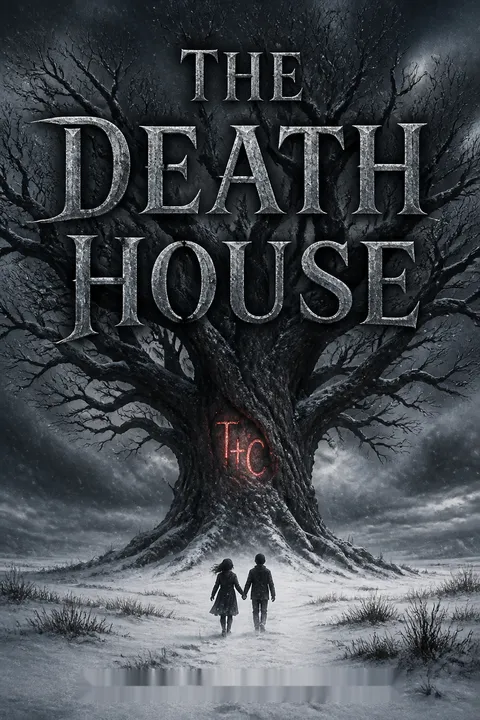
As dawn breaks and the sea claims them, Toby and Clara are united in death, their love a beacon of hope in a world designed to extinguish it. Their initials, carved in the old oak tree, become a symbol of resistance and remembrance. Louis, now free, carries their story into the world, determined to honor their memory and expose the truth. The Death House remains, but the legacy of Toby and Clara endures—a testament to the power of love, the importance of choice, and the possibility of redemption even in the face of oblivion.
Analysis
Sarah Pinborough's The Death House is a haunting meditation on mortality, love, and the search for meaning in the face of oblivion. Set in a dystopian world where children are condemned for a genetic flaw, the novel explores the psychological and emotional toll of living under the shadow of death. Through the microcosm of the Death House, Pinborough examines how fear, isolation, and institutional cruelty shape identity and relationships. Yet, the novel is ultimately a celebration of resilience, agency, and the transformative power of love. Toby and Clara's journey—from despair to hope, from isolation to connection—offers a powerful critique of systems that dehumanize and discard the vulnerable. The story's emotional arc, culminating in the lovers' final embrace as the sea claims them, is both devastating and uplifting, affirming the possibility of meaning, beauty, and transcendence even in the darkest of circumstances. The novel's lessons are clear: life is precious, love is defiant, and even in the face of death, we can choose how we live—and how we die.
Review Summary
The Death House receives mixed reviews averaging 3.61/5 stars. Readers praise Pinborough's beautiful writing and emotional depth, particularly the touching relationship between protagonists Toby and Clara in this dystopian setting where "defective" children await death. Many appreciate the character-driven narrative and poignant ending. However, critics cite frustration with unanswered questions about the illness, weak worldbuilding, and a divisive melodramatic ending. Some found it slow-paced or too romance-focused rather than thriller-oriented. Despite controversies, many reviewers acknowledge the book's emotional impact and thought-provoking themes about mortality and hope.
People Also Read
Characters
Toby
Toby is the protagonist and emotional anchor of the story, a teenage boy thrust into the Death House after a false positive test for the Defective gene. Initially withdrawn and cynical, he becomes the leader of Dorm 4, responsible for the well-being of his younger dormmates. Toby's journey is one of reluctant growth: he learns to care, to love, and ultimately to sacrifice. His relationship with Clara awakens his capacity for hope and rebellion, while his guilt over Will's death and his final act of mercy reveal his deep compassion. Toby's psychological arc is defined by the tension between fear and love, resignation and agency, culminating in his choice to embrace love and meaning, even in the face of death.
Clara
Clara is the vibrant, red-haired girl whose arrival transforms the Death House. Defiant, energetic, and unwilling to accept the rules, she inspires others to reclaim joy and agency. Her relationship with Toby is the heart of the novel, offering both characters a reason to hope and a means to resist despair. Clara's refusal to take the pills, her nocturnal adventures, and her nurturing of the wounded bird all symbolize her refusal to be defined by fear. Yet, she is also vulnerable, hiding her illness and ultimately choosing to face death on her own terms. Clara embodies the tension between life and death, hope and inevitability, and her love for Toby is both her salvation and her undoing.
Louis
Louis is the intellectual prodigy of Dorm 4, socially awkward but fiercely loyal. His analytical mind is both a gift and a curse, as he struggles to make sense of the arbitrary cruelty of the Death House. Louis's friendship with Will is a source of comfort and meaning, and Will's death devastates him, leading to anger and withdrawal. Louis's journey is one of grief, forgiveness, and ultimately, survival. He is entrusted with the truth of the Death House's injustice and becomes the torchbearer for Toby and Clara's legacy. Louis represents the power of intellect, loyalty, and the need for connection in the face of isolation.
Will
Will is the youngest and most innocent member of Dorm 4, a small boy whose optimism and curiosity provide a counterpoint to the prevailing despair. His decline and death are the emotional nadir of the novel, forcing the other characters to confront the limits of their power and the reality of mortality. Will's trust in Toby and Louis, his love of stories, and his fear of the sanatorium make him both a symbol of lost childhood and a catalyst for the others' growth. His final adventure in the cave is an act of mercy and love, and his memory haunts those who survive him.
Jake
Jake is the leader of Dorm 7, a tough, streetwise boy with a reputation for violence and rebellion. His rivalry with Toby and his pursuit of Clara create much of the novel's tension, but beneath his bravado lies vulnerability and longing for connection. Jake's actions—both cruel and compassionate—reveal the complexity of survival in the Death House. His eventual truce with Toby and his role in the bird's death show his capacity for change and empathy. Jake embodies the struggle for power, the need for respect, and the pain of rejection.
Ashley
Ashley is the religious boy in Dorm 4, often mocked for his faith but steadfast in his efforts to bring comfort to others. His creation of the church and his prayers for the sick are both a source of solace and a target for ridicule. Ashley's decline and death are marked by loneliness and a longing for acceptance. He represents the search for meaning in suffering, the need for ritual, and the limits of faith in the face of overwhelming fear.
Tom
Tom is an older boy who arrives at the Death House just months before he would have been safe from the gene's activation. His anger and sense of injustice mirror the suppressed rage of many in the house. Tom's journey is one of adaptation, as he moves from resentment to acceptance, finding camaraderie and purpose in the dorm. His willingness to support Toby in the fight with Jake and his eventual role in the escape plan show his capacity for loyalty and change.
Matron
Matron is the cold, emotionless overseer of the Death House, enforcing the rules and making the ultimate decisions about who is sent to the sanatorium. She is both a symbol and an agent of the system's cruelty, maintaining order with detachment and efficiency. Matron's actions—especially her murder of the sympathetic nurse—reveal the lengths to which the system will go to preserve itself. She is the antagonist not as a person, but as the embodiment of institutional indifference and control.
The Nurse
The unnamed nurse who shows kindness to the children, especially Will, represents the possibility of compassion within the system. Her small acts of humanity—a kind word, a gentle touch—offer comfort and hope. Her murder by Matron, after she tries to advocate for Toby and Louis, is a stark reminder of the system's brutality and the dangers of caring too much. The nurse's fate haunts Toby and underscores the novel's themes of power, vulnerability, and the cost of kindness.
Eleanor
Eleanor is a younger girl who forms a bond with Will, Louis, and Clara. She is sensitive, empathetic, and often caught between the shifting alliances of the house. Eleanor's presence provides a link between the dorms and a reminder of the ordinary lives the children have lost. Her grief for Will and her support for Clara highlight the importance of friendship and solidarity in the face of despair.
Plot Devices
The House as Microcosm
The Death House itself is a central plot device, functioning as both setting and symbol. Its isolation, routines, and rules create a microcosm where the children's struggles, alliances, and rebellions play out. The house's architecture—the dorms, the sanatorium, the locked doors—mirrors the psychological barriers and boundaries between the characters. The house is both prison and sanctuary, shaping the children's identities and relationships. Its oppressive atmosphere heightens the sense of dread and inevitability, while its moments of beauty (the garden, the snow, the cave) offer glimpses of hope and possibility.
The Lift and the Sanatorium
The nightly rumble of the lift and the mysterious sanatorium upstairs are constant reminders of mortality and the arbitrary nature of fate. The lift's appearance foreshadows loss, and the children's fear of the sanatorium shapes their behavior and relationships. The device serves as both a literal and metaphorical descent into death, reinforcing the novel's themes of fear, isolation, and the search for meaning.
The Sleeping Pills ("Vitamins")
The nightly "vitamins" are a subtle but powerful plot device, used by the authorities to control the children and maintain order. Toby and Clara's decision to stop taking the pills becomes an act of rebellion, granting them agency and the freedom to create their own world within the house. The pills symbolize the tension between conformity and resistance, safety and risk, and the possibility of reclaiming one's life, however briefly.
The Bird (Georgie)
The wounded bird that Toby and Clara try to save becomes a symbol of innocence, hope, and the desire to heal. Its eventual death at Jake's hands is a turning point, marking the limits of kindness and the inevitability of loss. The bird's fate mirrors the children's own vulnerability and the impossibility of escape from the system's cruelty.
The Cave and the Sea
The cave by the sea is a recurring motif, representing sanctuary, freedom, and the possibility of escape. It is the site of love, mercy, and ultimately, death. The sea itself is both a barrier and a gateway, symbolizing the unknown, the possibility of transcendence, and the inevitability of change. The cave and the sea frame the novel's most important moments, from the first taste of freedom to the final act of love and surrender.
The Retest and the Letter
The discovery that Toby and Louis are not Defective after all is a classic plot twist, revealing the fallibility of the system and the tragic irony of their situation. The letter becomes a symbol of truth, hope, and the possibility of justice, as Louis escapes to carry their story to the outside world. The device underscores the novel's themes of injustice, the randomness of fate, and the importance of agency and choice.
Foreshadowing and Flashbacks
The novel uses flashbacks to Toby's life before the Death House to provide context, contrast, and emotional depth. These memories foreshadow the loss of innocence and the longing for connection that drive the characters. The use of foreshadowing—through the lift, the pills, and the changing weather—builds tension and reinforces the sense of inevitability that pervades the story.
About the Author
Other books by Sarah Pinborough

Download PDF
Download EPUB
.epub digital book format is ideal for reading ebooks on phones, tablets, and e-readers.








































