
Plot Summary
Return to Bury's Shadows
Rose Yates, newly widowed and emotionally raw, returns to her childhood home in Bury, New Hampshire, with her son Max. The town's name conjures images of secrets and things buried, both literally and metaphorically. Rose's father, Logan, is cold and controlling, and the house itself is a mausoleum of old traumas. Rose is haunted by memories and the oppressive atmosphere, but she's forced back by necessity and the hope that confronting her past might bring peace. Her son Max, sensitive and struggling, is her anchor, but he too is unsettled by the move. The return is both a retreat and a confrontation, setting the stage for old ghosts to reemerge.
The Yates Family Fortress
The Yates family is defined by its wealth, emotional distance, and a fortress mentality. Logan Yates, the patriarch, is ruthless in business and in life, teaching his children that strength and dominance are virtues. Rose's sister, Cora, is beautiful and brittle, her relationship with Rose strained by years of rivalry and unspoken pain. The family's history is marked by the early death of Rose's mother and a parade of nannies and transient women. The house is a symbol of both privilege and imprisonment, and the family's interactions are laced with tension, competition, and the unspoken knowledge of a shared, terrible secret.
Detective's Quiet Pursuit
Detective Colin Pearson, recently relocated to Milwaukee to care for his declining mother, is assigned the case of Rose's husband's death. Though it appears to be an accidental overdose, inconsistencies and a lack of thorough investigation pique his interest. Colin is methodical, empathetic, and burdened by his own family's slow unraveling. His wife's pregnancy and his mother's hoarding and alcoholism weigh on him, mirroring the generational dysfunction of the Yates. Colin's investigation is as much about understanding the psychology of grief and family as it is about solving a potential crime.
Ghosts of Childhood Trauma
Rose's return to Bury forces her to confront the traumas of her youth. The house is filled with memories of fear, loss, and the suffocating expectations of her father. Her relationship with Cora is fraught, marked by jealousy, betrayal, and a shared complicity in something dark. Rose's son Max is sensitive and intelligent but struggles to adapt, mirroring Rose's own childhood alienation. The ghosts of the past are not just metaphorical; they are the driving force behind Rose's nightmares, her writing, and her inability to find peace.
Siblings and Strangers
A tense family dinner brings together Rose, Cora, their father, and their children. The gathering is a microcosm of the family's dysfunction: Cora is competitive and cutting, her husband Peter is a passive accessory, and their daughter Willow is a reflection of Cora's coldness. Max is isolated and overwhelmed. The conversation turns to death, trauma, and the family's history of emotional detachment. Old resentments flare, and the dinner ends with more distance than connection, highlighting the impossibility of true reconciliation without confronting the past.
The Writer's Confession
Rose is a novelist, writing under the pen name J. L. Sharp. Her books, especially her latest, draw heavily from her own life and traumas. A scene in her new novel mirrors the suspicious circumstances of her husband's death, raising questions for both the detective and her family. Cora is furious, seeing the book as a betrayal and a threat to their shared secret. Rose's writing is both a coping mechanism and a confession, a way to process guilt and seek absolution. But fiction cannot contain the truth, and the boundaries between story and reality begin to collapse.
The Past Bleeds Forward
Rose is plagued by nightmares of a violent night from her youth, a night that changed everything for the Yates family. The trauma is ever-present, manifesting in her insomnia, her strained relationship with Max, and her inability to move forward. The past is not dead; it is a living force, shaping every decision and relationship. Rose's attempts to find solace—through running, writing, and reconnecting—only bring her closer to the truth she has tried to bury.
The Unraveling Marriage
Rose's marriage to Riley was passionate but ultimately destructive. Riley's failures, infidelity, and descent into bitterness mirror the dysfunction of Rose's family. Their relationship deteriorates into anger and threats, culminating in Riley's death by overdose. Rose is left with guilt, suspicion, and the fear that her son Max has inherited the family's darkness. The marriage's collapse is both a symptom and a cause of the larger unraveling of the Yates family.
The Boy Who Vanished
Decades earlier, a local boy named Caleb Benner disappeared after a party attended by Cora. The case was never solved, but rumors and suspicions linger. Detective Pearson, digging into the Yates family's past, discovers that Cora was the last person to see Caleb alive. The parallels between Caleb's disappearance and the events in Rose's new novel are too strong to ignore. The mystery of Caleb's fate becomes the key to understanding the Yates family's secret and the source of their collective guilt.
The Detective's Obsession
Pearson becomes obsessed with the Yates case, seeing in it echoes of his own family's pain and dysfunction. His investigation takes him to Bury, where he interviews Rose and uncovers the layers of deception and trauma. Pearson's pursuit is relentless, driven by a need for truth and justice, but also by his own unresolved grief. The case becomes personal, blurring the line between detective and participant, and setting the stage for a final reckoning.
The Book That Reveals
Rose's latest novel, The Child of the Steps, is a thinly veiled account of the night Caleb disappeared. Cora and Logan panic, fearing exposure and the collapse of their carefully maintained facade. The book becomes a catalyst, forcing the family to confront what they did and what they have become. The community's gossip, the detective's questions, and the family's own paranoia converge, making it impossible to keep the secret buried any longer.
Family Secrets Ignite
A series of confrontations—between Rose and Cora, Rose and her father, and within Rose herself—bring the family's secrets to the surface. Cora's instability and capacity for violence are revealed, as is Logan's willingness to do anything to protect the family name. The past and present collide in a storm of accusation, confession, and physical violence. The family meeting, intended to resolve their issues, becomes a battleground where only one version of the truth can survive.
The Night of Blood
The narrative returns to the night Caleb Benner died. Through Rose's memory, we see Cora lure Caleb, attack him, and ultimately kill him in a fit of cold, almost gleeful violence. Logan arrives, and together they cover up the crime, binding the family in a pact of silence and guilt. Rose's complicity is born of fear and trauma, and the event becomes the defining moment of her life. The truth is as horrifying as the secret is heavy.
The Monster Within
Cora's capacity for violence is not limited to the past. She is implicated in the death of a neighbor's dog and possibly other crimes. Her lack of remorse and her manipulation of those around her make her a true monster, a product of both nature and nurture. Rose is forced to confront the possibility that the darkness in her family is not just a metaphor but a real, dangerous force. The sisters' relationship, once marked by love and rivalry, is now a matter of survival.
The Final Family Meeting
Logan calls a final family meeting, demanding that Rose and Cora resolve their differences and protect the family at all costs. The meeting devolves into accusation, confession, and violence. Rose records the conversation, hoping for evidence, but Cora destroys the phone. The confrontation escalates into a physical fight, with Logan watching, detached and calculating. The family's legacy of violence and secrecy reaches its breaking point.
Sisters at War
The fight between Rose and Cora is brutal and primal, a culmination of years of resentment, fear, and guilt. Cora attacks with a knife; Rose defends herself with a fireplace poker. In the end, Rose kills Cora in self-defense, but the act is both a liberation and a new source of trauma. Logan cleans up the aftermath, erasing evidence and urging Rose to disappear. The family's cycle of violence claims another victim, but also offers Rose a chance at freedom.
The Last Confession
Rose prepares to flee, urged by her father to use a secret escape plan he has maintained for decades. Detective Pearson, now broken by his own losses, confronts Rose one last time. In a final, cathartic confession, Rose tells him everything: about Caleb, Cora, Riley, and the family's crimes. Pearson, recognizing the complexity and tragedy of the situation, gives Rose a head start, choosing compassion over duty. The truth is finally spoken, but justice remains elusive.
The Choice to Run
Rose chooses to leave Bury with Max, driving into an uncertain future. The past cannot be undone, but she is determined to protect her son and break the cycle of violence and secrecy. The story ends with Rose embracing the present, accepting her guilt, and choosing to live for Max and herself. The legacy of the Yates family is both a curse and a lesson: the only way forward is through truth, love, and the courage to change.
Analysis
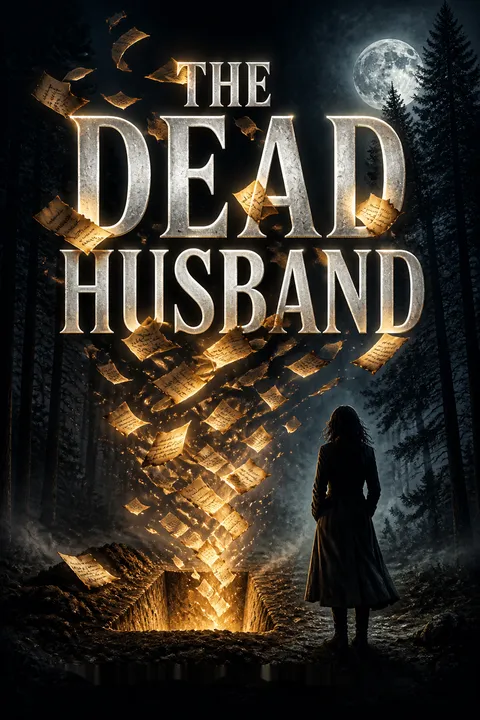
Carter Wilson's The Dead Husband is a psychological thriller that uses the conventions of crime fiction to explore the corrosive effects of family secrets, generational trauma, and the desperate search for redemption. At its core, the novel is about the impossibility of burying the past—how secrets fester, guilt metastasizes, and violence begets violence. The Yates family is both a microcosm of privilege and a cautionary tale about the dangers of emotional repression and the prioritization of reputation over truth. Through Rose's journey, the novel interrogates the limits of confession, the blurred boundaries between fiction and reality, and the possibility of breaking free from inherited darkness. The detective's parallel story underscores the universality of grief and the longing for justice, while the ambiguous ending resists easy answers, suggesting that healing is a process, not a destination. Ultimately, The Dead Husband is a meditation on the cost of silence, the courage required to confront the truth, and the enduring hope that, even in the aftermath of tragedy, we can choose to live for ourselves and those we love.
Review Summary
The Dead Husband receives mixed reviews, averaging 3.67 stars. Readers consistently praise Carter Wilson's smooth, tight prose and atmospheric setting in Bury, New Hampshire. Many found the story engaging but predictable, with several guessing major plot twists early on. Common criticisms include pacing issues, an overly long narrative, and unsatisfying resolution. Recurring concerns mention animal cruelty and heavy themes of suicide. Positive reviews highlight the compelling family dysfunction, strong character development, and an unexpected ending. Most readers, regardless of rating, express interest in reading more of Wilson's work.
People Also Read

Characters
Rose Yates
Rose is the emotional core of the novel—a woman shaped by trauma, guilt, and the desperate need for redemption. As a child, she was the overlooked, sensitive daughter in a family that prized strength and dominance. The defining event of her life is her complicity in the cover-up of Caleb Benner's death, a secret that has poisoned every relationship and decision since. Rose's marriage to Riley is a failed attempt at escape, ending in betrayal and suspicion. Her love for her son Max is fierce and protective, but she fears passing on the family's darkness. As a writer, Rose uses fiction to process her pain, but her books become confessions that threaten to expose her. Her journey is one of confronting the past, accepting responsibility, and ultimately choosing to protect her child at any cost—even if it means running from justice.
Logan Yates
Logan is the embodiment of cold, calculating power. As the head of the Yates family, he values control, secrecy, and the preservation of the family name above all else. His love is conditional, expressed through dominance and manipulation rather than affection. Logan's response to crisis is always to close ranks, cover up, and fight any threat with ruthless efficiency. He is both a protector and a destroyer, shaping his daughters in his own image while failing to provide true support or love. His complicity in the family's crimes is both active and passive, and his legacy is one of emotional damage and moral ambiguity.
Cora Yates
Cora is Rose's older sister and the novel's most chilling figure. Outwardly perfect, she is inwardly hollow, driven by jealousy, cruelty, and a capacity for violence that borders on the psychopathic. Cora's murder of Caleb Benner is the original sin that binds the family in guilt and secrecy. Her lack of remorse, manipulation of others, and possible involvement in other crimes make her a true monster, but she is also a product of the family's dysfunction. Her relationship with Rose is a toxic mix of rivalry, dependence, and hatred. Cora's ultimate fate is both a tragedy and a necessity, the only way for Rose to break free.
Max Yates
Max is Rose's son, a bright and emotionally complex boy struggling to process the loss of his father and the upheaval of moving to Bury. He is deeply affected by his mother's pain and the family's dysfunction, exhibiting signs of detachment, anxiety, and possibly inherited darkness. Max's relationship with Rose is the most genuine in the novel, marked by love, fear, and the desperate hope for a better future. His own confession at the end of the story adds a new layer of complexity, raising questions about the cycle of trauma and the possibility of breaking free.
Detective Colin Pearson
Colin is the outsider whose investigation drives the plot forward. He is methodical, empathetic, and haunted by his own family's decline and the recent loss of his wife and unborn child. Colin's pursuit of the truth is both professional and personal, as he sees in the Yates family a reflection of his own struggles with grief, guilt, and the desire for justice. His obsession with the case is a way to process his own pain, and his ultimate decision to show compassion to Rose is a testament to his humanity.
Riley McKay
Riley is Rose's late husband, whose death by overdose is the catalyst for the novel's events. He is a man of ambition and charm, but also weakness and bitterness. His failures, infidelity, and descent into anger mirror the dysfunction of the Yates family. Riley's relationship with Rose is passionate but ultimately destructive, and his death is both a tragedy and a release for Rose and Max.
Willow
Willow is Cora's daughter, a sullen and enigmatic teenager who reflects her mother's coldness and possible sociopathy. Her fascination with violence and her manipulation of Max suggest that the family's legacy of trauma is being passed to a new generation. Willow's presence is a constant reminder of the dangers of unaddressed pain and secrecy.
Alec Wallin
Alec is Rose's neighbor and potential love interest, a kind and grounded man who offers Rose a glimpse of a different life. His own struggles with divorce and fatherhood make him empathetic to Rose's pain. Alec represents the possibility of healing and connection, but also the difficulty of escaping the gravitational pull of the past.
Jackie Pearson
Colin's mother, Jackie, is a portrait of decline—hoarding, drinking, and succumbing to dementia after the death of her husband. Her relationship with Colin is a mirror of the Yates family's dysfunction, and her fate serves as a warning about the dangers of unresolved trauma and the failure to break destructive cycles.
Tasha Collins
Tasha is a former classmate of Rose and Cora, now a neighbor and source of gossip and suspicion. Her antagonism and the death of her dog at Cora's hands make her both a victim and a catalyst for the story's escalation. Tasha represents the community's role in perpetuating secrets and the collateral damage of the Yates family's actions.
Plot Devices
Dual Timelines and Unreliable Memory
The novel employs a dual timeline structure, alternating between the present-day unraveling of the Yates family and the traumatic events of the past. Rose's memories are fragmented and unreliable, mirroring the way trauma distorts perception and truth. The gradual revelation of what happened to Caleb Benner is achieved through flashbacks, nightmares, and confessions, building suspense and deepening the psychological complexity. The use of a writer protagonist allows for metafictional commentary on the relationship between fiction and reality, confession and concealment.
Confessional Narrative and Metafiction
Rose's role as a novelist is central to the plot, as her books become both a means of processing trauma and a vehicle for confession. The boundaries between fiction and reality blur, with scenes from her novels mirroring real events and raising questions about guilt, responsibility, and the power of storytelling. The detective's reading of Rose's books becomes a form of investigation, and the community's response to her writing accelerates the family's crisis.
Generational Trauma and Cycles of Violence
The novel explores the ways in which trauma and violence are passed down through generations. The Yates family's legacy is one of secrecy, emotional repression, and the prioritization of family above morality. Each character is shaped by the sins of the past, and the struggle to break free from these patterns is the central conflict. The story raises questions about nature versus nurture, the possibility of redemption, and the cost of silence.
Detective as Mirror and Catalyst
Detective Pearson's investigation is both external and internal. His pursuit of the Yates family's secrets mirrors his own struggles with grief, loss, and the desire for justice. The detective's presence forces the family to confront what they have tried to bury, and his ultimate act of compassion is a recognition of the complexity of guilt and the limits of the law.
Climactic Confrontation and Moral Ambiguity
The novel builds to a climactic confrontation in the Yates family study, where years of resentment, guilt, and fear erupt into violence. The resolution is morally ambiguous: Rose kills Cora in self-defense, but the act is both a liberation and a new source of trauma. The aftermath is unresolved, with Rose fleeing into an uncertain future, justice unfulfilled, and the cycle of trauma both broken and continued.


Download PDF
Download EPUB
.epub digital book format is ideal for reading ebooks on phones, tablets, and e-readers.








































