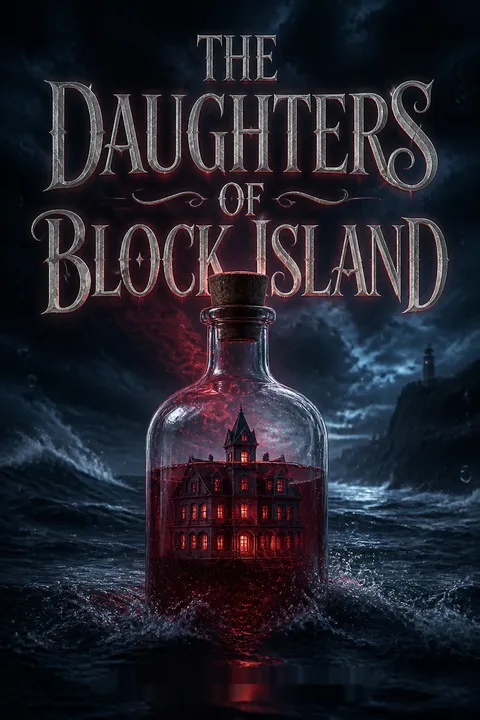

Plot Summary
1. The Letter from Block Island
Thalia Mills, a Boston lawyer estranged from her mother and her Block Island past, receives a cryptic letter postmarked from Block Island. The letter, written by a woman named Blake Bronson, claims to be her sister and includes a birth certificate listing Thalia's mother, Maureen, as Blake's mother too. The shock is compounded when Thalia discovers that Blake was found dead on Block Island just days after sending the letter. The revelation of a secret sibling and the circumstances of Blake's death force Thalia to confront the ghosts of her childhood and the secrets her mother has kept. The letter is both a plea for connection and a catalyst for Thalia's journey back to the island she swore never to revisit.
2. Blake's Arrival at White Hall
Blake Bronson, newly sober and desperate for answers about her birth mother, arrives at the imposing White Hall mansion on a rain-soaked Block Island. The mansion, run by the enigmatic Searles sisters, Aileen and Fiona, is both a bed-and-breakfast and a vineyard. Blake is immediately struck by the mansion's gothic atmosphere, its labyrinthine halls, and the sense that she has stepped into the pages of a classic horror novel. Her first night is haunted by strange noises and the apparition of a veiled woman, setting the tone for her stay. The isolation, the ever-present rain, and the mansion's secrets threaten her fragile sobriety and sense of self.
3. Ghosts and Mulberry Wine
Blake's struggle with addiction is mirrored by the temptations and ghosts of White Hall. Offered a bottle of mulberry wine as a welcome gift, she resists but feels the weight of her past pressing in. The mansion's history is steeped in tragedy, with tales of Mary Hopkins Searles, the "Mulberry Maiden," whose ghost is said to haunt the halls, weeping tears of arsenic. Blake's nights are restless, filled with dreams of drowning and the sense that the house itself is alive, watching her. The boundaries between reality and hallucination blur as she tries to piece together her mother's story and her own place in it.
4. The Secret Sister Revealed
Blake's investigation leads her to Maureen, her birth mother, who works as a waitress on the island. Their encounter is fraught with tension and denial; Maureen refuses to acknowledge Blake as her daughter, insisting she has only one child—Thalia. The pain of rejection is compounded by the discovery that Thalia, the sister she never knew, has lived a parallel life, equally shaped by Maureen's secrets and emotional distance. Blake's sense of abandonment deepens, and she becomes obsessed with uncovering the reasons behind Maureen's choices, even as the island's insular community closes ranks around its mysteries.
5. Maureen's Silence
Maureen's refusal to speak about Blake or the circumstances of her birth is rooted in trauma and fear. Through conversations with islanders and her own memories, Blake learns that Maureen has always been guarded, her love expressed through control and withdrawal. The silence is not just about shame but about survival—Maureen's past is entangled with powerful men and old wounds that have never healed. The weight of unspoken pain has shaped both her daughters, leaving them to navigate the world with a sense of loss and longing for connection.
6. The Mansion's Gothic Web
The mansion itself becomes a character, its architecture and history mirroring the psychological labyrinths of its inhabitants. Blake is drawn into the legends of the Mulberry Maiden and the tragic fates of women who have lived—and died—within its walls. The Searles sisters, Aileen and Fiona, are both caretakers and gatekeepers, their own relationship marked by rivalry and unspoken grievances. The ever-present rain, the shifting corridors, and the sense of being watched create an atmosphere of claustrophobia and dread. Blake's sense of reality is further destabilized by the discovery of hidden rooms and the possibility that the supernatural is not just a metaphor.
7. The Mulberry Maiden Legend
The legend of Mary Hopkins Searles, the original "Mulberry Maiden," becomes central to the unfolding mystery. Mary's tragic death—whether by suicide or murder—haunts the mansion and serves as a warning to the women who follow. The story of love, betrayal, and poison is echoed in the present, as Blake uncovers parallels between Mary's fate and her own. The mansion's wine, made from mulberries, is both a symbol of hospitality and a potential instrument of harm. The past bleeds into the present, and the line between victim and survivor becomes increasingly blurred.
8. Descent into Addiction and Guilt
Blake's fragile recovery is threatened by the emotional turmoil of her search for identity and belonging. The constant presence of alcohol, the stress of confronting her mother, and the isolation of the island push her to the brink. She is haunted not only by the ghosts of White Hall but by her own guilt over a recent DUI accident that left a man and his son injured. The pressure mounts as she feels herself slipping, the mansion's oppressive atmosphere amplifying her sense of helplessness. Her struggle becomes a battle not just for answers, but for her own survival.
9. The Replica and the Trapdoor
Blake discovers a replica of White Hall on the property, a decaying miniature mansion that serves as a bathhouse and storage space. Inside, she finds a trapdoor leading to a network of tunnels beneath the estate. The discovery is both literal and symbolic—a descent into the buried secrets of the family and the island. The tunnels connect the past and present, offering both escape and entrapment. As Blake explores, she uncovers evidence of past crimes and the mechanisms by which the powerful have maintained control and silence.
10. Tunnels Beneath the Mansion
The labyrinthine tunnels beneath White Hall are a physical manifestation of the psychological and generational trauma that haunts the characters. Blake's exploration leads her to hidden safes, old journals, and the remains of women who disappeared long ago. The tunnels are a place of both revelation and danger, where the boundaries between victim and perpetrator are blurred. The discovery of these hidden spaces forces Blake—and later Thalia—to confront the reality that the mansion's history is one of violence, exploitation, and cover-up.
11. The Murder and Its Aftermath
Blake is found dead in a bathtub at White Hall, her wrists slashed. The initial assumption is suicide, but evidence soon points to murder. Fiona Searles is arrested, accused of killing Blake in a jealous rage over a suspected affair with Martin Dempsey, the island's powerful selectman. The community is thrown into turmoil, and the true nature of the relationships between the Searles sisters, Martin, and the Dempsey family comes under scrutiny. The murder exposes the rot at the heart of Block Island's genteel facade and sets the stage for Thalia's return.
12. Thalia's Return and Investigation
Haunted by Blake's letter and the unanswered questions surrounding her death, Thalia returns to Block Island. She is determined to uncover the truth, both for her sister and for herself. Thalia's investigation leads her through the same gothic maze that ensnared Blake—encounters with the Searles sisters, confrontations with her mother, and the unraveling of the Dempsey family's influence. As she delves deeper, Thalia must navigate the island's culture of silence, the legacy of trauma, and her own complicated feelings about family and forgiveness.
13. The Truth in the Tunnels
Thalia's search leads her into the tunnels beneath White Hall, where she discovers evidence that exonerates Fiona and implicates Martin Dempsey in a web of crimes spanning generations. The journals and hidden safes reveal the true story of the Mulberry Maiden, the abuse suffered by women at the hands of the Dempsey men, and the lengths to which the powerful will go to protect their own. Thalia uncovers the connection between her mother's trauma, Blake's conception, and the cycle of violence that has haunted the island. The truth is both liberating and devastating.
14. The Dempsey Curse
The Dempsey family's legacy is one of entitlement, manipulation, and abuse. Martin, like his ancestors, has used his power to control and destroy the women around him. The tunnels, the safes, and the hidden journals are all tools in his arsenal of secrecy. Thalia realizes that the only way to break the curse is to bring the truth into the open, even if it means risking her own safety. The confrontation with Martin is both a personal reckoning and a symbolic end to the reign of the Dempseys over Block Island.
15. The Final Confrontation
In a climactic showdown on the cliffs above the raging ocean, Thalia and Maureen face Martin Dempsey. The storm mirrors the chaos and violence of the moment as Martin attempts to kill them to protect his secrets. With the help of allies—Sarah, Aileen, and the wounded groundskeeper—the women fight back. Martin is shot and falls to his death, ending the Dempsey dynasty's hold over White Hall. The survivors are left to pick up the pieces, mourn their losses, and begin the slow process of healing.
16. Epilogue: New Beginnings
Months later, Thalia and Maureen visit Blake's grave, reflecting on the journey that brought them together and the cost of uncovering the truth. White Hall has been transformed into a sanctuary for survivors of domestic violence, a place of refuge rather than terror. The Searles sisters have reconciled, and the island begins to heal from the wounds of its past. Thalia, having found both justice for her sister and a measure of peace with her mother, looks toward the future with hope. The story ends not with the erasure of trauma, but with the promise of new beginnings and the enduring power of sisterhood.
Analysis
The Daughters of Block Island is a masterful reimagining of the gothic tradition for the twenty-first century, blending psychological horror, family drama, and social critique. At its core, the novel is about the corrosive effects of secrecy and the generational transmission of trauma—how the sins and silences of the past shape the lives of those who come after. Through its self-aware structure and rich symbolism, the book interrogates the ways in which women are both haunted and empowered by history. The mansion, with its hidden tunnels and restless ghosts, is a metaphor for the mind under siege by trauma, addiction, and denial. The novel's ultimate message is one of hope: that by confronting the darkness, breaking the silence, and forging new bonds of sisterhood and solidarity, it is possible to escape the cycles of violence and begin anew. In a modern context, the story resonates as a meditation on the importance of truth-telling, the dangers of unchecked power, and the resilience of those who refuse to be defined by their suffering.
Review Summary
The Daughters of Block Island receives praise for its atmospheric gothic setting and homage to classics like Rebecca and Jane Eyre. Readers appreciate the moody Block Island location, crumbling mansion White Hall, and dual perspective following sisters Blake and Thalia investigating family secrets and murder. Many enjoy the meta-gothic approach, though some find the self-aware references excessive. Common criticisms include slow pacing, predictable villains, and characters making illogical decisions despite being lawyers. The third-person present tense narration divides readers. Overall, fans of gothic mysteries appreciate the dark atmosphere and twists, while others find it fails to deliver genuine gothic horror.
Characters
Thalia Mills
Thalia is the novel's central protagonist, a Boston attorney whose life is upended by the revelation of a secret sister and the trauma of her family's past. Raised by the emotionally distant Maureen, Thalia has always felt the absence of connection and the weight of unspoken pain. Her return to Block Island is both a quest for justice for Blake and a journey toward self-understanding. Thalia is analytical, determined, and courageous, but also vulnerable—her drive to uncover the truth is fueled by a longing for belonging and closure. Over the course of the novel, she transforms from a woman defined by her mother's silence to one who claims her own narrative, forging new bonds and breaking the cycle of secrecy.
Blake Bronson
Blake is Thalia's younger half-sister, given up for adoption at birth and raised in foster care. Her life has been marked by abandonment, addiction, and a desperate search for identity. Blake's arrival on Block Island is an act of hope and defiance—she wants answers from Maureen and a connection to the family she never knew. Her struggle with sobriety is a constant battle, and the mansion's gothic horrors mirror her internal demons. Blake is sensitive, imaginative, and resilient, but also deeply wounded. Her tragic death is the catalyst for the novel's central mystery and the force that ultimately brings Thalia and Maureen together.
Maureen Mills
Maureen is the enigmatic matriarch whose choices shape the destinies of both her daughters. Her life has been defined by trauma—sexual assault, manipulation by powerful men, and the burden of single motherhood. Maureen's love is expressed through control and withdrawal, her silence a shield against further harm. She is both victim and survivor, her actions driven by a desire to protect Thalia at all costs, even if it means sacrificing Blake. Maureen's journey is one of painful reckoning, as she is forced to confront the consequences of her choices and the legacy of violence that haunts her family.
Aileen Searles
Aileen is one of the Searles sisters who run White Hall. She is warm, nurturing, and eager to please, but also easily manipulated by those around her—especially Martin Dempsey. Aileen's desire for love and validation makes her vulnerable to exploitation, and her complicity in the mansion's secrets is both conscious and unconscious. She is haunted by the legends of her ancestors and the weight of responsibility for the women who have suffered within White Hall's walls. Aileen's arc is one of awakening, as she moves from passive caretaker to active participant in the fight against the Dempsey curse.
Fiona Searles
Fiona is Aileen's sister and the more practical, business-minded half of the Searles duo. She is initially arrested for Blake's murder, a victim of both circumstance and the manipulations of Martin Dempsey. Fiona's relationship with Martin is complex—marked by love, rivalry, and betrayal. Her imprisonment is a symbol of the ways in which women are scapegoated and silenced, but her eventual exoneration is a testament to the power of truth and solidarity among women.
Martin Dempsey
Martin is the island's selectman and the scion of the powerful Dempsey family. Outwardly charming and respected, he is in reality a sociopath who perpetuates the cycle of abuse and secrecy that has defined his lineage. Martin manipulates the women around him—Aileen, Fiona, Maureen, and Blake—using his influence to cover up crimes and maintain control. His ultimate goal is to possess White Hall and erase the evidence of his family's misdeeds. Martin's downfall is both a personal reckoning and a symbolic end to the patriarchal power that has haunted Block Island for generations.
Monty Daniels (Michael Dempsey)
Monty, the mansion's groundskeeper, is eventually revealed to be Michael Dempsey, Martin's brother and a perpetrator of past violence. His assumed identity allows him to evade justice and continue exerting influence over the women of White Hall. Monty/Michael is a symbol of the ways in which abusers are protected by systems of power and silence. His presence is a constant threat, and his eventual exposure is a crucial step in breaking the cycle of harm.
Sarah Liang
Sarah is Thalia's childhood best friend and emotional anchor. She provides practical support, emotional wisdom, and unwavering loyalty throughout Thalia's investigation. Sarah's own experiences as an outsider on Block Island give her a unique perspective on the island's insularity and the importance of chosen family. She is a model of resilience and compassion, helping Thalia navigate the dangers of White Hall and the complexities of her family's past.
Ethel Gilbert Brown
Ethel is the island's librarian and head of the historical society. She is a repository of the island's secrets, both personal and collective. Ethel's own history is marked by trauma—she was a victim of Michael Dempsey's violence—and her friendship with Maureen is a link between past and present. Ethel's reluctance to speak is both self-protection and a reflection of the dangers of breaking silence in a community ruled by powerful men. Her eventual decision to share her story is a turning point in the unraveling of the Dempsey curse.
Mary Hopkins Searles (The Mulberry Maiden)
Mary is the original "Mulberry Maiden," whose death in the nineteenth century sets the pattern for the suffering of women at White Hall. Her story—of love, betrayal, and murder—echoes through the generations, her ghost a reminder of the unfinished business of justice and the enduring power of female solidarity. Mary's presence is both literal and symbolic, a warning and a call to action for the women who follow.
Plot Devices
Gothic Structure and Metafiction
The Daughters of Block Island is structured as a modern gothic, with all the trappings of the genre—an isolated mansion, perpetual rain, family secrets, and a restless ghost. The narrative is self-aware, with characters explicitly referencing the "rules" of gothic fiction and recognizing their own entrapment within its conventions. This metafictional approach allows the novel to both honor and subvert the genre, using its tropes to explore contemporary issues of trauma, addiction, and female agency. The structure is nonlinear, with shifting perspectives and timelines that mirror the psychological fragmentation of the characters.
Foreshadowing and Symbolism
The novel employs rich symbolism—mulberries and wine as both sustenance and poison, tunnels as both escape and entrapment, the replica mansion as a distorted mirror of reality. Foreshadowing is used to build suspense and hint at the underlying connections between past and present. The legend of the Mulberry Maiden, the presence of hidden safes and journals, and the recurring motif of drowning all serve to deepen the sense of inevitability and doom.
Unreliable Narration and Psychological Horror
The narrative frequently blurs the boundaries between reality and hallucination, especially through Blake's perspective as she struggles with addiction and trauma. The ghosts of White Hall may be supernatural or psychological, and the truth is always just out of reach. This uncertainty heightens the horror and underscores the novel's themes of gaslighting, denial, and the difficulty of discerning reality in a world shaped by secrets and lies.
Generational Trauma and Cyclical Violence
The central plot device is the repetition of violence and secrecy across generations. The sins of the Dempsey men are visited upon the women of White Hall, and the only way to break the cycle is through the courageous act of uncovering and confronting the truth. The tunnels beneath the mansion are both a literal and figurative representation of buried trauma, and the act of bringing their contents to light is both dangerous and necessary.
Epistolary Elements and Found Documents
The use of letters, birth certificates, journals, and other found documents is crucial to the unraveling of the mystery. These artifacts serve as both evidence and narrative devices, allowing the characters—and the reader—to piece together the fragmented history of the family and the island. The act of reading and interpreting these documents becomes a metaphor for the process of healing and reclaiming agency.
Download PDF
Download EPUB
.epub digital book format is ideal for reading ebooks on phones, tablets, and e-readers.








































