
Plot Summary
Ship, Sea, and Men
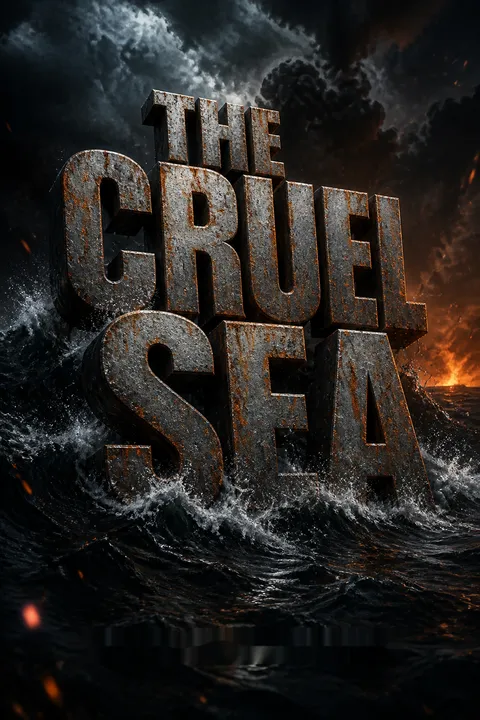
The Atlantic War is introduced as a struggle not of heroes and villains, but of men thrust together aboard the corvette Compass Rose, charged with protecting convoys. The ship's captain, Ericson, is professional yet doubtful of his own efficacy, the sea both setting and ever-present adversary. The war brings together disparate men unaccustomed to each other, each shaped and tested by the cruel environment. Both the violence of the ocean and the unpredictability of war are omnipresent, quickly reducing romantic ideals to the exhausting reality of daily duty and fear. From shipbuilders to lovers left behind, the narrative sets the scope: the true heroes are the ships and the only villain is the cruel sea itself.
New Crew, New Challenges
Compass Rose's officers are introduced: Ericson, the seasoned captain; Bennett, the brash First Lieutenant; Lockhart and Ferraby, 'hostilities-only' young officers who have much to learn. Their inexperience and awkwardness clash with hardened regulars like petty officers Tallow and Watts. From nervous salutes to the endless checking of stores and routines, early days are filled with missteps and the real struggle of forging a fighting ship from an awkward collection of men. The ship's cramped, indifferent mess decks and rough lower-deck humour are sketched. There's little romanticism in the actual business of war at sea—it is training, confusion, and anxiety mixed with occasional camaraderie.
Cold Atlantic Baptism
Compass Rose begins her working life on Christmas, to recover the cost of her construction and training in the cruelest way—enduring the freezing, battering misery of the North Atlantic. If optimism unites the men early on, that unity is immediately tested by cold, exhaustion, and constant motion on rough sea. The crew discovers the grim challenges of watchkeeping, seasickness, and the terror of not yet knowing if they can truly survive what's coming. The harshness of war is not in fighting, but in monotonous, relentless suffering, broken by moments of beauty or pride. Men become defined by how they respond to hardship rather than heroics.
Compass Rose Comes Alive
The ship and crew transform under stress. Drills and real asdic exercises weld disparate men into a crew. The relentless Admiral at Ardnacraish exemplifies the pitiless expectations: mistakes are punished not by enemies but by the sea and routine itself. The officers' personalities—Bennett's bluster, Lockhart's competence, Ferraby's diffidence—shape unity and friction. As shakedown ends, the ship 'comes alive'. The men, grudgingly, concede pride in their hard-living, fighting corvette and themselves. Underneath, deep insecurities remain, especially for the young and uncertain.
Earning the War's Lessons
Compass Rose quickly graduates from training to combat. Their first convoys are physically punishing but free of enemy—yet the sea is foe enough, nearly breaking ship and spirit alike. As the U-boat threat grows, their apprenticeship morphs into horror: watching ships torpedoed, men dying in burning oil, the battered picking-up of survivors, and the inevitable funerals at sea. Loss is constant, and lessons about leadership, courage, and duty are paid for in blood and guilt. Survival becomes both a personal and collective test.
War Grows Cruel
U-boats begin to hunt in coordinated packs. The Atlantic turns into both graveyard and proving ground for both amateur and professional sailors. Compass Rose's crew, by now stripped of illusions, endure long nights of fear, action stations, and the trauma of fishing men—friends or strangers—out of black water. Heroism is found in endurance, not victory. Promotion and casualties both come quickly. Small victories are rare, and the ship is battered more by weather, fatigue, and relentless loss than by visible enemy fire.
Faces of Fear and Duty
The psychological toll mounts as repeated brushes with death and debilitation lead some to break, while others grow hard. Characters like Ferraby are tormented by their own inadequacy and fear of being found wanting. The officers must now perform not only their naval duties but also acts of triage on morale, compassion, and discipline. The line between courage and survival blurs. Heroism is often stained with shame, horror, and regret for choices made under unbearably limited options.
Storms Within and Without
A bitter storm nearly wrecks Compass Rose; by the time the weather clears, the men are beyond exhaustion and many are spiritually spent. Following this, compass Rose sees ever-worse horror—ships exploding, men burnt alive or drowned en masse. Enemy attack and natural disaster become indistinguishable as sources of random death. Ericson and Lockhart, bearing the burden of command, are hardened by necessity and haunted by what they must order others to do. Survival is never guaranteed, and grief becomes a part of the ship's fabric.
The Test of Command
As old officers fall or fail, new ones like Lockhart and Morell must take up command—ready or not. Bennett is replaced, and a more functional wardroom emerges, but the weight of responsibility is no lighter. Lockhart's promotion is both a triumph and a new ordeal, demanding more from him as each voyage adds to the cumulative toll of fatigue, fear, and guilt. The ship's routine continues, broken often by the horror of war, but unity, insight, and professionalism are slowly, agonizingly forged in leadership.
Cost of Survival
The endless cycle of convoy duty and loss is broken only by rare leave—a short, haunted respite. Moments of love, lust, or domesticity seem trivial in the face of returning to war. Personal relationships are strained, sometimes broken. Ericson's stoicism at home is revealed as distancing himself from domestic ties he fears will distract him, while for others, especially Ferraby and Morell, leave exposes raw wounds that will not heal. Survival now seems less like victory and more like the slow erosion of hope, the cost measured in isolation and relentless loss.
Love, Loss, and War
As the years drag on, personal relationships and the war become inseparable. Lockhart falls in love with Julie Hallam, whose intelligence and beauty offer fleeting hope and a reason to endure. Their relationship is a chance for redemption, human connection, and brief escape from the war's dehumanizing grind. But not all relationships last: Morell's marriage fails tragically, and the prospect of return or happiness for most seems increasingly remote, haunted by guilt, fear, and memory.
Changing Tides
By 1943, technical and tactical developments, as well as mass-production of escorts, begin to shift the balance at sea. The crew, now part of a much bigger machine, find their work less personal and more mechanical, but efficiency and professionalism bring real hope. The U-boats, once hunters, become hunted. Yet, even as spirits rise, the cost—emptied humanity, lost friends, and the deep wounds of years of attrition—remains incalculable. Progress is welcome, but for many, too late.
Into the Fire Again
Promoted and transferred, Ericson and Lockhart (now senior officers) commission the frigate Saltash, learning to master a much larger, more complex ship with a diverse and war-hardened crew. The battle no longer feels like a small family affair, but sprawling and professional. Training is intense and impersonal, but the enemy remains the same, the sea as deadly, and the lessons of Compass Rose—discipline, vigilance, and sacrifice—endure.
Victory and Aftermath
As the U-boat threat ebbs and the Allies land in Europe, the rhythm of convoy work changes. There is less fear but also less camaraderie, less sense of shared fate—war is being industrialized in every way. Ericson finds command lonelier, even as Saltash's group dispatches the last resisting U-boats. After years condemned to a single, meaningful battle, the survivors find themselves afloat in victory's anticlimax, haunted by memories of the lost, their own endurance having become the sole prize worth celebrating.
Too Many Lost
Even as victory dawns, the cost is everywhere: Julie, Lockhart's beloved, drowns in a meaningless peacetime accident, underlining the cruel randomness of fate in both love and war. The loss is as profound as any met at sea. Old friends' names are recalled in quiet grief by those few who survived the whole war at sea. Some wounds never heal. Victory is not unalloyed; it asks for reflection and carries a hard, expensive wisdom.
The Last Convoy
As hostilities end, Saltash, acting as guardian and master of ceremonies, escorts surrendered U-boats home—a last surreal reversal. A depth charge dropped in demonstration replaces years of terror. The old dread remains, but is now almost ceremonial; the enemy is broken. The ocean that killed so many is, at last, quiet. The survivors, haunted by memory, realize their prize is not medals or pride but their own endurance and the ghosts they carry.
The Prize of Endurance
The final moments find Lockhart and Ericson alone on the bridge, reflecting on what was spent and what was won. So many are missing, so much has changed, and their only prize is survival and the memory of camaraderie and loss. As the war's meaning ebbs, deeper truths endure: the measure of character is in enduring the worst and still valuing human connection. For these men, and those like them, the war's cruelty has demanded everything—and left just enough for hope.
Analysis
"The Cruel Sea" is a masterclass in unsentimental remembrance of war—a meditation on endurance, loss, and the destruction and forging of character in communal adversity. Monsarrat eschews the myths of wartime heroics: while moments of courage occur, they are muted by exhaustion, guilt, tragedy, and the randomness of fate. The sea is the real antagonist, its violence demanding more from men than any ideology or enemy, reducing grand plans to survival and small acts of loyalty or kindness. The novel's structure and style reinforce its lessons, repeating the cycles of duty, attack, and loss to show that growth and hardening only come through attrition. Love offers hope but is fragile and often ill-fated; death is random, never glamorous. Even in victory, the survivors feel only relief and emptiness—the prize is having endured, and retaining any sense of human connection. In modern terms, the book stands as both testimony and warning: wars—military, personal, or existential—are rarely about grand victories, but about outlasting the worst and struggling to remain decent. "The Cruel Sea" is less a story about defeating the enemy than a transformation of those who must face the sea's and the world's indifference, finding meaning only in each other.
Review Summary
The Cruel Sea is widely regarded as an exceptional WWII naval novel, earning an overall rating of 4.23/5. Most reviewers praise its authenticity, compelling characters, and vivid portrayal of Atlantic convoy duty. Highlights include the mentor-mentee relationship between Captain Ericson and Lieutenant Lockhart, and the unflinching depiction of war's psychological toll. Some critics note dated writing, uneven characterization, and nationalistic bias. The omniscient narrative style effectively balances emotional detachment with genuine intimacy, making the human cost of war deeply felt.
Characters
Commander George Ericson
Ericson is the beating, credible heart of his ship and crew, a man of skill, humanity, and doubt. Haunted by memories of earlier conflicts and insecurity about his place among younger, less experienced men, he is stoic and reserved to his family, devoted to his duty yet gripped by the fear of failing those under his command. War makes him harder, more commanding, and, in the end, more isolated, as decisions grow cruel and compassion must often be set aside for efficiency. He shapes his officers through example and, eventually, shares real emotional intimacy with Lockhart, understanding that survival—his and his ship's—costs more than most medals or rewards. He rarely reveals his inner turmoil, but in moments of exhaustion and drunken confession, the wounds show.
Lieutenant-Commander Keith Lockhart
Initially an uncertain, ironic civilian, Lockhart grows into a leader whose authority is hard-won through ordeal. Quick-thinking and capable, psychologically complex, he bears the cumulative scars of combat, survivor's guilt, and personal loss. He develops from feeling like an outsider—to the Navy and to life itself—into a reliable officer, trusted friend, and, briefly, lover. His romance with Julie Hallam offers hope; her accidental death serves as the war's final, intimate cruelty. He survives, but not unchanged: endurance is his sole prize, along with the memory of the many lost.
Sub-Lieutenant Gordon Ferraby
Ferraby is Lockhart's opposite: shy, deeply in love with his wife, and never quite able to conquer his own fears or measure up to the demands of war. His psychological ordeal grows unbearable, especially after repeated trauma, culminating in near mental collapse. Dependent on others' opinions, he is often victimized and bullied (notably by Bennett), yet also capable of empathy and tenderness. Ferraby's fate is that of many 'everyman' sailors: not heroic, not doomed, but marked forever by survival and loss, his soul battered but not broken.
Lieutenant James Bennett
Bennett, the Australian, stands as a foil to the more thoughtful officers. He covers inexperience and weakness with bombast and cruelty, especially toward juniors. His leadership is based on fear; he is eventually unfit for command and removed. Later, he is mythologized in his own country for fictitious deeds, highlighting the gulf between real and imagined war. He personifies the danger of authority without compassion, and the ease with which systems can reward the undeserving.
Petty Officer Bob Tallow
Tallow bridges the worlds of officers and enlisted men. Practical, shrewd, more a parent than a martinet, he helps keep the ship running quietly and efficiently despite poor leadership. His death during the sinking of Compass Rose—helping others to survive before himself—provides one of the book's most understated heroics, emblematic of unrecorded acts of wartime self-sacrifice.
Leading-Seaman Phillips
The unofficial NCO backbone of the ship, Phillips commands respect on the messdeck and in action. Tough and unsentimental, he maintains discipline, leads by action, and upholds the standards that keep the men together even in disaster.
Chief E.R.A. Watts
Watts embodies the class of naval career men—proud but not romantic about their lot. He is the lifeblood of the engine-room, invaluable in crises, and has a gentle, if repressed, longing for later-life happiness (his would-be romance with Gladys comes to nothing when she is killed in an air raid). He represents the war's power to quietly erase ordinary dreams.
Sub-Lieutenant Morell
Trained as a barrister, Morell is a man of intellect and irony whose self-confidence masks deeper insecurities, especially about love. His disastrous marriage to Elaine reveals the peacetime wounds of wartime absence, longing, and betrayal. His death in the wreck of Compass Rose is an understated loss, another among too many.
Julie Hallam
Second Officer (W.R.N.S.), Julie is both Lockhart's romantic ideal and a credible, modern woman—intelligent, beautiful, and self-aware. She humanizes aspects of the war, offering hope, sensuality, and renewal to Lockhart. Her accidental drowning near war's end is all the more cruel for happening outside the conflict—reinforcing the narrative's thesis that the sea and fate are the only true villains.
Signalman Woods & Supporting Crew
Woods, and countless other unnamed or briefly sketched sailors, represent the mass of men whose views, as revealed in discussion of "war aims", are more shaped by the imperatives of fear, fatigue, and survival than by grand ideals. Their endurance is quiet, their loss rarely mourned individually, but their presence shapes both the routine and the meaning of the struggle.
Plot Devices
Multiple Narrative Perspectives
Monsarrat constructs the story using overlapping viewpoints—junior and senior officers, regular ratings, and even families ashore—blending personal, technical, and historical vantage points. This offers psychological depth and underscores how collectively the war is endured, even as individuals experience it very differently.
Realism and Anti-heroism
The novel repeatedly deconstructs heroic or sentimental expectations, showing that war at sea is mostly about suffering, monotony, and endurance. Heroism is accidental or overshadowed by attrition and loss; 'villains' are not the enemy but the elements, fate, and the demands of command.
Routine and Repetition
The endless round of convoy duty, drills, storms, attacks, and rescue is both narrative device and thematic core: as routines are repeated, small changes in attitude, skill, and fatigue accumulate until disaster or maturity breaks the cycle.
Character Evolution through Accumulation
No one is transformed in a single epiphany; instead, the men are altered day by day, by the layers of hardship, fear, and loss. Psychological states show in banter, error, and small details, more than in grand speeches.
Symbolism of the Sea and the Ship
The Atlantic is not just a location or enemy, but a living, cruel force shaping every character. The ship is both a lover (for Ericson) and a coffin (for so many); its loss is a profound wound, framing the emotional arc.
Romantic subplots as counterpoint
Love and sex exist in parallel with duty and death. These relationships do not negate the war—often they are casualties or sources of pain themselves—but they illuminate the enduring need for connection.
Anticlimax and Irony
There is no sudden moment of triumph; victory is anticlimactic, haunted by loss. Surviving is less a reward than a proof of having outlasted misfortune, and even victory cannot bring back the war's lost promise.
Dialogue and Messdeck Talk
The recurring use of lower-deck talk, dark humour, and argument gives the novel texture and democratic perspective, reinforcing that the war's meaning is debated, doubted, or ignored at all levels.
Download PDF
Download EPUB
.epub digital book format is ideal for reading ebooks on phones, tablets, and e-readers.








































