
Plot Summary
No Heart, No Home
Zelda Rossi, a young graphic novelist, faces rejection after rejection in New York City. Her work, "Mother, May I?", is praised for its art but criticized for lacking heart. Homeless, robbed, and nearly out of money, Zelda's sense of failure is compounded by the trauma of her sister's abduction years ago—a wound that shapes her art and her life. Alone in a city that feels cold and indifferent, Zelda's grief and guilt isolate her, making her believe she has no heart left to give. The city's harshness mirrors her internal emptiness, and she is on the verge of giving up, her dreams and hope slipping away with every setback.
Strangers in the Storm
Seeking solace, Zelda stumbles into a small Italian bistro, where a panic attack drives her into the alley. There, she meets Beckett Copeland, a busboy and bike messenger with his own haunted past. Their banter is sharp, but beneath it lies a mutual recognition of pain and resilience. Beckett's kindness—walking Zelda to her hostel, ensuring her safety—plants the first seeds of trust. Both are lost in their own ways, but their brief encounter in the stormy night hints at the possibility of something more: a connection forged in vulnerability and need.
Broken Things, Shared Shelter
Zelda's situation worsens: her art supplies are stolen, her Vegas roommates have rented out her room, and she is truly stranded. Remembering Beckett's struggle to make rent, she proposes an unlikely solution—becoming his roommate in his tiny Brooklyn studio. Beckett, wary due to his criminal record and the scars of his past, initially resists. But their shared desperation and the recognition of each other's decency break down barriers. They agree to live together, setting the stage for a partnership built on necessity, honesty, and the hope of mutual salvation.
Letters to Mrs. J
Beckett's nights are spent writing letters to Mrs. J, the widow of the man who died during the robbery that sent him to prison. He never asks for forgiveness, only confesses his sorrow and the weight of his guilt. These letters are his attempt to process the past, to find meaning in his pain, and to atone for a crime that was never truly intended. The act of writing becomes a lifeline, a way to keep his humanity alive, even as he doubts he deserves happiness or love.
Guilt and Graphic Novels
Zelda's graphic novel is more than a story—it is her way of apologizing to her lost sister, of channeling her rage and regret into something tangible. As she and Beckett begin to collaborate, their shared wounds surface. Beckett's insight into her story—questioning the morality of vengeance, the absence of hope—pushes Zelda to confront the true heart of her narrative. Their creative partnership becomes a mirror for their emotional journeys, each helping the other to face the darkness within.
The Butterfly Project Begins
Working together, Zelda and Beckett breathe new life into "Mother, May I?" Beckett's lettering and narrative suggestions introduce a new character, Ryder, who challenges the protagonist's cycle of vengeance. The story evolves from one of relentless retribution to one of moral complexity and the possibility of redemption. As they create, their bond deepens, and the apartment—once a cold, temporary refuge—transforms into a space of warmth, creativity, and tentative hope.
Roommates and Revelations
The boundaries between Zelda and Beckett blur as they share meals, laughter, and late-night confessions. Zelda's panic attacks and Beckett's criminal past are no longer secrets but shared burdens. Their friends, especially Darlene, become part of their found family, offering support and comic relief. The city's hardships persist—Beckett's dangerous job, Zelda's struggle for artistic recognition—but together, they find strength. The air mattress is replaced by shared nights in Beckett's bed, and their partnership becomes both creative and romantic.
Drawing Out the Past
Zelda's journey to visit her family for Christmas, with Beckett's support, forces her to confront the full weight of her sister's loss. The trip is harrowing, triggering panic and grief, but Beckett's presence—his voice, his steadiness—guides her through. In parallel, Beckett's letters to Mrs. J reach a turning point, as he dares to hope for forgiveness and a future with Zelda. Both must learn to forgive themselves, to accept that their pasts do not define their worthiness of love.
Collisions and Connections
A near-fatal accident on Beckett's bike and Darlene's overdose threaten to unravel the fragile stability they've built. Zelda's fear of losing Beckett crystallizes her feelings, and their love becomes undeniable. The crises force them to confront the reality of their lives: the risks, the limitations, and the need to choose each other despite uncertainty. Their connection, once tentative, becomes a lifeline—each is the other's safe harbor in a world that remains unpredictable and often cruel.
The Heart of the Story
As "Mother, May I?" nears completion, Zelda and Beckett are offered a publishing contract—only to have Beckett's criminal record threaten everything. Faced with the choice between her dream and their partnership, Zelda chooses Beckett, refusing to leave him behind. Their story, like their lives, is about finding another way—about choosing compassion over vengeance, hope over despair. The novel's ending, shaped by their journey, becomes a testament to the power of small acts of kindness and the possibility of changing the future.
Forgiveness and Second Chances
Beckett's final meeting with Mrs. J brings the forgiveness he never dared to seek. Her blessing frees him from the chains of guilt, allowing him to fully embrace his love for Zelda and the life they are building. Roy and Mary, Beckett's surrogate parents, offer to adopt him, giving him the family he never had. Zelda, too, finds peace—not in vengeance, but in letting go, in remembering her sister with love rather than pain. Together, they step into a future defined not by their wounds, but by their healing.
The Endings We Choose
Zelda and Beckett's journey is not one of easy answers or perfect resolutions. They continue to face challenges—financial struggles, the scars of trauma, the realities of Beckett's record—but they choose each other, again and again. Their love is a daily act of courage, a refusal to let the past dictate the future. The completion of their graphic novel, and its eventual publication, is both a personal and professional triumph—a symbol of what can be created when two broken people dare to hope.
Together, Against the Cold
In their new apartment, surrounded by friends and family, Zelda and Beckett celebrate the warmth they have found in each other. The city is still cold, the world still uncertain, but together they have created a space of light and love. Their story is not about being saved, but about saving each other—about the small, everyday acts of kindness and courage that make healing possible. The butterfly effect of their choices ripples outward, touching everyone around them.
A New Family, A New Home
Roy and Mary's adoption of Beckett, Mrs. Santino's inclusion in their celebrations, and Zelda's reconciliation with her own family illustrate the novel's central theme: family is not just blood, but the people who choose to love and support you. The holidays, once a source of pain, become a time of joy and connection. The apartment, once a place of survival, is now a true home—a testament to the power of chosen family and the possibility of starting over.
The Power of Yes
Beckett's proposal to Zelda, and her joyful acceptance, is the culmination of their journey. Both have learned to say yes—to each other, to forgiveness, to the messy, beautiful possibility of happiness. Their engagement is not a fairy-tale ending, but a promise to keep choosing each other, to keep building a life together, no matter what comes. The butterfly project, both literal and metaphorical, is complete: small acts of courage and love have changed everything.
Love, Loss, and Light
The story closes with Zelda and Beckett surrounded by friends and family, their lives transformed by the love they dared to believe in. The pain of the past is not erased, but it is no longer the defining force in their lives. Together, they have created something beautiful from brokenness—a home, a family, a work of art, and a future filled with light. The butterfly's wings have fluttered, and the world is forever changed.
Analysis
"The Butterfly Project" is a contemporary romance that transcends its genre by delving deeply into themes of trauma, guilt, forgiveness, and the redemptive power of love. At its core, the novel is about two broken people who find healing not by saving each other, but by choosing to face their pain together. Emma Scott uses the metaphor of the butterfly effect to illustrate how small acts—of kindness, courage, or vulnerability—can change the course of a life. The story's modern relevance lies in its honest portrayal of mental health struggles, the challenges of reentry after incarceration, and the complexities of found family. The collaborative creation of art becomes a metaphor for the work of healing: messy, uncertain, but ultimately transformative. The novel's message is clear—no one is beyond redemption, and the past, while unchangeable, does not have to dictate the future. By choosing love, forgiveness, and hope, Zelda and Beckett create a new narrative for themselves—one where brokenness is not a flaw, but the beginning of something beautiful.
Review Summary
The Butterfly Project is a highly-rated romance novel about two broken souls finding healing and love. Readers praise the well-developed characters, emotional depth, and themes of forgiveness and second chances. The slow-burn romance between Zelda and Beckett is described as beautiful and heartwarming. Many reviewers consider it their favorite book by the author, noting its unique storyline and powerful message. While a few found it slow-paced, most were deeply moved by the characters' journeys and the overall hopeful tone of the story.
People Also Read




Characters
Zelda Rossi
Zelda is a fiercely independent, talented graphic novelist whose life is shaped by the trauma of her sister's abduction and murder. Guilt and grief have made her emotionally guarded, channeling her pain into her art but leaving her unable to connect deeply with others. Her journey is one of learning to forgive herself, to accept love, and to find the "heart" her work and life have been missing. Through her partnership with Beckett, she discovers vulnerability is not weakness, and that healing is possible when pain is shared. Zelda's arc is about moving from isolation to connection, from vengeance to compassion, and from survival to true living.
Beckett Copeland
Beckett is a former convict, burdened by guilt over a robbery gone wrong that resulted in a man's death. His life is defined by penance—writing letters to the victim's widow, living with the constant threat of being judged and rejected, and believing he is unworthy of happiness. Despite his tough exterior, Beckett is deeply compassionate, generous, and loyal. His relationship with Zelda challenges his self-perception, forcing him to confront his past and accept the possibility of forgiveness and love. Beckett's development is a journey from self-loathing to self-acceptance, from isolation to belonging, and from penance to hope.
Darlene Montgomery
Darlene is a waitress and recovering addict whose friendship with Beckett and Zelda is both comic relief and emotional anchor. Her struggles with addiction and self-worth mirror the protagonists' battles with their own demons. Darlene's openness, humor, and vulnerability make her a vital part of the found family that forms around Zelda and Beckett. Her relapses and recoveries highlight the novel's themes of second chances and the ongoing nature of healing.
Roy Goodwin
Roy is Beckett's parole officer, but his role quickly becomes that of mentor and surrogate father. Compassionate, wise, and quietly persistent, Roy believes in Beckett's potential for redemption and actively supports his journey toward a better life. His eventual adoption of Beckett is a powerful symbol of chosen family and unconditional acceptance. Roy's presence is a steadying force, offering both accountability and love.
Mary Goodwin
Mary, Roy's wife, embodies the warmth and acceptance that Beckett has long been denied. Her open-heartedness and gentle humor help Beckett and Zelda feel at home, and her desire to include them in family celebrations underscores the novel's theme of belonging. Mary's support is crucial in Beckett's transformation from outsider to beloved son.
Mrs. J (Evelyn Johannsen)
Mrs. J is the widow of the man who died during Beckett's robbery. For years, she is a silent presence, the recipient of Beckett's confessional letters. Her eventual decision to meet Beckett and offer forgiveness is a turning point, freeing both herself and Beckett from the prison of the past. Mrs. J's arc is a testament to the power of compassion and the possibility of healing even the deepest wounds.
Darlene's Family (Mr. and Mrs. Montgomery, Sister)
Darlene's family represents the challenges of loving someone with addiction, as well as the hope that comes from not giving up. Their presence in the hospital after Darlene's overdose is a reminder that family bonds, though strained, can be sources of strength and reconciliation.
Zelda's Parents (Lydia and Paul Rossi)
Zelda's parents are defined by the loss of their younger daughter, Rosemary, and the resulting fracture in their family. Their attempts to support Zelda, despite their own pain, are both heartbreaking and inspiring. Their eventual acceptance of Beckett and participation in the new, blended family is a sign of healing and the enduring power of love.
Auntie Lucille
Auntie Lucille, with her odd stories and gentle wisdom, serves as a bridge between past and present, grief and hope. Her "movie theater" metaphor and the image of the red balloon help Zelda reframe her memories of Rosemary, offering a path to peace. Lucille's presence is a reminder that healing often comes from unexpected places.
Mrs. Santino
Mrs. Santino is Beckett's elderly neighbor, initially a background figure who receives food and small acts of care. Her gradual inclusion in Zelda and Beckett's life, and her eventual participation in family celebrations, is a quiet but powerful illustration of the novel's theme: that family is made, not just born.
Plot Devices
Dual Narration and Alternating Perspectives
The novel alternates between Zelda and Beckett's points of view, allowing readers to experience their internal struggles, misunderstandings, and growth firsthand. This structure deepens empathy and highlights the ways in which trauma, guilt, and hope are both personal and shared. The dual narration also enables the gradual revelation of secrets, building tension and emotional resonance.
Letters as Confession and Connection
Beckett's letters to Mrs. J serve as both a confessional and a narrative device, externalizing his guilt and longing for forgiveness. The act of writing becomes a form of therapy, a way to process trauma and reach for absolution. The eventual response from Mrs. J is a climactic moment, providing closure and enabling Beckett's transformation.
The Butterfly Effect and Chaos Theory
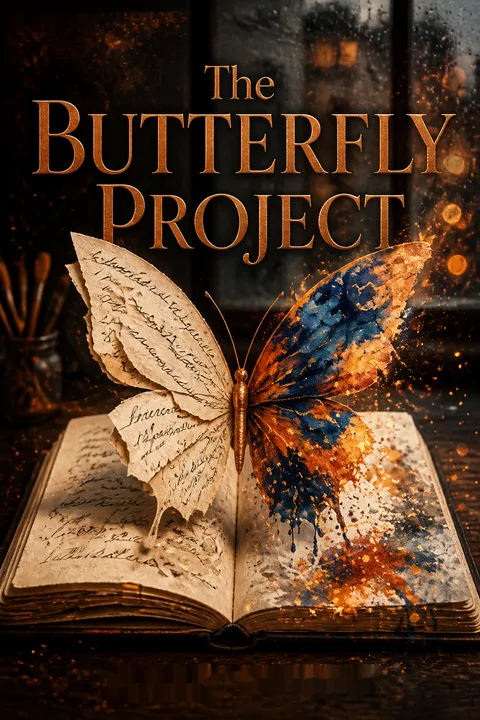
The titular "Butterfly Project" is both the name of Zelda's graphic novel and a metaphor for the story's central theme: that even the smallest acts of kindness or cruelty can ripple outward, changing lives in unforeseen ways. This motif is woven through the narrative, from the characters' decisions to the structure of the graphic novel itself, reinforcing the idea that redemption and healing are possible, one choice at a time.
Found Family and Chosen Community
The novel foregrounds the importance of chosen family—friends, mentors, and neighbors who become sources of love and support. The gradual inclusion of Darlene, Roy and Mary, Mrs. Santino, and others into Zelda and Beckett's lives illustrates the power of community to heal and transform. This device also serves as a counterpoint to the characters' biological families, highlighting the possibility of new beginnings.
Art as Healing and Transformation
Zelda's graphic novel is both a literal and symbolic vehicle for her journey from pain to peace. The collaborative process with Beckett mirrors their emotional healing, as they learn to trust, forgive, and hope. The evolution of "Mother, May I?" from a story of vengeance to one of compassion and change is a microcosm of the novel's larger arc.
Foreshadowing and Symbolism
The recurring imagery of butterflies, snow globes, Christmas lights, and the air mattress all serve as symbols of transformation, hope, and the search for home. Early scenes—such as Zelda's panic attack in the bistro, or Beckett's first letter—foreshadow later revelations and turning points, creating a sense of narrative cohesion and emotional inevitability.
About the Author







Download PDF
Download EPUB
.epub digital book format is ideal for reading ebooks on phones, tablets, and e-readers.








































