
Plot Summary
Three Strangers, Three Solitudes
Kerewin Holmes, a reclusive artist, lives alone in her self-built Tower on the New Zealand coast, estranged from her family and her own creative spirit. Joe Gillayley, a widowed Maori factory worker, struggles to raise his foster son, Simon, a mute, traumatized child with a mysterious past. Each is isolated by pain, loss, and secrets, their lives running parallel but unconnected. The land itself, with its wild sea and ancient Maori roots, mirrors their loneliness and longing for belonging. The stage is set for their fateful convergence, as the silence and ache of their separate existences yearn for change.
The Tower's Unexpected Visitor
Kerewin's solitude is shattered when Simon, the mute boy, breaks into her Tower. He is injured, limping, and refuses to explain himself except through gestures and notes. Kerewin, who dislikes children and company, is both irritated and intrigued by the boy's stubbornness and vulnerability. She tends to his wound, feeds him, and tries to decipher his presence. Their awkward, tense interactions are laced with suspicion, curiosity, and a grudging sense of responsibility. The encounter is unsettling for both, but it plants the first seeds of connection, as Kerewin glimpses the pain and resilience beneath Simon's silence.
Silent Boy, Reluctant Host
As a storm rages outside, Kerewin is forced to shelter Simon overnight. Their communication is halting—Simon's muteness and Kerewin's emotional barriers make understanding difficult. Yet, over shared food, music, and small acts of care, a fragile trust begins to form. Kerewin's irritation softens as she observes Simon's intelligence and odd humor. The next day, Simon's guardian, Joe, arrives to collect him, revealing the boy's history of running away and trouble at home. The encounter leaves Kerewin unsettled, her carefully maintained isolation breached, and Simon, for the first time, with a sense of being seen.
Unlikely Kinship Forms
Joe returns to thank Kerewin, and the three spend an evening together, sharing food, stories, and chess. The boundaries between them blur as they discover unexpected affinities—Joe's warmth and pain, Kerewin's wit and loneliness, Simon's fierce need for acceptance. Each is drawn to the others' wounds and strengths. The trio forms a tentative, unconventional family, united by their outsider status and longing for connection. Yet, beneath the camaraderie, old traumas and secrets simmer, threatening the fragile peace. The Tower, once a fortress of solitude, becomes a place of gathering and possibility.
Gifts, Games, and Ghosts
Simon brings Kerewin a mysterious rosary, a family heirloom of unknown origin, and the three begin a ritual of shared meals, games, and storytelling. Kerewin investigates Simon's past, uncovering hints of aristocratic Irish lineage and a history of violence and abandonment. The trio's bond deepens through shared laughter, music, and the comfort of routine, but shadows linger—Simon's nightmares, Joe's grief, and Kerewin's creative paralysis. The Tower fills with echoes of the past and the ghosts of lost families, as each struggles to trust in the new kinship forming among them.
The Circle Expands
The trio's world widens as they interact with Joe's Maori relatives, the Tainuis, and the local community. Kerewin is drawn into Maori customs and hospitality, finding both acceptance and scrutiny. Simon's troubled behavior—fighting, stealing, and running away—provokes concern and judgment from others. Joe's parenting is questioned, and Kerewin is caught between loyalty and doubt. The complexities of bicultural identity, family, and belonging come to the fore, as the three navigate misunderstandings, prejudice, and the demands of community. Their bond is tested, but also enriched, by the wider circle of relationships and responsibilities.
Fractures and Revelations
Tensions mount as Simon's behavior grows more erratic and Joe's discipline becomes harsher. Kerewin discovers evidence of physical abuse, forcing her to confront the darkness at the heart of their makeshift family. A series of misunderstandings, betrayals, and escalating violence culminate in a catastrophic night—Simon is brutally beaten, Joe is wounded, and Kerewin's trust is shattered. The trio is torn apart, each cast into isolation and despair. The Tower, once a symbol of hope, becomes a ruin, and the dream of family seems lost. The cost of love, and the legacy of trauma, are laid bare.
Violence, Flight, and Ruin
In the aftermath, Simon is hospitalized, his body and mind broken; Joe is arrested and imprisoned for assault; Kerewin, wracked with guilt and illness, abandons the Tower and wanders the land. Each is exiled from the others and from themselves, haunted by regret and the consequences of their actions. The Tower is dismantled, the trio's shared world reduced to ashes. Alone, they confront their deepest wounds—Simon's abandonment, Joe's shame, Kerewin's mortality. The spiral of violence and loss threatens to consume them, as hope flickers and fades.
Shattered Bonds, Shattered Selves
Kerewin, gravely ill and convinced she is dying, retreats to a remote hut, surrendering to pain and despair. Joe, released from prison, embarks on a pilgrimage of atonement, guided by a dying kaumatua (elder) who entrusts him with the guardianship of a sacred Maori site. Simon, institutionalized and deafened by his injuries, is shunted between foster homes, refusing to speak or engage with the world. Each is utterly alone, their identities and hopes in ruins. Yet, in the depths of suffering, the seeds of transformation are sown—a chance for healing, forgiveness, and renewal.
Exile, Illness, and Descent
As Kerewin nears death, she is visited by a mysterious healer who restores her health and spirit. Joe, after burying the kaumatua and inheriting the sacred land, experiences a spiritual awakening, reconnecting with his Maori heritage and the land's ancient power. Simon, through the intervention of a compassionate doctor, begins to recover his will to live and his capacity for joy. Each, in their separate exiles, confronts the ghosts of the past and the possibility of redemption. The darkness begins to lift, and the path toward reunion and wholeness emerges.
The Broken Man's Pilgrimage
Joe's journey leads him to the heart of the land, where he becomes the new guardian of a hidden mauri (life force) and the legacy of his people. Guided by the kaumatua's teachings and his own visions, he learns to forgive himself and to honor the sacredness of life. The land, once barren and silent, becomes a place of healing and hope. Joe's transformation is both personal and ancestral—a reclaiming of identity, purpose, and connection. The spiral of suffering is transmuted into a spiral of renewal, as the past is acknowledged and the future embraced.
The Child Alone
Simon, adrift in institutions and foster care, refuses to accept the loss of his family. He endures abuse, neglect, and misunderstanding, but clings to the memory of love and the hope of reunion. His resilience and cunning allow him to survive, even as he is labeled incorrigible and broken. Through the intervention of allies, he is eventually given a chance to return to the land and the people he loves. Simon's journey is one of endurance, defiance, and the unquenchable longing for belonging—a testament to the power of hope in the face of abandonment.
The Woman at the Brink
Kerewin, on the verge of death, is granted a vision of the land's spirit and her own place within it. She is healed by a mysterious figure, regains her strength, and rediscovers her creative gift. Reinvigorated, she returns to her ancestral home, rebuilds the marae (meeting place), and opens herself to community and responsibility. Kerewin's transformation is both physical and spiritual—a movement from isolation and despair to engagement and hope. She learns to accept love, to forgive herself, and to embrace the interconnectedness of all things.
Healing, Hope, and Return
As Christmas approaches, the three are drawn back to the land and to each other. Kerewin's rebuilt home becomes a place of gathering, music, and celebration. Joe, now a guardian and healer, returns with humility and gratitude. Simon, battered but unbroken, finds his way home, guided by memory and longing. Their reunion is tentative, marked by sorrow and forgiveness, but also by laughter and the promise of new beginnings. The spiral of their lives, once broken, is mended through love, courage, and the willingness to change.
Rebuilding the Marae
The marae is rebuilt, the community gathers, and the trio's bond is affirmed in the presence of family, friends, and ancestors. Old wounds are acknowledged, and the work of healing continues. The land, once a place of exile and pain, becomes a sanctuary of belonging and renewal. The spiral motif—of Maori art, of the land, of the story itself—embodies the ongoing process of creation, destruction, and rebirth. The trio, now a family by choice and by spirit, steps into the future together, carrying the lessons of the past and the hope of the shining land.
The Spiral Reunites
In the final gathering, Kerewin, Joe, and Simon are surrounded by the community they have helped to heal and restore. Each has faced their own darkness and emerged transformed. Their reunion is marked by music, laughter, and the quiet strength of forgiveness. The spiral of their lives, once fractured, is now whole—a symbol of resilience, interconnectedness, and the possibility of redemption. The story ends not with closure, but with the promise of ongoing growth, change, and the enduring power of love.
Dawn Over the Shining Land
As dawn breaks over the land, the trio stands together, looking toward the future. The pain and loss of the past are not forgotten, but have become part of the fabric of their shared life. The land itself, once wounded, now sings with possibility. The spiral continues, carrying them forward into the unknown, sustained by hope, courage, and the bonds they have forged. The story ends with the affirmation that, even in the face of suffering and brokenness, new life can emerge—a shining land, a new day, a family remade.
Analysis
A modern fable of trauma, healing, and belongingThe Bone People is a profound meditation on the nature of family, the legacy of violence, and the possibility of redemption. Through its spiral structure, shifting perspectives, and rich symbolism, the novel explores the ways in which individuals and communities are broken by trauma—personal, cultural, and historical—and the arduous, often painful process of healing. The story refuses easy answers or sentimental resolutions; instead, it insists on the necessity of facing the past, acknowledging harm, and embracing change. The land itself is both witness and participant, its wounds and beauty mirroring those of the characters. The novel's use of Maori language, myth, and ritual grounds it in a specific place and culture, while its themes of exile, forgiveness, and the search for home are universal. In a modern context, The Bone People speaks to the ongoing challenges of reconciliation—between cultures, within families, and inside the self. It is a story of hope hard-won, of love forged in suffering, and of the enduring human capacity to begin again.
Review Summary
The Bone People divides readers sharply. Set in New Zealand, it follows three damaged characters—reclusive artist Kerewin Holmes, Maori foster father Joe, and mute boy Simon—who form an unconventional family. Reviewers praise Hulme's poetic, experimental prose mixing first and third person, vivid atmospheric descriptions, and rich Maori cultural elements. However, many struggle with graphic child abuse scenes, the sympathetic portrayal of Joe despite his violence, and an overly neat ending featuring mystical elements. The unconventional structure, purple prose, and untranslated Maori phrases challenge readers, though some find it profoundly moving and memorable.
People Also Read

Characters
Kerewin Holmes
Kerewin is a fiercely independent, emotionally guarded woman of mixed Maori and European descent. Estranged from her family and her own creative gift, she has built a Tower on the coast as both sanctuary and prison. Her intellect and wit mask deep wounds—loss, betrayal, and a fear of intimacy. Kerewin's journey is one from isolation to connection, from creative paralysis to renewal. Her relationship with Simon and Joe challenges her defenses, forcing her to confront her own capacity for love, anger, and forgiveness. Through suffering and vision, she is transformed, reclaiming her place in the world and her role as artist, healer, and kin.
Joe Gillayley
Joe is a Maori widower, haunted by grief, shame, and the weight of cultural loss. He is both nurturing and violent, capable of deep tenderness and destructive rage. His love for Simon is fierce but flawed, shaped by his own traumatic childhood and the pressures of single parenthood. Joe's journey is one of atonement and spiritual awakening—guided by Maori tradition, the land, and the wisdom of elders. He must confront his own capacity for harm, seek forgiveness, and learn to honor both his heritage and his chosen family. Joe's transformation is a testament to the possibility of healing, even after great harm.
Simon P. Gillayley (Clare)
Simon is a mute, traumatized boy of unknown origin, marked by physical and emotional scars. His silence is both a shield and a wound, his behavior a mix of cunning, defiance, and desperate longing for love. Simon's past is shrouded in mystery—shipwreck, abandonment, possible abuse—and his present is fraught with violence and misunderstanding. Yet, he possesses a fierce intelligence, a capacity for joy, and a resilience that defies his circumstances. Simon's journey is one of survival, resistance, and the search for belonging. Through suffering and exile, he clings to hope, and ultimately finds his way home, remaking himself and his family.
The Kaumatua (Tiaki Mira)
The kaumatua is a dying Maori elder who becomes Joe's guide and mentor. He is the keeper of sacred knowledge, the guardian of the land's mauri (life force), and the embodiment of ancestral wisdom. Through ritual, story, and care, he helps Joe confront his own brokenness and assume the role of guardian. The kaumatua's presence bridges the worlds of the living and the dead, the past and the future. His death marks both an ending and a beginning—a passing of responsibility, a renewal of tradition, and a call to healing.
The Tainui Family (Wherahiko, Marama, Piri, Lynn, Ben, Liz, Timote)
Joe's Maori relatives, the Tainuis, represent both the warmth and the complexity of extended family. They offer support, criticism, and a sense of belonging, but are also sources of conflict and judgment. Marama and Wherahiko, the elders, embody tradition and care; Piri and Lynn, the younger generation, struggle with their own challenges. The Tainuis are both a refuge and a mirror, reflecting the trio's struggles with identity, responsibility, and forgiveness. Their presence grounds the story in community, culture, and the ongoing work of reconciliation.
Luce Tainui
Luce is Joe's enigmatic cousin, a figure of ambiguity, provocation, and possible malice. He is both insider and outsider, challenging norms and stirring conflict. Luce's sexuality, wit, and detachment make him both alluring and unsettling. He serves as a catalyst for revelation, forcing other characters to confront uncomfortable truths about themselves and their relationships. Luce embodies the story's themes of difference, marginalization, and the dangers of secrecy.
The Community (Constable Morrison, Dr. Lachlan, Fayden, Social Workers, Foster Families)
The wider community—police, doctors, social workers, foster parents—represents both the potential for support and the failures of institutional care. Their interventions are often well-intentioned but misguided, shaped by prejudice, bureaucracy, and a lack of understanding. The community's gaze is both protective and punitive, offering help but also perpetuating harm. Through their actions, the story explores the limits of systems, the need for compassion, and the importance of listening to those most vulnerable.
The Land (Aotearoa/New Zealand)
The land itself is a character—alive, sacred, wounded, and healing. It is the site of trauma and renewal, the bearer of history and possibility. The sea, the bush, the marae, and the Tower are all imbued with meaning, shaping and reflecting the characters' journeys. The land's mauri, its life force, is both threatened and protected, calling the characters to responsibility, stewardship, and belonging. The land's presence grounds the story in place, culture, and the ongoing spiral of creation and change.
The Ancestors and Ghosts
The ancestors—Maori and Pakeha, living and dead—haunt the story, their voices echoing in dreams, rituals, and the land itself. They are sources of wisdom, warning, and longing, shaping the characters' identities and choices. The ghosts of lost families, broken promises, and unhealed wounds linger, demanding acknowledgment and reconciliation. Through the ancestors and ghosts, the story explores the power of memory, the weight of history, and the possibility of redemption.
Plot Devices
Spiral Structure and Symbolism
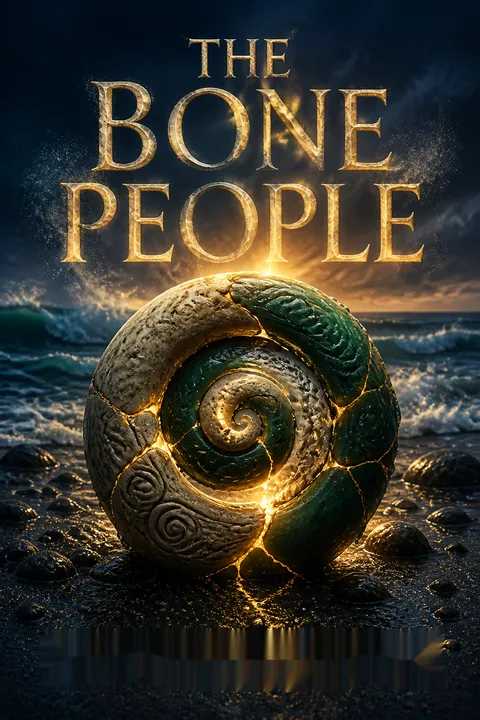
The novel's structure and imagery are built around the spiral—a Maori symbol of growth, change, and interconnectedness. The spiral recurs in the Tower's architecture, the land's geography, the characters' journeys, and the narrative itself. It represents the cycles of creation and destruction, the ongoing process of healing and transformation. The spiral allows the story to move non-linearly, weaving past and present, myth and reality, individual and community. It is both a plot device and a philosophical statement, inviting readers to see life as a process of continual becoming.
Multiple Perspectives and Fragmented Narrative
The story is told through multiple perspectives—Kerewin's, Joe's, Simon's, and others—often in fragmented, stream-of-consciousness passages. This device allows for deep psychological exploration, revealing the characters' fears, hopes, and contradictions. The fragmented narrative mirrors the characters' brokenness and the complexity of their relationships. It also creates ambiguity, inviting readers to question what is real, what is remembered, and what is imagined. The use of dreams, visions, and interior monologue blurs the boundaries between inner and outer worlds.
Foreshadowing and Recurring Motifs
The novel is rich in foreshadowing—early references to violence, illness, and loss anticipate later events. Recurring motifs—spirals, bones, water, fire, music, silence—create resonance and depth, linking disparate moments and themes. The use of Maori language, myth, and ritual grounds the story in cultural context and signals the importance of tradition and ancestry. The interplay of light and darkness, sound and silence, presence and absence, shapes the emotional arc and the story's ultimate movement toward healing.
Symbolic Objects and Sacred Spaces
Key objects—the Tower, the rosary, the knife, the greenstone, the tricephalos sculpture—are imbued with symbolic meaning, representing identity, memory, and the possibility of transformation. Sacred spaces—the marae, the land, the hidden pool—serve as sites of revelation, crisis, and renewal. The destruction and rebuilding of these spaces mirror the characters' inner journeys. The interplay of the material and the spiritual, the personal and the communal, is central to the story's plot and message.
Trauma, Silence, and the Limits of Language
The novel explores the limits of language—Simon's muteness, Kerewin's emotional reticence, Joe's inarticulacy—and the ways trauma silences and isolates. Communication is achieved through gesture, music, art, and ritual as much as through words. The struggle to speak, to be heard, and to understand is both a plot engine and a source of pathos. The story suggests that healing requires not only words, but also presence, listening, and the courage to break silence.
Download PDF
Download EPUB
.epub digital book format is ideal for reading ebooks on phones, tablets, and e-readers.








































