
Plot Summary
Shattered Blooms, Shattered Hearts
Miranda's world is defined by loss and longing. Trapped in an abusive relationship with Chris, she clings to hope for her son Kacey's sake. The story opens with Miranda's heartbreak—her dreams of love and family have been trampled, leaving her spirit raw and her body bruised. The symbolism of flowers—once tokens of affection, now shattered on the pavement—mirrors her internal devastation. Her only solace is her son, but even that bond is threatened by Chris's possessiveness and control. The emotional landscape is bleak, and Miranda's isolation is palpable. Yet, beneath the pain, a stubborn ember of hope remains, urging her to seek a way out, no matter the cost.
Escape at Dawn
Miranda's decision to leave Chris is fraught with fear and urgency. In the dead of night, she packs what little she can, clutching a stolen credit card as her ticket to freedom. The escape is nearly thwarted when Chris catches her, his suspicion and violence escalating. Miranda's maternal instinct overpowers her terror—she cannot leave Kacey behind. Locked out in the cold, she faces the reality of her vulnerability. The world outside is indifferent, and even her new neighbor's silent witness offers only a sliver of hope. Miranda's resolve hardens: she will not return to Chris, even if it means facing homelessness and the unknown.
Shelter Denied, Hope Fading
Miranda's attempts to find safety are met with rejection. Women's shelters are full, and her family is either unable or unwilling to help. The weight of her choices presses down—every plan has a hole, every avenue is blocked. Her cousin Tag's offer in Texas is a last resort, but even that feels like a burden she cannot impose. The emotional toll is immense; Miranda's anxiety and self-doubt threaten to consume her. Yet, her love for Kacey propels her forward. The kindness of a neighbor, Sherri, becomes a lifeline, offering practical help and a reminder that she is not invisible in her suffering.
The Will's Cruel Bargain
A call from a Chicago attorney upends Miranda's plans. She is summoned to the reading of Nathaniel Barkley's will—a man from her past, her ex-father-in-law. The will's terms are shocking: Miranda and her ex-husband Jack must remarry and remain so for sixty days to inherit a valuable lake house. The stipulation is a cruel manipulation, forcing them to confront their unresolved history. Jack is furious, Miranda is desperate, and both are trapped by circumstances beyond their control. The inheritance dangles as both salvation and curse, entwining their fates once more.
Past Loves, Present Wounds
Jack and Miranda's reunion is fraught with tension and unresolved pain. Their shared past—once filled with love, laughter, and dreams of family—has been marred by loss and misunderstanding. Jack's life is orderly but empty, haunted by what might have been. Miranda's bruises and Kacey's presence reveal a story Jack never expected. The emotional chasm between them is wide, but the spark remains. Forced together by the will, they must navigate the minefield of their history, each carrying guilt, regret, and a longing for healing.
The Road to Chicago
Miranda's drive to Chicago is a crucible of anxiety and hope. Every mile is a gamble—her car is unreliable, her resources are dwindling, and the threat of Chris lingers. Jack's unexpected pursuit, under the pretense of returning her wallet, brings their paths together in a moment of crisis. When Miranda's car breaks down, Jack's protective instincts override his anger. The forced proximity exposes their vulnerabilities, and the truth about Miranda's suffering begins to surface. The journey is not just physical but emotional, setting the stage for confrontation and, perhaps, reconciliation.
Unraveling Secrets
As Jack helps Miranda and Kacey, he is confronted by the reality of Miranda's abuse and the depth of her desperation. The bruises on her face, the emptiness of her wallet, and her skittishness paint a picture of survival against the odds. Jack's anger at Chris is matched only by his guilt for not being there. Miranda, in turn, is forced to confront the consequences of her choices and the secrets she has kept. The tension between them is electric—old love battles with new pain, and the possibility of trust flickers uncertainly.
Forced Reunion
With no other options, Miranda and Jack agree to the will's terms—a marriage in name, a partnership of convenience. The arrangement is fraught with awkwardness and unspoken longing. Living together again stirs memories of what they once had and what was lost. The presence of Kacey, whose paternity remains a secret, complicates everything. The house becomes both sanctuary and battleground, a place where old wounds are reopened and new bonds tentatively formed. The sixty-day countdown begins, each day a test of endurance and hope.
The Child Between Us
The truth about Kacey's parentage hovers like a storm. Jack's growing attachment to the boy is tinged with suspicion and longing. Miranda's fear of losing her son wars with her guilt over keeping Jack in the dark. When the truth finally emerges—through a shared birthmark—Jack is devastated. The revelation is both a wound and a balm, offering the possibility of family even as it exposes the depth of their brokenness. The fallout is raw and painful, but it also cracks open the possibility of forgiveness.
Bargaining for Safety
In the aftermath of the truth, Miranda and Jack must renegotiate their relationship. The threat of Chris lingers, and the need for safety is paramount. Jack's protective instincts are in overdrive, but Miranda's independence and trauma make trust difficult. They establish boundaries—emotional and practical—while navigating the logistics of co-parenting and shared space. The garden becomes a metaphor for their efforts: tending, weeding, nurturing, and hoping for a harvest. The process is messy and imperfect, but growth is possible.
Sixty Days, Second Chances
As the sixty days progress, Miranda and Jack are forced to confront their patterns—avoidance, self-protection, and the fear of vulnerability. The presence of Kacey, the rhythms of daily life, and the shared work of the garden create moments of connection. Old habits die hard, but small acts of kindness and courage begin to rebuild trust. The community around them—neighbors, family, and friends—offer support and perspective. The possibility of a second chance emerges, fragile but real, rooted in the willingness to do the hard work of love.
Gardens and Ghosts
The garden flourishes as Miranda and Jack confront the ghosts of their past. The loss of their babies, the pain of abandonment, and the scars of abuse are brought into the open. Through honest conversation, shared grief, and the guidance of wise friends like Richard, they begin to heal. The act of gardening—preparing the soil, planting seeds, weathering storms—mirrors their emotional journey. Forgiveness becomes both a gift and a discipline, a daily choice to stay, to try, to hope.
The Weight of Grief
The death of Richard, Miranda's beloved neighbor and mentor, brings grief to the forefront. His wisdom and example illuminate the path forward: love is not a feeling but a practice, a skill honed through adversity. Miranda and Jack are forced to reckon with their own losses—the children they never knew, the years apart, the pain they caused each other. Through shared mourning, they discover the strength to forgive and the courage to begin again. The harvest of the garden becomes a symbol of resilience and renewal.
The Truth About Kacey
Jack's acceptance of Kacey as his son is a turning point. The boy's innocence and joy become a bridge between past and future. Jack's commitment to being present, to loving without reservation, transforms the family dynamic. Miranda's fears of losing Kacey are eased by Jack's willingness to co-parent and to honor her as Kacey's mother. The process is not without setbacks, but the foundation of trust is rebuilt, one day at a time. The family, once fractured, begins to heal.
Forgiveness and the Harvest
Forgiveness becomes the central work of their reconciliation. Miranda learns to release her resentment, to stop punishing Jack for past failures. Jack, in turn, owns his mistakes and commits to being present through pain and joy. The garden's harvest is both literal and metaphorical—a testament to the power of tending, patience, and hope. The community around them, especially Richard's family, becomes a source of belonging and support. The special things—love, forgiveness, abundance—are meant to be given away.
The Vow Renewal
Miranda and Jack choose to renew their vows, not out of obligation but as an act of love and commitment. The ceremony is simple, intimate, and deeply meaningful. They acknowledge their failures, forgive each other, and pledge to do the hard work of love. The act of saying new vows, of choosing each other again, marks a new beginning. The past is not erased, but it is redeemed. Their union is now rooted in maturity, humility, and a shared vision for the future.
Love's Grit, Love's Growth
The years that follow are marked by both joy and sorrow. Miranda and Jack face new challenges—parenting, loss, and the ongoing work of healing. Their love is no longer fragile or conditional; it is resilient, tested, and true. The garden continues to flourish, a living symbol of their journey. The lessons of forgiveness, presence, and grit become the foundation of their family. The special things—love, hope, belonging—are passed on to their children and community.
A Family Replanted
In the epilogue, Miranda reflects on the life they have built. The family has grown, both in number and in love. The garden is lush, the pantry full, and the home a place of safety and joy. The scars of the past remain, but they are no longer sources of shame—they are reminders of resilience and grace. Miranda and Jack's story is one of brokenness and repair, of love lost and found, of the courage to begin again. The blooms that once broke them have become the harvest that sustains them.
Analysis
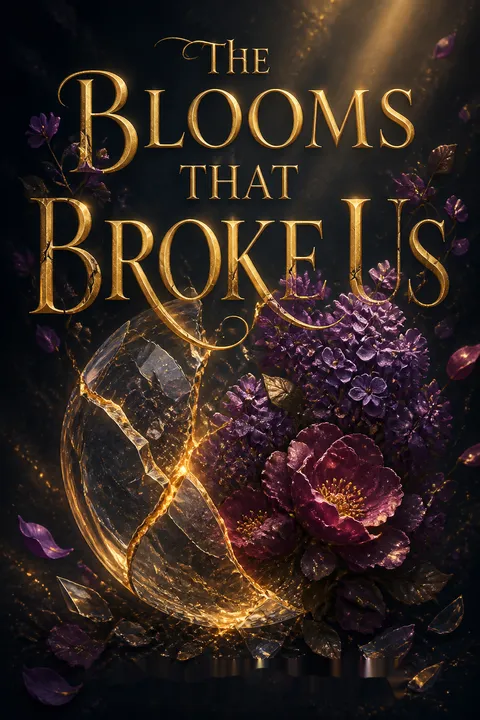
Ashley Dill's The Blooms That Broke Us is a powerful exploration of love, loss, and the arduous work of repair. At its core, the novel challenges the myth that love alone is enough—showing instead that true intimacy requires vulnerability, forgiveness, and daily acts of courage. Through the intertwined journeys of Miranda and Jack, Dill examines the impact of trauma, the dangers of avoidance, and the generational patterns that shape our capacity for connection. The garden, as both setting and symbol, offers a vision of hope: with patience, grit, and care, even the most barren soil can yield abundance. The novel's modern relevance lies in its honest portrayal of domestic abuse, the complexities of co-parenting, and the necessity of community. Dill's message is clear: brokenness is not the end, and with humility and perseverance, families can be replanted and made whole. The special things—love, forgiveness, belonging—are not just for keeping, but for giving away.
People Also Read

Characters
Miranda Howard Barkley
Miranda is the emotional heart of the story—a woman marked by invisible losses and visible scars. Her journey is one of survival, from the trauma of abuse and the devastation of repeated miscarriages to the struggle for independence and safety. Miranda's love for her son Kacey is fierce, driving her to risk everything for his well-being. Her relationship with Jack is complex—rooted in deep love but fractured by grief, misunderstanding, and abandonment. Miranda's psychological arc is one of learning to trust again, to forgive, and to accept love as a practice rather than a feeling. Her growth is mirrored in the garden she tends, transforming pain into abundance.
Jack Barkley
Jack is Miranda's ex-husband and eventual partner in healing. A police officer by profession, he is driven by a sense of duty and justice, but emotionally guarded. Jack's childhood, shaped by a demanding father and the early loss of his mother, leaves him ill-equipped to handle vulnerability and grief. His avoidance and emotional distance contribute to the breakdown of his marriage. The revelation of Kacey's paternity and Miranda's suffering forces Jack to confront his failures. His arc is one of humility, learning to be present in pain, and choosing love as an act of will. Jack's journey is about breaking generational patterns and becoming the anchor his family needs.
Kacey
Kacey is Miranda and Jack's young son, the living embodiment of their lost dreams and second chances. His presence is both a source of joy and a catalyst for truth. Kacey's innocence and resilience highlight the stakes of Miranda and Jack's choices. He is the reason for their reunion, the glue that binds them, and the hope for a better future. Kacey's psychological development is shaped by the love and safety he receives, and his acceptance of Jack as his father is a turning point in the family's healing.
Chris
Chris is Miranda's ex-boyfriend and abuser, a manipulative and possessive figure who exerts control through violence and psychological manipulation. His presence is a constant threat, driving Miranda's fear and desperation. Chris's role is to embody the dangers of toxic relationships and the difficulty of escaping them. His eventual defeat is not just a plot resolution but a symbolic victory for Miranda's autonomy and self-worth.
Richard
Richard is Miranda's elderly neighbor and spiritual guide. His wisdom, drawn from a long and loving marriage to his late wife Rose, offers Miranda and Jack a model of mature, enduring love. Richard's garden is both literal and metaphorical—a place of healing, growth, and community. His teachings about forgiveness, grit, and the importance of tending to relationships become the foundation for Miranda and Jack's reconciliation. Richard's death is a moment of profound grief but also a catalyst for transformation.
Jules (Julia)
Jules is Jack's twin sister, fiercely loyal and unafraid to speak hard truths. Her own journey through grief and healing with her husband Pat provides a parallel to Jack and Miranda's story. Jules's skepticism about Miranda's intentions and her advocacy for Jack's well-being add tension and perspective. Her eventual support is a testament to the power of forgiveness and the importance of family.
Pat
Pat is Jules's husband and a quiet source of strength. His role as a supportive partner and father offers Jack a living example of what it means to be present in grief and love. Pat's advice and actions—especially his willingness to help Jack confront Chris—demonstrate the value of humility, patience, and commitment. He is a stabilizing force in the narrative.
Sherri
Sherri is Miranda's neighbor in Ohio, a survivor of abuse who recognizes Miranda's plight and offers practical help. Her willingness to risk her own safety to assist Miranda and Kacey is a turning point in Miranda's escape. Sherri's story is a reminder that invisible losses are real and that small acts of kindness can change the course of a life.
Nathaniel Barkley
Nathaniel is Jack's late father, whose will sets the plot in motion. His rigid values and manipulative stipulations force Jack and Miranda into a second chance at marriage. Nathaniel's legacy is both a burden and a gift, compelling his children to confront their wounds and make choices about the kind of family they want to build. His presence looms over the narrative, a reminder of the power—and danger—of trying to control others' destinies.
Bree
Bree is Jack's brief post-divorce girlfriend, whose jealousy and interference prevent Miranda's letter from reaching Jack. Her actions, though secondary, have profound consequences, delaying the family's reunion and deepening the wounds of abandonment. Bree's character serves as a cautionary tale about the collateral damage of selfishness and the importance of honesty.
Plot Devices
Dual Timelines and Flashbacks
The narrative weaves together present-day events with flashbacks to Miranda and Jack's courtship, marriage, and the tragedies that tore them apart. This structure allows the reader to experience the full arc of their relationship—the joy, the loss, the misunderstandings, and the slow path to healing. The juxtaposition of past and present deepens the emotional resonance and provides context for the characters' choices.
Symbolism of Gardens and Flowers
Gardens and flowers are central symbols throughout the novel. The act of gardening—preparing the soil, planting, tending, harvesting—mirrors the work required to heal relationships. Flowers represent both the fragility and resilience of love. The garden's cycles of death and rebirth parallel the characters' journeys through grief, forgiveness, and hope. The tattoo of birth flowers on Jack's arm becomes a living memorial to their lost children and a testament to their commitment.
The Will as Inciting Incident
Nathaniel's will, with its stipulation that Jack and Miranda must remarry to inherit, is the catalyst that forces them into proximity and compels them to confront their unresolved issues. The will is both a plot device and a metaphor for the ways in which the past exerts control over the present. It raises questions about agency, obligation, and the true meaning of family.
Secrets and Revelations
The novel is propelled by secrets—Kacey's paternity, Miranda's abuse, Jack's emotional avoidance, and the circumstances of their divorce. The gradual revelation of these truths creates tension and drives the characters toward moments of reckoning. The process of confession and forgiveness is central to the narrative's emotional arc.
The Sixty-Day Countdown
The requirement to remain married for sixty days creates a ticking clock, heightening the urgency of Miranda and Jack's decisions. The countdown structure forces them to confront their issues within a defined period, making every day a test of their willingness to change and grow. The time constraint also mirrors the cycles of the garden—seasons of planting, tending, and harvesting.
Community and Chosen Family
The presence of neighbors, friends, and extended family provides a counterpoint to the isolation and trauma of Miranda and Jack's past. Characters like Richard, Sherri, Jules, and Pat offer wisdom, practical help, and models of healthy relationships. The theme of chosen family underscores the idea that healing and abundance are possible when people are willing to give and receive love.
Download PDF
Download EPUB
.epub digital book format is ideal for reading ebooks on phones, tablets, and e-readers.








































