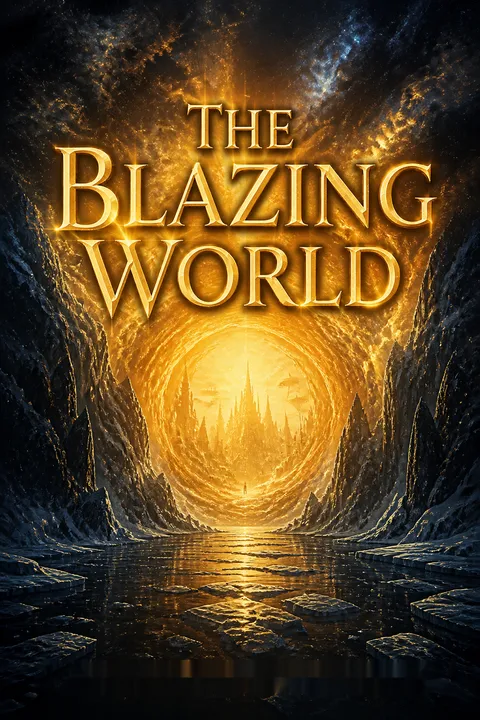

Plot Summary
Abduction Across Icy Seas
The story begins with a merchant, driven by love and ambition, abducting a noble young lady from her seaside home. Their escape by boat is soon met with divine retribution: a violent storm sweeps them toward the North Pole, where the cold is so intense that all but the lady perish. Alone, she survives the deadly journey, protected by her youth and virtue, and is carried by the currents into a new, unknown world. The opening is both harrowing and fantastical, setting the stage for a tale of transformation, survival, and the crossing of boundaries—both physical and metaphysical. The reader is drawn into the emotional turmoil of loss, fear, and the hope that comes with entering the unknown.
Arrival in a Strange World
Upon landing, the lady is discovered by upright, bear-like creatures who, despite their fearsome appearance, treat her with kindness and curiosity. She is passed from one group of animal-people to another—fox-men, bird-men, satyrs, and more—each displaying their own customs and civility. Her journey through these lands is marked by awe and anxiety, as she is both a marvel and a mystery to the inhabitants. Eventually, she is presented as a gift to the Emperor of this world, known as the Blazing World. The emotional arc here is one of bewilderment, adaptation, and the gradual replacement of fear with wonder.
Creatures of Curiosity
The Blazing World is populated by a dazzling array of hybrid beings: bear-men, fox-men, bird-men, fish-men, worm-men, and more, each with their own roles and societies. The Empress-to-be is introduced to their unique technologies, such as ships of gold and engines that control the wind. She learns their language and customs, finding herself increasingly at home among these creatures. The world is depicted as harmonious, with a single language, ruler, and religion, in stark contrast to the divisions of her own world. The sense of alienation gives way to belonging, as she is embraced by the society's curiosity and respect.
The Empress Ascends
The Emperor, awed by the lady's beauty and origin, marries her and grants her absolute power. She becomes Empress, adorned in jewels and symbols of authority, and is venerated almost as a deity. The society's structure is revealed: only the imperial family may wear gold or jewels, and all governance and priesthood are reserved for the imperial bloodline. The Empress is both empowered and isolated by her new status, experiencing the weight of leadership and the adoration of her subjects. Her transformation is both external and internal, as she moves from victimhood to agency.
Wonders of Paradise
The Empress explores her new domain: a city of gold, rivers, and bridges, with architecture surpassing anything in her old world. The palace is a labyrinth of precious stones, and the society is peaceful, united under one ruler and one faith. The Empress is struck by the harmony and order, contrasting it with the chaos and conflict of her origin. She is both inspired and challenged by the responsibility to maintain this utopia. The emotional tone is one of awe, satisfaction, and a growing sense of purpose.
A World of One Mind
The Empress investigates the foundations of the Blazing World's stability. She learns that the society's peace is maintained by having a single monarch, a single religion, and a single language. Diversity exists in the forms of the inhabitants, but not in their beliefs or laws. The Empress questions the exclusion of women from religious life and the making of priests eunuchs, revealing both the strengths and limitations of this unity. She is both impressed and unsettled, recognizing the cost of such conformity.
Science and Society
The Empress establishes academies and societies for the study of arts and sciences, assigning each species to a field: bear-men as experimental philosophers, bird-men as astronomers, worm-men as naturalists, and so on. She encourages debate and discovery, but soon finds that even in this world, knowledge breeds disagreement. The Empress is both delighted and frustrated by the endless disputes among her learned subjects, reflecting on the nature of truth and the limits of reason. The emotional arc is one of intellectual excitement tempered by the challenges of governance.
The Empress Inquires
The Empress questions her philosophers about the nature of the sun, moon, stars, air, wind, snow, and more. Each group offers conflicting theories, and the Empress is both amused and exasperated by their inability to agree. She commands the use of telescopes and microscopes, leading to further disputes and revelations. The Empress's curiosity is insatiable, but she learns that knowledge is always partial and contested. The tone is playful, skeptical, and reflective, as she navigates the joys and frustrations of inquiry.
Philosophers and Disputes
The Empress witnesses the mathematicians, logicians, and orators of her world engage in endless argumentation, often to the point of absurdity. She is critical of their reliance on artificial rules and sophistry, preferring natural reason and wit. The Empress dissolves some societies and reforms others, seeking to balance the pursuit of knowledge with the need for harmony. The emotional arc is one of disillusionment with the limits of formal learning, and a renewed appreciation for simplicity and unity.
Spiritual Dialogues
Seeking answers beyond the material, the Empress summons spirits to discuss theology, philosophy, and the mysteries of existence. She debates the nature of God, the soul, creation, and the afterlife, finding that even spirits are limited in their knowledge. The Empress is joined by the soul of the Duchess of Newcastle, and together they explore questions of faith, reason, and the possibility of creating worlds within the mind. The tone is contemplative, intimate, and tinged with both humility and ambition.
Platonick Friendship
The Empress and the Duchess form a deep, Platonic friendship, sharing thoughts, ambitions, and philosophical dreams. They discuss the creation of imaginary worlds, the nature of ambition, and the challenges of governance. Their relationship is marked by mutual respect, affection, and intellectual companionship, transcending the boundaries of gender and reality. The emotional core is one of connection, solace, and the joy of shared understanding.
Creation of Imaginary Worlds
Inspired by the spirits, the Duchess attempts to create worlds in her mind, experimenting with the philosophies of Thales, Pythagoras, Plato, Epicurus, Aristotle, Descartes, and Hobbes, only to find each unsatisfying. Ultimately, she invents her own world, governed by reason and imagination. The Empress does likewise, finding fulfillment in the act of creation. The process is both playful and profound, illustrating the power of the mind to shape reality and the limits of imitation. The emotional arc is one of frustration, creativity, and self-discovery.
The Empress's Return
The Empress, having achieved peace and order in the Blazing World, turns her thoughts to her native land, now threatened by war. She is torn between her duties as Empress and her love for her homeland. With the counsel of the Duchess and the aid of her fantastical subjects, she devises a plan to intervene and save her country. The emotional tone is one of nostalgia, loyalty, and the tension between personal and public responsibilities.
War in the Old World
The Empress leads an armada of golden ships, aided by fish-men, bird-men, and fire-stones, to her native world. Using her advanced technology and the loyalty of her subjects, she destroys the enemy fleets and forces the nations of her old world to submit to her homeland. The campaign is both awe-inspiring and terrifying, as the Empress wields overwhelming power with a sense of justice and mercy. The emotional arc is one of triumph, vindication, and the bittersweet realization of the costs of power.
Triumph of the Blazing World
With her homeland now supreme, the Empress refuses to enrich it with the treasures of the Blazing World, fearing that wealth would breed madness and conflict. She values moderation, wisdom, and the well-being of her people above glory or riches. The Empress's restraint and foresight are contrasted with the ambitions and follies of other rulers. The emotional tone is one of satisfaction, humility, and the acceptance of limits.
Counsel and Contentions
The Empress seeks the counsel of the Duchess and others on matters of governance, learning the dangers of factions, ambition, and the endless quarrels of the learned. She is advised to restore the original unity of the Blazing World: one ruler, one law, one faith, one language. The Empress is praised for her willingness to correct her own errors and to value peace over pride. The emotional arc is one of humility, wisdom, and the ongoing challenge of leadership.
The Empress's Legacy
The Empress's reign is marked by harmony, creativity, and the flourishing of arts and sciences. She and the Duchess continue their Platonic friendship, exchanging visits and ideas. The Blazing World becomes a symbol of what might be achieved through unity, reason, and imagination. The Empress's story ends with a reflection on the power of the mind to create worlds, the value of peace over conquest, and the enduring bonds of friendship and wisdom.
Analysis
Margaret Cavendish's The Blazing World is a pioneering work of science fiction, utopian fantasy, and philosophical satire, remarkable for its imaginative scope and its proto-feminist vision. At its heart, the novel is an exploration of the power of the mind—especially the female mind—to create, govern, and transform worlds. Through the journey of the Empress, Cavendish interrogates the nature of authority, the limits of knowledge, and the possibilities of unity and peace. The Blazing World is both an ideal and a critique: its harmony and order are contrasted with the divisions and conflicts of the real world, yet its conformity and exclusion raise questions about the costs of such unity. The dialogues between the Empress and the Duchess foreground the importance of friendship, imagination, and self-reflection, offering a model of female agency and intellectual companionship. The novel's playful blending of science, philosophy, and fantasy anticipates later developments in speculative fiction, while its self-aware, metafictional structure invites readers to consider the act of creation itself. Ultimately, The Blazing World is a celebration of the mind's capacity for invention, a meditation on the responsibilities of power, and a call for wisdom, moderation, and the pursuit of peace.
Review Summary
The Blazing World (1666) receives mixed reviews, with an overall rating of 2.94/5. Readers praise it as a groundbreaking early science fiction work by a woman in the 1600s, celebrating Margaret Cavendish's audacity and intellectual ambition. However, many find it tedious, citing endless philosophical dialogues, poor pacing, and lack of plot. The book blends science, philosophy, and fantasy through a woman who becomes empress of an alternate world populated by animal-people. While academically significant for its historical importance and proto-feminist themes, most reviewers found it boring and recommend it primarily for scholarly study rather than entertainment.
People Also Read

Characters
The Empress (The Lady)
The Empress is the central figure, whose journey from kidnapped noblewoman to ruler of a fantastical world embodies transformation, resilience, and ambition. Initially passive, she survives adversity through virtue and luck, but quickly adapts to her new environment, learning languages and customs. As Empress, she is both adored and isolated, wielding absolute power with a mix of curiosity, wisdom, and occasional impatience. Her psychological arc is one of self-discovery, as she moves from fear and alienation to agency and creative authority. Her relationships—with the Emperor, her subjects, and especially the Duchess—reveal her longing for connection, understanding, and the reconciliation of reason and imagination.
The Emperor
The Emperor of the Blazing World is a figure of stability, wisdom, and generosity. He is captivated by the Lady's otherworldly origins and beauty, marrying her and granting her co-sovereignty. His rule is marked by peace, unity, and the absence of internal or external conflict. He is both a partner and a foil to the Empress, embodying the ideals of monarchy and the virtues of order and harmony. Psychologically, he is secure, magnanimous, and content, serving as a model of enlightened leadership.
The Duchess of Newcastle
The Duchess is both a character within the story and a stand-in for the author herself. She is summoned as a spirit to advise and befriend the Empress, engaging in deep philosophical and imaginative dialogues. Her role is that of confidante, counselor, and Platonic lover, sharing in the creation of imaginary worlds and the exploration of ambition, governance, and the limits of knowledge. Psychologically, she is ambitious, reflective, and self-aware, embodying the tension between imitation and originality, and the desire for both recognition and self-mastery.
Bear-Men
The bear-men are emblematic of the world's rational, scientific spirit. They serve as experimental philosophers, engaging in observation, invention, and debate. Their role is both comic and serious, illustrating the joys and frustrations of inquiry, the limits of reason, and the dangers of endless dispute. Psychologically, they are earnest, diligent, and sometimes obstinate, reflecting the strengths and weaknesses of the scientific temperament.
Bird-Men
The bird-men are the world's astronomers, tasked with observing the sun, moon, and stars. They represent the aspiration to transcendence, the pursuit of knowledge, and the diversity of opinion that arises even in a unified society. Their debates with the Empress reveal the challenges of understanding the cosmos and the limits of perception. Psychologically, they are curious, imaginative, and prone to disagreement.
Worm-Men
The worm-men are natural philosophers, delving into the mysteries of the earth, minerals, and life. They embody the spirit of investigation, skepticism, and humility before nature's complexity. Their discussions with the Empress highlight the difficulties of knowing the origins and principles of life, and the necessity of accepting uncertainty. Psychologically, they are methodical, humble, and sometimes irreverent.
Fish-Men
The fish-men are both practical and mystical, serving as navigators, warriors, and intermediaries between worlds. They are essential to the Empress's military campaigns and her interventions in the old world. Psychologically, they are adaptable, loyal, and resourceful, embodying the virtues of service and the power of collective action.
Satyrs, Fox-Men, Spider-Men, and Others
Each species in the Blazing World is assigned a role—politicians, mathematicians, physicians, orators, and more—reflecting the division of labor and the specialization of knowledge. Collectively, they represent the diversity of talents and the potential for both harmony and conflict within society. Psychologically, they are archetypes, each embodying a particular aspect of human nature and social organization.
Immaterial Spirits
The spirits serve as interlocutors in the Empress's quest for ultimate knowledge. They are wise but limited, offering insights into theology, philosophy, and the nature of existence, while acknowledging the boundaries of their own understanding. Psychologically, they represent the limits of reason, the necessity of faith, and the humility required in the face of the unknown.
The Duke of Newcastle
The Duke, though mostly offstage, is a figure of longing, loss, and the costs of ambition. His fortunes are discussed by the Duchess and the Empress, and his fate is intertwined with the themes of justice, fortune, and the unpredictability of life. Psychologically, he is patient, dignified, and resilient, embodying the virtues of endurance and the acceptance of fate.
Plot Devices
Utopian World-Building
The Blazing World is constructed as a utopia: one ruler, one law, one faith, one language. This unity is both idealized and problematized, serving as a foil to the divisions and conflicts of the real world. The device allows for the exploration of political, social, and philosophical questions, and for the dramatization of the costs and benefits of conformity.
Allegorical Species and Specialization
Each species represents a particular aspect of society or knowledge—bear-men as scientists, bird-men as astronomers, fox-men as politicians, etc. This allegorical structure enables the narrative to explore the strengths and weaknesses of each domain, and to satirize the follies of specialization and the dangers of intellectual pride.
Philosophical Dialogue and Debate
The Empress's endless questioning and the disputes among her subjects serve as a vehicle for exploring the limits of knowledge, the nature of truth, and the challenges of governance. The narrative structure is episodic, moving from one field of inquiry to another, mirroring the restless motion of the mind.
Metafiction and Self-Reflection
The inclusion of the Duchess as both character and author, and the explicit discussion of world-building, blurs the boundaries between fiction and reality. The narrative is self-aware, reflecting on its own artifice and the power of imagination to create and transform worlds.
Platonic Friendship and Feminist Aspiration
The relationship between the Empress and the Duchess is central, providing emotional depth, philosophical insight, and a model of female agency and solidarity. Their Platonic bond transcends the limitations of their respective worlds, offering a vision of friendship as the highest form of love and creativity.
Satire and Parody
The Blazing World is both an ideal and a satire, mocking the divisions, ambitions, and follies of Cavendish's own world. The endless disputes of the learned, the exclusion of women, and the absurdities of fashion and ambition are all targets of gentle but pointed parody.
Science Fiction and Fantasy
The narrative employs fantastical inventions—golden ships, fire-stones, engines that control the wind—as well as metaphysical speculation about spirits, souls, and the creation of worlds. These devices allow for the exploration of both practical and philosophical questions, and for the dramatization of the power and limits of human ingenuity.
Download PDF
Download EPUB
.epub digital book format is ideal for reading ebooks on phones, tablets, and e-readers.








































