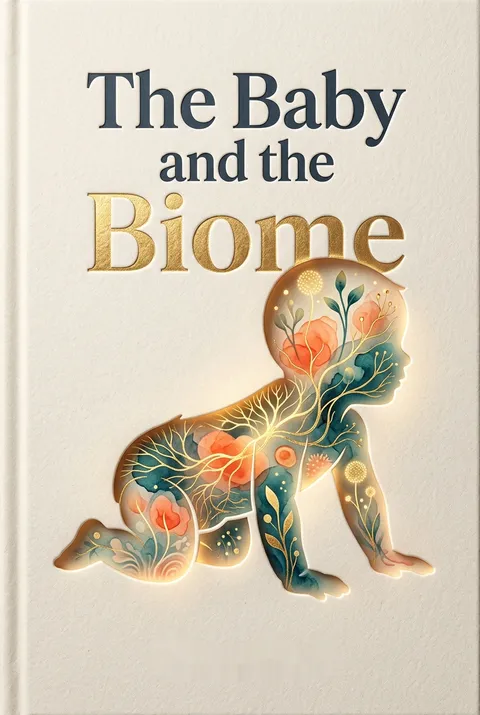

Key Takeaways
1. The Immune Disease Epidemic is Real and Rooted in Microbiome Dysfunction
Today, doctors and parents spend a lot of time dealing with chronic noninfectious illnesses such as food allergy, eczema, asthma, autoimmunity, inflammatory bowel disease, celiac, and more.
A modern crisis. Immune diseases, including allergies and autoimmune conditions, are rising at an alarming rate, affecting 40-50% of children today. These are "self-diseases" where the immune system mistakenly attacks harmless external proteins (allergies) or the body's own cells (autoimmune diseases). This epidemic is not due to overdiagnosis or genetics, as genes don't change within a generation, and severe reactions like anaphylaxis are undeniable.
Immune system malfunction. Our immune system has specialized "teams" (Th1 for viruses, Th2 for parasites, Th17 for bacteria) and a "Regulatory Team" (Treg) to prevent overreactions. Allergic diseases, like eczema, food allergies, and asthma, are primarily Th2 responses gone awry. When the immune system misidentifies a harmless substance (like pollen or food) as a threat, it launches an attack, leading to inflammation and symptoms.
The underlying cause. The core issue behind this epidemic is a simultaneous malfunction of our immune cells and the epithelial barriers (skin, gut, lungs) that protect us from the outside world. These barriers, along with our microbiome—the vast community of microorganisms living on and in us—are constantly interacting. When this delicate balance is disrupted, the immune system becomes overactive and prone to making mistakes, leading to the cascade of chronic conditions we see today.
2. Your Baby's Microbiome: A Second Immune System and Barrier Protector
We are microbe storage machines.
More microbe than human. Far from being mere passengers, microbes make up 99% of our genes, performing vital functions we once attributed solely to our own bodies. They extract nutrients, produce protective oils for skin, and critically, communicate with our immune system, turning cells on or off to maintain balance. This microscopic ecosystem, unique to each body location, thrives on diversity and the presence of specific "keystone species."
Dysbiosis: an imbalanced ecosystem. When this microbial ecosystem is out of balance—lacking diversity, missing keystone species, or having an overgrowth of certain microbes—it's called dysbiosis. This imbalance can directly cause or allow immune diseases. For example:
- Skin dysbiosis: Overgrowth of Staphylococcus aureus (often due to lack of S. epidermidis) can damage the skin barrier, leading to eczema and increasing the risk of food allergies through skin exposure.
- Gut dysbiosis: An imbalanced gut microbiome, often influenced by diet, can lead to inflammation, "leaky gut" (where the gut lining fails), and contribute to allergies, autoimmune conditions, and even neurological disorders.
The gut-brain axis. The gut and brain are deeply connected, influencing mood, focus, and development. Gut dysbiosis in infancy is now linked to conditions like ADHD and autism. Recent studies even showed that the composition of the gut microbiome was the top predictor of COVID-19 severity, highlighting its profound impact on overall health and immune response.
3. Antibiotics: A Powerful Tool Requiring Judicious Use
The average child receives ten courses of antibiotics before getting to kindergarten.
Indiscriminate killers. Antibiotics are life-saving "nuclear weapons" against bacterial infections, but they are indiscriminate, wiping out beneficial bacteria along with harmful ones. This widespread destruction can lead to dysbiosis, where the microbiome doesn't fully recover or returns with an altered, less beneficial balance, potentially losing keystone species vital for immune regulation.
Overuse is rampant. Despite 80% of common childhood infections (like ear infections, colds, flu, bronchitis) being viral and not benefiting from antibiotics, they are frequently prescribed. This "better safe than sorry" approach has led to children receiving numerous courses by early childhood, effectively "ripping out half of their genome" repeatedly. The consequences include:
- Increased risk of diarrhea, stomach upset, and secondary infections like C. diff.
- Long-term microbiome disruption, contributing to immune diseases.
- The global crisis of antibiotic resistance, making infections harder to treat.
Strategies for responsible use: Parents must question unnecessary prescriptions.
- Watchful waiting: For most ear infections, allow 2-3 days for the immune system to fight it off, using pain relievers.
- Stop when better: Once symptoms resolve, it's safe and beneficial to stop antibiotics, even if the course isn't "finished."
- Avoid hidden antibiotics: Choose antibiotic-free meats and dairy, and avoid antibacterial soaps, hand sanitizers, and topical ointments like Neosporin, which also kill beneficial microbes.
4. Early Baby Care: Nurturing the Skin and Gut Microbiome
The habits parents put in place and the choices they make during their child’s first six months can either foster strong barriers and a healthy immune system or set off a chain reaction of allergic responses that takes years to control.
Gentle skin care. Conventional baby care often strips away beneficial microbes. To protect the delicate skin barrier and its microbiome:
- Delay bathing: Don't bathe newborns for the first two weeks; let the protective vernix caseosa absorb naturally. After that, bathe no more than three times a week, using only water.
- Avoid harsh products: Skip soaps, chemicals, and fragrances in baths and diaper wipes (use water-only wipes).
- Limit lotions/sunscreens: Avoid creams and lotions in the first months unless prescribed. Use hats and clothing for sun protection instead of chemical sunscreens.
- Address cradle cap: If itchy or infected, treat with anti-dandruff shampoo to control Malassezia fungus overgrowth, which can worsen eczema.
Recognizing early signs. Eczema, often the first allergic disease, typically appears between three and six months. It's a critical warning sign:
- Eczema is dangerous: Broken skin allows antigens to enter, triggering immune responses and increasing the risk of food allergies and asthma.
- Identify triggers: Look for non-IgE food allergies, soaps, detergents, fabrics, pollen, dust mites, or pet dander.
- Gut health indicators: Excessive spit-up, persistent constipation, or abnormal poop color (beyond normal variations) can signal gut epithelial dysfunction or food allergies. Daily, pain-free poop is a sign of a healthy gut biome.
Breastfeeding and formula. Breastfeeding, especially in the first two months, is ideal for seeding the gut microbiome with beneficial bacteria and immune-regulating components from colostrum and nipple skin. However, the benefits taper off, and after one month, supplementing with cow's milk formula may actually reduce the risk of milk allergy. Parents should feel empowered to make choices that work for their family without guilt.
5. Diet: The Foundation for a Healthy Microbiome and Immune System
What babies eat from their first bites matters.
Dietary diversity and early allergen introduction. Starting solids between four and six months is crucial for shaping the microbiome. The single most important practice is to expose babies to a wide variety of healthy foods, including common allergens, regularly (1-2 times a week, 2g protein per serving). This "early allergen introduction" is scientifically proven to prevent 65-80% of food allergies by training the immune system for tolerance.
Avoid sugar and artificial sweeteners. Sugar feeds pathogenic bacteria and fungi, disrupting the gut biome and insulin production. Children under two should have no added sugar (white sugar, honey, syrup, HFCS). Artificial sweeteners like aspartame and high-fructose corn syrup are toxic to gut bacteria and can cause leaky gut. Even stevia may disrupt microbial communication. Prioritize whole fruits for natural sweetness.
Eliminate toxins, dyes, and pesticides. Processed foods are laden with preservatives, dyes, and synthetic fats that damage the gut barrier and harm beneficial bacteria. Non-organic produce and factory-farmed meats contain glyphosate (Roundup) and antibiotics, which are toxic to gut bacteria and linked to conditions like celiac disease.
- "Dirty Dozen": Prioritize organic for apples, strawberries, spinach, etc.
- "Clean Fifteen": Less concern for non-organic avocados, corn, onions.
- Dyes and preservatives: Banned in European baby food due to links to hyperactivity and organ damage; avoid them in your child's diet.
Embrace whole, plant-rich foods. A healthy diet, consistent with human evolution, is high in fiber from vegetables and fruits, lean protein, and whole grains. This feeds commensal bacteria, which produce beneficial short-chain fatty acids that increase regulatory immune cells.
- "Health haven": Stock your home with organic (when possible) fruits, vegetables, whole grains, and lean meats.
- Variety: Aim for 30+ different plant foods per week for a diverse microbiome.
- Cook at home: Minimize processed and packaged foods.
- Mindful eating: Make meals a joyful family connection, not a battle. Offer healthy options, but don't force-feed.
6. Pregnancy: Greening the Womb for Optimal Fetal Immune Development
The womb is the ultimate life-giving and life-sustaining environment.
Maternal immune adaptations. During pregnancy, a mother's immune system naturally undergoes "Th2 skewing" to prevent rejection of the fetus. This means an increased tendency towards allergic responses. Firstborn children, who experience the strongest Th2 skew, are also most likely to develop allergic diseases. Therefore, minimizing immune disruption during gestation is crucial for the baby's developing immune system.
Minimize infections and chemical exposures.
- Avoid infections: Pregnant women should avoid sick individuals, practice frequent handwashing, and get flu shots. Infections, especially in the first trimester, can overstimulate the mother's immune system, potentially affecting fetal brain and circulatory development, and increasing risks of miscarriage, preeclampsia, and preterm birth.
- Limit chemical exposure: Maternal exposure to airborne chemicals (e.g., from certain jobs, house painting) and chemicals in personal care products (makeup, perfumes, bleaches) can increase the risk of allergic disease in offspring. Opt for low-VOC paints and chemical-free personal care.
Healthy maternal habits. A mother's lifestyle directly impacts her microbiome, which she passes to her baby.
- Oral hygiene: Good dental care before and during pregnancy is essential, as mouth bacteria can influence the placenta and fetal development.
- Diet: A healthy, low-sugar, high-fiber diet rich in vegetables, fruits, and fermented foods supports a diverse maternal microbiome. Studies link maternal vegetable and yogurt consumption to reduced eczema, wheezing, and food allergies in offspring.
- Exercise: Regular cardiovascular exercise (20+ minutes, 3x/week) improves maternal and gut health, stimulating beneficial bacteria.
- Medications: Avoid proton pump inhibitors (PPIs) for reflux, as they are linked to increased childhood allergies. Use antibiotics only when truly necessary. Acetaminophen is generally safe, but avoid unnecessary cold remedies.
Addressing vaginosis and infertility. Bacterial vaginosis (an imbalance in the vaginal microbiome, often lacking Lactobacillus) is linked to infertility, IVF failure, and preterm birth. Treating it with antibiotics or natural methods like Lactobacillus probiotics, yogurt, garlic, or vitamin C can improve reproductive outcomes and prevent the transfer of harmful bacteria to the baby during birth.
7. Birth: Seeding the Microbiome for Lifelong Immunity
The microbiome seeding that happens during vaginal birth is central to the prevention of allergic and autoimmune disease.
The critical role of vaginal birth. Babies born vaginally acquire their mother's vaginal and fecal microbes, which are crucial for seeding their gut microbiome. C-section babies miss this initial transfer, often acquiring skin microbes instead, and are more prone to immune-related disorders like allergies, IBD, and obesity.
- Vaginal swabbing: In some countries, C-section babies are swabbed with maternal vaginal fluids to partially restore this microbial transfer, a practice still in research in the U.S.
- Avoid unnecessary C-sections: Seek hospitals with midwives and doulas who support natural labor, as interventions like Pitocin can increase C-section rates.
Minimizing antibiotics during labor. Group B Strep (GBS) is a common vaginal bacterium. Mothers testing positive often receive intrapartum antibiotics, which can disrupt the newborn's microbiome, reducing protective Bacteroidetes and increasing harmful Proteobacteria, potentially raising eczema risk.
- Prevention is key: Address vaginal dysbiosis during pregnancy to reduce GBS risk.
- Refuse if unnecessary: If you've tested negative for STDs, you can refuse erythromycin eye drops for your newborn.
- Vaccines at birth: The Hepatitis B vaccine and Vitamin K shot are crucial and safe, with no evidence of negative impact on the microbiome or allergy risk.
Immediate skin-to-skin contact. Regardless of birth mode, immediate skin-to-skin contact between mother and baby after birth is vital. This allows for the transfer of the mother's skin microbiome, helps regulate the baby's temperature and blood sugar, and promotes bonding. Hospitals increasingly prioritize this practice over immediate bathing.
Early breastfeeding. Allowing the baby to suckle at the breast immediately after birth, even if not exclusively breastfeeding, helps transfer beneficial bacteria and colostrum, providing essential nutrients and immune-regulating components. While formula supplementation after the first month can be beneficial, avoiding it in the first week is important to reduce milk allergy risk.
8. The Environment: An Unseen Force Shaping Your Child's Health
The environment children grow up in is a significant driver of their microbiome and epithelial barrier integrity, especially after they have settled into an adult diet.
Water quality matters. While tap water is generally safe, aging infrastructure and chemical runoff can introduce pollutants. Check your local Consumer Confidence Report and consider filters (carbon for chlorine, reverse osmosis for inorganic pollutants) to reduce exposure to chemicals that can harm gut bacteria or damage barrier cells. Fluoride in tap water is generally safe and beneficial for dental health.
Embrace dirt and nature. Healthy soil is teeming with beneficial microbes that can "refresh" your system. Studies show that children living on farms or spending more time in natural environments (parks, forests) have more diverse microbiomes and fewer allergic and autoimmune diseases.
- Outdoor play: Encourage children to play in clean dirt, roll in grass, and splash in streams to expose them to beneficial bacteria.
- Pets: Families with dogs that go outdoors have children with more diverse microbiomes and fewer immune diseases.
The home environment. Our homes are ecosystems.
- Cleanliness: While excessive sterilization is harmful, address mold and fungus, which are linked to ADHD and eczema. Maintain a "no shoes in the house" policy to reduce lead and other contaminants.
- Cleaning products: Many laundry and dishwashing detergents contain chemicals (e.g., sodium dodecyl sulfate) that directly damage epithelial barriers, even in trace amounts. Opt for natural, chemical-free cleaning alternatives.
- Avoid antibacterial overkill: The COVID-19 pandemic led to excessive use of antibacterial wipes and hand sanitizers, which can wipe out beneficial microbes. Return to soap and water for handwashing and judicious cleaning.
The air we breathe. Air pollution from cars, industrial facilities, and wildfires is a major driver of chronic and immune diseases, including asthma, eczema, hay fever, and infertility. These pollutants can be toxic to skin and airway bacteria, directly trigger immune cells, or cause barrier cell mutations.
- Advocate for change: Support policies that reduce air pollution and promote green spaces.
- Plant trees: Native trees, with a natural balance of male and female, act as natural air filters and increase oxygen levels.
9. Healing is Possible: Empowering Parents to Reverse Immune Disease
What matters is that he feels good.
Beyond symptom management. The author's personal journey with her son, Leo, illustrates that while conventional medicine focuses on mitigating symptoms, a holistic approach targeting the microbiome and barrier dysfunction can lead to profound healing. After failed oral immunotherapy (OIT) due to Leo's overactive immune system, the author pivoted to a comprehensive lifestyle and dietary intervention.
A multi-pronged approach to healing:
- Skin health: Daily sun exposure, Epsom salt baths, and specific emollients helped reduce irritation and itching. Identifying and removing environmental triggers (e.g., goose feather quilt, dry air from AC) resolved morning itching and stuffiness, allowing the removal of daily inhalers.
- Gut healing: A specific probiotic, combined with a supplement to remove harmful bacteria/fungus, resolved daily stomachaches and led to the elimination of oral antihistamines.
- Radical dietary change: Eliminating all processed foods, sugar, preservatives, and fillers, and adopting a diet of only produce, meat, and fermented dairy, dramatically improved Leo's symptoms. His skin cleared, nose cleared, sleep improved, and tantrums plummeted.
Empowerment and hope. While the journey was challenging, Leo's transformation from a child reliant on multiple medications to one who takes only a daily probiotic demonstrates that "fixing" the microbiome and barriers is possible. This approach not only alleviates symptoms but addresses the root causes of immune disease, offering a path to true health.
- Listen to your instincts: Parents are their child's best advocates.
- Prioritize prevention: Implement healthy practices from pregnancy and birth through early childhood.
- Embrace holistic solutions: Diet, lifestyle, and environmental changes can be as powerful, if not more so, than medication, with fewer side effects.
People Also Read









Download PDF
Download EPUB
.epub digital book format is ideal for reading ebooks on phones, tablets, and e-readers.








































