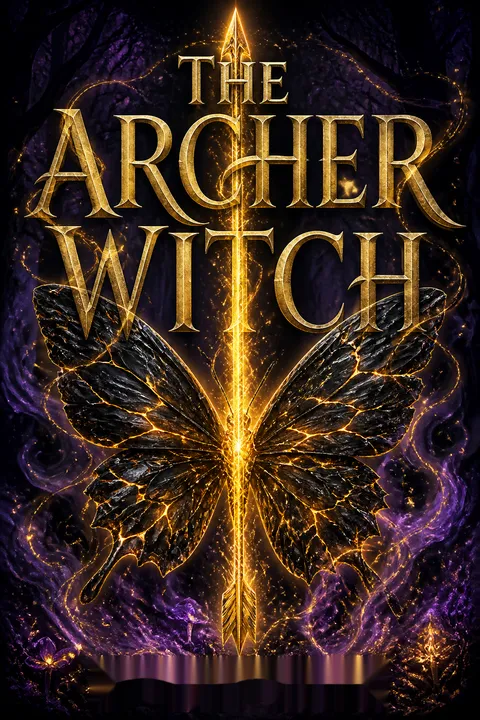

Plot Summary
Battle's End, Portal's Call
The story opens in the aftermath of a brutal battle at Castle Ivory, where Altara's friends and family fight to free her from demonic captivity. Amidst the chaos, Altara breaks Zale's curse with a magical arrow, fulfilling a prophecy and restoring his conscience. But as the curse shatters, a portal to the legendary Eternal Forest opens, sucking both Altara and Zale away. Their allies are left behind, unable to follow, forced to trust that the fated mates will find their own way out. The trauma of battle and the uncertainty of the unknown weigh heavily on those left behind, especially Pia, who feels the burden of leadership and loss. The chapter sets the tone of mythic danger and emotional upheaval, as the story's true journey begins.
Wraith in the Wilds
Altara awakens in the Eternal Forest, her body and soul fractured by recent torture. She moves through the magical, perilous landscape as a wraith—emotionally numb, shrouded in darkness, and marked by the Goddess. The forest itself recoils from her presence, and she is indifferent to its beauty or threats. A pixie warns her away from deadly berries, and Altara's apathy is so profound she welcomes death. Yet, a flicker of compassion for the pixie stirs her to action, hinting at the humanity buried beneath her trauma. The forest's dangers are both literal and symbolic, mirroring Altara's internal desolation and the first steps of her journey toward healing.
Fear and the Dark Court
When a monstrous entity known as the Fear attacks, Altara's apathy becomes her shield. She cannot be broken by terror, and she destroys the Fear with arrows of void and lightning. In the aftermath, the dark denizens of the forest—hags, goblins, and beasts—proclaim her their queen, mistaking her for the new ruler of the dark court. Altara, still numb, accepts their deference with indifference, but her actions—freeing fae prisoners, sparing pixies—reveal a core of justice. The chapter explores the paradox of power and emptiness, as Altara is thrust into leadership she neither wants nor values, her trauma both isolating and empowering her.
Cursed Hearts Unbound
Zale's experience in the Eternal Forest is one of overwhelming pain as his restored conscience floods him with centuries of suppressed emotion. The mate bond with Altara becomes a lifeline, a golden thread pulling him toward her through the wilds. Zale's struggle is both physical and psychological, as he battles guilt, longing, and the primal urge to claim his mate. The forest's dangers are matched by his internal chaos, but the bond's pull is irresistible. Zale's journey is one of transformation—from beast to man, from cursed king to desperate lover—setting the stage for the collision of their fates.
Chains, Choices, and Shadows
In the dark castle, Altara discovers fae prisoners—victims of the previous dark lord's cruelty. Her magic, once used for healing, now devours curses and chains, freeing the captives but leaving her drained. The act of mercy is both a rebellion against the court's violence and a step toward reclaiming her agency. Yet, Altara's magic is fickle, responding only when she allows herself to feel. The struggle to balance anger, numbness, and compassion becomes central, as she realizes that true power requires vulnerability. The chapter deepens the theme of healing as both gift and burden, and the cost of leadership in a world of monsters.
The Mate's Claim
Zale storms the dark castle, intent on claiming Altara as his mate. Their reunion is electric—charged with anger, longing, and the raw force of the mate bond. Altara, still shrouded in darkness, resists his claim, unable to accept love or belonging after her trauma. Their exchange is a battle of wills, each testing the other's resolve. Zale's newfound emotions make him vulnerable, while Altara's pain makes her dangerous. The tension between them is both romantic and tragic, as they circle each other, unable to bridge the gap between need and fear. The chapter is a crucible for their relationship, forging the path toward eventual union.
Gifts of the Forest
Unable to force Altara's acceptance, Zale turns to acts of service—leaving her food, water, and tokens of affection. These gifts, though simple, begin to thaw Altara's defenses, reminding her of gentleness and care. The forest, once hostile, becomes a backdrop for tentative healing. Zale's struggle with his own emotions mirrors Altara's, as both learn that love is not conquest but patience. The chapter is a meditation on the power of small kindnesses, the slow work of rebuilding trust, and the hope that even in darkness, light can be found.
Hunger, Healing, and Distance
Altara participates in a witch's ritual, gaining new power but at a terrible cost—a sacrificial death that leaves her tainted and furious. Her magic becomes volatile, and her sense of self fractures further. When a pixie is murdered by goblins, Altara's rage explodes, and she hunts the killers with lethal precision. Zale's presence is both a comfort and a torment, as their physical desire threatens to overwhelm their emotional wounds. The distance between them is both literal and metaphorical, as each grapples with the scars of the past and the demands of the present.
Sacrifice and Storm
The witches' sacrifice infuses Altara with wild, dangerous magic, pushing her to the brink. When Zale returns, their reunion is a storm—violent, passionate, and cathartic. Their lovemaking is both a release and a merging of power, as the mate bond flares to life. Yet, the aftermath is fraught with fear and guilt, as Altara flees, unable to accept the depth of their connection. The chapter is a tempest of emotion, desire, and magic, as the boundaries between self and other, love and pain, are tested and remade.
Pain, Power, and Rejection
In the wake of their union, Altara is consumed by shame and self-doubt. The fear of pregnancy, the weight of trauma, and the impossibility of happiness drive her to reject Zale once more. Their confrontation is raw and honest, as both confess their wounds and fears. Zale's promise of unwavering support is met with Altara's insistence on solitude. The pain of separation is acute, but necessary, as each must confront their own darkness before they can truly be together. The chapter is a study in vulnerability, the cost of love, and the slow work of healing.
Scrying and Exile
Pia, Rani, Malika, and the Old Ones journey to Lota City, seeking aid and reconciliation. The return is fraught with danger—old wounds, political intrigue, and the threat of exile. The court's reception is cold, and the cost of returning before the end of exile is high. Scrying magic reveals glimpses of Altara and Zale, deepening the sense of loss and urgency. The chapter explores the bonds of friendship, the pain of family rejection, and the resilience required to face a hostile world.
Fae Debts and Old Sins
Zale is captured by the carnal fae, forced to confront old debts and the consequences of his past alliances. The fae court is a place of temptation and danger, where pleasure and pain are currency. Altara, learning of his capture, is forced to reckon with jealousy, fear, and the reality of Zale's history. The chapter is a reckoning with the past, as both must decide what they are willing to forgive, and what debts must be paid to move forward.
The Witch-Queen's Awakening
Freed from the dark court, Altara discovers the true nature of her magic—void, healing, and transformation. She releases the beasts and witches from their curses, earning their loyalty and gratitude. The revelation of her role as high priestess of Agnolthi marks a turning point, as Altara embraces her destiny. The chapter is a celebration of self-acceptance, the forging of new alliances, and the resolve to fight for those she loves.
Beasts Set Free
The beasts of the Eternal Forest are revealed to be Old Ones, kin to Zale, restored to their true forms by Altara's magic. Their gratitude cements Altara's status as a leader and unifier. The gathering of allies—witches, beasts, and fae—signals the coming war. The chapter is a moment of hope and triumph, as the scattered and broken are made whole, and the promise of a new order is born.
Homecomings and Heartbreak
Rani's return to her family is met with hostility and heartbreak. The pain of exile, the loss of love, and the burden of guilt drive her to the brink. The chapter is a meditation on the cost of mistakes, the cruelty of tradition, and the search for redemption. Rani's journey is a mirror to Altara's, as both seek forgiveness and a place to belong.
The Rescue and the Hunt
Learning of Zale's capture, Altara rallies her allies and sets out to rescue him. The journey is one of determination and growth, as she harnesses her power, claims her role as leader, and confronts the dangers of the fae court. The hunt is both literal and symbolic, as Altara pursues not just her mate, but her own sense of agency and destiny.
Thrones, Trials, and Betrayals
Back in Lota City, the court is a nest of intrigue and suspicion. The queen's mysterious illness, the threat of the Reaper's return, and the fractures within the royal family create a powder keg of tension. Altara's presence is both a blessing and a threat, as old wounds are reopened and new alliances are tested. The chapter is a study in power, loyalty, and the ever-present danger of betrayal.
The Carnal Fae's Game
In the carnal fae court, Altara must fight for Zale's freedom through a series of seductive and dangerous games. The fae queen's obsession with the mate bond becomes a crucible, testing Altara's resolve, cunning, and willingness to fight for love. The games are both physical and magical, a dance of desire and power. The chapter is a celebration of feminine strength, sexual agency, and the unbreakable nature of true bonds.
Seduction and Star-Bonds
Altara and Zale's union becomes a spectacle, their passion igniting the fae court and breaking the chains of old debts. Their lovemaking is both a personal and magical act, merging their powers and sealing their star-bond. The chapter is a crescendo of emotion, magic, and eroticism, as the lovers claim each other fully and set the stage for the battles to come.
The Queen's Arrow
Back in Lota, Altara is thrust into the heart of court politics. The queen's mysterious malady is revealed to be a curse, and Altara's intervention—an arrow of void—saves her life but sparks suspicion and fear. The act is both a healing and a challenge, as Altara must defend her actions before the Priestess Moot. The chapter is a turning point, as the personal and political collide, and the cost of power becomes clear.
The Priestess Moot
The Priestess Moot convenes to judge Altara and Pia. Altara is exonerated, recognized as high priestess and savior. Pia, stripped of her title, chooses a life of service in Xalya's army, finding freedom in renunciation. Rani, consumed by guilt, joins the White Widows, seeking forgiveness through sacrifice. The chapter is a meditation on justice, mercy, and the many forms of redemption. The bonds of friendship are tested, but hope endures.
Mating Marks and Merging Magic
In the aftermath of judgment, Altara and Zale consummate their bond, receiving matching mating marks—a butterfly and a tiger—symbols of their union. Their magic merges, granting them new abilities and a sense of wholeness. The chapter is a celebration of love, healing, and the promise of shared destiny. Yet, the shadow of the Reaper looms, and the cost of power is never far behind.
Loss, Grief, and the Reaper
News of Saraya's triumph and their father's death reaches Altara, plunging her into grief. The queen's death tolls through the city, and the Old Ones vanish, leaving only a single obsidian earring behind. The sense of loss is overwhelming, as friends and lovers are torn apart by fate and betrayal. The chapter is a lament for what is lost, and a warning of the darkness to come.
The Fall of the Old Ones
Zale, Atax, Kai, and Raen are seized by the Reaper, their wills subjugated by ancient magic. The bond between Zale and Altara is tested as he is forced to betray her, his conscience erased. The Old Ones become weapons in the Reaper's campaign, and the threat to Ellythia becomes existential. The chapter is a descent into darkness, as hope is eclipsed by the return of evil.
The Reaper's Return
Under the Reaper's control, Zale murders the queen, fulfilling the prophecy of doom. The city is thrown into chaos, and the bonds of love and loyalty are shattered. Altara's grief and rage threaten to consume her, as she is forced to confront the reality of Zale's enslavement. The chapter is a crucible of pain, loss, and the high cost of destiny.
The Final Choice
In the story's climax, Altara is faced with an impossible choice—fight against her mate, or follow him into the darkness. The mate bond, unbreakable and sacred, draws her to Zale even as he stands with the Reaper. In a moment of ultimate sacrifice, Altara chooses love, placing her hand in Zale's and joining him, whatever the cost. The story ends on the precipice of war, with hope and despair entwined, and the promise that love, even in darkness, is a force that can change the world.
Analysis
The Archer Witch is a sweeping fantasy romance that explores the intersection of trauma, love, and destiny. At its core, the novel is about the struggle to reclaim agency and hope in a world scarred by violence and loss. Altara's journey—from wraith to queen, from victim to healer—is a testament to the resilience of the human spirit. The mate bond with Zale, while rooted in fantasy tropes, is rendered with psychological depth, highlighting the challenges of intimacy after trauma. The story does not shy away from the darkness—abuse, betrayal, and the legacy of evil are ever-present—but insists that healing is possible, not through denial, but through the hard work of facing pain and choosing connection. The supporting cast—Pia, Rani, Malika, the Old Ones—enrich the narrative, offering diverse perspectives on shame, forgiveness, and the search for belonging. The plot's use of prophecy, court intrigue, and magical transformation serves as both metaphor and mechanism, driving the characters toward a reckoning with the past and a hope for the future. Ultimately, The Archer Witch is a story about the cost and necessity of love, the courage to face the abyss, and the belief that even in the darkest forest, light can be found.
People Also Read



Characters
Altara Voltanius
Altara is the heart of the story—a princess marked by trauma, gifted with void and healing magic, and chosen by the Goddess Agnolthi as high priestess. Her journey is one of survival, self-discovery, and reluctant leadership. Scarred by torture and loss, Altara's initial numbness is both a shield and a prison. Her compassion, even in darkness, drives her to free the oppressed and challenge the violent order of the world. The mate bond with Zale is both salvation and torment, forcing her to confront her deepest fears and desires. Altara's arc is one of reclaiming agency, embracing power, and learning that true strength lies in vulnerability and love. Her relationships—with Zale, her friends, and her family—are fraught with pain and hope, and her choices shape the fate of kingdoms.
Zale Boneweaver
Zale is a study in contrasts—a ruthless warrior, a cursed prince, and a man learning to feel. His curse, which stripped him of conscience, made him a weapon of destruction; its breaking unleashes a flood of guilt and longing. The mate bond with Altara is his anchor, pulling him from the abyss and teaching him the meaning of devotion. Zale's journey is one of redemption, as he seeks to atone for past sins and protect those he loves. His transformation from beast to man is mirrored in his relationships—with his brothers, his people, and Altara. The threat of the Reaper, and the risk of becoming a weapon once more, haunt him, but his love for Altara is unwavering. Zale's arc is a testament to the power of love to heal even the darkest wounds.
Pia Lota
Pia is Altara's cousin and a central figure in the story's emotional landscape. Banished for a magical accident, Pia's journey is one of seeking forgiveness, purpose, and a place to belong. Her loyalty to her friends is fierce, and her willingness to face danger for their sake is unwavering. Pia's return to Lota City is fraught with pain, as she confronts family rejection and the loss of status. Her eventual choice to serve in Xalya's army is both a punishment and a liberation, allowing her to define herself on her own terms. Pia's arc is one of resilience, sacrifice, and the enduring power of friendship.
Rani Umasri
Rani's story is one of heartbreak and atonement. Exiled for an accident that cost a life, she is consumed by shame and the longing for forgiveness. Her return home is met with rejection, deepening her sense of isolation. Rani's decision to join the White Widows is an act of self-sacrifice, a bid for absolution through service. Her quiet strength, loyalty, and compassion make her a vital part of the group, even as she struggles to forgive herself. Rani's arc is a meditation on the cost of mistakes, the possibility of redemption, and the healing power of community.
Malika Yashra
Malika is the group's warrior spirit—a survivor of loss, exile, and betrayal. Her anger is both a weapon and a shield, driving her to fight for justice and protect her friends. Malika's relationship with Atax is a dance of attraction and defiance, each challenging the other's boundaries. Her loyalty is absolute, and her willingness to confront authority makes her a catalyst for change. Malika's arc is one of embracing vulnerability, finding love in unexpected places, and learning that strength can coexist with tenderness.
Atax Boneweaver
Atax is Zale's brother and a formidable warrior, marked by the brutality of his upbringing and the scars of the curse. His relationship with Malika is a source of both conflict and healing, as each pushes the other to grow. Atax's loyalty to his family is unwavering, but the return of the Reaper threatens to undo his hard-won humanity. His struggle is one of resisting old patterns, choosing love over violence, and fighting for a future free from the sins of the past.
Kai Boneweaver
Kai is the youngest Boneweaver, a paradox of innocence and lethal skill. His childlike wonder and kindness are a balm to his friends, but the curse's return strips him of conscience, revealing the darkness beneath. Kai's journey is one of navigating the tension between joy and violence, and the tragedy of losing oneself to forces beyond control. His bond with Rani is especially poignant, offering glimpses of hope even in despair.
Raen Boneweaver
Raen is the Boneweaver sorcerer, a figure of wisdom and restraint. His role is often that of mediator, tempering his brothers' impulses and seeking solutions beyond violence. Raen's knowledge of magic and history makes him a key player in the unfolding war. The return of the Reaper tests his resolve, as he is forced to choose between loyalty and conscience. Raen's arc is one of sacrifice, the burden of leadership, and the hope that knowledge can be a weapon against darkness.
Rahana Lota
Rahana is a figure of authority and bitterness, shaped by loss and the burdens of leadership. Her relationship with Pia is fraught, marked by disappointment and unmet expectations. Rahana's rigidity and suspicion make her both a protector and a barrier to healing. Her arc is one of reckoning with the past, the cost of pride, and the possibility of reconciliation.
The Reaper
The Reaper is the story's central antagonist—a being of immense power, malice, and cunning. His magic is the source of Zale's curse, and his return signals the coming of war. The Reaper's ability to enslave the Old Ones, corrupt the innocent, and sow chaos makes him a nearly unstoppable force. Yet, his power is rooted in the wounds of the past, and his defeat will require not just strength, but the healing of old scars. The Reaper is both a literal and symbolic threat, embodying the darkness that must be faced and overcome.
Plot Devices
Fated Mates and Star-Bonds
The fated mate trope is central, with Altara and Zale's star-bond serving as both a source of power and vulnerability. The bond is a literal thread, pulling them together across worlds, and a metaphor for the inescapable nature of destiny. It drives the plot, shapes character choices, and raises the stakes—love is not just personal, but world-changing. The bond's unbreakable nature is both a comfort and a trap, forcing the characters to confront what it means to choose love in the face of darkness.
Hidden Identity and Transformation
Many characters grapple with hidden identities—Altara as a wraith, Zale as a beast, Pia as an exiled princess. Transformation, both magical and emotional, is a recurring motif. The Eternal Forest itself is a place of metamorphosis, where trauma is both confronted and transmuted. The plot uses these devices to explore themes of self-acceptance, the cost of survival, and the possibility of change.
Enemies to Lovers and Healing Magic
The enemies-to-lovers dynamic between Altara and Zale is a crucible for growth. Their initial antagonism, rooted in pain and mistrust, becomes the foundation for healing and intimacy. Magic, especially healing and void magic, is both a plot device and a metaphor for the work of love—taking in poison, transforming it, and returning light. The story uses these devices to explore the interplay of power, vulnerability, and the redemptive potential of connection.
Court Intrigue and Betrayal
The courts of Lota and the fae are arenas of intrigue, where alliances shift and betrayal is ever-present. The threat is not just external (demons, the Reaper) but internal—old wounds, pride, and the refusal to forgive. The plot uses these devices to heighten tension, test loyalties, and force characters to choose between safety and truth.
Foreshadowing and Prophecy
Prophecy and foreshadowing are woven throughout, from the breaking of Zale's curse to the warnings of the Goddesses. The story's structure is cyclical, with echoes of the past shaping the present and future. The use of prophecy raises questions about free will, the burden of destiny, and the possibility of rewriting fate.
Narrative Structure
The story is told through multiple points of view—Altara, Zale, Pia, Rani, Malika—each offering a unique lens on the unfolding events. The interweaving of personal and political, past and present, creates a rich tapestry of emotion and action. The structure allows for deep psychological exploration, as characters' internal struggles mirror the external battles they face.
The Archer Princess Series


Download PDF
Download EPUB
.epub digital book format is ideal for reading ebooks on phones, tablets, and e-readers.








































