
Plot Summary
Butterfly on the Roof
Shur, a high schooler with anxiety, notices a gigantic butterfly perched on her school's roof. At first, it's a curiosity, but the mood shifts as the entire class and then the school realize something is wrong. The butterfly is not just big—it's monstrous, and soon, news breaks that these creatures are appearing everywhere. The world's rhythm is broken, and Shur's need for order is upended. The butterfly is a harbinger, not just of chaos, but of a new, terrifying reality. The chapter sets the tone: the ordinary is about to become extraordinary, and not in a good way.
Lockdown and Escape
As the school attempts to follow lockdown procedures, panic spreads faster than order. Shur, her twin brother Keene, best friend Jenny, and Keene's friend Nathan decide to leave, prioritizing family over institutional safety. Their first mission: rescue their little brother, Little, from daycare. The world outside is already changing—giant butterflies float through the air, and the group's sense of safety is shattered. The escape is frantic, underscored by the realization that the adults don't have answers, and the children must fend for themselves.
The Monster's True Face
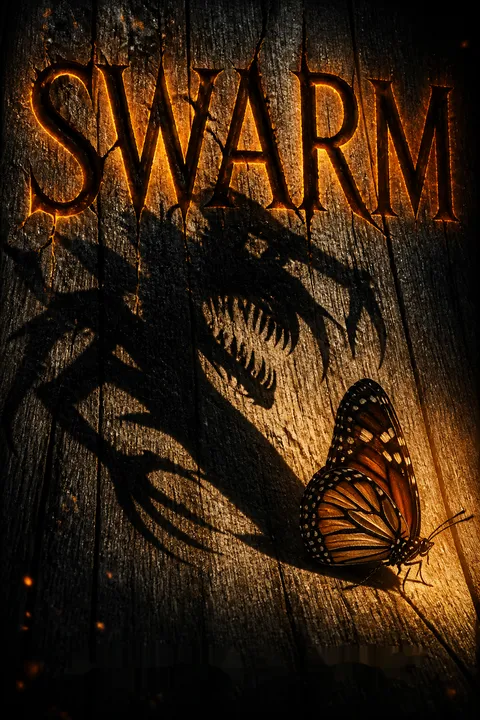
On the drive home, the group's car is attacked by a butterfly. What seemed like a strange, oversized insect becomes a nightmare: the butterfly's body splits open to reveal a mouth full of teeth, and its legs are crablike, ending in claws. The attack is violent and traumatic, especially for Little, who screams in terror. The group realizes these are not just mutated insects—they are predators, and humanity is prey. The emotional impact is immediate: fear, disbelief, and the loss of innocence.
Panic in the Streets
As they drive through town, Shur and her friends witness more attacks—people are being bitten, blood is spilled, and the authorities are powerless. The streets are filled with confusion, denial, and horror. The group's sense of isolation grows as they realize help is not coming. The world is no longer safe, and the rules have changed. The chapter captures the collective panic and the beginning of a new, brutal reality.
Home as Fortress
The group reaches Shur's house, but safety is an illusion. Butterflies swarm outside, and the threat is constant. The family must make hard choices: board up windows, ration food, and prepare for a siege. Shur's anxiety is both a liability and a strength—her need for control drives her to organize, plan, and protect. The house becomes a fortress, but also a prison. The emotional toll is heavy, as the group grapples with fear, responsibility, and the burden of leadership.
Family, Friends, and Fear
As the crisis deepens, the bonds between Shur, Keene, Jenny, Nathan, and Little are tested. Old wounds resurface—grief over their father's death, Shur's mental health struggles, Jenny's troubled home life. Arguments flare, especially between Shur and Keene, as they clash over how to cope and who should lead. The group must learn to rely on each other, even as fear and uncertainty threaten to tear them apart. The chapter explores the psychological cost of survival and the importance of chosen family.
The World Shuts Down
News reports confirm the butterflies are everywhere, and the government declares a national emergency. The president's address offers little comfort—no one knows where the creatures came from or how to stop them. Theories abound: climate change, ancient species, biological attack. The world is united in fear and ignorance. The group realizes they are on their own, and the only certainty is that things will get worse before they get better.
Monsters at the Door
The butterflies are not the only danger—looters and armed vigilantes roam the streets. The group witnesses a drive-by shooting, and their house is nearly hit. The need for security intensifies: they must board up more windows, prepare for human threats, and decide how far they are willing to go to protect themselves. The line between inside and outside, safety and danger, becomes razor-thin. The emotional strain is palpable, as paranoia and exhaustion set in.
Survival Routines
Days blur together as the group settles into routines: rationing food, teaching Little, maintaining hygiene, and keeping watch. The monotony is broken by moments of terror—noises in the attic, power outages, and the constant threat of attack. Shur's anxiety is both soothed and exacerbated by the need for order. The group's resilience is tested, and small victories—like making s'mores or finding clean clothes—become lifelines. The chapter captures the psychological grind of survival.
Boredom and Breakdown
The stress of confinement leads to boredom, irritability, and emotional breakdowns. Little becomes restless and throws tantrums; Keene and Shur argue; Jenny withdraws into research and doomscrolling. The group struggles to maintain hope and purpose. The emotional arc is raw—fear gives way to despair, and the threat of mental collapse becomes as real as the physical danger outside. The chapter explores the limits of endurance and the need for connection.
The Bite and the Fever
Jenny is bitten by a butterfly while trying to light a fire. The wound is gruesome, and the group must decide how to treat it—improvised medicine, cauterization, and desperate hope. As Jenny's fever rises, she becomes delirious, and the fear of infection—of turning into something monstrous—haunts everyone. The group faces the possibility of losing one of their own, and the emotional stakes are raised to their highest point. Sacrifice, love, and the will to survive are put to the ultimate test.
The Waiting Game
With Jenny quarantined, the group waits—watching for signs of infection, listening for news, and hoping for rescue. The butterflies begin to die off, but the threat of the infected remains. The group is haunted by what they have lost and what they might still lose. The emotional atmosphere is tense and claustrophobic, as hope and despair battle for dominance. The chapter captures the agony of waiting and the courage required to face the unknown.
The Barn Run
With resources dwindling, the group must risk a run to the barn for plywood and tools. Jenny and Nathan volunteer, donning makeshift armor and braving the swarm. The mission is harrowing—close calls, quick thinking, and teamwork are required to succeed. The return is triumphant but sobering: survival depends on calculated risk and mutual trust. The chapter highlights the necessity of action and the bonds forged in crisis.
Losses and Arguments
The group suffers losses—Jenny's infection, Nathan's injury, the death of neighbors. Arguments flare as guilt and grief overwhelm reason. Shur and Keene confront their unresolved pain over their father's death, and the group must reckon with the reality that not everyone can be saved. The emotional arc is one of catharsis and acceptance, as the group learns to mourn and move forward.
Jenny's Sacrifice
Realizing she may be turning, Jenny chooses to quarantine herself in the barn, leaving a note for Shur. Her sacrifice is both heartbreaking and heroic—she refuses to endanger the others, even as she faces her own mortality. The group is devastated, but Jenny's courage inspires them to keep fighting. The chapter is a meditation on love, loss, and the meaning of family.
The Infected Among Us
As the butterflies die off, the infected—humans transformed by the bite—become the new threat. They are violent, mindless, and relentless. The group must defend their home against former neighbors and strangers alike. The line between human and monster blurs, and the moral cost of survival becomes clear. The chapter explores the horror of losing one's humanity and the strength required to hold onto it.
Hope and Hard Choices
With the worst seemingly over, the group faces hard choices: whether to stay or seek help, how to care for the wounded, and how to rebuild. News of government intervention offers hope, but the scars of trauma remain. The group's resilience is tested one last time as they confront the possibility of a new beginning. The emotional arc is one of cautious optimism, tempered by the memory of loss.
The Final Stand
When an infected breaks into the house, Shur and Keene must fight for their lives. The battle is brutal and desperate, but with Jenny's unexpected return, they prevail. The group is reunited, battered but alive. The final stand is both a literal and symbolic victory—the triumph of love, loyalty, and the human spirit over chaos and fear.
After the Swarm
In the aftermath, the group emerges into a changed world. The butterflies are gone, but the scars remain. They mourn their losses, celebrate their survival, and begin to rebuild. The family—by blood and by choice—remains at the center. The chapter ends on a note of hope: winter brings peace, and the promise of spring is a reminder that life, though fragile, endures.
Analysis
A modern allegory of anxiety, resilience, and found familySwarm is more than a survival thriller—it's a meditation on how ordinary people, especially young people, confront the unimaginable. The monstrous butterflies are both literal threats and metaphors for the unpredictable disasters—personal and global—that upend our lives. Through Shur's anxious, determined perspective, the novel explores the paradox of vulnerability as strength: her mental health struggles, often stigmatized, become the very qualities that enable her to lead, adapt, and protect. The story's emotional arc is one of loss, adaptation, and the forging of new bonds—chosen family, not just blood, becomes the anchor in chaos. The infected, once neighbors and friends, force the characters to grapple with the boundaries of mercy and survival, echoing real-world dilemmas in times of crisis. Ultimately, Swarm is about hope: the belief that, even after the worst has happened, we can rebuild, love again, and find meaning in the ashes. The lesson is clear—resilience is not about never breaking, but about coming together, healing, and daring to hope for spring after the longest winter.
Characters
Shur Riordan
Shur is a teenage girl whose life is defined by anxiety and a need for order, stemming from the trauma of her father's death. She is fiercely protective of her family—twin brother Keene and little brother Little—and her best friend Jenny. Shur's anxiety, often seen as a weakness, becomes her greatest strength in crisis: she plans, organizes, and anticipates danger. Her relationships are complex—she clashes with Keene over control, supports Jenny through trauma, and finds unexpected connection with Nathan. Shur's psychological journey is one of growth: from overwhelmed teen to resilient survivor, learning to accept imperfection and loss while holding her family together.
Keene Riordan
Keene is Shur's twin brother, her mirror and foil. He is athletic, practical, and often the voice of reason, but struggles with his own grief and guilt over their father's death. Keene's protectiveness sometimes manifests as control, leading to clashes with Shur. He is deeply loyal to his siblings and friends, willing to risk himself for their safety. Keene's development is marked by his transition from carefree teen to responsible leader, learning to balance action with empathy and to trust others, especially his sister.
Jenny
Jenny is Shur's best friend, a gifted student with a troubled home life. Her intelligence and curiosity drive her to research the butterflies and seek solutions, but she also uses knowledge as a shield against fear. Jenny's relationship with Shur is deep and supportive, but complicated by her own insecurities and need for belonging. When bitten, Jenny faces her mortality with courage, choosing to quarantine herself to protect the group. Her sacrifice is a testament to her love and loyalty. Jenny's arc is one of self-acceptance and agency, reclaiming her worth in the face of abandonment and danger.
Nathan
Nathan is Keene's best friend, often the joker but with a deep well of empathy. He is quick to act, sometimes impulsively, but always with the group's best interests at heart. Nathan's relationship with Shur evolves from friendship to something more, providing emotional support and grounding her anxiety. His injury becomes a symbol of vulnerability, forcing him to rely on others and confront his own fears. Nathan's development is about finding strength in dependence and learning that courage is not the absence of fear, but action in spite of it.
Little (Shawn)
Little is Shur and Keene's much younger brother, conceived after their father's death. He is the group's emotional center, his innocence both a source of joy and a reminder of what's at stake. Little's reactions—fear, boredom, tantrums—mirror the group's own struggles, but his resilience and adaptability inspire them to keep going. Protecting Little becomes the group's primary motivation, and his survival is a testament to their love and sacrifice.
Mom (Ellen Riordan)
Shur's mother is trapped at work for most of the crisis, her absence a constant ache for the group. She is practical, loving, and resourceful, having prepared the family for emergencies in ways that prove invaluable. Her voice—through phone calls and memories—guides Shur and Keene, reminding them of their responsibilities and the importance of hope. Mom's eventual return is a moment of catharsis, symbolizing the possibility of healing and reunion.
Bill
Bill is the Riordans' across-the-street neighbor, a gruff but kind man with a penchant for prepping and a deep affection for the family. He provides practical support—food, weapons, advice—and represents the best of community in crisis. Bill's presence is reassuring, but also a reminder of the limits of individual preparedness. His fate is uncertain, reflecting the randomness of survival.
The Butterflies (Interfectorem Papilionem)
The butterflies are both literal monsters and metaphors for uncontrollable change. Their sudden appearance, predatory behavior, and rapid die-off mirror the unpredictability of disaster and the fragility of human order. They force the characters to confront their fears, adapt, and redefine what it means to be safe. The butterflies' lifecycle—emergence, predation, decay—parallels the characters' own journeys through trauma and recovery.
The Infected
The infected are people transformed by the butterflies' bite—violent, mindless, and relentless. They represent the ultimate loss of self, the fear of becoming what one dreads. Encounters with the infected force the group to make impossible choices, blurring the line between mercy and survival. The infected are a warning: the real danger is not just outside, but within.
Dad (Sean Riordan)
Though dead before the story begins, Shur and Keene's father shapes their actions and emotions. His loss is the original trauma that defines the family's dynamics—Shur's anxiety, Keene's protectiveness, Mom's resilience. Memories of Dad provide comfort and guidance, but also pain and longing. His absence is a reminder that survival is not just about living, but about carrying forward the love and lessons of those lost.
Plot Devices
Sudden Catastrophe and Isolation
The story uses the device of a sudden, inexplicable disaster—the emergence of monstrous butterflies—to thrust ordinary characters into extraordinary circumstances. The rapid breakdown of society, communication failures, and the imposition of lockdown create a sense of claustrophobia and urgency. Isolation intensifies the characters' psychological struggles, making the home both a sanctuary and a prison.
Psychological Realism and Internal Monologue
Shur's internal monologue, shaped by her anxiety, provides a lens for the reader to experience the crisis. Her obsessive planning, catastrophizing, and need for control are both sources of tension and tools for survival. The narrative structure alternates between action and introspection, allowing for deep character development and emotional resonance.
Found Family and Chosen Bonds
The plot foregrounds the importance of chosen family—friends who become siblings, neighbors who become protectors. The group's survival depends on mutual trust, sacrifice, and the willingness to confront painful truths. The device of found family allows for exploration of themes like loyalty, forgiveness, and the redefinition of home.
Infection and Transformation
The threat of infection—physical and psychological—drives much of the plot's tension. The transformation of bitten characters into monsters is both a literal danger and a metaphor for the loss of self, the fear of becoming other. The device is used to explore questions of agency, mercy, and the limits of love.
Foreshadowing and Parallelism
The narrative uses foreshadowing—memories of Dad's death, Shur's anxiety attacks, Jenny's troubled home life—to parallel the unfolding disaster. The characters' past losses prepare them (and the reader) for the choices they must make. The structure is cyclical: the story begins and ends with the possibility of new disaster, but also with hope and resilience.
Symbolism of the Home
The transformation of the family home into a fortress is a central device, symbolizing the tension between safety and confinement. The boarded windows, locked doors, and improvised defenses are both practical and psychological barriers. The eventual need to leave or defend the home becomes a metaphor for growing up, letting go, and facing the unknown.
Download PDF
Download EPUB
.epub digital book format is ideal for reading ebooks on phones, tablets, and e-readers.








































