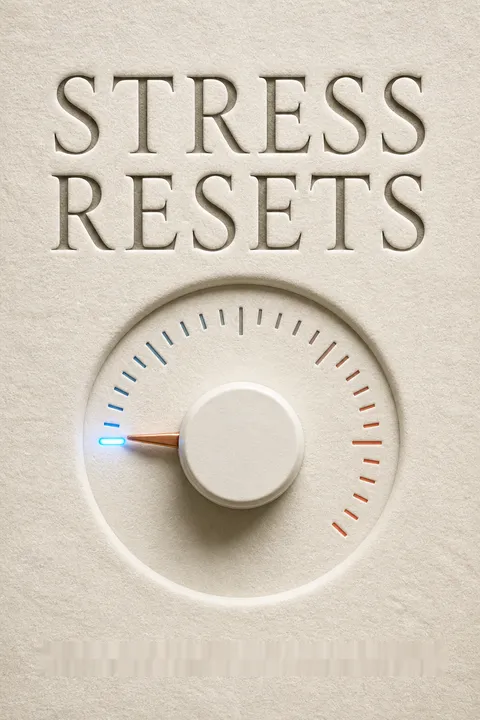

Key Takeaways
1. Shift Your Stress Mindset: From Threat to Opportunity
The hopeful news is that depending on how you approach stress, you can make it work for you instead of hold you up.
Stress is perception. Stress often arises from perceiving a mismatch between our resources and life's demands. However, this perception is key: if you believe you can manage a daunting situation, stress can transform into a positive challenge. Clinical psychologist Dr. Richard Lazarus broadened the definition of stress to include our reaction, highlighting that our response significantly influences how stressed we ultimately feel.
Reframe anxiety as excitement. Pioneering research by Dr. Alia Crum on stress mindset suggests that viewing stress as potentially useful can be empowering. Instead of trying to "calm down" before a performance, Dr. Alison Wood Brooks recommends reappraising anxiety as excitement, which can boost confidence and performance. Similarly, Dr. Jeremy Jamieson's work shows that reappraising physical symptoms like butterflies as helpful (e.g., oxygen delivery) can improve outcomes.
Embrace growth. Adopting a "synergistic mindset"—combining a growth mindset with a stress-can-be-enhancing view—allows us to approach all stressors with greater faith in ourselves. This perspective helps us see challenges as opportunities for evolution and growth, rather than solely as burdens. Moderate exposure to stress, when managed adaptively, actually builds resilience and can lead to better long-term outcomes.
2. Master Your Emotions: Observe, Don't Judge
The goal of emotion regulation is to be able to experience your feelings almost as if they’re on a dimmer instead of a light switch—you aren’t turning them on or off, but simply getting rid of the harsh glare.
Emotions are interconnected. Stress and emotions are deeply intertwined; managing one significantly improves the other. A crucial first step in emotion regulation is to stop judging what you're feeling. When you move from primary emotions (what you initially feel) to secondary emotions (what you feel after judging the primary emotion, like shame about anger), you lose sight of the original issue and intensify suffering.
Understand the ARC. Emotions follow a predictable pathway: Antecedent (the trigger), Response (thoughts, physical sensations, behaviors), and Consequences (short-term and long-term). By breaking down an emotional experience into this ARC, you can identify specific points to intervene and mitigate the emotion's intensity. For example, Melanie's anger at her husband (antecedent) led to snapping (behavior) and guilt (consequence).
Revamp your ARCs. You can actively change how emotions unfold. Strategies include:
- Anticipating antecedents: Proactively planning for triggers.
- Thinking flexibly: Challenging catastrophic thoughts and seeking alternative interpretations.
- Accepting physical sensations: Allowing uncomfortable bodily feelings to exist without judgment, knowing they are transient.
- Acting opposite: Engaging in behaviors contrary to your emotional urges (e.g., being kind when angry) to shift your emotional state and achieve long-term goals.
3. Silence Overthinking: Reclaim Your Mental Space
A human mind is a wandering mind, and a wandering mind is an unhappy mind.
Overthinking's hidden costs. Overthinking, or rumination, is a repetitive, passive mental habit that feels productive but actually drains energy and steals joy. It's easy to assume that constantly replaying problems helps us understand or prepare, but it often keeps us stuck in mental ruts, leading to increased anxiety and procrastination. This "chewing without digesting" prevents genuine problem-solving.
Mind-body connection. Psychologists use the term "perseverative cognition" to describe how rumination turns acute stress into prolonged stress. This constant mental engagement can significantly impact physical health, leading to:
- Compromised sleep
- Increased blood pressure
- Heightened risk of psychological problems like PTSD, even from past events.
Our bodies react to imagined threats as if they are real, making it crucial to break this cycle.
Practical strategies. To break free from overthinking:
- Cognitive defusion: Sing your negative thoughts to take them less seriously.
- Self-distancing: Observe difficult experiences from a detached perspective (e.g., "You think you made a mistake" instead of "I made a mistake").
- Swap "why" with "how": Shift from unproductive questioning to action-oriented planning.
- Reschedule ruminating: Designate specific "worry time" to contain intrusive thoughts.
- Get absorbed: Engage in captivating activities to redirect focus and enter the present moment.
4. Choose Wise Coping: Beyond Quick Fixes
Anything that quickly changes how someone feels is going to have abuse liability.
The allure of escape. When overwhelmed, humans instinctively seek quick relief, often turning to substances like benzodiazepines (Xanax, Klonopin) or cannabis, or distractions like excessive social media. While these offer immediate calm or escape, they prevent the development of genuine coping skills and can lead to deeper problems. Cameron's reliance on Klonopin and weed to manage work stress and boredom is a common example.
The trap of negative reinforcement. Many believe they use substances for positive reinforcement (pleasure), but often it's negative reinforcement—removing something unpleasant like stress or panic. This creates a cycle where the brain reduces its natural ability to cope, leading to dependence and intensified withdrawal symptoms if use is stopped. Benzodiazepines, for instance, can cause heightened anxiety, irritability, and even "iatrogenic brain injury" with prolonged use.
Embrace discomfort for growth. True freedom comes from learning to navigate discomfort, not escape it. This involves:
- Facing irrational fears: Exposure therapy, like Cameron systematically addressing his fear of flying.
- Developing task-orienting cognitions (TOCs): Swapping self-defeating thoughts ("It's too much—I can't") with empowering ones ("I got this—I can start now").
- Seeking professional help: Especially for substance dependence, as early intervention and a slow taper are crucial for sustainable change.
By choosing to sit with discomfort and build skills, you enhance self-efficacy and long-term well-being.
5. Anchor to Purpose: Live Your Values
The challenge would be to help him accept his discomforts yet continue to persevere in being who he wanted to be.
Beyond immediate challenges. Stress often narrows our focus to immediate problems, obscuring our larger hopes and dreams. Thriving requires consciously expanding our attention to meaning and purpose. The "miracle question" (e.g., "If a miracle happened and your problems disappeared, what would your life look like?") helps envision an ideal future, inspiring steps toward positive change.
Values as a compass. Differentiating between goals (outcomes like pain relief) and values (how you want to behave, like being a thoughtful partner) is crucial. Values are not tasks to be completed but ongoing virtues to embody. Living a life aligned with your values, even amidst physical pain or financial pressures, provides a profound sense of autonomy and reduces suffering. Gary, initially "Grumpy Gramps," rediscovered his values of being a thoughtful partner and grandparent.
Practical tools for values. To translate values into action:
- Bull's-eye values clarification: Visually mapping out priorities in areas like health, relationships, work, and leisure.
- Matrix exercise: Listing behaviors to "move away" from (e.g., ruminating) and "move toward" (e.g., helping granddaughter with homework).
- Self-regulating behaviors: Consistently acting in ways that reflect your values, like Gary's morning coffee ritual with his wife.
This proactive engagement with purpose boosts resilience, reduces distress, and fosters a sense of fulfillment, even when external circumstances remain challenging.
6. Immediate Relief: Quick Mind & Body Resets
Peace of mind isn’t life feeling easy; it’s knowing you can manage, regardless of what comes up.
Rapid recalibration. When intense stress hits, we need quick, evidence-based strategies to pause and reset rather than spiraling. These "stress resets" are designed to be short—many take just five minutes—and offer immediate, temporary relief, acting like emotional urgent care. The goal is not to eliminate stress, but to manage it with greater self-compassion and flexibility.
Mind-focused techniques. To untangle from overwhelming thoughts:
- Radical Acceptance: Wholeheartedly allowing the present moment, exactly as it is, to reduce suffering caused by fighting reality.
- Name That Emotion: Precisely labeling your feelings (e.g., "disappointment" instead of "bad") to reduce their intensity and grip on your brain.
- Sing Your Thoughts: Playfully singing negative thoughts to a tune, a cognitive defusion technique that helps you take them less seriously.
Body-focused techniques. To calm physiological arousal:
- Cool Down (TIPP): Immersing your face in ice water for 30-60 seconds activates the vagus nerve, slowing heart rate and dampening emotional intensity.
- Sigh It Out (Physiological Sigh): Taking two quick inhales through the nose followed by a long exhale through the mouth to quickly calm the nervous system and release carbon dioxide.
- Progressive Muscle Relaxation: Systematically tensing and releasing muscle groups to release stored physical tension and promote relaxation.
7. Build Lasting Resilience: Proactive Buffers
By developing good habits and continuously facing your life in a way that feels courageous, you’ll build an emotional cushion, making it easier to reset and persevere during trying times.
Preventative mental health. While resets address acute stress, "stress buffers" are long-term strategies for building resilience and a nourishing life. These are like preventative medicine, establishing consistent habits and structures that reduce reactivity and increase confidence in managing future challenges. Tracking progress helps maintain motivation and reinforces positive change.
Mind-building habits. To cultivate a healthier internal landscape:
- Untangle Core Beliefs: Identify and challenge outdated negative self-perceptions (e.g., "I'm not good enough") by acting counter to them, fostering a more objective self-view.
- Cope Ahead: Proactively plan for upcoming stressful situations, mentally rehearsing optimal performance and problem-solving logistics to reduce anxiety and improve outcomes.
- Look for the Good (Gratitude): Regularly list things you're thankful for or express gratitude to others, counteracting the brain's natural negativity bias and boosting mood and relationships.
Behavioral foundations. To create a more stable and fulfilling daily life:
- Prioritize an Exercise Routine: Regular physical activity significantly reduces stress, depression, and anxiety, while improving focus, sleep, and overall well-being.
- Stick to Your Plan, Not Your Mood: Engage in activities aligned with your goals even when unmotivated (behavioral activation), breaking cycles of sadness and procrastination.
- Do One Thing at a Time: Combat multitasking by focusing fully on single tasks, improving efficiency, reducing "brain drain," and fostering a sense of flow and accomplishment.
8. Cultivate Connection: The Power of Others & Self-Compassion
Social support is also a huge buffer to stress and improves our resilience along with our immunity.
The human need for connection. Loneliness is a significant stressor, eliciting a physiological stress response. Humans are social beings, and strong social ties are powerful buffers against stress, enhancing resilience and even immunity. Perceived social support—the belief that people are there for you—can be as impactful as actual support, highlighting the importance of recognizing and valuing your connections.
Intentional interactions. To strengthen relationships and reduce isolation:
- DEAR MAN (for conflict): A structured communication framework (Describe, Express, Ask, Reinforce, Mindful, Act confident, Negotiate) to assert needs effectively and respectfully, preventing misunderstandings and fostering closer ties.
- Cultivate Casual Connections: Engage in genuine, brief interactions with people you encounter daily (e.g., smiling, remembering names) to build community and reduce feelings of disconnectedness.
- Give the Gift of Curiosity: Listen attentively and ask open-ended questions, shifting focus from self-consciousness to genuine interest in others, which radiates charisma and deepens rapport.
Self-compassion as a foundation. Nurturing your inner world is vital for healthy external connections. Strategies include:
- Self-validation: Acknowledging and normalizing your own legitimate thoughts and feelings (e.g., "My stress makes sense given this situation") to ease distress and foster self-understanding.
- Loving-Kindness Meditation (LKM): A practice of offering well-wishes to yourself and others, which reduces self-criticism, builds positive emotions, and enhances empathy, making you more open to both giving and receiving support.
People Also Read








Download PDF
Download EPUB
.epub digital book format is ideal for reading ebooks on phones, tablets, and e-readers.








































