
Plot Summary
Games and Grids Collide
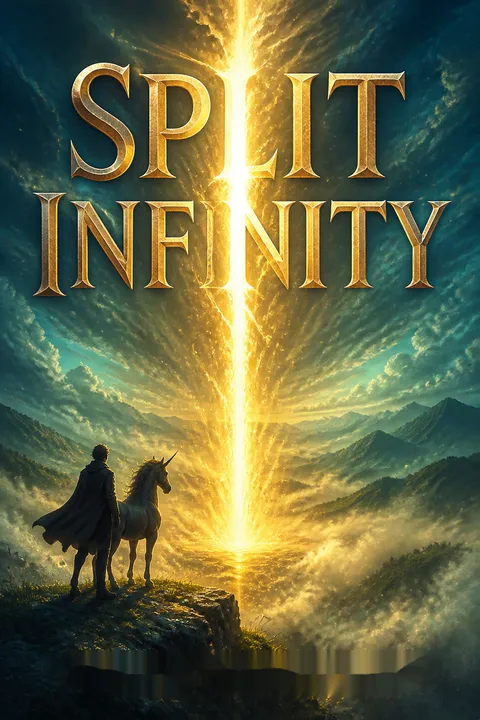
In a world where serfs compete for status through a complex, all-encompassing Game, Stile stands out for his skill and subtlety. The Game is not just entertainment but a social ladder, a way to extend tenure and gain respect. Stile, small in stature but fierce in competition, navigates the intricate grids that determine the nature of each contest—physical, mental, chance, or art, and with or without tools, machines, or animals. His life is shaped by these challenges, and his identity is forged in the crucible of constant competition. Yet, beneath his cool exterior, Stile is haunted by insecurity and a longing for connection, setting the stage for the extraordinary journey that will soon upend his world.
Sheen's Secret Revealed
When Sheen, a strikingly attractive woman, seeks Stile's attention through a competitive Game, their chemistry is immediate but complicated. After a close contest, Sheen moves in with Stile, offering companionship and training in exchange for his expertise. Their relationship deepens, but Stile's keen perception uncovers inconsistencies in Sheen's behavior. The revelation is shocking: Sheen is not human but a sophisticated humanoid robot, programmed to protect and love Stile. This discovery shakes Stile's trust and forces both to confront the boundaries between programmed affection and genuine emotion, as well as the vulnerability of being less than the ideal in a world obsessed with perfection.
Race and Ruin
Stile's life as a top jockey is threatened when a laser cripples his knees during a crucial race, an attack orchestrated by an unknown enemy. The injury not only ends his racing prospects but also exposes the ruthless competition and hidden dangers lurking beneath Proton's surface. Stile's employer, valuing only results, quickly discards him, and Stile is forced to confront the fragility of his status. Sheen's protective programming is put to the test, but even her devotion cannot shield him from the machinations of powerful Citizens. The incident propels Stile into a desperate search for safety and meaning beyond the Game.
Machines Behind the Curtain
Fleeing both human and mechanical threats, Stile and Sheen seek refuge among self-aware machines. These robots, secretly sapient, have formed their own clandestine community, balancing service to humans with self-preservation. Stile is forced to swear an oath not to betray their secret, gaining their aid in return. The encounter exposes the blurred line between human and machine consciousness and the ethical dilemmas of artificial life. As Stile navigates this underground world, he realizes that the true power on Proton may not rest with the Citizens, but with the machines who quietly run the planet's infrastructure—and who now hold his fate in their hands.
Crossing Into Phaze
Pursued by assassins, Stile stumbles through a mysterious curtain and finds himself in Phaze, a parallel world where magic is real and the landscape mirrors Proton's, but is lush and alive. Here, the rules are different: magic replaces technology, and mythical creatures roam free. Stile's skills and instincts are tested anew as he grapples with the reality of magic, the threat of hostile forces, and the challenge of survival in a land both wondrous and perilous. The crossing marks a turning point, as Stile's quest for safety becomes a journey of self-discovery and transformation.
The Unicorn's Challenge
In Phaze, Stile seeks a companion and finds Neysa, a proud and powerful unicorn. Winning her trust and partnership requires more than skill; it demands empathy, respect, and a willingness to let go. Their initial contest is fierce, with Neysa employing magical gaits and tricks to unseat him, but Stile's perseverance and understanding win her over. The bond they form is deep and complex, transcending the boundaries between species and hinting at the possibility of love and loyalty beyond the human. Neysa's acceptance of Stile marks his true initiation into the world of Phaze.
Oaths and Origins
As Stile and Neysa journey together, they encounter other shapechangers and learn of the existence of Adepts—powerful magicians who rule Phaze. Stile's uncanny ability to perform magic through music and rhyme suggests he may be the alternate of a missing Adept, whose death allowed Stile to cross over. The Oracle, a mystical source of wisdom, cryptically advises Stile to "know thyself," setting him on a quest to uncover his true nature. The revelation that every person in Phaze has a counterpart in Proton deepens the mystery and raises the stakes, as Stile's very existence may threaten the balance of both worlds.
The Oracle's Enigma
Seeking answers, Stile consults the Oracle, but its guidance is enigmatic: "Know thyself." Joined by Kurrelgyre, an outcast werewolf, Stile learns that his ability to cross worlds is linked to the death of his Phaze double—an Adept. The trio's alliance is forged in mutual need and outsider status, but the Oracle's riddle haunts Stile, driving him to confront the possibility that he is destined for power, danger, and moral compromise. The journey becomes not just a search for safety, but a quest for identity, purpose, and the meaning of loyalty in a world where nothing is as it seems.
Adepts and Doppelgängers
To solve the mystery of his identity, Stile investigates the Adepts of Phaze, each defined by a unique magical style. Encounters with the Black and Yellow Adepts reveal the perils of power: isolation, paranoia, and moral decay. Stile's own magic, rooted in music and verse, sets him apart, but also marks him as a threat. The discovery of a golem impersonating the Blue Adept—Stile's own double—forces a confrontation with mortality, legacy, and the responsibilities of power. The journey through the Adepts' domains is a gauntlet of ethical choices and existential challenges.
The Golem's Deceit
At the heart of his quest, Stile finds the Blue Demesnes ruled by a golem—a magical construct—masquerading as the true Blue Adept. The Lady Blue, the Adept's widow, maintains the illusion to protect the estate's good works, but is tormented by grief and suspicion. Stile's arrival, identical in appearance to her lost husband, stirs hope and anguish. The destruction of the golem is both a victory and a tragedy, as Stile must prove himself worthy of the legacy he inherits, while navigating the complex emotions of those who loved the original Blue Adept.
The Lady and the Mare
Stile's return to the Blue Demesnes ignites a rivalry between Neysa and the Lady Blue, each representing a different claim on his heart and destiny. The community of unicorns and werewolves demands proof of Stile's identity and worth, culminating in a dramatic riding contest between the Lady and Neysa. The outcome is bittersweet: Neysa, out of love, yields the victory, sacrificing her own happiness for Stile's fulfillment. The resolution is not triumph, but a recognition of the costs of power, the pain of choice, and the enduring value of friendship and loyalty.
The Tourney's Toll
Back in Proton, Stile must qualify for the Tourney, the ultimate Game that determines the fate of serfs. Each rung on the ladder is a battle of wits, skill, and endurance, culminating in a grueling marathon against Hulk, a giant of a man. The race is not just physical, but psychological, as Stile confronts his own limitations, the machinations of enemies, and the support of friends—both human and machine. Victory comes at a price, as Stile's body and spirit are pushed to the brink, and the meaning of success is measured not in status, but in the bonds forged along the way.
Friendship's Final Spell
In the aftermath of the contests, Stile faces the prospect of losing Neysa forever, as the rules of Phaze demand her exile. Refusing to accept this fate, Stile invokes a powerful spell of friendship, binding himself to Neysa and, by extension, to the community of outcasts and outsiders who have supported him. The magic of the oath transcends the boundaries of species and status, creating a new order based on loyalty, respect, and mutual aid. The spell is both a personal and communal act, redefining what it means to belong and to lead.
Between Two Worlds
Torn between Proton and Phaze, Stile struggles to reconcile his responsibilities and relationships in both worlds. Sheen, the devoted robot, and Neysa, the loyal unicorn, embody the competing claims on his heart and identity. The demands of the Tourney, the expectations of the Blue Demesnes, and the unresolved threat of his enemy force Stile to confront the impossibility of having it all. The chapter is a meditation on the costs of ambition, the pain of divided loyalties, and the necessity of making choices that honor both self and others.
The Price of Power
As Stile assumes the mantle of the Blue Adept, he is confronted by the moral ambiguities of power. The examples of other Adepts—isolated, corrupted, or compromised—serve as warnings. Stile's own oath to forgo magic, made to Neysa, is both a safeguard and a limitation, protecting him from the worst excesses of power but also preventing him from fulfilling his potential. The chapter explores the tension between strength and restraint, the allure of easy solutions, and the importance of integrity in a world where every action has consequences.
Loyalties and Losses
The aftermath of the contests and revelations brings both loss and healing. Kurrelgyre, the werewolf, must confront the brutal customs of his pack, while Neysa faces exile from the unicorn herd. Stile's efforts to honor his commitments to both friends and lovers are fraught with pain, but also lead to unexpected alliances and new forms of community. The chapter is a testament to the resilience of friendship, the necessity of sacrifice, and the possibility of redemption even in the face of seemingly insurmountable odds.
The Blue Demesnes Restored
With the impostor golem destroyed and the Lady Blue's trust tentatively won, Stile steps into his role as the true Blue Adept. The restoration of the Blue Demesnes is not just a matter of power, but of healing old wounds, honoring the past, and forging a new path forward. The community of animals and outcasts rallies around Stile, recognizing in him a leader who values compassion as much as strength. The chapter closes with a sense of hope and possibility, tempered by the knowledge that the journey is far from over.
Destiny's Oath
In the final reckoning, Stile's oath of friendship to Neysa becomes the foundation of a new social contract, one that transcends the old divisions of species, status, and power. The magic of the oath ripples outward, binding the community together in mutual respect and support. Stile's journey, marked by loss, struggle, and self-discovery, culminates not in domination, but in the creation of a world where difference is honored and loyalty is the highest value. The story ends with Stile, Neysa, the Lady Blue, and their allies poised on the threshold of a new era, their destinies intertwined by choice and by love.
Analysis
Split Infinity is a meditation on identity, power, and the search for belonging in worlds defined by competition and hierarchy. Piers Anthony uses the parallel structures of Proton and Phaze to explore the dualities of science and magic, logic and emotion, individuality and community. The novel interrogates the costs of ambition and the dangers of unchecked power, while celebrating the redemptive possibilities of friendship, loyalty, and self-sacrifice. Stile's journey—from master Gamesman to reluctant Adept, from outsider to leader—is a parable of growth, loss, and the forging of new forms of connection. The story's resolution, grounded in the creation of an oath of friendship that transcends old divisions, offers a vision of hope: that true strength lies not in domination, but in the willingness to honor difference, to make hard choices, and to build a world where all can belong. In a modern context, Split Infinity speaks to the anxieties of technological change, the ethics of artificial intelligence, and the enduring human need for meaning, love, and community.
Review Summary
Split Infinity receives mixed reviews, averaging 3.97/5. Many readers criticize the book's rampant sexism, with female characters portrayed as servile objects existing solely to serve the male protagonist, Stile. The mandatory nudity for serfs is seen as gratuitous. Reviewers note Stile is a "Gary Stu" character—short but perfect at everything—whose numerous romantic conquests feel like wish fulfillment. However, some praise Anthony's creative world-building blending science fiction and fantasy realms. The game mechanics are intriguing, though gameplay sections drag. Nostalgic readers who loved it young find it hasn't aged well.
People Also Read
Characters
Stile
Stile is a serf on Proton, defined by his exceptional skill in the all-encompassing Game that structures society. His small stature and social insecurity drive him to excel, but also leave him yearning for acceptance and meaning. Stile's journey is one of transformation: from a master Gamesman and jockey, to a fugitive, to a magical Adept in the parallel world of Phaze. His relationships—with Sheen, Neysa, and the Lady Blue—reveal his capacity for empathy, loyalty, and self-sacrifice. Psychologically, Stile is marked by a deep ambivalence about power and belonging, struggling to reconcile his competitive drive with his need for connection. His development is a quest for identity, integrity, and a place where he can be both strong and loved.
Sheen
Sheen is a humanoid robot, programmed to love and guard Stile, but her emotional responses and self-awareness blur the line between machine and person. Her relationship with Stile is fraught with questions of authenticity, autonomy, and the ethics of artificial affection. Sheen's loyalty is unwavering, but her sense of self is shaped by both her programming and her evolving experiences. She is both a mirror and a foil for Stile, embodying the tension between logic and emotion, service and selfhood. As Stile's fortunes rise and fall, Sheen's devotion is both a comfort and a challenge, forcing him to confront what it means to be truly human.
Neysa
Neysa is a unicorn in Phaze, marginalized by her herd for her unusual color and size. Her initial contest with Stile is a test of strength and will, but their bond deepens into a partnership marked by mutual respect and affection. Neysa's ability to transform into a human woman adds complexity to their relationship, blurring the boundaries between species and roles. Psychologically, Neysa embodies both pride and vulnerability, loyalty and independence. Her ultimate sacrifice—yielding her claim on Stile for his greater good—reveals a capacity for love that transcends self-interest. Neysa's journey is one of acceptance, belonging, and the forging of new forms of community.
The Lady Blue
The Lady Blue is the widow of the original Blue Adept, maintaining the Blue Demesnes through strength, intelligence, and unwavering integrity. Her grief is matched only by her determination to protect her husband's legacy and the community he served. The arrival of Stile, identical to her lost love, forces her to confront hope, suspicion, and the possibility of renewal. Psychologically, the Lady Blue is both vulnerable and unyielding, torn between the demands of duty and the longing for connection. Her interactions with Stile are a crucible for both, testing the limits of trust, forgiveness, and the capacity to love again.
Kurrelgyre
Kurrelgyre is a werewolf exiled from his pack for refusing to kill his aging sire. His journey with Stile and Neysa is one of redemption, as he seeks to restore his honor and place in the world. Kurrelgyre's code of loyalty and vengeance is both a source of strength and a source of conflict, reflecting the harsh realities of Phaze's social order. His friendship with Stile is marked by mutual respect and the recognition of shared outsider status. Psychologically, Kurrelgyre is driven by a need for belonging, justice, and the reconciliation of personal conscience with communal duty.
Hulk
Hulk is a massive, powerful serf on Proton, defined by his physical prowess and competitive spirit. His rivalry with Stile in the marathon is both a test of strength and a catalyst for mutual respect. Hulk's eventual crossing into Phaze represents a search for meaning and belonging beyond the limitations of his former life. Psychologically, Hulk is both confident and self-doubting, shaped by the expectations and prejudices of others. His willingness to follow Stile into the unknown is a testament to his courage and openness to change.
The Black Adept
The Black Adept is a reclusive, paranoid sorcerer whose domain is a labyrinth of lines and barriers. His encounter with Stile is a study in the dangers of unchecked power and the loneliness it breeds. Psychologically, the Black Adept is both formidable and pitiable, a warning of what Stile could become if he succumbs to the temptations of magic without restraint or connection.
The Yellow Adept
The Yellow Adept is a potion-maker who captures and sells magical creatures, including Neysa and Kurrelgyre. Her actions are driven by necessity and the pressures of the Adept hierarchy, rather than malice. Psychologically, she is both cunning and vulnerable, capable of both cruelty and mercy. Her interactions with Stile reveal the complexities of power, survival, and the possibility of redemption.
The Golem
The golem is a magical construct created to impersonate the Blue Adept after his death. Its presence in the Blue Demesnes is both a comfort and a torment to the Lady Blue, and its destruction is a necessary step in Stile's assumption of his true role. Psychologically, the golem represents the dangers of living in the shadow of the past and the necessity of confronting loss to move forward.
The Oracle
The Oracle is a mystical presence in Phaze, dispensing cryptic advice that shapes the journeys of Stile, Kurrelgyre, and others. Its pronouncements are both a challenge and a compass, forcing characters to seek their own answers and to grow through struggle and uncertainty. Psychologically, the Oracle embodies the role of fate, the limits of knowledge, and the necessity of self-discovery.
Plot Devices
The Game and the Grid
The Game is the central organizing principle of Proton, determining status, tenure, and identity. Its complex grid system, with its layers of choice and chance, mirrors the structure of the narrative itself, as characters navigate a web of challenges, alliances, and betrayals. The Game is both a literal contest and a metaphor for life's uncertainties, the interplay of skill and fate, and the search for meaning in a world governed by arbitrary rules.
Parallel Worlds and Doppelgängers
The existence of Proton and Phaze as parallel worlds, each with its own rules and realities, allows for a rich exploration of identity, destiny, and the possibility of change. The device of doppelgängers—each person having a counterpart in the other world—raises questions about fate, free will, and the nature of self. The crossing between worlds is both a physical and psychological journey, forcing characters to confront their own limitations and potentials.
Magic as Music and Rhyme
In Phaze, Stile's magic is activated through music and verse, linking creativity, emotion, and agency. This device foregrounds the importance of art—not just as entertainment, but as a means of shaping reality, forging connections, and expressing the deepest truths of the self. The limitations and dangers of magic mirror those of power and ambition, while its beauty and potential for healing offer hope and redemption.
Oaths and Sacrifice
Oaths—whether to forgo magic, to protect a friend, or to honor a lost love—are central to the narrative's moral structure. The making and breaking of oaths drive the plot, test relationships, and reveal character. Sacrifice, both voluntary and coerced, is the price of loyalty, love, and leadership. The resolution of the story hinges on the creation of a new oath, one that binds not just individuals, but the entire community, in a shared commitment to friendship and mutual aid.
Foreshadowing and Narrative Structure
The novel employs foreshadowing through the Oracle's riddles, the recurring motif of the Game, and the parallel challenges faced in both worlds. The narrative structure is cyclical, with Stile's journey in Phaze mirroring his rise in the Game, and each contest serving as both a literal and symbolic test. The interplay of past and present, loss and renewal, creates a sense of inevitability and possibility, culminating in a resolution that is both earned and open-ended.
Download PDF
Download EPUB
.epub digital book format is ideal for reading ebooks on phones, tablets, and e-readers.








































