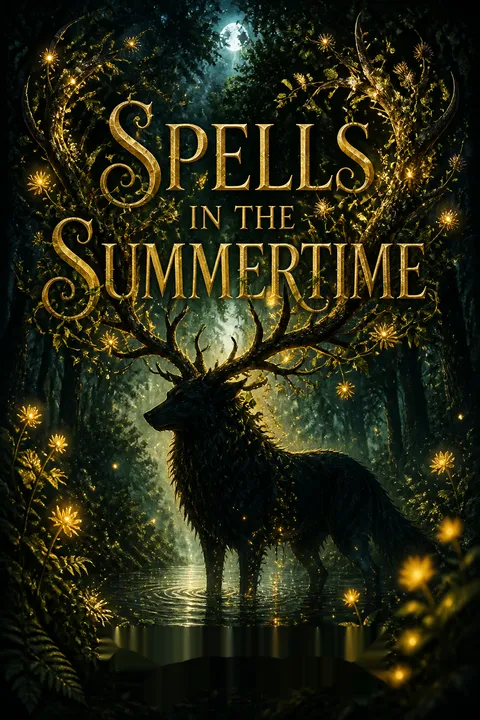

Summary Temporarily Unavailable
This summary is temporarily unavailable and is currently being updated. You can still explore the FAQs and other metadata below.
Plot Summary
Funeral Games and Schemes
The story opens with the funeral of Marjorie Maybrook, a reclusive witch whose death leaves a power vacuum in the magical town of Summerpoint. The founding families, especially the Grimsons, see her passing as an opportunity to seize her nature magic. Zane, a divination wix, is disgusted by their machinations and secretly casts a spell to summon a true Maybrook heir, hoping to thwart the Grimsons' plans. This act sets fate in motion, drawing Sylvia Holt—a distant relative—into the heart of Summerpoint's magical conflict. The stage is set for a battle over legacy, power, and the soul of the forest.
Witch's Awakening Aftermath
Sylvia, newly arrived and unaware of her magical heritage, is thrust into a world of spells, talking plants, and dangerous covens. After a magical battle at her cottage, she's left exhausted but protected by her found family: Jackson, Reese, and her animal familiars. The aftermath is messy—physically and emotionally—as the trio cleans up, tends to wounded magical allies, and tries to understand the new rules of their world. Sylvia's awakening as a witch is both a blessing and a burden, as she must quickly learn to wield her power and defend her home from those who would claim it.
Tarot, Trust, and Tension
Jackson confronts Zane about his true intentions, leading to a tense but revealing exchange. Zane's tarot readings hint at Sylvia's pivotal role in the coming upheaval, but his loyalties remain ambiguous. The trio—Sylvia, Jackson, and Reese—navigate the complexities of trust, love, and magical politics. Zane's history with Jackson resurfaces, complicating alliances and stirring old feelings. The chapter explores the fragile balance between personal desire and the greater good, as each character must decide where their loyalties truly lie.
Found Family, Found Power
As Sylvia recovers, her home becomes a sanctuary for a growing found family: her boyfriends, animal familiars, and even the wild thing Gyth. Together, they repair the cottage, strengthen magical defenses, and begin to understand the true nature of their coven—a community built on love, not bloodlines. The group's polyamorous dynamic deepens, offering comfort and strength in the face of external threats. The forest itself becomes an ally, its magic responding to Sylvia's care and intention, hinting at a new kind of power rooted in connection rather than control.
The Land and the Legacy
The coven's hierarchy is revealed to be tied to land ownership, with the Grimsons and Redmoons vying for dominance. Sylvia's refusal to sell her ancestral land thwarts the Grimsons' schemes and cements her place as the forest's true witch. The land's wildness, not just its acreage, is the source of magical strength—a lesson Zane takes to heart as he seeks his own path to power. The chapter explores themes of stewardship, belonging, and the responsibility that comes with inheritance, as Sylvia embraces her role as protector of both people and place.
Rest, Recovery, and Roots
Sylvia's attempts to heal a wounded tree mirror her own journey of recovery and growth. The forest, her familiars, and Gyth teach her that magic is a muscle—one that must be exercised, rested, and respected. The importance of self-care, patience, and community support is emphasized, as Sylvia learns that she cannot save the world alone. The chapter is a meditation on the cycles of nature, the necessity of rest, and the quiet strength found in roots—both literal and metaphorical.
Magic Lessons and Moon Cycles
With the new moon, Sylvia's magic returns, and she begins formal lessons with Zane. He teaches her to channel power from the land, not just herself, and to control her formidable abilities. The moon's cycles become a metaphor for the ebb and flow of strength, vulnerability, and renewal. The chapter delves into the mechanics of magic, the importance of intention, and the dangers of unchecked power. As Sylvia's confidence grows, so does her sense of responsibility—to her coven, her land, and herself.
Date Night in the Wild
Amidst magical turmoil, Sylvia, Jackson, and Reese carve out time for romance, sharing a magical date in the forest. Their relationship deepens, blending passion, vulnerability, and mutual support. The forest itself becomes a character, offering privacy, protection, and a sense of wonder. The chapter balances the sweetness of new love with the ever-present threat of the coven, highlighting the importance of joy and connection even in dark times.
Love, Lust, and Loyalty
The trio's relationship is tested and strengthened through honest communication, shared vulnerability, and physical intimacy. They navigate jealousy, insecurity, and the complexities of loving more than one person. The chapter is both steamy and heartfelt, celebrating the power of chosen family and the freedom to define love on one's own terms. Their bond becomes a source of magical strength, reinforcing the story's central theme: that true power comes from connection, not domination.
Secrets, Spells, and Sacrifice
The search for Margie's spellbook and the mysterious grimoire leads to revelations about the coven's dark past, the true nature of wild things, and the cost of magical power. The group uncovers the location of the imprisoned wild things and devises a risky rescue plan. Zane's double-agent role becomes more perilous, as he balances loyalty to his friends with the need to deceive the Grimsons. The chapter explores the tension between secrecy and transparency, and the sacrifices required to protect what matters most.
The Spellbook and the Grimoire
Margie's spellbook is revealed to be a collection of recipes—magic rooted in care, community, and healing. The grimoire, written in the language of wild things, is the true source of the coven's contract with the forest. These books become central to the coming conflict, representing the choice between corrupted power and restorative magic. The chapter highlights the importance of history, memory, and the wisdom of those who came before.
Coven Plots and Power Plays
The Grimsons accelerate their plans to replace the Maybrook line, using the blood of wild things to fuel their magic. Zane maneuvers for position within the coven, risking everything to sabotage their ritual from within. Nora, posing as Zane's girlfriend, infiltrates the Grimsons' mansion to deliver magical aid to the imprisoned wild things. The chapter is a tense game of cat and mouse, with every character playing a role in the larger battle for the soul of Summerpoint.
Allies, Enemies, and Epiphanies
As the rescue plan unfolds, the boundaries between ally and enemy become increasingly complex. Zane's true loyalties are tested, and he must decide how much he's willing to sacrifice for love and justice. The wild things, once seen as mere sources of power, are revealed as sentient beings with their own agency and pain. The chapter is a meditation on empathy, redemption, and the possibility of change—even for those who have done harm.
The Rescue Plan
The group executes their daring plan to free the wild things from the Grimsons' mansion. Nora's skills, Sylvia's magic, and the support of their found family are put to the test. The rescue is fraught with danger, requiring quick thinking, courage, and trust. The chapter is a high-stakes heist, blending magical action with emotional intensity, as each character confronts their fears and proves their loyalty.
Rituals, Rebellion, and Ruin
The coven's ritual begins, fueled by the blood of wild things and the ambition of the Grimsons. Sylvia, Zane, and their allies launch a desperate assault, using every spell, trick, and ounce of courage they possess. The forest itself rises in rebellion, lending its power to the true coven. The battle is chaotic, brutal, and transformative, with lives and legacies hanging in the balance. Sacrifices are made, bonds are broken and reforged, and the true meaning of power is revealed.
Breaking the Bonds
Zane breaks his bond to the coven in a devastating act of self-sacrifice, shattering the old order and freeing the wild things. The cost is immense—lives are lost, and the magical fabric of Summerpoint is forever changed. The coven's spell protecting the town begins to unravel, forcing Sylvia and her allies to confront the consequences of their rebellion. The chapter is both triumphant and mournful, honoring the pain of the past while opening the door to a new future.
Aftermath and New Beginnings
In the wake of the battle, the survivors gather to mourn, heal, and rebuild. Sylvia, now fully embraced as the Holt and the forest's witch, leads her found family in forging a new kind of coven—one based on love, consent, and mutual aid. The wild things are free, the land is restored, and the promise of a better future glimmers on the horizon. The story ends with a sense of hard-won hope, as the characters look forward to a life where magic is a gift to be shared, not a weapon to be hoarded.
Analysis
A modern fable of power, love, and resistance
Spells in the Summertime reimagines the witchcraft fantasy as a story of found family, queer love, and ecological stewardship. At its heart, the novel is a critique of inherited power—whether through bloodlines, land, or tradition—and a celebration of the messy, beautiful work of building community. The polyamorous relationships are not just romantic subplots but central to the story's vision of a new kind of coven: one based on consent, mutual aid, and the rejection of hierarchy. The wild things and the forest serve as metaphors for the parts of ourselves and our world that are most vulnerable to exploitation, yet most essential for healing. The book's lessons are clear: true power is not hoarded but shared; magic is not about domination but connection; and the future belongs to those willing to break old bonds and imagine new ways of being together. In a time of ecological crisis and social upheaval, Spells in the Summertime offers a hopeful, radical vision of what it means to belong—to each other, to the land, and to ourselves.
Last updated:
Report IssueReview Summary
Characters
Sylvia Holt
Sylvia is a biracial woman who inherits her great-aunt's cottage and, unknowingly, her magical legacy. Initially an outsider, she becomes the true witch of the Holt Forest, forging a new kind of coven based on love, consent, and community. Sylvia's journey is one of self-discovery, as she learns to wield her formidable nature magic, heal old wounds, and build a found family. Her empathy, resilience, and refusal to be corrupted by power make her both a target and a beacon. She struggles with imposter syndrome and the weight of responsibility, but ultimately embraces her role as protector of both people and place.
Jackson Waller
Jackson is a rugged, tattooed contractor with a gentle heart. Bisexual and polyamorous, he is deeply committed to both Reese and Sylvia. Jackson's history with Zane is complicated—first love, heartbreak, and lingering feelings—but his loyalty to his chosen family is unwavering. He is practical, grounded, and fiercely protective, often putting others' needs before his own. Jackson's journey is about learning to accept love, trust, and vulnerability, as well as navigating the complexities of polyamory and magical politics.
Reese
Reese is Jackson's long-time partner, a man of quiet strength and deep empathy. He is the emotional glue of the trio, offering support, comfort, and wisdom. Reese's journey is one of self-acceptance, as he learns to embrace his bisexuality, his place in a polyamorous relationship, and his role as a familiar to both Sylvia and the skunks. He is open-minded, nurturing, and unafraid to confront difficult emotions. Reese's ability to listen, adapt, and love unconditionally makes him indispensable to the group's survival and happiness.
Zane Harkness
Zane is a complex figure—cunning, ambitious, and deeply wounded. Bound to the coven against his will, he plays a dangerous game as a double agent, working to undermine the Grimsons from within. His love for Jackson and growing affection for Sylvia complicate his loyalties, driving him to acts of both self-sacrifice and deception. Zane's magic is rooted in divination, chance, and manipulation of fate. He is haunted by guilt, longing for redemption, and ultimately willing to risk everything to break the coven's hold and free the wild things. His arc is one of atonement, loss, and the hope of a second chance.
Nora
Nora is Sylvia's first true friend in Summerpoint—a barista, lock-picking nerd, and unapologetic bimbo when the situation calls for it. She is fiercely loyal, quick-witted, and unafraid to get her hands dirty. Nora's willingness to infiltrate the Grimsons' mansion and her ability to adapt make her an invaluable ally. She represents the power of ordinary people to make a difference, and her partnership with Jayden adds depth to the story's exploration of chosen family and queer identity.
Gythiom (Gyth)
Gyth is a shape-shifting, ancient being—the last free wild thing and the source of the forest's magic. He is both animal and plant, wise and childlike, and serves as Sylvia's guide to the deeper mysteries of magic. Gyth's trauma from witnessing his kin's captivity and death fuels his desire for freedom and restoration. He is a symbol of nature's resilience and the cost of exploitation. Gyth's relationship with Sylvia is one of mutual respect, teaching her that true power comes from harmony, not domination.
Kingsley Grimson
Kingsley is the ruthless head of the Grimson family and the coven. Obsessed with power, immortality, and control, he is willing to sacrifice anyone—including his own son—to maintain his dominance. Kingsley embodies the dangers of corrupted magic, toxic masculinity, and generational trauma. His downfall is both a personal tragedy and a necessary step for the community's healing.
Lucien Grimson
Lucien is Kingsley's son, groomed to inherit the coven's power but lacking the wisdom or empathy to wield it well. He is both a victim and a perpetrator, complicit in the coven's crimes but ultimately destroyed by his father's ambition. Lucien's arc is a cautionary tale about the cost of blind obedience and the dangers of inherited power without understanding.
The Skunks (Flower, Sprig, Twig, Fern)
The skunks are more than animal companions—they are sentient, opinionated, and fiercely protective of Sylvia and her coven. Each has a distinct personality: Flower is the wise matriarch, Sprig is brave, Twig is eager, and Fern is nurturing. Their ability to communicate, strategize, and even become familiars to the human characters adds both humor and heart to the story. They symbolize the magic of the everyday and the importance of respecting all forms of life.
The Wild Things (Xilen, Yatir)
Xilen (not-wolf) and Yatir (not-deer) are the last of the wild things, held captive and drained for their magic by the coven. Their suffering is a powerful metaphor for the exploitation of nature and the consequences of unchecked ambition. Their eventual liberation is both a personal victory and a turning point for the entire community, restoring balance and opening the door to a new era of magic.
Plot Devices
Duality of Power and Corruption
The narrative explores the dual nature of power—its potential for healing and its capacity for harm. The coven's corrupted rituals, fueled by the blood of wild things, stand in stark contrast to Sylvia's restorative, community-based magic. The story uses the motif of the spellbook and the grimoire to symbolize the choice between domination and stewardship. The breaking of magical bonds, both literal and metaphorical, serves as a recurring device to illustrate the cost of freedom and the necessity of sacrifice.
Found Family and Polyamory
The story centers on a polyamorous triad (and potentially more), using their relationship as a model for chosen family, mutual support, and the rejection of traditional hierarchies. The found family trope is subverted and deepened, showing that love—romantic, platonic, and communal—is the true source of magical power. The narrative structure weaves together multiple points of view, allowing readers to experience the emotional complexity and growth of each character.
Nature as Character and Ally
The forest is not just a setting but an active participant in the story. Its magic, voice, and agency shape the plot, offering both protection and challenge. The wild things, skunks, and even the house itself become extensions of Sylvia's power, blurring the line between human and nonhuman agency. The motif of land ownership as a source of power is used to critique colonialism, patriarchy, and the commodification of nature.
Foreshadowing and Divination
Zane's tarot readings, the recurring appearance of the Eight of Cups, and the ambiguous prophecies create a sense of inevitability and suspense. The use of divination as both a plot device and a metaphor for choice versus destiny adds depth to the narrative. The story frequently foreshadows major events—betrayals, sacrifices, and transformations—while leaving room for hope and surprise.
Heist and Ritual Structure
The climax is structured as a magical heist, with each character playing a crucial role in the plan to free the wild things and disrupt the coven's ritual. The use of parallel rituals—one corrupted, one restorative—heightens the tension and underscores the theme of competing visions for the future. The breaking of the coven's bonds is both a literal and symbolic act, shattering old systems and making way for new magic.
About the Author
Other books by Auryn Hadley
Download PDF
Download EPUB
.epub digital book format is ideal for reading ebooks on phones, tablets, and e-readers.








































