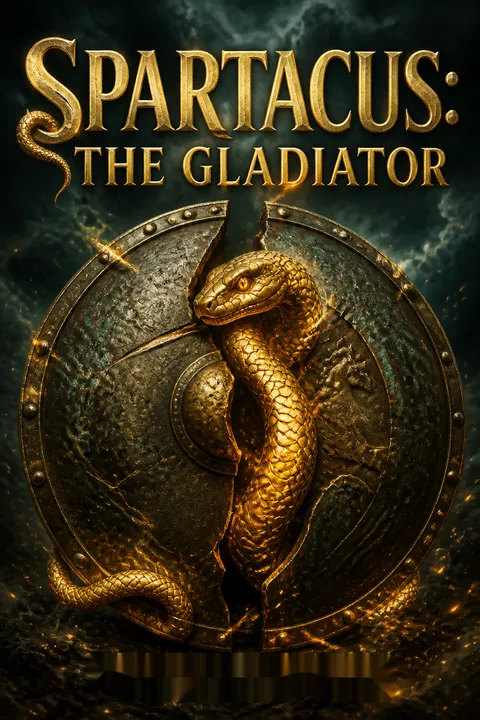

Plot Summary
Homecoming and Betrayal
Spartacus, a Thracian warrior, returns home after years of fighting for Rome, only to find his village changed and his father murdered by the new king, Kotys. The land is tense, ruled by fear and betrayal. Spartacus's dreams of peace are shattered as he is sold into slavery by those he once trusted. The pain of loss and the sting of treachery ignite a fire within him, setting the stage for a journey that will test his strength, loyalty, and resolve. The emotional weight of home lost and the injustice of enslavement become the crucible in which his legend will be forged.
Chains and Choices
Sold to a Roman slave trader, Spartacus is stripped of his freedom and identity. In the brutal world of the ludus, he meets Ariadne, a priestess of Dionysus, herself trapped by circumstance and the predations of men like Kotys and the sadistic Phortis. Both are forced to navigate a world where survival means compromise, and dignity is a rare commodity. The bonds of slavery are physical and psychological, but Spartacus's spirit remains unbroken. The choices he makes—protecting Ariadne, forging alliances—are small acts of rebellion that hint at the greater storm to come.
Blood and Brotherhood
In the gladiator school, Spartacus endures cruelty and humiliation, but also finds camaraderie among fellow slaves and gladiators. The arena is a place of death, but also of brotherhood. Through shared suffering, Spartacus, Getas, Seuthes, and others become more than comrades—they become brothers-in-arms. Ariadne, too, finds solace in her faith and in Spartacus's growing leadership. The blood spilled in training and in the arena is not just for Roman amusement; it is the price of forging a brotherhood that will one day challenge Rome itself.
The Arena's Shadow
Spartacus's prowess in the arena earns him both respect and enemies. The politics of the ludus are as deadly as the fights themselves, with Phortis and Crixus representing different threats. Ariadne's position as a priestess offers some protection, but not from the lust and violence of men like Kotys and Phortis. The shadow of the arena looms over all, a constant reminder that life is cheap and death is entertainment. Yet, in the darkness, Spartacus's resolve hardens, and the seeds of rebellion are sown.
The Spark of Rebellion
Betrayed by a fellow gladiator, Spartacus's plan to escape is nearly foiled, but the brutality of the ludus and the threat to Ariadne push him and his allies to act. The escape is bloody and chaotic, with only a handful surviving. The taste of freedom is bittersweet, as they are hunted and forced to rely on each other more than ever. The spark of rebellion is lit not by grand ideals, but by the simple, desperate need to survive and to protect those they care for. The emotional cost is high, but the alternative—submission—is unthinkable.
The Gathering Storm
As word of Spartacus's escape spreads, slaves and outcasts flock to his banner. The group grows, but so do the challenges. Supplies are scarce, trust is fragile, and the threat of Roman retaliation looms. Ariadne's faith and Spartacus's leadership are tested as they struggle to mold a band of fugitives into a force capable of resisting Rome. The emotional highs of newfound freedom are tempered by the ever-present danger and the knowledge that Rome will not tolerate their defiance.
The Escape from Vesuvius
Besieged on Vesuvius by Roman forces, Spartacus and his followers face annihilation. Using wild grapevines, they descend the cliffs in a daring nighttime escape, catching the Romans off guard and routing them. The victory is exhilarating, a testament to Spartacus's cunning and the group's resilience. Yet, the cost is real—friends are lost, and the brutality of war is laid bare. The escape from Vesuvius becomes a symbol of hope and a rallying cry for slaves across Italy, but it also marks the beginning of a larger, bloodier conflict.
Rome's Relentless Pursuit
The Senate, stung by repeated defeats, sends ever-larger forces against Spartacus. Praetors and consuls vie for glory, but underestimate the resolve and ingenuity of the rebels. Spartacus's army grows with each victory, but so does the ruthlessness of Rome's response. The emotional toll mounts as the rebels are forced to confront the reality that their struggle is not just for freedom, but for survival against an enemy that will stop at nothing to crush them.
The Making of an Army
Recognizing that raw numbers are not enough, Spartacus and his allies—helped by defectors like Navio—train their followers in Roman tactics and discipline. The transformation from a mob to an army is grueling, but necessary. Ariadne's role as priestess becomes central, her visions and rituals binding the group together. The emotional journey from slave to soldier is fraught with fear, pride, and the ever-present specter of betrayal. Yet, the hope of true freedom drives them onward.
The Price of Freedom
The rebels win stunning victories, sacking towns and defeating Roman armies. But the cost is high—innocents suffer, and the line between justice and vengeance blurs. Carbo, once a Roman citizen, is forced to confront the darkness within himself and the movement he serves. Ariadne and Spartacus struggle with the moral consequences of their actions, even as their love deepens. The price of freedom is paid in blood, and the emotional scars will last long after the battles are over.
The Siege of Thurii
Spartacus's forces besiege Thurii, drawing Varinius and his legions into a trap. The city's fall is both a strategic and symbolic victory, but it also exposes the divisions within the rebel ranks. Crixus and other leaders chafe under Spartacus's authority, and the unity of the army is threatened. The emotional strain of leadership weighs heavily on Spartacus, as he must balance the demands of war with the need to keep his followers together.
The Shattering of Varinius
In a masterful ambush, Spartacus's army destroys Varinius's legions, capturing Roman standards and sending shockwaves through the Republic. The victory is intoxicating, but it also marks a turning point. Rome will no longer send second-rate commanders; the full might of the Republic is now arrayed against the rebels. The emotional high of triumph is tempered by the knowledge that the greatest challenges are yet to come.
The Splintering of the Host
The unity of the rebel army fractures as Crixus and others break away, lured by the promise of plunder and glory. Spartacus, Ariadne, and their closest allies are left to lead those who still dream of true freedom. The emotional pain of betrayal and the fear of what lies ahead are palpable. The movement that began as a brotherhood is now threatened by the very human flaws of its leaders.
The Long March North
Spartacus leads his followers north, aiming for the Alps and the promise of escape from Italy. The journey is grueling, marked by hunger, exhaustion, and constant danger. The dream of freedom is both a beacon and a burden, as the reality of their situation becomes ever more stark. Ariadne's pregnancy adds urgency and vulnerability to their quest. The emotional landscape is one of hope, fear, and the bittersweet knowledge that not all will reach the promised land.
The Consuls' Trap
The consuls Lentulus and Gellius set a trap, blocking the rebels' path to the Alps. Spartacus's scouts, including Carbo and Atheas, discover the danger in time, but the odds are daunting. The emotional tension is at its peak as Spartacus must devise a plan to outwit the consuls and save his people. The specter of defeat and the possibility of annihilation hang over every decision.
The Battle in the Mountains
In a masterful ambush, Spartacus splits the Roman legions and crushes them, using the terrain and the discipline of his army to devastating effect. The battle is brutal and chaotic, but the rebels emerge victorious, capturing Roman eagles and shattering the myth of Roman invincibility. The emotional release is immense—joy, relief, and pride mingle with grief for the fallen. The path to the Alps is open, but the cost has been high.
The Triumph and the Toll
The aftermath of the battle is a time of celebration and mourning. Ariadne and Spartacus are reunited, their love and hope for the future symbolized by her pregnancy. Yet, the losses are keenly felt, and the knowledge that Rome will not rest until they are destroyed tempers any sense of triumph. The emotional journey is one of resilience, love, and the bittersweet taste of hard-won freedom.
The Fate of Crixus
Crixus, refusing to follow Spartacus north, leads his followers to destruction at the hands of the Romans. The splintering of the rebel host is complete, and the dream of a united uprising dies with him. Spartacus mourns the loss, but presses on, determined to lead his people to safety. The emotional cost of leadership is laid bare—every decision is a gamble with lives and dreams.
The Final Stand
As the rebels near the Alps, the full might of Rome is marshaled against them. The journey has been one of transformation—for Spartacus, Ariadne, Carbo, and all who followed them. The final stand is both inevitable and tragic, a testament to the power of hope and the cruelty of fate. The emotional arc comes full circle, from the pain of betrayal and loss to the defiant assertion of dignity in the face of overwhelming odds.
The Legacy of Spartacus
In the aftermath, the story of Spartacus endures—not just as a tale of rebellion, but as a symbol of the human yearning for freedom and justice. The emotional resonance of his journey, and that of those who followed him, echoes through history. The lessons of courage, sacrifice, and the cost of liberty remain as relevant as ever, a reminder that the fight for dignity is never truly over.
Analysis
A timeless meditation on freedom, power, and the human spiritBen Kane's Spartacus: The Gladiator is more than a historical adventure—it is a profound exploration of what it means to resist oppression, to lead, and to hope. Through the intertwined journeys of Spartacus, Ariadne, and Carbo, the novel interrogates the costs and contradictions of revolution. The story refuses easy answers: Spartacus is both hero and flawed man, the rebellion both just and brutal, the dream of freedom both inspiring and fraught with peril. The use of dreams, omens, and religious symbolism grounds the narrative in the ancient world's worldview, while the psychological realism of the characters makes their struggles universal. The novel's lessons are as relevant today as in antiquity: that the fight for dignity is never simple, that unity is fragile, and that the price of liberty is always high. In the end, Spartacus's legacy is not just in the battles he won or lost, but in the enduring human yearning for justice and self-determination.
Review Summary
Spartacus by Ben Kane receives mostly positive reviews (4.08/5 stars) for its gripping historical fiction about the legendary gladiator's rebellion against Rome. Readers praise Kane's vivid battle scenes, extensive historical research, and ability to bring ancient Rome to life with brutal realism. Many appreciate the fast-paced action and compelling storytelling, though some criticize underdeveloped characters, graphic violence, and limited female representation. Several reviewers note the book's entertainment value outweighs its historical accuracy. The narrator's voice in the audiobook version receives particular acclaim. Most readers eagerly anticipate the sequel.
People Also Read


Characters
Spartacus
Spartacus is a Thracian warrior whose journey from soldier to slave to rebel leader is marked by profound loss, betrayal, and resilience. His initial motivation is personal—vengeance for his father's murder and the injustice of his own enslavement—but as the rebellion grows, so does his sense of responsibility. Spartacus is both a tactician and a man of deep feeling, haunted by dreams and driven by a fierce sense of justice. His relationships—with Ariadne, his comrades, and even his enemies—are complex, shaped by loyalty, love, and the burdens of leadership. Over time, he transforms from a man seeking escape to a symbol of hope and resistance, willing to sacrifice everything for the freedom of his people.
Ariadne
Ariadne is a priestess of Dionysus, marked by trauma and resilience. Her past is scarred by abuse and loss, but her faith and intelligence make her a vital part of the rebellion. As Spartacus's confidante and eventual lover, she provides both spiritual guidance and emotional support. Ariadne's visions and rituals help bind the group together, and her pregnancy becomes a symbol of hope for the future. She is both vulnerable and fiercely strong, navigating the dangers of a world dominated by men with courage and cunning. Her relationship with Spartacus is a partnership of equals, each drawing strength from the other.
Carbo
Carbo is a young Roman whose life is upended by family ruin and personal loss. Scarred by illness and rejection, he finds purpose and identity among the rebels. His journey is one of transformation—from privileged citizen to gladiator, from reluctant fighter to loyal lieutenant. Carbo's internal struggles with loyalty, guilt, and vengeance are central to his arc. His love for Chloris and his friendship with Spartacus and Navio ground him, even as he is forced to confront the darkness within himself and the movement he serves. Carbo embodies the theme of chosen family and the search for meaning in a world turned upside down.
Crixus
Crixus is a Gaulish gladiator whose strength and charisma make him both a valuable ally and a dangerous rival to Spartacus. Driven by pride and a thirst for glory, Crixus is unable to subordinate his will to the greater good. His leadership attracts many, but his refusal to compromise leads to the splintering of the rebel host and ultimately to his own destruction. Crixus's arc is a cautionary tale about the perils of ego and the cost of disunity. His relationship with Spartacus is fraught with tension, respect, and ultimately, tragedy.
Getas
Getas is one of Spartacus's earliest and most steadfast allies. His loyalty is unwavering, and his courage in battle is matched by his devotion to his comrades. Getas's death in battle is a pivotal moment, underscoring the personal cost of the rebellion and the depth of the bonds forged in adversity. He represents the ideal of brotherhood and the willingness to lay down one's life for a cause and for friends.
Navio
Navio is a former Roman officer who, disillusioned by Rome's corruption and the loss of his family, joins Spartacus's cause. His expertise in Roman tactics and training is instrumental in transforming the rebel mob into a disciplined army. Navio's relationship with Carbo is one of mutual respect and camaraderie, and his presence bridges the gap between Roman and rebel. He is a figure of pragmatism and experience, haunted by the past but committed to a new future.
Phortis
Phortis is the cruel Capuan slave trader and overseer whose brutality epitomizes the dehumanizing nature of slavery. His predations on Ariadne and others make him a personal enemy of Spartacus. Phortis's eventual death at the hands of Ariadne's snake is both poetic justice and a turning point, symbolizing the overthrow of the old order and the assertion of agency by the oppressed.
Atheas
Atheas is a Scythian warrior whose skills as a scout and fighter are matched by his loyalty to Spartacus. Though often silent and inscrutable, Atheas's actions speak volumes—he is a protector, an avenger, and a bridge between cultures. His relationship with Carbo evolves from suspicion to respect, and his role as Ariadne's guardian underscores his importance to the group's survival.
Ariadne's Snake
The snake, carried by Ariadne, is both a literal and symbolic presence throughout the story. It represents the power of Dionysus, the fear and awe of the slaves, and the agency of Ariadne herself. The snake's role in Phortis's death and in Ariadne's rituals underscores the interplay between faith, fear, and liberation.
Pulcher
Pulcher is a former slave and blacksmith whose skills are vital to the rebels' survival. He forges weapons, organizes supplies, and becomes a trusted advisor. Pulcher represents the practical, everyday heroism that underpins the grand narrative—the quiet strength that makes rebellion possible.
Plot Devices
Dual Narrative Structure
The novel employs a dual narrative structure, alternating between the personal journeys of Spartacus, Ariadne, and Carbo, and the larger epic of rebellion against Rome. This allows for both intimate character development and sweeping historical drama. The use of dreams and visions—especially Spartacus's recurring snake dream and Ariadne's rituals—serves as both foreshadowing and a means of exploring psychological and spiritual themes. The narrative is punctuated by set-piece battles, each escalating in scale and consequence, and by moments of quiet introspection that ground the story in human emotion.
Foreshadowing and Symbolism
The recurring motif of the snake in Spartacus's dreams, and Ariadne's interpretations, foreshadow both triumph and tragedy. The snake symbolizes both danger and divine favor, encapsulating the ambiguity of the rebels' quest. The use of Roman standards (eagles) as trophies, and the repeated references to the gods' will, reinforce the sense that the struggle is both earthly and cosmic. The splintering of the rebel host, the betrayals, and the personal losses all serve as harbingers of the ultimate fate of the rebellion.
Character Mirrors and Contrasts
The novel sets up mirrors and contrasts between characters—Spartacus and Crixus, Ariadne and Chloris, Carbo and Navio—to explore themes of loyalty, ambition, and the search for meaning. The relationships between leaders and followers, men and women, Romans and slaves, are used to interrogate the nature of power, freedom, and identity. The psychological depth of the characters is revealed through their choices, sacrifices, and failures.
Escalating Stakes and Moral Complexity
The plot escalates from personal survival to mass rebellion, from small acts of defiance to battles that shake the Republic. With each victory, the moral complexity deepens—innocents suffer, and the line between liberator and oppressor blurs. The narrative structure ensures that every triumph is shadowed by loss, and every act of violence is weighed against the ideals that inspired it.
Download PDF
Download EPUB
.epub digital book format is ideal for reading ebooks on phones, tablets, and e-readers.








































