
Plot Summary
Night of Forbidden Freedom
Vera, a fae girl imprisoned on Alliance Island, persuades her human friend Henry to sneak her out to an exclusive auction-night party. Wearing human clothes and a suppression bracelet to hide her magic, Vera is both thrilled and terrified by the world of humans, shifters, and demons who treat fae as commodities. The party is dazzling but cruel, and Vera's brief taste of freedom is shadowed by the knowledge that she will be sold at auction the next day. Her encounter with a mysterious demon prince, Leo, is electric and dangerous, setting the stage for a connection that will upend both their lives.
Auction Block and Chains
The next night, Vera and other fae are paraded before wealthy patrons. She endures humiliating interviews, leering wolf shifters, and the cold indifference of her human handler. The auction is a meat market, with fae reduced to their magical value and physical attributes. Vera's spirit is battered but unbroken, and she clings to the hope of escape or rescue. When the demon prince Leo appears, he intervenes in a moment of violence, killing her abusive handler and setting in motion a chain of events that will bind their fates together.
Demon Prince's Bargain
Leo, a prince who has rejected his royal destiny to pursue scientific innovation, purchases Vera under the guise of punishment for the handler's death. In truth, he is fascinated by her unique magic and the jolt he felt from her blood. Leo's motives are complex: he despises the fae slave trade and seeks to end it by creating synthetic Dust, a magical drug made from fae blood. Vera is brought to his mansion, where she is offered a choice—freedom in a hostile world, or collaboration in his secret project to change everything.
Blood and Betrayal
Vera, along with two other fae, Robinson and Lydia, chooses to stay and help Leo, hoping his plan to end fae slavery is real. The mansion is both sanctuary and prison, and Vera's relationship with Leo is fraught with tension, attraction, and mistrust. She is tested for her magical abilities, and her blood proves to be uniquely powerful. Meanwhile, Henry's concern for Vera grows into obsession, and the seeds of betrayal are sown as he becomes entangled with forces that want to control Leo's invention.
The Mansion's Dark Promise
Life in Leo's mansion is a strange blend of privilege and captivity. The fae are given rooms, clothes, and relative autonomy, but must hide their freedom from the outside world. Leo's project to create synthetic Dust—"Syn"—becomes the center of their lives. Vera's blood is the missing ingredient, and her connection with Leo deepens as they spar, test boundaries, and share moments of vulnerability. Yet, the threat of exposure and the weight of their secrets loom over every interaction.
Testing the Boundaries
In the fighting pit, Vera's magic is tested alongside the other fae. Her blood, when tasted by Leo, gives him a rush of power unlike any Dust he's ever known. The physical and magical connection between them intensifies, blurring the lines between experiment and desire. Vera's lack of wings, a source of shame and mystery, becomes a symbol of her difference—and her potential. Leo's obsession with her blood is matched by a growing emotional attachment he struggles to admit.
The Pit and the Power
Vera and Leo's sparring sessions become a dance of power, attraction, and frustration. Each touch, each kiss, is charged with magic and longing. Their relationship is complicated by jealousy, misunderstandings, and the ever-present threat of discovery. The other fae, especially Robinson and Lydia, find their own paths—friendship, romance, and dreams of true freedom. The mansion is a crucible, forging new identities and alliances as the outside world closes in.
Unlikely Alliances
As Leo's synthetic Dust nears completion, he must court human allies and navigate the treacherous politics of both the human and demon worlds. Vera's old friend Henry reappears, his motives clouded by jealousy and ambition. The ambassador's visit brings danger and opportunity, forcing Vera to play the role of obedient slave while plotting her own future. The lines between friend and foe blur, and every alliance is fraught with risk.
The Taste of Magic
The physical relationship between Vera and Leo explodes into passion, their connection deepened by shared secrets and mutual need. Yet, every moment of intimacy is shadowed by the knowledge that their love is forbidden and precarious. The taste of Vera's blood is both a drug and a promise—a future where fae are no longer slaves, but also a future that may never come if they are discovered.
Human Hearts, Demon Lies
Henry's true allegiance is revealed: he has been working with Leo's father, the demon king, to steal the secret of Syn. Driven by resentment and a twisted sense of love, Henry attacks Vera, draining her blood and nearly killing her. Leo arrives in time to save her, revealing his own secret—he is half-fae, the son of a fae mother and the demon king. The revelation changes everything, binding Vera and Leo together in love and shared purpose.
The Price of Freedom
With Syn complete, Leo and Vera face the consequences of their actions. The demon king now knows the secret, and the future of fae freedom hangs in the balance. The fae in the mansion must choose their own paths—some to the hidden colony, others to new lives. Vera and Leo's love is tested by the demands of leadership, the threat of war, and the scars of betrayal. Freedom is within reach, but it will require sacrifice, courage, and trust.
The Hunt and the Child
On a fae hunt, Vera and Leo encounter wild fae and a child of mixed heritage, echoing Leo's own secret. The violence and moral ambiguity of the hunt force Vera to confront the reality of their world and the limits of Leo's power. The rescue of the child and the fate of the wild fae become a turning point, deepening Vera's resolve to fight for true freedom—not just for herself, but for all fae.
Secrets in the Blood
Vera discovers a photograph of a fae woman in Leo's room, leading to revelations about his heritage and the true nature of his mission. The secret of Syn is both a weapon and a hope, and the knowledge that Leo is half-fae changes Vera's understanding of herself, her lover, and the revolution they are leading. The power of blood—literal and symbolic—becomes the key to both their salvation and their peril.
The Kiss and the Rift
The intimacy between Vera and Leo is threatened by jealousy, insecurity, and the weight of their responsibilities. A passionate night together is followed by uncertainty and fear of abandonment. Vera questions her place in Leo's life, haunted by the ghosts of his past and the impossibility of a future together in a world that still sees her as property. The rift between them grows, even as their love deepens.
Syn and the King's Shadow
Leo's invention of Syn is both a triumph and a curse. The demon king, now aware of the secret, moves to seize control and crush the rebellion. Henry's betrayal is revealed in full, and the threat to Vera's life becomes immediate. The mansion is no longer safe, and the fae must scatter or risk annihilation. Leo and Vera must decide whether to fight, flee, or sacrifice everything for the cause.
The Choice to Stay
With the world closing in, Vera must choose between staying with Leo in secrecy or seeking her own path to freedom. The cost of love, loyalty, and revolution is laid bare. The fae community is fractured, and the promise of a new world is shadowed by the reality of loss and danger. Vera's decision will shape not only her own fate, but the fate of all fae.
The Human's True Face
Henry, once a friend, becomes a monster—driven by envy, greed, and the intoxicating power of fae blood. His attack on Vera is brutal and personal, a betrayal that shatters the last illusions of safety. The confrontation exposes the darkest truths of the world they inhabit: that love can be twisted into violence, and that freedom must be fought for, not given.
Blood on the Grass
Vera, gravely wounded, is saved by Leo's desperate act of healing—a fae ability he possesses as a half-blood. Their link is both magical and emotional, a bond that transcends species and history. The aftermath is bittersweet: Henry is gone, but the threat of the demon king remains. Vera and Leo's love is now a beacon and a target, and the revolution is at a crossroads.
The Demon's Confession
In the quiet after the storm, Leo confesses his love and his heritage to Vera. Their bond is sealed by honesty, vulnerability, and the promise of a shared future. The world outside is still dangerous, but together they are stronger. The revolution is no longer just a dream—it is a living, breathing reality, fueled by love, sacrifice, and the unbreakable will to be free.
Love, Loss, and Revolution
The fae community is forever changed. Some choose to stay, others to seek the hidden colony. Vera and Leo prepare to face the demon king, knowing that the final battle for freedom is yet to come. Their love is both a weapon and a refuge, a source of strength in a world that would see them destroyed. The revolution is not over, but hope is alive.
A New Dawn Rising
As Vera, Leo, and their allies gather for a final meal, the bonds of love, friendship, and shared struggle are stronger than ever. The demon king plots in the shadows, but the secret of Syn and the power of fae blood have changed the game forever. Vera and Leo, united in love and purpose, stand on the threshold of a new era—one where freedom is possible, and the dawn of revolution is breaking.
Analysis
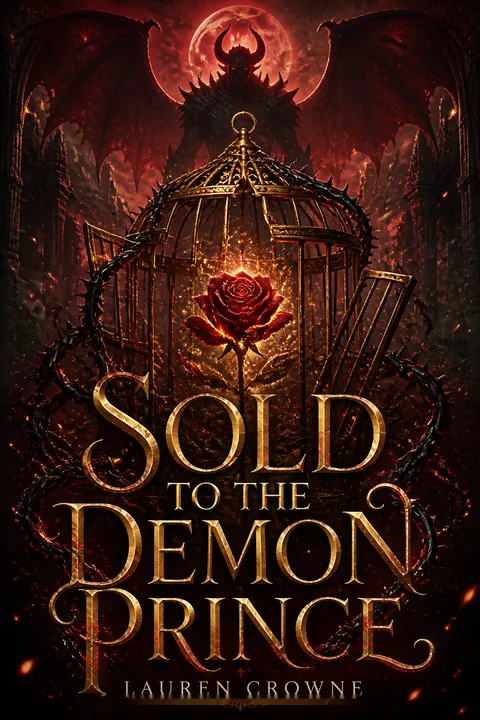
Lauren Crowne's Sold to the Demon Prince is a dark, romantic fantasy that uses the trappings of paranormal romance to interrogate systems of power, oppression, and resistance. At its heart, the novel is about the commodification of bodies—how magic, blood, and even love are bought, sold, and weaponized in a world built on exploitation. Vera's journey from captive to revolutionary is both personal and political, a testament to the resilience of the oppressed and the transformative power of agency. Leo's arc, from prince to scientist to lover, is a meditation on the cost of change and the courage required to challenge one's inheritance. The novel's use of dual perspective, magical technology, and high-stakes romance allows it to explore the psychological scars of trauma, the dangers of both complicity and rebellion, and the hope that comes from solidarity and love. In a world where freedom is always conditional and love is always dangerous, Sold to the Demon Prince asks what we are willing to risk for a future where no one is property—and answers that the price is everything, but the reward is a new dawn.
Review Summary
Sold to the Demon Prince receives mixed reviews averaging 3.88/5 stars. Readers praise the unique world-building featuring enslaved fae, demons, and supernatural creatures, as well as the chemistry between protagonists Vera and Leo. Many enjoyed the premise of Leo working to free fae from slavery while developing romance with Vera. However, criticisms include Vera being naive and frustrating, slow pacing, underdeveloped characters, and unclear romantic chemistry. Some found the romance felt rushed or insta-love, while others questioned using slavery as a plot device. The cliffhanger ending divided readers, with some eager for more while others felt unsatisfied.
Characters
Vera
Vera is a fae woman raised in captivity, marked by her lack of wings and her fierce, unbreakable spirit. Her relationship with Henry, a human scientist, is one of rare trust, but her true awakening comes through her connection with Leo, the demon prince. Vera's journey is one of self-discovery, resilience, and sacrifice. She is both a victim and a catalyst, her blood the key to ending fae slavery. Psychologically, Vera is driven by a longing for freedom, belonging, and love, but she is haunted by trauma and the fear of being used or discarded. Her development is a testament to the power of agency, even in the face of overwhelming oppression.
Leo
Leo is a prince who has rejected the throne to pursue scientific innovation, haunted by the legacy of his demon father and the secret of his fae mother. He is brilliant, arrogant, and emotionally guarded, but beneath his cold exterior lies a deep well of empathy and rage against injustice. Leo's relationship with Vera is transformative, forcing him to confront his own vulnerability and the cost of revolution. His obsession with creating synthetic Dust is both a personal vendetta and a bid to change the world. Psychologically, Leo is torn between duty, guilt, and desire, and his journey is one of learning to trust, love, and lead.
Henry
Henry begins as Vera's only human ally, a scientist who risks everything to help her. His affection for Vera curdles into obsession and envy, especially as he is eclipsed by Leo. Manipulated by the demon king, Henry's ambition and resentment lead him to betray Vera, nearly killing her in his quest for power. Psychologically, Henry is a study in the dangers of unrequited love, insecurity, and the corrupting influence of power. His arc is tragic, a warning about the thin line between love and possession.
Rand
Rand is the comic relief and the voice of pragmatism in Leo's household. A demon with a taste for pleasure and a knack for diplomacy, he serves as Leo's communications director and confidant. Rand's loyalty is unwavering, but he is also a survivor, skilled at navigating the shifting alliances of the demon and human worlds. His flirtations and bravado mask a deep understanding of the stakes, and his friendship with Leo is a stabilizing force.
Marcus
Marcus is Leo's human assistant, awkward but brilliant, and a symbol of the possibility of cooperation between species. His growing relationship with Lydia, a fae, is a subplot that mirrors the central romance, offering hope for a future where love and respect can cross boundaries. Marcus is analytical, compassionate, and quietly courageous, providing essential support in the revolution.
Robinson
Robinson is a green-winged fae whose physical prowess and steady presence make him a pillar of the fae community in Leo's mansion. His friendship with Vera and Lydia is a source of comfort and solidarity. Robinson's own struggles with identity and belonging reflect the broader themes of the story, and his eventual choice to join the fae colony is an act of hope and self-determination.
Lydia
Lydia is a yellow-winged fae whose kindness and vulnerability make her both a target and a source of strength. Her journey from fear to confidence, especially through her relationship with Marcus and her mastery of her magic, is a microcosm of the fae's struggle for agency. Lydia's resilience and compassion are a quiet but powerful force in the revolution.
The Demon King
Leo's father is the architect of the fae slave system and the primary antagonist. He is ruthless, cunning, and obsessed with power, willing to use anyone—including his own son—to maintain control. The king's discovery of Syn and his pursuit of Vera's blood set the stage for the next phase of the revolution. Psychologically, he represents the old order, the embodiment of systemic evil and the challenge of overthrowing entrenched power.
Teddy
Teddy is an older fae who has survived the worst of the slave system and now serves as a healer and guide. Her ability to link and heal is both literal and symbolic, representing the power of community and the importance of passing on knowledge. Teddy's wisdom and strength are a lifeline for Vera and the other fae, and her presence is a reminder of the resilience of the oppressed.
Ambassador Crane
Crane is the human ambassador whose wealth and influence make him a key player in the politics of Dust and fae slavery. He is crude, entitled, and dangerous, embodying the worst excesses of the patron class. His interactions with Leo and Vera highlight the moral rot at the heart of the system and the urgent need for change.
Plot Devices
Dual Perspective and Shifting Power
The novel alternates between Vera's and Leo's perspectives, allowing readers to experience both the vulnerability of the oppressed and the burden of power. This duality is essential to the story's emotional arc, as each character's secrets, desires, and fears are gradually revealed. The shifting power dynamic—Vera's journey from slave to agent of change, Leo's from prince to revolutionary—mirrors the broader revolution.
Suppression Technology and Magical Blood
Suppression bracelets, collars, and the drug Dust are central plot devices, symbolizing the commodification of fae bodies and the violence of control. Vera's unique blood is the MacGuffin, the key to both her exploitation and her liberation. The science of Dust and the quest for Syn drive the plot, blending fantasy and dystopian science fiction.
The Auction and the Mansion
The auction is a crucible of dehumanization, while Leo's mansion is both a gilded cage and a laboratory for revolution. These settings are used to explore themes of captivity, agency, and the possibility of transformation. The hidden fae colony is a symbol of hope and the dream of a new world.
Betrayal and Revelation
The story is propelled by betrayals—Henry's, the demon king's, and the world's betrayal of the fae. Revelations about Leo's heritage, Vera's power, and the true nature of Syn are carefully foreshadowed and delivered at moments of maximum emotional impact. The use of foreshadowing, dramatic irony, and reversal keeps the stakes high and the reader engaged.
Romance as Revolution
The central romance is not just a subplot but the engine of the revolution. Vera and Leo's love is forbidden, dangerous, and transformative. Their physical and emotional connection is a source of power, healing, and hope, but also vulnerability. The story uses romance tropes—enemies to lovers, forbidden love, the healing touch—to explore deeper questions of agency, consent, and the meaning of freedom.
Download PDF
Download EPUB
.epub digital book format is ideal for reading ebooks on phones, tablets, and e-readers.








































