
Plot Summary
Love in Everyday Moments
In early adulthood, Rachel and Tom meet by chance, quickly sparking a connection. The rhythms of Irish city life—nightclubs, strolls in the park, parental introductions, little jokes—become the story's earliest treasures. Rachel, a practical nurse, and Tom, a hopeful architect, anchor their intimacy not on grand gestures but on the daily accumulations of fondness, humor, and the ordinary ways people build trust. Their courtship is marked by surprise and comfort, endearing missteps, and honest curiosity. Even as doubts and nervousness flicker—about families, their futures—the sense of "rightness" grows strong. The foundation for all that follows is these luminous, everyday moments—hopeful, unguarded, layered with the belief that for this couple, happiness is not only possible, but deserved.
The Catastrophic Night
An ordinary drive home after a family visit becomes a turning point—a jarring, irrevocable rupture. Tom, stricken by something wild within him, accelerates the car and veers off a dark country road. There is no warning, no chance to intervene—a sudden, horrifying sense of falling, air where there should be ground, time distorted as the family car hurtles into blackness. Rachel's last sensation is the catastrophic embrace of the void, and from that moment, everything is divided into "before" and "after." The world as it existed, bustling with children's voices and felt routines, is lost all at once, and Rachel is thrust into trauma's abyss, her heart and mind fractured by loss and incomprehension.
Surviving the Black
In the aftermath, Rachel's survival is both a literal and emotional ordeal. Her children perish—the back seat gone in her first glimpse after regaining consciousness. Tom is alive but prisoner to his own fractured mind. Rachel finds herself in a house haunted by every absence: shoes and coats gone, children's rooms untouched, toys, beds, and stains left undisturbed as if to preserve what little remains. Sleep becomes elusive, memory a jagged torment. Her mother comes daily, helpless but persistent; her father stays away, unable to bear the pain made tangible in every room. Rachel alternates between yearning for connection and lashing out, desperate to find a place to stand when the ground itself is missing.
Mourning, Routine, Emptiness
Rachel's grief is mundane and infinite, her days punctuated by small, aching routines. She survives by miming normalcy: making tea, pretending interest in food she cannot taste, washing up for no one but her own restless hands. Nights bring insomnia, prowling dark rooms, haunted by the silent witnesses of electricity—pilot lights, router glow, and the blinking, useless alarm. Even the simple act of grocery shopping becomes an ordeal, exposing her to voyeuristic strangers who project judgment and pity, questioning why she still wears her wedding rings, why she exists at all. The smallest tasks become mountains, interactions fraught with shame and isolation.
Family, Blame, and Silence
The loss decimates more than Rachel's own existence—it ripples mercilessly through her family as well as Tom's. Her mother is present but helpless, navigating Rachel's swings between need and resentment; her sister, Rebecca, struggles to know whether seeing Rachel will hurt the children she still has. Tom's parents, especially his mother Bernie, are rendered fragile and ghostly, their home haunted by what has been lost. Blame is never spoken but always implied, an unspoken ledger tallying who should have noticed, who might have saved. Guilt and anger twist familial love into something sharp, and support is as fraught as abandonment. Still, threads of love persist, stitched together with pain, determination, and grief.
Building a Life Together
The narrative returns to the "before"—the wedding, the intoxicating days of shared houses, honeymoon travels, eager plans for a family. Rachel and Tom are surrounded by the warmth of parents and siblings. Their wedding is Irish in its fullness, laughter, and ritual; Rachel's fantasies of belonging and safety seem realized. They travel, dream, and try for children—leaning together into a hopeful future. The birth of their daughter brings euphoria and awe, an ordinary room filled with extraordinary, uncontainable love. Rachel's world becomes rooted in small hands, sleepless nights, and a deepening connection with Tom; every new milestone feels like validation, every routine—diapers, feedings, playgroups—reinforces life's value.
Children Change Everything
The arrival of their children transforms everything, filling the house with chaos and delight, exhaustion and purpose. Rachel revels in the tactile realities of motherhood—nursing, cuddles, the smell of her children, the miracle of their growth. She fears, as all parents do, their fragility and her own inadequacy, striving to keep terror at bay with routines and tiny comforts. Tom, too, is changed: sometimes overwhelmed, sometimes proud, sometimes uncertain of his own place as father. Rachel's identity expands beyond work and partnership into a longing to protect, a fierce, sacrificial love that is both blessing and burden.
Depression in the Shadows
Gradually, darkness circles at the margins of the couple's life together. Financial stress—Tom's business failing, roles shifting, Rachel forced into more work—brings pressures neither is equipped to handle. Tom's moods shift; he withdraws, loses joy, sometimes cries in secret. The early warning signs—insomnia, apathy, deep sadness—are missed or rationalized, explained as temporary setbacks. Rachel tries to fix, to nourish, to believe that love is enough. But Tom's struggle is deeper than circumstance—a long-standing battle, unseen, his mother revealing, too late, secrets of adolescent hospitalization. Medication blunts his sadness but also his spirit. Sex becomes rare, communication strained. The shadows lengthen, and neither can see a way back to what they had.
Cracks in the Marriage
The couple's relationship is further strained by the relentless demands of work, children, and Tom's growing incapacity. Rachel finds herself working full time, burdened by resentment she cannot voice. Tom's retreat from daily life—missed routines, incapacity for solo parenting, reliance on Rachel for even small decisions—creates isolation within the family. Attempts to ask for help or suggest therapy collapse into silence. Judgments—internal and external—linger in every conversation. Time, once generous, is now measured in chores not done, affection not felt, things not said. Love persists, but it is battered and threadbare—demanding more than either can give.
Catastrophe and Aftershock
The devastating accident shatters the remnants of Rachel's life. Investigations follow: police, psychiatrists, social workers, the media. The unthinkable truth emerges—Tom, in a psychotic break, believed he was "saving" his family from imaginary financial ruin. The children's deaths are not random but intentional, and Rachel must reconcile her own survival with survivor's guilt and rage. Tom, found not guilty by reason of insanity, is committed to psychiatric care, his grasp on reality fragile and shifting. Rachel is left alone, the house transformed into a mausoleum, forced to bear public scrutiny while privately enduring the hell of loss and betrayal.
Public Scrutiny and Private Grief
Rachel's tragedy becomes fodder for public consumption—journalists seeking her story, neighbors and strangers rushing to judge or sympathize, each encounter scraping raw her wounds. Well-meaning interactions—letters, cards, questions—become unbearable reminders that her pain is spectacle, that compassion often masks voyeurism. She is pressed to explain, defend, relive the worst moments of her life. Even her attempt to reclaim narrative power through a controlled interview devolves into new forms of judgment. People seek signs, warnings, some neat reason or blame—proof that, unlike them, Rachel could have prevented disaster. Grief is not hers alone; it is shared, distorted, commodified by the curious world watching from a safe distance.
Reckoning With the Past
Rachel is plagued by memory and regret—moments she wonders if she could have changed, warnings ignored, choices made blindly. She revisits the past obsessively: the night of the crash, Tom's unraveling, the slow disintegration of hope. Guilt gnaws—a list of theoretical interventions she should have tried, alternative histories where tragedy is averted. Conversation with another survivor, Julia, forges a tentative bond of mutual recognition—both have lost children at the hands of partners who were not simply "monsters" but deeply broken. There is no comfort, only a dim sense of shared understanding in pain that sets them forever apart from the ordinary world.
Insanity's Unbearable Weight
The public reckoning through the courts is a trial not just for Tom but for Rachel—the wife and surviving victim compelled to serve as witness, unable to escape the endless repetition of "what happened." The legal label of insanity offers neither solace nor justice; it is a verdict that means the man who destroyed her family is both accountable and not, both gone and still present in the world. Rachel is forced to confront her own feelings—expected to either forgive or hate, but unable to do either fully. The randomness of her own survival, Tom's memory loss, her neighbors' suspicious whispers—all converge under the unbearable burdens of "closure," which never comes.
Trying to Carry On
In the months and years that follow, Rachel navigates the slow, grinding journey towards survival—not healing or overcoming, but simply enduring. She tries to return to work as a nurse, confronting environments of life and death, learning to mask pain beneath competency. Friendships are strained—reconnections prove awkward, conversations falter, invitations are both feared and longed for. New routines emerge, but joy is diffident, fleeting. Memories—her daughter's lost tooth, her son falling asleep on her chest—are both comfort and torture. To go on living is an act of defiance, even as loneliness and depression threaten to pull her back under at every turn.
Community, Judgment, Disconnection
Community is both a lifeline and a trap—support from her sister, from old friend Helen, and even from neighbors, balances against unspoken judgments, pity, and anxiety about "contagion" or awkwardness. The support offered is practical—food, help, company—but emotional solace is rare, and miscommunication abounds. Rachel's sense of self shifts: she is the woman-who-lost-her-family, a cautionary tale for others. Sustaining ordinary relationships requires constant negotiation, apologies, and compromises with grief. The pain of seeing other families whole is inescapable, but also, in time, becomes a partial proof that life, in some form, endures.
The Long, Bleak Healing
With time, Rachel's wounds scar but never fully heal. She moves house, studies for professional advancement, even explores the possibility of new love—tentatively, warily, carrying her trauma into every new encounter. Depression recurs like an undertow, pulling her under just as she finds her footing. Therapy, medication, and the patient kindness of Peter—her new partner—provide slow, uneven uplift. Panic attacks and moments of clarity alternate; the past will not release her, but the future offers, occasionally, glimpses of something other than pain. Rachel discovers that living well, even in fragments, is a new and fragile form of resistance.
A New Beginning, Cautiously
In cautious, hopeful steps, Rachel creates a new family with Peter, finding a balance between honoring memory and welcoming change. Their relationship is built on honesty, patience, and a shared willingness to let grief exist alongside possibility. After much struggle, they have a child together. Rachel is surprised to discover joy—raw, inconsistent, but irrepressible—along with anxiety and fierce protectiveness. She understands now that happiness and sadness may always coexist, that love is not a guarantee against suffering but is, in itself, a reason to continue. Her past remains, but it no longer defines her entire story.
The Solace of Remembrance
Rachel makes ritual visits to her children's graves, tending to weeds, laying flowers, speaking their names. She recognizes, at last, that they are not lost to her, but present in each new sunrise, every touch of her baby's hand, every echo in the voices of children at play. The final peace she claims is incomplete and complex—a patchwork of sorrow, memory, vigilance, and acceptance. What is lost cannot be restored, and the world remains unpredictably cruel, but Rachel has learned that hope, however fleeting, is found not in forgetting but in living deeply, vulnerably, and with the stubborn insistence that love is worth the risk.
Analysis
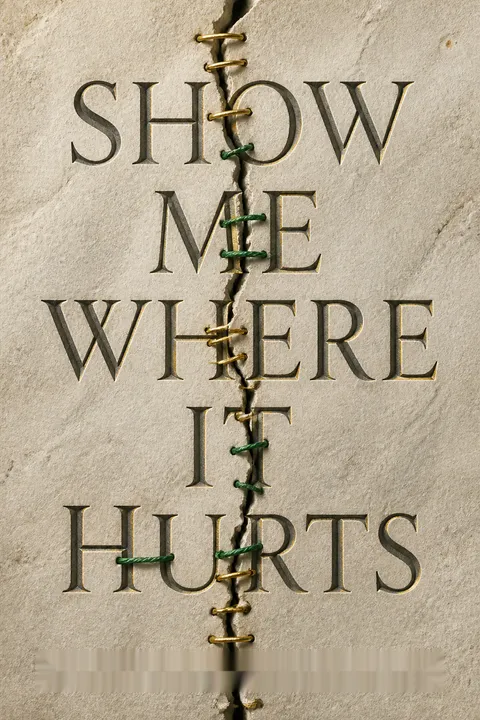
A contemporary meditation on trauma, resilience, and the limits of controlClaire Gleeson's Show Me Where It Hurts is a modern Irish tour-de-force, dissecting how love, family, and daily routine are swept away—and stubbornly rebuilt—by catastrophe. The alternating timelines mimic trauma's disorienting effects, ensuring that sorrow is neither linear nor easily resolved. The book's central lesson is uncomfortable: that suffering cannot be reasoned away, loss cannot always be prevented, and "moving on" is a fraught, uneven process. Through Rachel's persistent, imperfect striving, Gleeson rejects platitudes about "getting over" tragedy, choosing instead a narrative that honors the messy, unfinished reality of endurance. The novel is a plea for better understanding of mental illness, for compassion in the face of unfathomable pain, and the dignity of survival. In its final pages, where joy returns in unexpected ways and remembrance becomes a private form of peace, the book offers hope—not as erasure of pain, but as the courage to claim love, however fragile, again and again. For readers confronting their own hardships or those seeking to understand "the unthinkable," this story is an act of radical empathy and brutal honesty, refusing false comfort in favor of the hard-won solace of endurance, community, and vulnerability.
Review Summary
Show Me Where It Hurts receives an overall rating of 4.2/5, with most readers praising its emotionally raw portrayal of grief and resilience following an unthinkable family tragedy. The dual timeline structure is widely celebrated for its effectiveness. Many readers were moved to tears, highlighting the novel's sensitivity around mental health and loss. Critical reviews cite emotional distance and lack of depth as drawbacks, with some feeling disconnected from the characters. Despite its devastating subject matter, most agree the book offers glimmers of hope alongside heartbreak.
People Also Read



Characters
Rachel
Rachel, the protagonist, is a nurse whose life orbits her family until disaster eradicates that center. Her love is pragmatic, tactile, formed in routines, worried touch, and an instinct to fix. After the loss, she is raw, hollowed, and railing—initially unable to see any future. Her grief is physical and unrelenting; sleep evades, food disgusts, moments alone collapse into memory's abyss. Yet she proves not unbreakable, but ferociously resilient—returning to work, cautiously forging new relationships, remodeling her home and life to accommodate the absence of her children. She is both a vessel for guilt and a beacon of persistence, finding—through therapy, community, and the courage to begin again—a kind of peace that honors love and loss equally.
Tom
Tom is initially a figure of warmth and humor, ambitious as an architect, playful as a father, tender as a husband. Yet beneath the surface, he struggles with depression—a dark inheritance kept secret, a vulnerability hidden out of pride or shame. As financial stress mounts, Tom's mental health fractures, leading to withdrawal, erratic moods, and ultimately a catastrophic psychotic break. His grievous choice is incomprehensible—both a victim and a perpetrator, marked by tragedy. Afterward, he becomes a ghostly presence in Rachel's life; Rachel must struggle with both her memory of a man she loved and the reality of his irrevocable deeds.
Bernie
Bernie is Tom's mother and grandmother to Rachel's children. Sturdy, practical, and sometimes naive, her love for Tom is boundless but her understanding limited—she tends to minimize or rationalize his suffering. After the accident, Bernie's world shrinks; she is rendered frail by both age and loss. Her recurring attempts to reach out—whether tending to Rachel, advocating for Tom, or just maintaining her rituals—reflect a longing to undo what cannot be undone. Despite her grief, she remains a stalwart presence, embodying both the generational strength and the limits of familial love.
Rebecca
Rebecca, Rachel's younger sister, is a restless spirit—rebellious in youth, later a mother to her own twins. Her relationship with Rachel is a blend of fierce loyalty and unavoidable distance, shaped by their shared trauma and differing approaches to survival. Rebecca's own struggles—body image, parenting anxieties, guilt—mirror and contrast with Rachel's grief, creating tension but also solidarity. As adults, the sisters circle each other, sometimes failing, sometimes saving each other, always aware that love can elide as much as it expresses.
Margaret (Rachel's Mother)
Margaret represents the old order—embodiment of stoic, Irish maternal care, brisk and invasive in her attempts to keep Rachel moving forward. She is both a comfort and a source of friction, unable to keep her concerns to herself, sometimes undermining Rachel's autonomy but always driven by genuine fear for her daughter. Her own journey—supporting Rachel after the loss, grieving for her husband, wrestling with her own powerlessness—speaks to a parent's ultimate inability to protect her children from suffering.
Peter
Peter enters Rachel's life years after her tragedy, offering a different vision of love—one grounded in patience, humility, and the willingness to accept pain as part of the bargain. A teacher and academic, he is measured and kind, accepting Rachel's boundaries, fears, and the ghosts that haunt her. As their relationship progresses, he becomes central to her healing; his steadfastness counters her volatility, offering a safe harbor for her wounded heart. Through Peter, Rachel learns that new joy does not erase old sorrow, but can coexist with it.
Helen
Helen is Rachel's long-standing friend—witness to her life's triumphs and disasters, still present even as shared experience gives way to awkward silences. Their relationship is strained by the imbalance of grief, guilt, and the inability to speak across the gulf of loss. Helen's own struggles—fertility challenges, the ambivalence of comfort—illuminate how even love between friends can falter under too much weight. In time, the friendship is reclaimed, testament to the persistence of shared history and effort.
Julia Caffrey
Julia, another woman whose children were murdered by her partner, serves as a mirror and refuge for Rachel. Their unlikely friendship, awkward and initially tentative, is forged through the terrible logic of loss—two women forever changed by tragedy that the world cannot comprehend. Julia's honesty about her own pain, the ways in which society judges or trivializes such suffering, gives Rachel permission to voice forbidden thoughts and to acknowledge that not all wounds can or must be healed.
Joe
Joe, Tom's aging father, represents the difficulties older generations face in articulating emotion. His response to tragedy is withdrawal, an inability to confront the places where children's laughter should be. While his silence frustrates Rachel and Bernie, it is his only possible response to pain that defies explanation. He is a witness, a reminder of how loss ripples outward beyond its immediate victims.
Rachel's Children
Though taken early, Rachel's daughter and son are ever-present in the story: vivid in memory, shaping every aspect of her grief and recovery. Their personalities—her daughter's pale fierceness, her son's adoring attachment—exist in contrast to the absence they now occupy. Even in death, they compel love, longing, fear, and the possibility of a future not wholly defined by loss.
Plot Devices
Alternating Before/After Structure
The narrative weaves between "before" the tragedy and "after," echoing how trauma splinters time and identity. This arrangement both delays the revelation of full catastrophe and underscores the impossibility of reconciling what has been lost. Each return to the past is freighted with foreboding, while scenes in the present are thick with memory's ghosts.
Drip-Feed of Information
Key details—the specifics of the crash, Tom's motivations, the slow collapse of the marriage—are revealed gradually, mimicking how survivors piece together shattering events. This device maintains suspense, deepens investment, and allows the reader to experience Rachel's confusion, denial, and dawning horror in real time.
Internal Monologue and Sensory Detail
The reader is immersed in Rachel's psyche—her anxiety, sorrow, rage, recollections—through close internal narration and vivid somatic detail. This invites identification and complicity, cultivating a sense of being both inside and outside trauma's effects, experiencing not just events but the visceral responses they elicit.
Recurring Motifs: Routine, Absence, Light
Everyday objects—laundry, kitchen lights, tea, the texture of a child's pillow—become stand-ins for Rachel's lost world. The motif of light and electricity—pilot lights, alarm beacons, the changing light outside—contrasts safety and danger, presence and absence. The inertia of routine rituals is both comfort and prison.
Dialogue as Disconnection
Dialogue is often marked by silence, misunderstanding, or self-editing. The inability to say what needs to be said—about guilt, blame, or fear—reflects the real impediments to healing, as well as the isolating power of trauma.
Metafictional Elements
The use of newspaper interviews, strangers' prying, and the pressure to present pain for public consumption critique societal voyeurism and the impossibility of owning one's own story entirely. Rachel's failed attempts to control her living narrative underscore the book's themes of powerlessness and resilience.
Foreshadowing and Retrospective Irony
Innocent early moments—choosing a nursery, a child's lost tooth, casual worries—echo throughout, accumulating new, darker meanings as the true shape of tragedy emerges. Choices and missed signs retrospectively multiply, inviting readerly "what ifs" that echo Rachel's own psyche.
Download PDF
Download EPUB
.epub digital book format is ideal for reading ebooks on phones, tablets, and e-readers.








































