
Plot Summary
Shattered on the Tower
Kai, broken by trauma and haunted by her past, stands atop the castle, her sister Cora pleading for her to hold on. But Kai, feeling irreparably damaged by the king's cruelty, lets herself fall, believing she is beyond saving. Her leap is not just a physical act but a surrender to the darkness that has consumed her. Cora's anguish is palpable, but Kai's descent is a desperate bid for release, a final act of agency in a world that has stripped her of power. As she plunges into the river below, Kai's last thoughts are of her sister's love and the hope that, in death, she might finally find peace.
River's Embrace, Monster's Mercy
Kaito, a hybrid outcast living in the river, witnesses Kai's fall and instinctively rescues her. He brings her to his secluded cabin in the Dead Lands, using his magic to heal her battered body. Kai awakens, disoriented and numb, unsure if she is alive or dead. Kaito's gentle care and respect for her boundaries begin to chip away at her fear. Though Kai is wary of monsters, Kaito's actions challenge everything she's been taught. In this strange, quiet place, the seeds of trust are sown, and Kai's journey toward healing—though she cannot yet see it—has begun.
Healing in the Dead Lands
As days pass, Kai's body mends under Kaito's attentive watch. The cabin becomes a sanctuary, a place where she is not prey but a person. Kaito's patience and kindness contrast sharply with the cruelty she endured from humans. Nightmares still haunt her, but Kaito's presence is a balm. When he encourages her to step outside, Kai faces her fear of the world beyond the cabin. Each tentative step into the living forest is a victory, and with Kaito by her side, she begins to believe that not all monsters are what they seem—and that perhaps she, too, is not beyond hope.
Wolf at the Door
The peace of the cabin is shattered when Weyland, a lone lycan, is drawn by Kai's scent. He arrives just as a horde of lesser monsters attacks, and together with Kaito, he defends the cabin. Kai, terrified, is forced to fight for her life. The violence triggers memories of her trauma, but the monsters' willingness to protect her plants a new seed: not all monsters are threats. Weyland's presence is intimidating, but his gentleness and respect for Kai's boundaries slowly win her trust. The trio forms a fragile alliance, united by survival and the beginnings of something deeper.
Nightmares and New Bonds
In the aftermath of the attack, Kai retreats into herself, overwhelmed by memories of abuse and helplessness. Nightmares plague her, but Weyland's singing and Kaito's steadfast care offer solace. The monsters, each scarred by their own pasts, understand her pain in ways no human ever could. Through shared vulnerability, they forge a bond that transcends fear. Kai begins to see herself reflected in their brokenness and resilience. The monsters' acceptance and patience become a lifeline, and for the first time, Kai contemplates the possibility of living, not just surviving.
Facing the Darkness Within
Encouraged by her protectors, Kai ventures further into the Dead Lands, discovering beauty where she expected only death. The monsters show her the wonders of their world, and in their company, she laughs and feels desire stir within her again. Yet, the darkness inside her is never far. When she is forced to confront her trauma, both by her own memories and by the monsters' gentle questions, Kai realizes that healing is not about forgetting but about reclaiming her story. She chooses, tentatively, to live—and to let herself be loved.
The Gathering of Monsters
As Kai's trust grows, so does her circle. Dade, a cursed warhorse, and Rook, the enigmatic boogeyman, are drawn to her light. Each monster brings their own pain and longing, and together, they create a family of outcasts. The cabin becomes a haven for the broken and the brave. Through shared meals, laughter, and moments of vulnerability, Kai and her monsters find belonging. Their love is unconventional, fierce, and healing. For the first time, Kai feels not just safe, but cherished. The monsters, in turn, are transformed by her acceptance and hope.
The First Attack
The fragile sanctuary is threatened when human hunters, led by Kai's former fiancé Merryl, begin slaughtering monsters in the Dead Lands. The violence is senseless, fueled by fear and prejudice. Kai is forced to confront the reality that the true monsters are not always those with claws and fangs. The attack shatters any illusion of safety, and the group is forced to flee. The trauma of being hunted reignites Kai's old wounds, but her monsters rally around her. Together, they vow to protect each other and to fight for a world where love, not hate, prevails.
The Power of Kindness
Amidst the chaos, Kai discovers a new power within herself: the ability to heal with her touch, her magic manifesting as lightning beneath her skin. She uses this gift to save both monsters and humans, refusing to let hatred dictate her actions. Her compassion becomes a form of resistance, challenging the cycle of violence. The act of healing others, even those who once wished her harm, is transformative. Kai's power grows, and so does her sense of purpose. She is no longer a victim, but a force for change—a beacon of hope in a world on the brink.
The Warhorse's Arrival
Dade, the last of the warhorses, is drawn to Kai's pain and strength. His monstrous form hides a gentle heart, and he, too, is searching for a place to belong. Kai's acceptance of him, scars and all, is a revelation. Through their connection, Dade finds the will to fight his own darkness. Together, they prove that even the most cursed can be redeemed by love. Dade's loyalty and power become vital as the threat from the hunters grows. The family of monsters is now complete, each member essential to the others' survival and healing.
The Boogeyman's Hand
Rook, the boogeyman feared by all, is the last to join Kai's circle. He pulls her from the depths of her nightmares, teaching her to face her darkness rather than flee from it. Through Rook, Kai learns that her shadows are not her enemy—they are part of her, and can be wielded for good. Their bond is intense, a dance of light and dark, pain and pleasure. With Rook's guidance, Kai claims her power fully, no longer afraid of what she has become. Together, they are unstoppable—a testament to the strength found in embracing every part of oneself.
Learning to Live Again
With her monsters, Kai rediscovers joy and desire. Their love is healing, passionate, and unconditional. She learns to laugh, to want, and to trust her body again. The monsters, each in their own way, help her reclaim her agency and pleasure. Their intimacy is a celebration of survival and a rejection of shame. As Kai's power grows, so does her confidence. She is no longer defined by her trauma, but by her resilience and capacity for love. The family they have built is a sanctuary, a place where all are free to be themselves.
The Past Returns
Merryl, Kai's former fiancé, reappears as the leader of the hunters. His betrayal is a final severing of her ties to the past. He cannot accept the woman Kai has become, nor the monsters she loves. His hatred is a mirror of the world's, but Kai refuses to let it define her. When he attacks, she stands her ground, protected by her monsters and her own power. The confrontation is painful, but necessary. Kai chooses her new family, her new self, and in doing so, finally lays her old life to rest.
The Hunters' Threat
The hunters escalate their campaign, setting the Dead Lands ablaze and forcing monsters and allies to flee. The fire is both literal and symbolic—a last, desperate attempt to destroy what they cannot control. Kai and her monsters, along with Cora and her allies, lead the survivors to safety. The trauma of displacement is keenly felt, but so is the determination to fight back. The sisters, once separated by fate, are now united by purpose. Together, they vow to end the cycle of violence and build a world where all can belong.
The Fire and the Wall
As the flames consume the Dead Lands, Cora and Kai use their combined magic to raise a new wall, protecting the refugees but also marking a painful division. The cost of survival is high, and the sisters grieve for what has been lost. Yet, in the ashes, they find strength. The monsters and humans who once feared each other now share a common enemy and a common hope. The sisters' leadership is tested, but their bond is unbreakable. They are determined to rebuild—not just the land, but the very fabric of their world.
Sisters Reunited
In the aftermath, Kai and Cora finally confront their shared pain. Their reunion is bittersweet, marked by tears, apologies, and the promise of a new future. Cora, now queen, welcomes Kai and her monsters as family. The castle, once a place of torment, becomes a sanctuary for all. The sisters' love is the foundation upon which a new society is built—one that values kindness, courage, and the right to choose one's own path. Together, they are stronger than the forces that sought to break them.
The Queen's Healing
When Cora is gravely wounded in battle, Kai's magic saves her, healing not just her body but the rift between them. The act is witnessed by all, a miracle that turns the tide of the war. Kai's power is no longer a secret, and her role as healer and leader is cemented. The sisters stand side by side, symbols of hope and resilience. Their example inspires others to lay down their arms and choose peace. The healing of one becomes the healing of many, and the possibility of a new world is born.
The Battle for the Lands
The armies of monsters and humans clash in a brutal battle. Kai, refusing to become a monster herself, uses her power to heal rather than harm, saving lives on both sides. Her compassion breaks the cycle of vengeance, and her example inspires others to do the same. When Merryl makes a final, desperate attack, Kai and her monsters stand together, ending his threat once and for all. The war ends not with annihilation, but with a choice: to build something better from the ruins.
The End of Hate
With the war over, the sisters lead the survivors in rebuilding their world. The old divisions between monsters and humans are slowly erased, replaced by cooperation and understanding. Kai and Cora are crowned as queens, ruling side by side. Their monsters are no longer outcasts, but honored members of the new society. The scars of the past remain, but they are reminders of what has been overcome. The sisters' love, and the love of their found family, is the foundation of a new era.
A New Dawn
As peace settles over the land, Kai and her monsters find joy in the everyday—laughter, love, and the simple act of living. The world is not perfect, but it is better. The story of the sisters becomes legend, a tale of hope for future generations. Kai, once broken and lost, is now whole—a healer, a queen, and a symbol of what is possible when love triumphs over fear. The monsters, once feared, are now family. Together, they look to the future, ready to face whatever comes, hand in hand.
Analysis
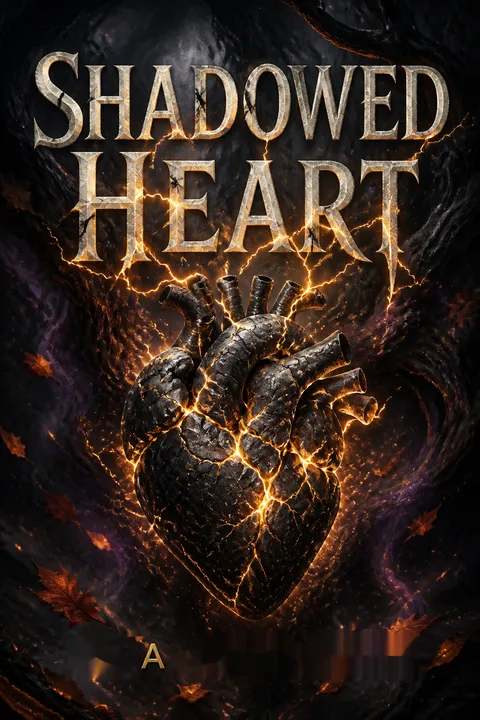
Shadowed Heart is a dark, emotionally charged fantasy that reimagines the monster romance genre as a story of trauma, healing, and radical love. At its core, the novel is about the power of chosen family and the courage it takes to reclaim one's life after unimaginable pain. By centering a protagonist who is both deeply wounded and fiercely resilient, the story offers a nuanced portrayal of recovery—one that acknowledges the scars but refuses to be defined by them. The monsters, each with their own burdens, become both literal and figurative partners in Kai's healing, challenging the boundaries of love, gender, and what it means to be human. The narrative's refusal to equate monstrosity with evil, and its insistence on compassion even in the face of hatred, is a powerful rebuke to cycles of violence and prejudice. The polyamorous, queer found family at the heart of the story is not just a romantic fantasy, but a vision of a better world—one where difference is celebrated, and where healing is a collective, ongoing act. Shadowed Heart ultimately argues that true strength lies not in vengeance, but in the willingness to love, forgive, and build anew.
Review Summary
Shadowed Heart is a highly-rated paranormal romance novel featuring Kai, a traumatized woman saved by monsters who help her heal. Readers praise the emotional journey, character development, and steamy scenes. The book explores themes of trauma, recovery, and found family. Many reviewers recommend reading the first book in the series for context. The slow-burn romance and unique monster characters are particularly appreciated. While some found the relationships underdeveloped, most readers were captivated by the immersive world-building and powerful storytelling.
Characters
Kai
Kai is the emotional heart of the story—a woman shattered by trauma, yet fiercely resilient. Her journey from despair to hope is the novel's core. Initially, she is haunted by abuse and self-loathing, believing herself irreparably damaged. Her attempted suicide is a desperate act of agency, but survival forces her to confront her pain. Through the kindness of monsters, she learns to trust, love, and reclaim her power. Her magical ability to heal becomes both literal and symbolic, as she mends not only bodies but the wounds of a divided world. Kai's arc is one of self-acceptance, courage, and the radical choice to live and love again.
Cora
Cora is Kai's anchor and mirror—strong, determined, and willing to sacrifice everything for those she loves. Her journey is one of leadership and guilt, as she grapples with the consequences of her choices and the pain of losing Kai. As queen, she is both fierce and compassionate, leading the charge to unite monsters and humans. Cora's relationship with Kai is the emotional backbone of the story, and her willingness to forgive, heal, and fight for a better world is both inspiring and deeply human. She embodies the hope that even the most broken bonds can be mended.
Kaito
Kaito is a hybrid monster, neither fully human nor fully beast, marked by his outsider status and the trauma of being an experiment. His empathy and patience are his greatest strengths, and he becomes Kai's first lifeline after her fall. Kaito's love is quiet but unwavering, and his own journey mirrors Kai's—learning to accept himself and find belonging. His healing magic and nurturing nature make him both a literal and figurative healer, and his relationship with Kai is built on mutual respect, consent, and the slow rebuilding of trust.
Weyland
Weyland, the lone lycan, is both fierce and tender. His initial presence is intimidating, but his actions reveal a deep capacity for gentleness and understanding. Scarred by loss and isolation, Weyland finds purpose in protecting Kai and their found family. His struggle with jealousy and possessiveness is tempered by his respect for Kai's autonomy. Weyland's arc is one of learning to love without control, and his loyalty is a source of strength for the group. He represents the wild, untamed aspects of healing—the need to fight for joy and connection.
Dade
Dade is the last of his kind, burdened by a legacy of violence and madness. His monstrous form hides a gentle, wounded heart. Drawn to Kai's pain and resilience, Dade finds redemption in her acceptance. His journey is one of learning to trust, to let go of shame, and to believe in the possibility of happiness. Dade's power and loyalty are vital in the group's survival, and his love for Kai is transformative. He embodies the idea that even the most cursed can be saved by compassion.
Rook
Rook is the most enigmatic of Kai's monsters—a being of shadows and nightmares, feared by all. Yet, beneath his terrifying exterior is a soul as broken as any. Rook teaches Kai to face her darkness, to wield it rather than be consumed by it. Their relationship is intense, a dance of pain and pleasure, light and shadow. Rook's acceptance of every part of Kai, even her most damaged aspects, is a catalyst for her healing. He represents the necessity of embracing one's whole self, even the parts that frighten us.
Merryl
Merryl is Kai's former fiancé, whose inability to accept her transformation and his own fear drive him to become the leader of the hunters. His arc is a tragic one—he is both a victim and perpetrator of the cycle of violence. Merryl's betrayal is the final severing of Kai's ties to her old life, and his death is both a personal and symbolic end to the old order. He represents the dangers of clinging to the past and the destructive power of fear.
Grim (Grimus)
Grim is Cora's primary partner and co-ruler, embodying strength, stability, and a deep sense of justice. His protectiveness is fierce, but he respects Cora's autonomy and supports her vision for a united world. Grim's presence is grounding, and his willingness to accept Kai and her monsters as family is crucial to the new order. He represents the possibility of power wielded with compassion.
Nero
Nero is one of Cora's mates, a naga who brings both culinary skill and a sense of playfulness to the group. His acceptance of Kai and her monsters is immediate, and his presence in the castle is a sign of the new, inclusive society being built. Nero's warmth and humor provide moments of levity amidst the darkness.
Bracken
Bracken is a member of Cora's harem, a fey whose irreverence and unpredictability mask a deep loyalty. He is both comic relief and a reminder that healing is not always linear or orderly. Bracken's willingness to fight for Cora and Kai, and his acceptance of their monsters, is emblematic of the new alliances being forged.
Plot Devices
Trauma and Healing
The narrative is structured around Kai's journey from victimhood to empowerment. Her trauma is not minimized or magically erased; instead, healing is depicted as a slow, nonlinear process, aided by the patience and acceptance of her found family. The monsters' own scars mirror Kai's, creating a web of mutual understanding. The use of magic as a metaphor for healing—lightning that both wounds and mends—reinforces the theme that true power comes from embracing one's pain and using it to help others.
Found Family and Polyamory
The story subverts traditional romance by centering a polyamorous, queer, and monster-filled found family. Each monster represents a different aspect of healing and love, and their relationships with Kai are built on consent, respect, and mutual care. The found family is a direct response to the failures of blood family and society, offering a model of community that is inclusive, supportive, and transformative.
Prejudice and Otherness
The division between humans and monsters is a clear allegory for real-world systems of oppression. The hunters' violence is rooted in fear and ignorance, while the monsters' humanity is revealed through their capacity for love and kindness. The narrative challenges the reader to question who the real monsters are, and to recognize the power of empathy and understanding in overcoming prejudice.
Cycles of Violence and Forgiveness
The story repeatedly confronts the temptation to respond to violence with more violence. Kai's refusal to become a monster, even when justified, is a radical act of resistance. Her healing of both monsters and humans on the battlefield is a turning point, demonstrating that forgiveness and compassion are more powerful than vengeance. The ending, in which former enemies lay down their arms, is earned through these acts of mercy.
Dual Protagonists and Sibling Bond
The relationship between Kai and Cora is central, with the narrative structure often paralleling their journeys. Their reunion and shared leadership symbolize the healing of old wounds and the possibility of a new, united world. The use of dual queens, each with complementary powers, reinforces the theme that true strength comes from collaboration and mutual support.
Magic as Metaphor
Magic in the story is not just a tool, but a reflection of the characters' inner states. Kai's lightning is both destructive and healing, mirroring her struggle to integrate her trauma. The monsters' abilities are tied to their emotional journeys, and the act of sharing power—through touch, love, and healing—is a metaphor for the ways we help each other become whole.
Narrative Structure and Foreshadowing
The story opens with Kai's fall and apparent death, foreshadowing her eventual rebirth. The recurring motif of the wall—first as a barrier, then as a means of protection, and finally as something to be torn down—mirrors the characters' journeys from isolation to connection. The use of flashbacks, dreams, and parallel scenes between sisters deepens the emotional resonance and ties the personal to the political.
About the Author



Download PDF
Download EPUB
.epub digital book format is ideal for reading ebooks on phones, tablets, and e-readers.








































