
Plot Summary
Fresh Starts, Hidden Agendas
She's not just another mafia princess—she's wild, unashamed, and unafraid to use her sexuality or her knife. The elite campus is a web of power, secrets, and privilege, and Pandora's target is the Bouchard Syndicate, especially Blaze Bouchard, the heir. Her first encounters are laced with tension and bravado, as she navigates the party scene, brushes off slut-shaming, and makes it clear she's not here to play by anyone's rules. The ache of Rachel's absence haunts her, fueling her resolve. Pandora's introduction is a collision of grief, rage, and dark humor, setting the tone for a story where vengeance and desire are inseparable.
Frat Games and First Blood
She flirts with Asch and Blaze, using sex as both shield and weapon, but the night turns when she finds a drugged girl, Carly, abandoned and vulnerable. The frat's indifference enrages Pandora, and her confrontation with Asch escalates to violence—her knife at his throat, a warning that she's not prey. The encounter cements her reputation as dangerous and unhinged, but also marks her as a threat to the fraternity's carefully maintained image. The seeds of mutual obsession and animosity are sown, and Pandora's quest for justice becomes personal for everyone involved.
Tunnels of Power and Pain
Blaze and Asch lure Pandora into a trap, intent on teaching her a lesson for her defiance. The encounter is brutal, blending violence and sexual humiliation, but Pandora's response is complex—she's aroused as much as she is threatened. The power struggle is raw and intimate, exposing the twisted desires and vulnerabilities of all three. Pandora's refusal to break only deepens Blaze and Asch's fascination, while her own resolve to infiltrate their world hardens. The tunnels become a crucible, forging a bond of pain, lust, and mutual recognition.
Brotherhoods and Betrayals
Blaze's leadership is challenged by a roofie scandal, and his response is ruthless—punishing the guilty to protect the brotherhood's reputation. Asch's loyalty is torn between his friendship with Blaze and his growing obsession with Pandora. The lines between protector and predator blur, and the fraternity's veneer of respectability cracks. Pandora's presence is a catalyst, exposing the hypocrisy and brutality at the heart of the brotherhood. The stakes rise as personal vendettas and institutional power collide, setting the stage for deeper betrayals.
Ghosts of Rachel
River's return reopens old wounds—his lost finger, their broken trust, and the unresolved trauma of Rachel's death. Together, they piece together clues from Rachel's journal, uncovering a pattern of missing girls and elite cover-ups. Their alliance is fraught with unresolved desire and mutual suspicion, but their shared need for vengeance overrides everything else. The investigation draws them deeper into the university's darkest secrets, and the question of who can be trusted becomes ever more urgent.
The Knife's Edge
Her relationships with Blaze, Asch, and River become a volatile mix of sex, rivalry, and psychological warfare. Each encounter is a test of boundaries—who will break, who will submit, and who will betray. The knife is both literal and symbolic, a tool of survival and a marker of Pandora's refusal to be victimized. The men are drawn to her madness, even as they plot her downfall. The tension between pleasure and pain, love and hate, becomes the engine driving them all toward catastrophe.
Seduction and Surveillance
She manipulates her way into the inner circle, using sex, secrets, and sheer audacity. The men's obsession with her grows, but so does their suspicion—especially as River pledges the frat to get closer to the truth. Surveillance, both literal and emotional, becomes a weapon on all sides. The boundaries between hunter and hunted blur, and every interaction is laced with the threat of exposure. Pandora's quest for answers is complicated by her own desires, and the cost of vengeance becomes increasingly personal.
Initiation and Submission
The fraternity's rituals are designed to break and bind, and River's ordeal exposes the cruelty at the heart of brotherhood. Secrets are extracted through pain, and the line between punishment and pleasure is razor-thin. Pandora's influence is felt even in her absence, as the men compete for her attention and approval. The initiation is both a rite of passage and a descent into complicity, forcing everyone to confront what they're willing to endure—and inflict—for belonging.
The Greenhouse Secret
Pandora's investigation leads her to the botany department, where a rare dahlia connects Blaze to Rachel's last days. The greenhouse is a place of beauty and danger, a symbol of the secrets that flourish in the shadows of privilege. Blaze's involvement is ambiguous—protector, suspect, or both—and Pandora's attraction to him is complicated by the possibility that he's her enemy. The truth is buried beneath layers of deception, and every revelation brings new risks.
Snake in the Grass
Pandora's family connections—her mafia lineage, her unorthodox upbringing—become both shield and target. The arrival of her brother's biker gang escalates the conflict, leading to a masked attack on the fraternity. The chaos exposes the fragility of the brotherhood and the limits of loyalty. Pandora's relationships with Blaze, Asch, and River are tested by jealousy, betrayal, and the ever-present threat of retribution. The snake, both literal and metaphorical, is a reminder that danger is always lurking just beneath the surface.
The Price of Loyalty
The death of Franklin, a pledge caught in the crossfire of hazing and peer pressure, shatters the fraternity's illusion of invincibility. Guilt, rage, and grief ripple through the group, exposing the emptiness of their rituals and the hollowness of their power. Pandora's role as both avenger and instigator is called into question, and the men are forced to confront the consequences of their actions. The bonds that once held them together begin to unravel, and the true price of loyalty is revealed.
The Four Become Three
Manipulated by Zayden and driven by their own pain, Blaze, Asch, and River orchestrate a brutal reckoning. Pandora is betrayed, humiliated, and violated—not just by her enemies, but by those she trusted most. The scene is a crucible of rage, shame, and shattered love, leaving Pandora physically and emotionally broken. The men are left to grapple with the aftermath of their violence, haunted by guilt and the realization that they have become the very monsters they once despised.
Fire and Ashes
Pandora's revenge is as spectacular as it is devastating—a fire that consumes the house and everything it represents. The survivors are left homeless, traumatized, and hunted, forced to confront the ruins of their brotherhood and the consequences of their choices. The fire is both an act of destruction and a desperate cry for justice, signaling the end of one era and the violent birth of another. In the ashes, new alliances and enmities are forged.
The Reckoning
With Zayden exposed as Rachel's killer and Sam's abductor, Pandora's quest for justice becomes a mission of annihilation. The lines between victim and perpetrator, love and hate, are obliterated. The men, wracked by guilt and fear, must decide where their loyalties truly lie. Pandora, stripped of all illusions, embraces her role as destroyer, determined to end the cycle of violence once and for all. The reckoning is brutal, cathartic, and irrevocable.
Pandora's Box Unleashed
The final confrontation is a maelstrom of blood, betrayal, and revelation. The truth about Rachel's death, the fraternity's crimes, and the men's complicity is laid bare. Pandora's vengeance is absolute—Zayden's head delivered as a warning, the brotherhood shattered, and the old order destroyed. But victory is hollow, and the wounds—physical and emotional—may never fully heal. The box of evils is open, and there is no going back.
The Head of the Hydra
With Zayden dead and the old power structures dismantled, Pandora, Blaze, Asch, and River are left to pick up the pieces. Their relationships are irrevocably changed—trust is gone, but a new, darker understanding binds them. The world they knew is gone, replaced by one where survival depends on embracing the chaos within. The head of the hydra is severed, but new threats and desires emerge from the ashes.
Aftermath and Awakening
The survivors are marked by trauma, but also by a fierce, defiant hope. Pandora, scarred but unbroken, stands at the center—a force of nature, a destroyer and creator. The men, chastened and changed, must reckon with their own darkness and the possibility of redemption. The story ends not with closure, but with the promise of more chaos, more love, and more war. The river of deceit flows on, but so does the will to survive.
Analysis
River of Deceit is a dark, unflinching exploration of power, trauma, and the corrosive effects of violence—both institutional and intimate. At its core, the novel interrogates the myth of brotherhood and the cost of loyalty in a world where justice is elusive and survival demands complicity. Through Pandora, the story gives voice to the rage and grief of those silenced by systems of privilege, while refusing to romanticize her pain or her vengeance. The relationships at the heart of the novel are as destructive as they are passionate, exposing the ways in which love, sex, and violence are often indistinguishable. The book's refusal to offer easy redemption or closure is both its strength and its challenge; it demands that readers confront the reality that healing is messy, justice is imperfect, and the cycle of harm is hard to break. In a modern context, River of Deceit is a searing indictment of rape culture, toxic masculinity, and the complicity of bystanders, but it is also a testament to the resilience of those who refuse to be broken—even when survival means becoming a monster. The lesson is clear: the river of deceit runs through us all, and only by facing the darkness within can we hope to change the world outside.
Characters
Pandora Pavone
The daughter of a notorious mafia family, she is driven by the murder of her best friend Rachel and a lifelong refusal to be victimized. Pandora's psyche is a storm of grief, rage, and dark humor; she wields sex and violence with equal skill, using her body and her knife as both weapons and shields. Her relationships are transactional and volatile, marked by a hunger for control and a terror of abandonment. Pandora's journey is one of self-destruction and self-creation—she is both the box and the evils it contains, and her greatest fear is that there is nothing left inside but emptiness. Her development is a spiral of vengeance, vulnerability, and the desperate search for meaning in a world that refuses to give her justice.
Blaze Bouchard
As the scion of the Bouchard Syndicate, Blaze is used to getting what he wants through a mix of charisma, violence, and inherited power. His relationship with Pandora is a battle of equals, each trying to dominate and seduce the other. Blaze's loyalty to his fraternity and to Asch is genuine, but his need for control often leads him to cruelty. Underneath the bravado is a deep insecurity—a fear of being outmaneuvered, outloved, or outdone. Blaze's arc is one of reckoning with his own capacity for harm, and the realization that true strength may lie in vulnerability rather than domination.
Asch Alvarado
Raised in poverty and trauma, Asch clings to Blaze as both savior and anchor. His relationship with Pandora is fraught with resentment, fascination, and a longing to be seen as more than a sidekick. Asch's internal conflict is between his desire to protect and his capacity for violence; he is both the voice of reason and a willing participant in brutality. His development is marked by moments of self-loathing, flashes of independence, and the painful recognition that loyalty can be as destructive as betrayal.
River Rivera
Once Pandora's first love, he is marked—literally and figuratively—by the violence of her world. The loss of his finger is a constant reminder of the price of crossing her, and his return is fueled by a need for both revenge and reconciliation. River's psyche is a battleground of love and hate, guilt and desire. His journey is one of self-destruction and reluctant heroism, as he is drawn back into Pandora's orbit and forced to confront the darkness within himself and those he loves.
Zayden
As the fraternity's leader, he is obsessed with power and control, willing to sacrifice anyone to maintain his position. His involvement in Rachel's murder and the abduction of Sam reveals the depths of his depravity. Zayden is both a product and a perpetuator of the toxic systems he inhabits, and his downfall is as inevitable as it is brutal. He is the hydra's head, and his death signals the end of one order and the rise of another.
Carly Calhoun
Her assault at the fraternity party is a catalyst for Pandora's crusade, and her struggle for justice exposes the indifference and complicity of the elite. Carly's vulnerability is matched by a quiet strength; she refuses to be silenced, even as the system turns against her. Her relationship with Pandora is one of uneasy alliance, and her presence is a reminder of what is at stake in the fight against institutional violence.
Samantha (Sam)
Initially dismissive and judgmental, she becomes a victim of Zayden's machinations, her disappearance a turning point in the story. Sam's arc is one of awakening, as she is forced to confront the reality of the world she has ignored. Her relationship with Pandora is antagonistic but ultimately transformative, highlighting the ways in which complicity enables violence.
Declan
His involvement in the roofie scandal and subsequent punishment by Pandora expose the limits of brotherhood and the ease with which the group sacrifices its own. Declan's fear and self-preservation are contrasted with Pandora's relentless pursuit of justice, and his downfall is both deserved and pitiable.
Franklin
A pledge caught in the crossfire of hazing and peer pressure, his demise shatters the fraternity's illusion of invincibility and forces the characters to confront the consequences of their actions. Franklin is a symbol of all the collateral damage wrought by systems of power and violence.
Kratos
His biker gang's attack on the fraternity escalates the conflict and exposes the reach of Pandora's world. Kratos is both protector and provocateur, a reminder that violence begets violence and that family ties can be both shield and sword.
Plot Devices
Duality of Violence and Intimacy
The narrative structure alternates between scenes of brutal violence and raw sexuality, blurring the lines between pleasure and pain, love and hate. This duality is embodied in Pandora's relationships, where sex is both weapon and solace, and in the fraternity's rituals, where brotherhood is forged through shared suffering. The constant interplay of dominance and submission, trust and betrayal, creates a sense of instability and danger that propels the story forward.
Unreliable Narration and Shifting Perspectives
The story is told through the eyes of Pandora, Blaze, Asch, and River, each with their own biases, traumas, and agendas. This shifting perspective allows for deep psychological exploration and foreshadowing, as secrets are revealed and motivations are questioned. The reader is never allowed to fully trust any one version of events, mirroring the characters' own uncertainty and paranoia.
Symbolism of the Knife and the Charm
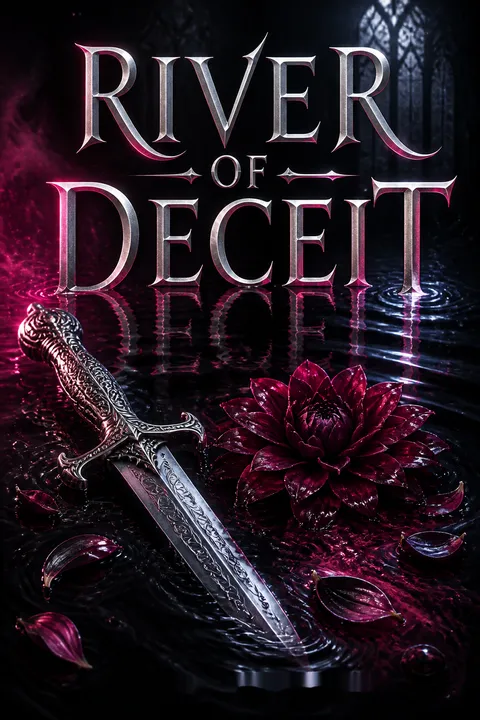
Pandora's knife is both a literal weapon and a symbol of her refusal to be victimized; it is also a tool of intimacy, used in sex and violence alike. The charm made from River's finger bones is a talisman of guilt, love, and ownership, encapsulating the story's obsession with possession and loss. These objects recur throughout the narrative, foreshadowing key events and anchoring the story's emotional arc.
Institutional Power and Corruption
The narrative structure uses the insular world of Dyschord University to explore themes of complicity, cover-up, and the cost of silence. The rituals of brotherhood, the indifference of authority, and the ease with which violence is normalized all serve to critique the systems that enable abuse. The story's climax—the burning of the fraternity house and the public exposure of its crimes—is both a literal and symbolic reckoning.
Foreshadowing and Repetition
The motif of Pandora's box, the repeated references to Rachel's death, and the cyclical nature of violence all serve to foreshadow the story's explosive climax. The repetition of betrayals, reconciliations, and acts of vengeance creates a sense of inevitability, as if the characters are trapped in a pattern they cannot escape.
Download PDF
Download EPUB
.epub digital book format is ideal for reading ebooks on phones, tablets, and e-readers.








































